What a Heavy-Duty Steel Conveyor Bracket Does on a Belt Line
A Heavy-Duty Steel Conveyor Bracket is the structural support that holds the idlers in place and keeps the conveyor belt running at the correct profile. In a quarry, a coal preparation plant, or a cement kiln feed line, this steel bracket carries the weight of the loaded belt, the idler roller, and the material between them. It is not a small accessory; it is the frame that decides whether the belt tracks straight or wanders, and whether the rollers stay square to the belt over years of service. Buyers in sand and gravel plants, power station coal yards, and ore dressing circuits often treat the conveyor bracket as a consumable, but choosing a heavy-duty steel version changes how often the line needs attention.
How the Bracket Is Built
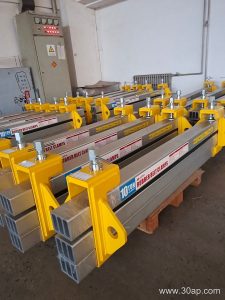
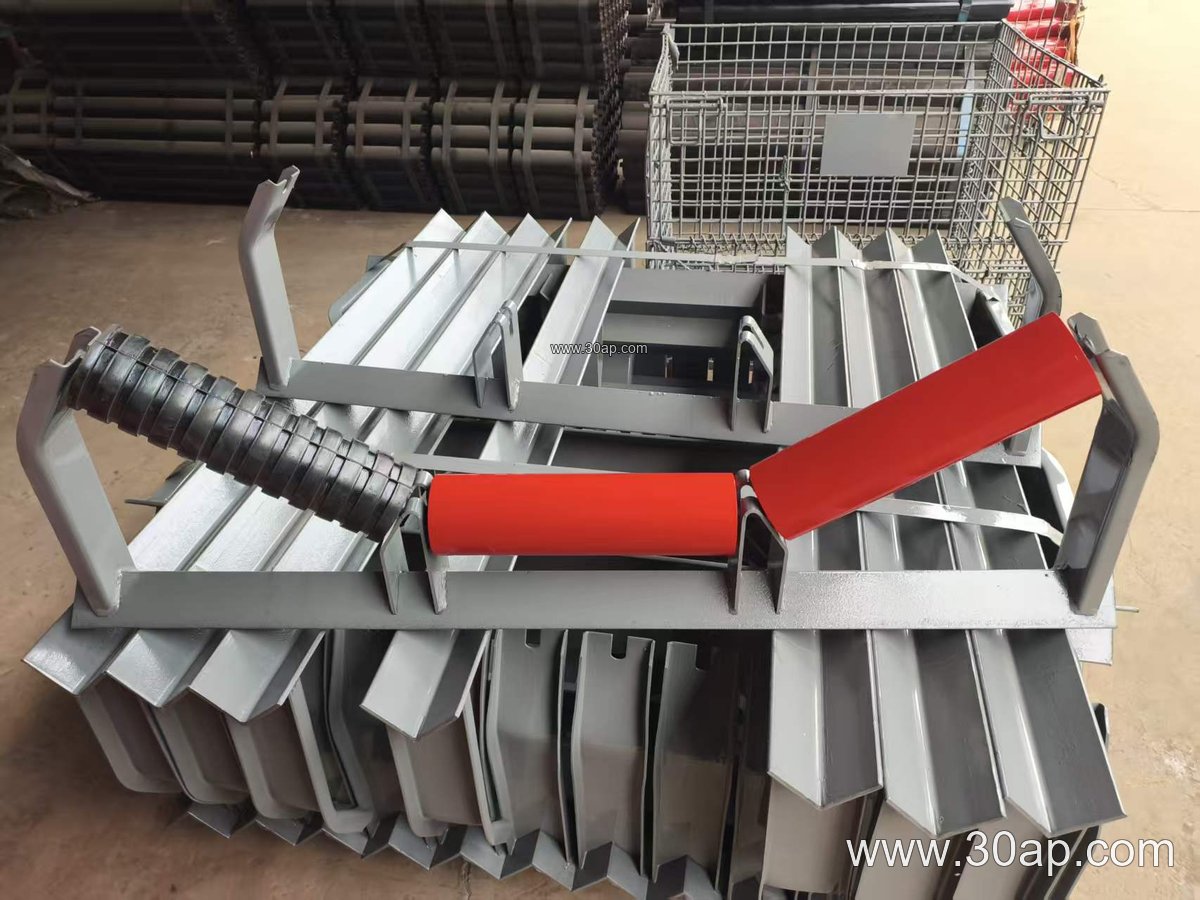
Most heavy-duty steel conveyor brackets are fabricated from angle steel, channel steel, or folded steel plate. The material grade and plate thickness are usually selected by design according to the belt width, the load, and the spacing between supports. A typical troughing bracket has two or three inclined roller seats and a base that bolts to the conveyor stringer. Welding quality matters more than appearance: a bracket that flexes under load will gradually loosen its bolts and tilt the idlers, which shows up as edge wear on the conveyor belt.
Surface treatment is another decision point. Painted brackets suit dry indoor sections, while hot-dip galvanized or powder-coated versions are common in wash plants, port terminals, and coastal sites where moisture and salt attack bare steel. The bracket should be checked for squareness, hole alignment, and weld penetration before installation, because a twisted frame is difficult to correct once the belt is tensioned.
Common Configurations and Reference Dimensions
The bracket family includes troughing brackets, transition brackets, return brackets, V-return brackets, impact idler brackets, self-aligning brackets, and adjustable types. Each has a distinct role, and they are not interchangeable. The table below gives typical reference values, not fixed supply commitments.
| Item | Common Reference Range | Notes |
|---|---|---|
| Belt width | B500 to B2200 | B800, B1000, B1200, B1400, B1600, B1800 often used |
| Trough angle | 20°, 30°, 35°, 45° | Adjustable brackets can move between angles |
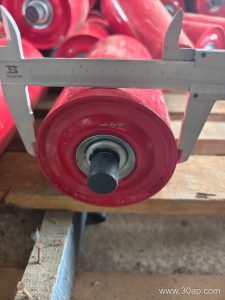
| Idler diameter | Ø89, Ø108, Ø133, Ø159, Ø194 | Chosen with belt speed and load, not by width alone |
| Material | Angle steel, channel steel, folded plate | Thickness per design |
| Forward tilt | About 1.5° to 2° | Used on forward-leaning brackets for tracking |
Combinations such as B800 with 35° and Ø108, or B1200 with 45° and Ø133, appear in many designs, but no single belt width is locked to one trough angle or one roller diameter. Hole spacing and beam length change with width and trough angle, so they should be confirmed against the conveyor drawing.
Where These Brackets Are Used
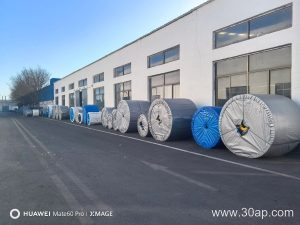
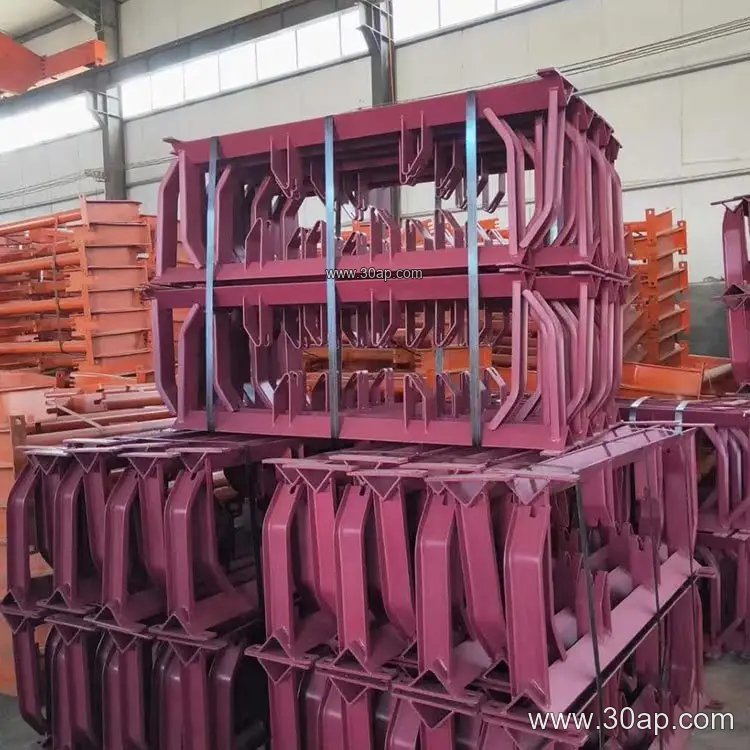
In a limestone quarry or a stone crushing line, heavy-duty brackets support the troughing idlers under a high-abrasion conveyor belt that carries sharp rock. In a coal washing plant, flame retardant and anti-static belt grades are often required, and the bracket must resist both vibration and wet conditions. A cement plant uses them on clinker and raw meal lines, where heat resistant conveyor belt sections may sit close to the bracket. Power plant coal handling, port ship loading, and iron ore terminals all rely on sturdy frames that keep the belt centered.
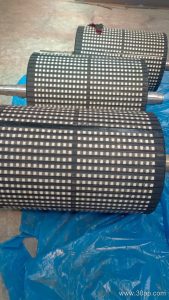
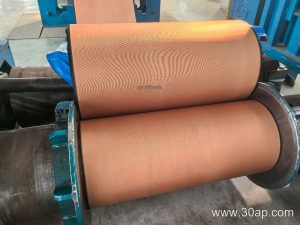
On a typical line you will see a conveyor pulley at the head and tail, a series of idler rollers along the carrying side, and the steel brackets tying the whole run together. For more on matching belt and frame components, see the selection notes at www.example.com/conveyor-bracket and the roller guidance at www.example.com/idler-roller. Fabric core belts such as EP conveyor belt and NN conveyor belt are common in these installations, while steel cord conveyor belt is used where tension is high.
What a Buyer Should Check Before Ordering
- Confirm the belt width and the trough angle the conveyor drawing requires, and whether an adjustable bracket is needed for future changes.
- Match the idler diameter to the bracket seat, and check that the mounting holes suit the stringer.
- Ask for the steel grade and plate thickness, and specify a surface finish suitable for the site environment.
- Check whether the application calls for impact brackets at the loading point or self-aligning brackets on long runs.
- Plan spare brackets for transition zones, where belt stress and bracket wear are usually highest.
A well-chosen heavy-duty steel conveyor bracket protects the conveyor belt, extends idler roller life, and reduces downtime in mines, cement works, power stations, and aggregate plants. The right specification comes from the conveyor design, not from a single standard size.