Where the Ø89 Conveyor Idler Fits
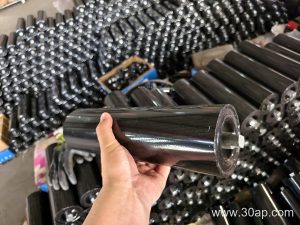
A Ø89 conveyor idler is a carrying or return roller with an 89 mm outside diameter shell, sized for light to medium belt conveyors. In a quarry, a limestone pit or a sand and gravel line, this roller diameter often appears on narrower belts where the load per meter is moderate and the frame space is limited. It is also a practical choice in cement plant transfer houses and in power plant coal handling where conveyors run at moderate speed. The idler roller supports the conveyor belt, keeps it in a stable trough, and lets the belt travel with low rolling resistance.
An Ø89 idler is not a pulley. Drive pulleys, tail pulleys and bend pulleys transmit motion or change belt direction, while the idler roller only supports the belt. Keeping that distinction clear helps when ordering spares.
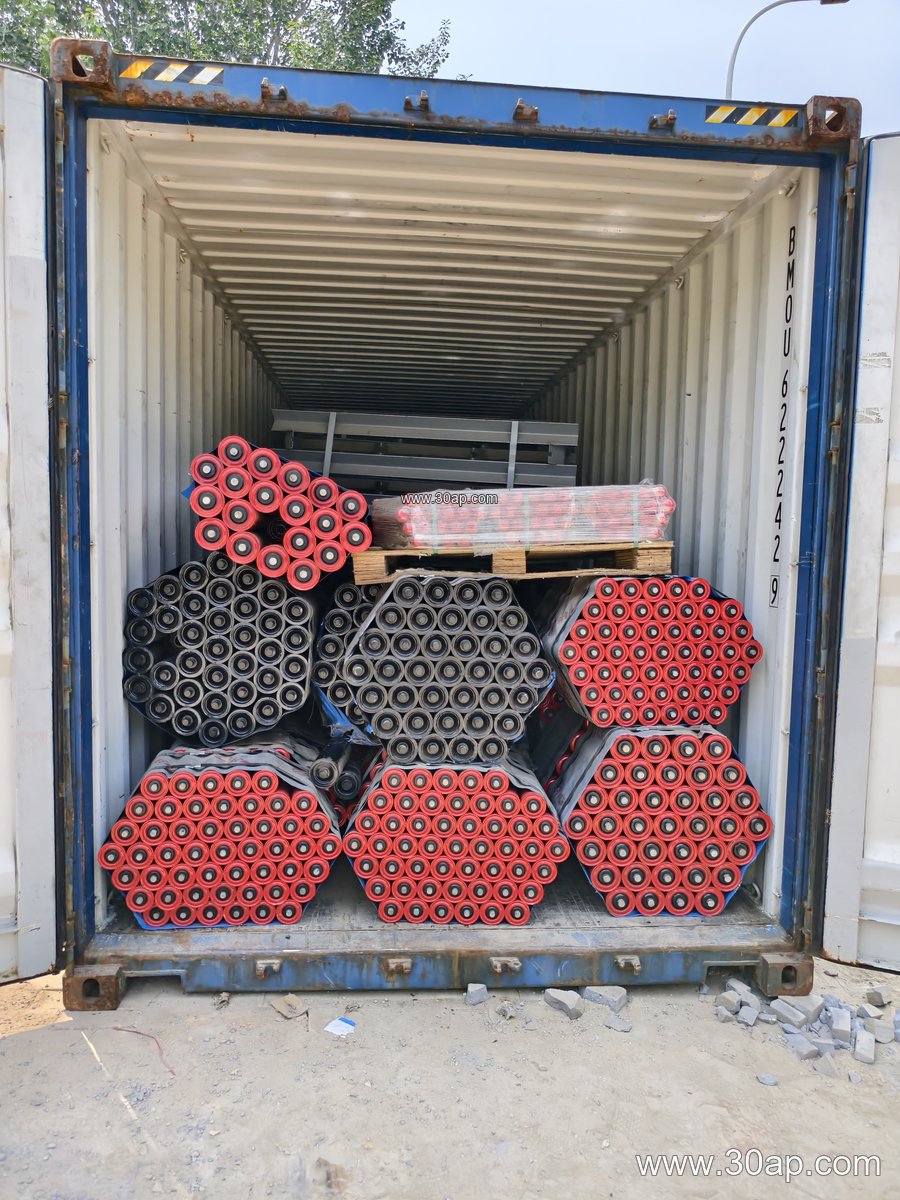
Construction of an 89 mm Idler Roller
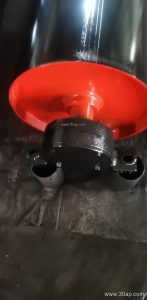
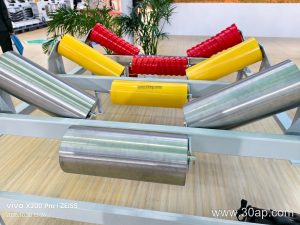
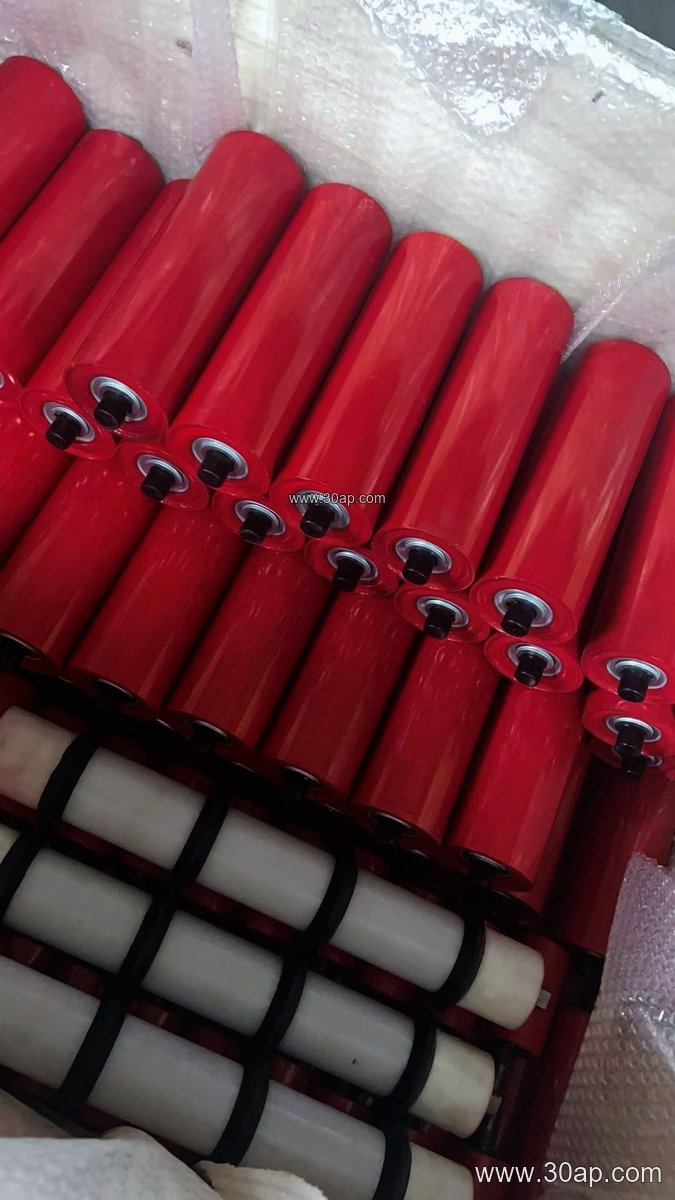
The body is usually a steel tube with machined ends, fitted with bearing housings, a shaft and a sealing arrangement. Common bearing sizes in this diameter class include 6204 and 6205, though final selection depends on load, speed and the manufacturer’s design. Roller surface options include plain steel, nylon, ceramic and rubber rings. Rubber rings are often chosen at loading points to absorb impact and protect the belt cover. A labyrinth seal or a similar multi-stage seal keeps dust out in stone crushing and cement service.
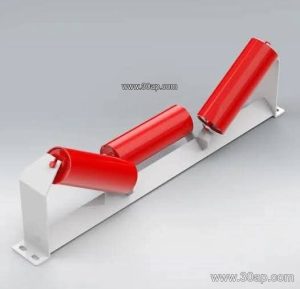
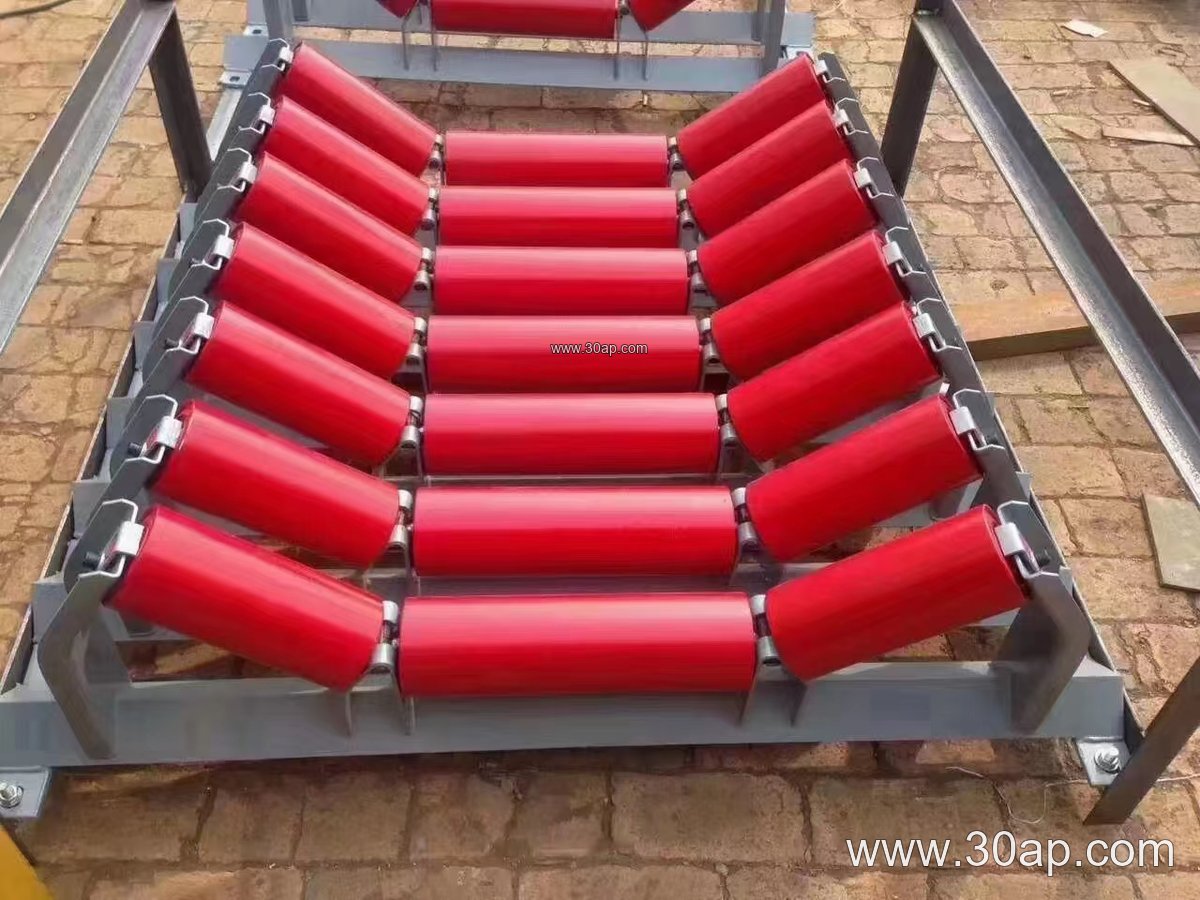
Roller length follows belt width, trough angle and the idler set form. For a three-roll troughing set, common roller lengths are roughly 250 mm at B650, 315 mm at B800 and 380 mm at B1000, but side rollers and center rollers can differ. These are reference values, not fixed pairings.
| Parameter | Common range for Ø89 idlers |
|---|---|
| Roller diameter | 89 mm |
| Belt width examples | B500, B650, B800, B1000 |
| Trough angles | 20°, 30°, 35° |
| Idler set types | single roll, two-roll, three-roll troughing |
| Roller surface | steel, nylon, ceramic, rubber ring |
| Bearing examples | 6204, 6205, 6305 |
Troughing, Return and Impact Roles
The same 89 mm diameter can be used in several positions. A three-roll troughing set on the carrying side forms the belt into a trough, which reduces spillage of bulk material. A return idler roller under the belt supports the empty strand; a V-shaped return set helps center the belt. At a transfer chute, a rubber-ring impact idler absorbs the drop energy from crusher discharge or screen feed.
Self-aligning idlers, including friction and tapered types, are a separate function and should be specified only where belt tracking is a known problem. They do not replace properly aligned frames and brackets.
Belt and System Compatibility
The idler must suit the belt it carries. A smooth EP conveyor belt or NN conveyor belt on a medium-duty line behaves differently from a thick, heavy-duty mining belt. On abrasive ore lines, a high abrasion resistant conveyor belt is common, and the roller surface should match the duty. In coal mining and underground coal mining, a flame retardant conveyor belt or fire resistant conveyor belt is usually required by the site’s safety rules, and the idler seal must resist fine coal dust. Heat resistant conveyor belt service in a cement kiln area or a sinter plant calls for attention to bearing grease and seal material.
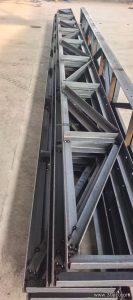
A conveyor bracket or frame that is out of square will shorten idler life no matter how good the roller is. Check mounting dimensions, shaft flats and spacing before installing a new batch. For very wide belts, such as a 1200mm wide conveyor belt or 1500mm wide conveyor belt, larger roller diameters are usually preferred, so Ø89 may be under-sized for the heaviest positions.
Buyer Checklist
- Confirm the belt width and the trough angle, then check the required roller length for each position.
- State the application: quarry, coal handling, cement, power plant or port, and note dust, moisture and temperature.
- Specify the roller surface and whether rubber rings are needed at impact points.
- Ask for bearing size, seal type and shaft end details so the idler fits the existing conveyor bracket.
- Order carrying, return and impact idlers as separate line items, since they are not interchangeable.
For a complete spare parts plan, list the idler roller together with the conveyor pulley and the belt specification. A well-matched Ø89 conveyor idler keeps a moderate-duty line running quietly, while a mismatched one leads to belt wear, tracking issues and frequent replacement.