What a Galvanized Idler Is and Where It Fits
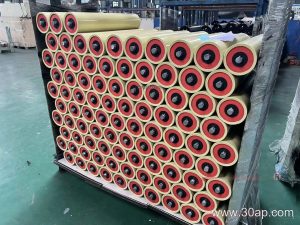
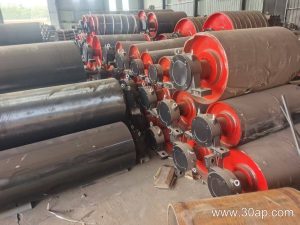
A galvanized idler is a conveyor roller whose steel shell and often its end caps have been coated with a zinc layer to resist corrosion. In a typical conveyor line, these idlers support the conveyor belt on the carrying side and guide it on the return side. You will see them in limestone quarries, iron ore stockyards, and coal handling circuits where dust and moisture are constant companions. The zinc coating does not change the roller’s basic job—it simply extends service life in damp or slightly acidic conditions.
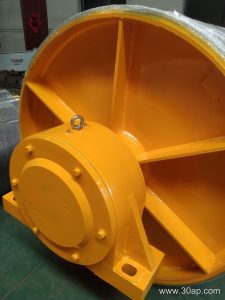
Unlike a drive pulley or a tail pulley, which transmit power and set belt tension, a galvanized idler is a free-rotating component. It is not a substitute for a bend pulley or a conveyor pulley; those parts serve different mechanical roles. The idler’s work is to reduce friction and keep the belt profile stable.
Construction and Common Surface Forms
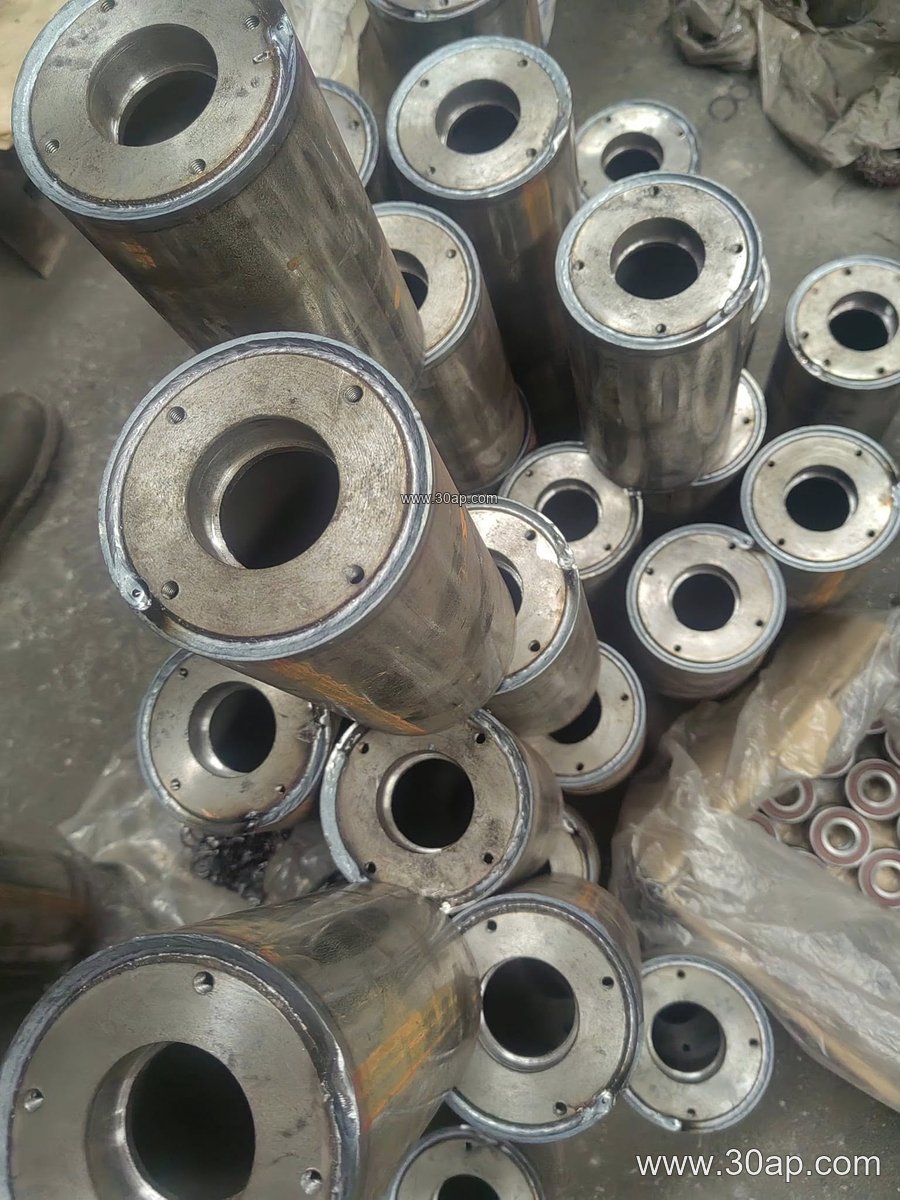
Most galvanized idlers start with a steel tube that is cut to length, machined at the ends, and fitted with bearing housings. The galvanizing step—usually hot-dip or electro-galvanized—adds a zinc layer that protects the shell from rust. Bearing sizes vary with load and shaft design; common bearings include 6204, 6205, 6305, 6306, 6308, and 6310. There is no fixed rule that one bearing must match one roller diameter.
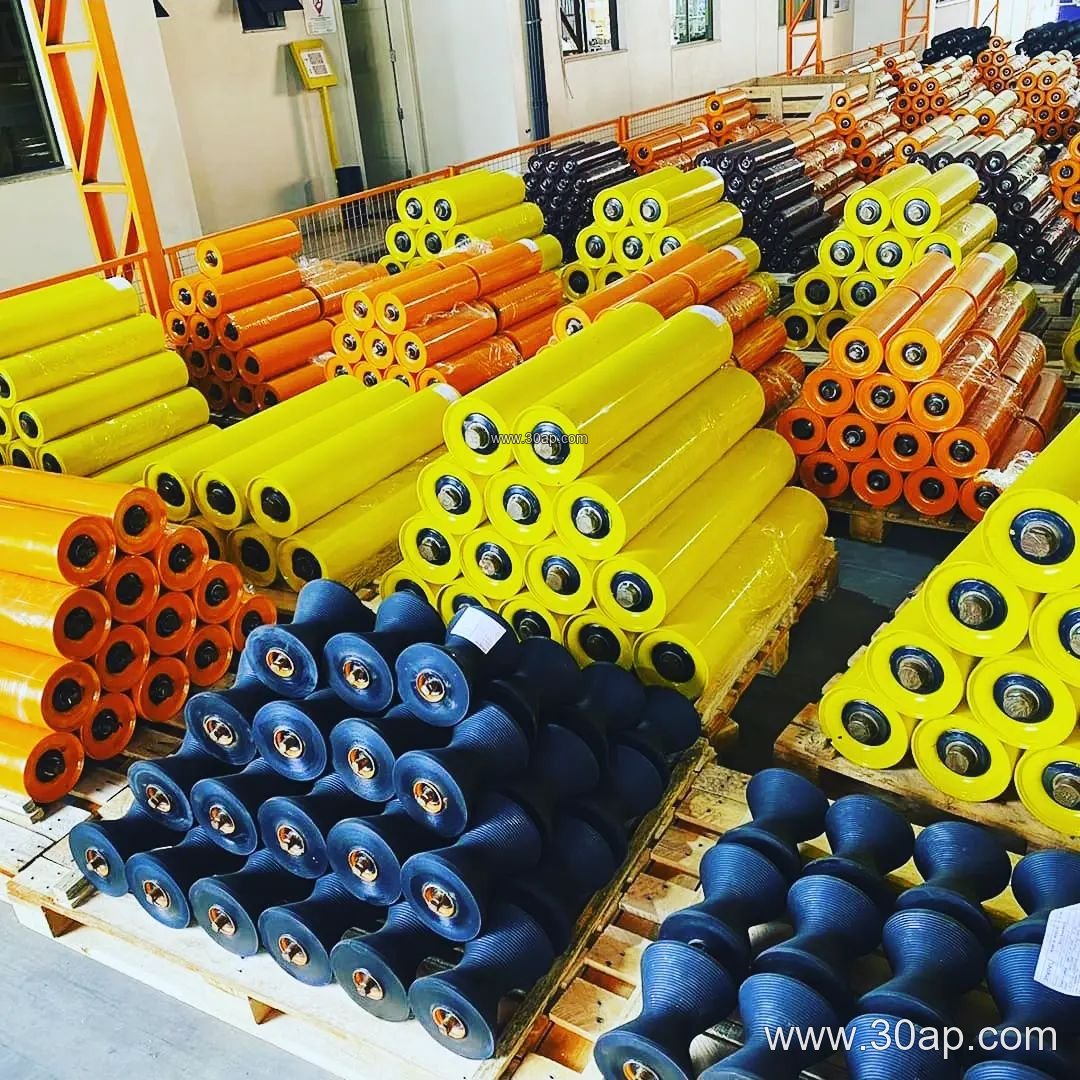
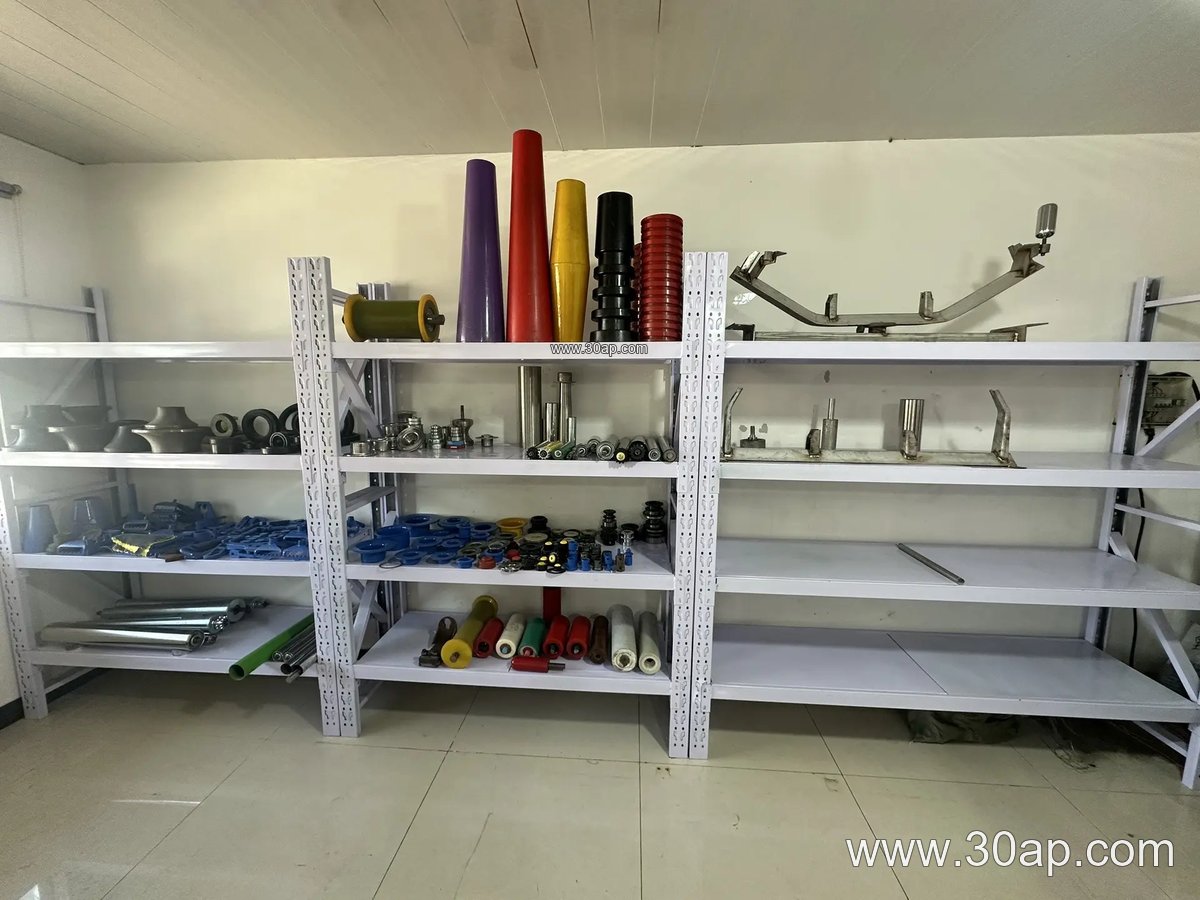
Roller diameters are usually chosen to suit belt width and load. Frequently seen sizes include Ø63, Ø76, Ø89, Ø102, Ø108, Ø127, Ø133, Ø159, Ø178, Ø194, and Ø219 mm. The surface can be plain steel, nylon, ceramic, or rubber rings. For a galvanized idler, the zinc coating is the main corrosion barrier, while rubber rings may be added for impact absorption in load zones.
Typical Reference Dimensions
The table below gives common examples, not fixed rules. Roll length changes with belt width, trough angle, and idler arrangement.
| Belt Width | Common Roll Length (three-roll trough set) | Typical Roller Diameter Range |
|---|---|---|
| B500 | About 200 mm | Ø63–Ø89 mm |
| B650 | About 250 mm | Ø76–Ø108 mm |
| B800 | About 315 mm | Ø89–Ø127 mm |
| B1000 | About 380 mm | Ø102–Ø133 mm |
| B1200 | About 465 mm | Ø108–Ø159 mm |
| B1400 | About 530 mm | Ø127–Ø178 mm |
| B1600 | About 600 mm | Ø133–Ø194 mm |
| B1800 | About 670 mm | Ø159–Ø219 mm |
These figures are reference data. Side rollers and center rollers can differ, and the final choice should follow the conveyor design.
Where Galvanized Idlers Are Used
Two common settings stand out. In a limestone quarry or aggregate line, galvanized idlers handle dusty, slightly wet material and help keep the belt tracking steady. In a coal handling plant or power plant coal yard, the zinc coating offers extra protection against condensation and fine coal dust. You may also find them in sand and gravel plants, cement plants, and port bulk terminals where washdown or humid air is present.
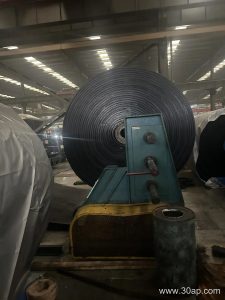
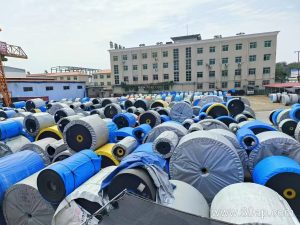
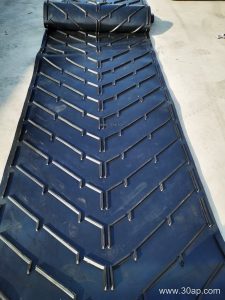
They are often paired with a rubber conveyor belt or an EP conveyor belt in primary crushing circuits, and with a flame retardant conveyor belt in coal mining conveyor systems. In long overland lines, steel cord conveyor belt may run on larger-diameter galvanized idlers to reduce rolling resistance. For abrasive ore, a high abrasion resistant conveyor belt works alongside well-sealed idlers to limit dust ingress.
Selection and Maintenance Notes
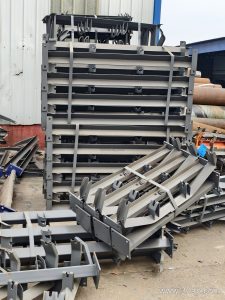
Buyers should match the idler to the belt width, trough angle, and load. Common trough angles are 20, 30, 35, and 45 degrees. A three-roll trough set is standard for many bulk material conveyor belts, while a two-roll or single-roll arrangement may appear in specialized zones. Return idlers often use a flat or V-shaped form. Transition idlers near a conveyor pulley help ease the belt from flat to troughed.
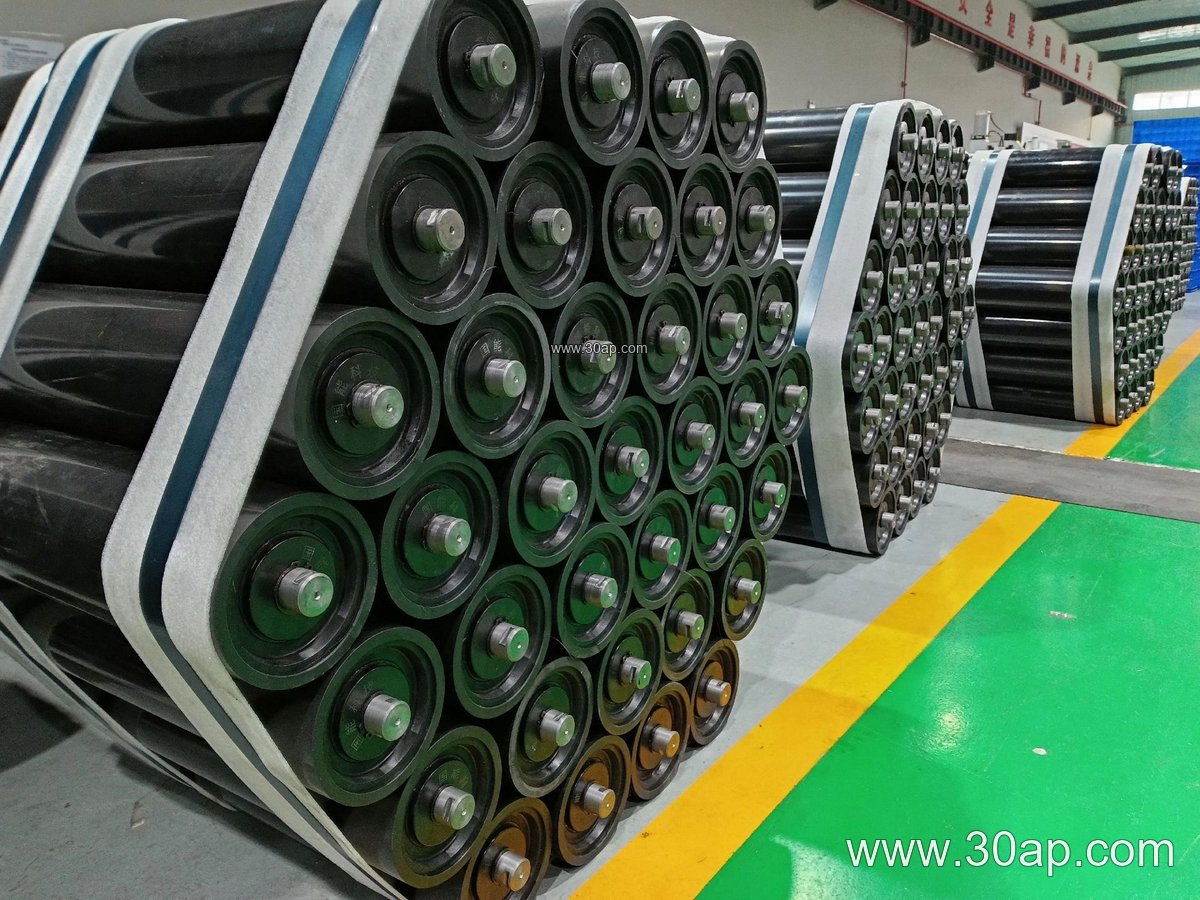
Sealing matters. A good labyrinth seal keeps fine dust out of the bearing, which is especially important in a crusher conveyor belt line or a quarry conveyor belt system. Galvanized idlers should be inspected for coating damage during installation; touched-up zinc-rich paint can restore local protection. Alignment and free rotation should be checked after the first few days of operation.
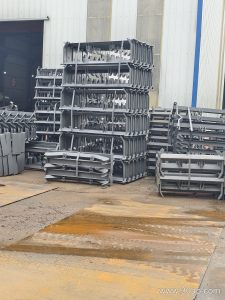
For a complete conveyor package, galvanized idlers work with the conveyor bracket, the idler roller frame, and the conveyor pulley. They are not interchangeable with those parts, but they form a system. When specifying, state the belt width, the trough angle, the roller diameter, and the bearing size you need. Avoid assuming that one belt width locks you into one roller diameter; the design engineer should confirm the combination.
Whether the project is a copper ore terminal, a cement plant, or a gold mining conveyor, a galvanized idler is a practical choice for corrosion-prone service. Keep spare rollers on hand, follow the manufacturer’s installation guidance, and review wear patterns regularly.