What a Coal Conveyor Belt Is
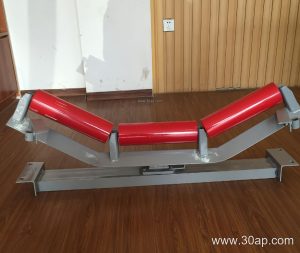
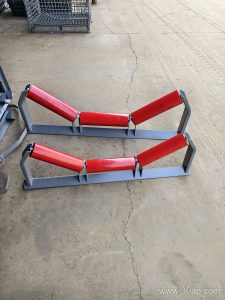
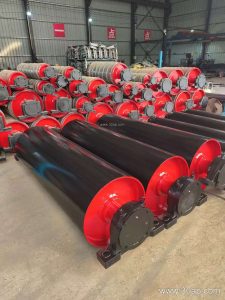
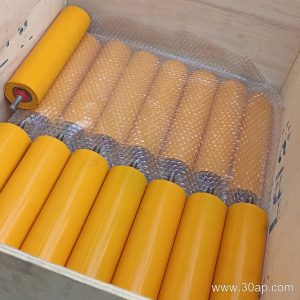
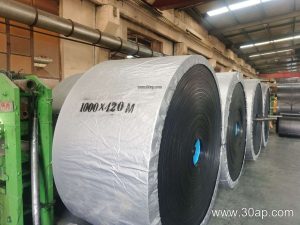
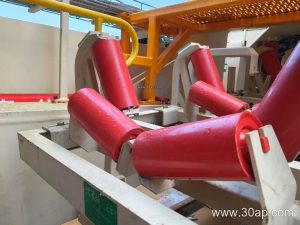
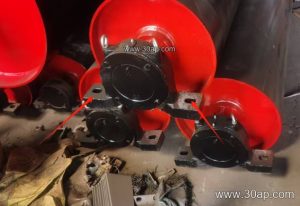
A Coal Conveyor Belt is the load-carrying component of a bulk handling system that moves coal from a stockpile, crusher or loading point to screens, bunkers or boilers. It is a composite product: a fabric or steel cord carcass carries the tension, while rubber cover layers protect the carcass from abrasion, impact and moisture. On a typical coal handling line the belt runs over idler rollers, wraps around a head pulley and a tail pulley, and is held in alignment by conveyor brackets and frame structures. The same article also uses the equivalent name “coal haulage belt” where it reads naturally.
The belt is not a standalone item. Its performance depends on the conveyor pulley diameters, the troughing angle of the idler roller sets, the loading chute design and the tensioning arrangement. A belt that is well matched to these parts lasts longer and tracks better.
Construction and Common Types
Most coal belts use a multi-ply fabric carcass or a steel cord carcass. Fabric types such as EP Conveyor Belt and NN Conveyor Belt are common on medium-duty lines, while Steel Cord Conveyor Belt constructions suit long, high-tension routes. Cover rubber is usually selected for abrasion resistance, with flame retardant grades specified for underground and enclosed galleries where fire risk must be controlled.
Typical construction references are listed below. Values are common ranges and should be confirmed against the actual conveyor design.
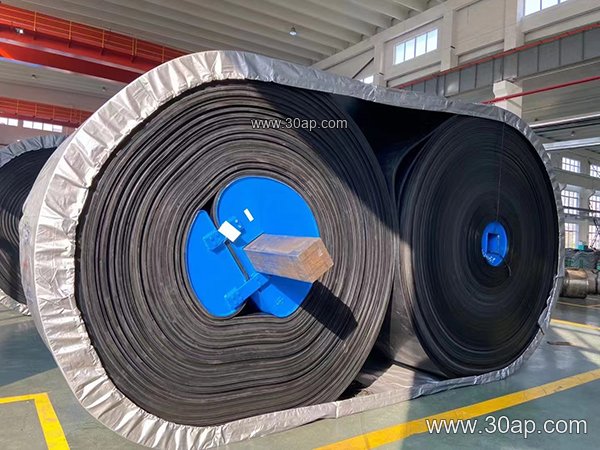
- Carcass: 2 to 6 fabric plies, or steel cord for high strength
- Cover thickness: 3+1.5, 4+2, 5+2, 6+2 or 8+3 mm top and bottom combinations
- Strength grades: EP200 to EP2000, NN100 to NN400, and steel cord grades such as ST1000 to ST3150
- Belt widths: B500, B650, B800, B1000, B1200, B1400, B1600, B1800 and B2000 are common references
| Parameter | Common reference range | Notes |
|---|---|---|
| Carcass type | EP, NN, steel cord | Selected by tension and route length |
| Strength grade | EP200 to EP2000 | Higher grades for longer or steeper conveyors |
| Belt width | B500 to B2000 | Matched to lump size and capacity |
| Top cover | 3 to 8 mm | Thicker cover for high abrasion |
| Bottom cover | 1.5 to 3 mm | Depends on pulley contact and idler contact |
Where Coal Belts Are Used
Coal is handled in many industries, and the belt specification changes with the duty. A Coal Mining Conveyor Belt on a face or drift conveyor may need flame retardant and anti-static properties, while a Power Plant Conveyor Belt in the stockyard is often selected for abrasion resistance and weather tolerance. Cement plants, steel plants, ports and ship loading terminals also run coal belts, sometimes alongside a Quarry Conveyor Belt or Aggregate Conveyor Belt handling limestone and crushed stone.
In a Coal Mining Conveyor Belt installation, the belt may be a PVG Conveyor Belt or PVC grade for underground use, where fire resistance and anti-static behavior are important. On the surface, an Abrasion Resistant Conveyor Belt with a thicker cover is often preferred because coal dust and small rock particles wear the top cover quickly. Where coal is transferred at height, a Chevron Conveyor Belt or Corrugated Sidewall Conveyor Belt can help hold the load on an incline, but these are separate designs and are not substitutes for a standard flat coal belt.
Selection Points for Buyers
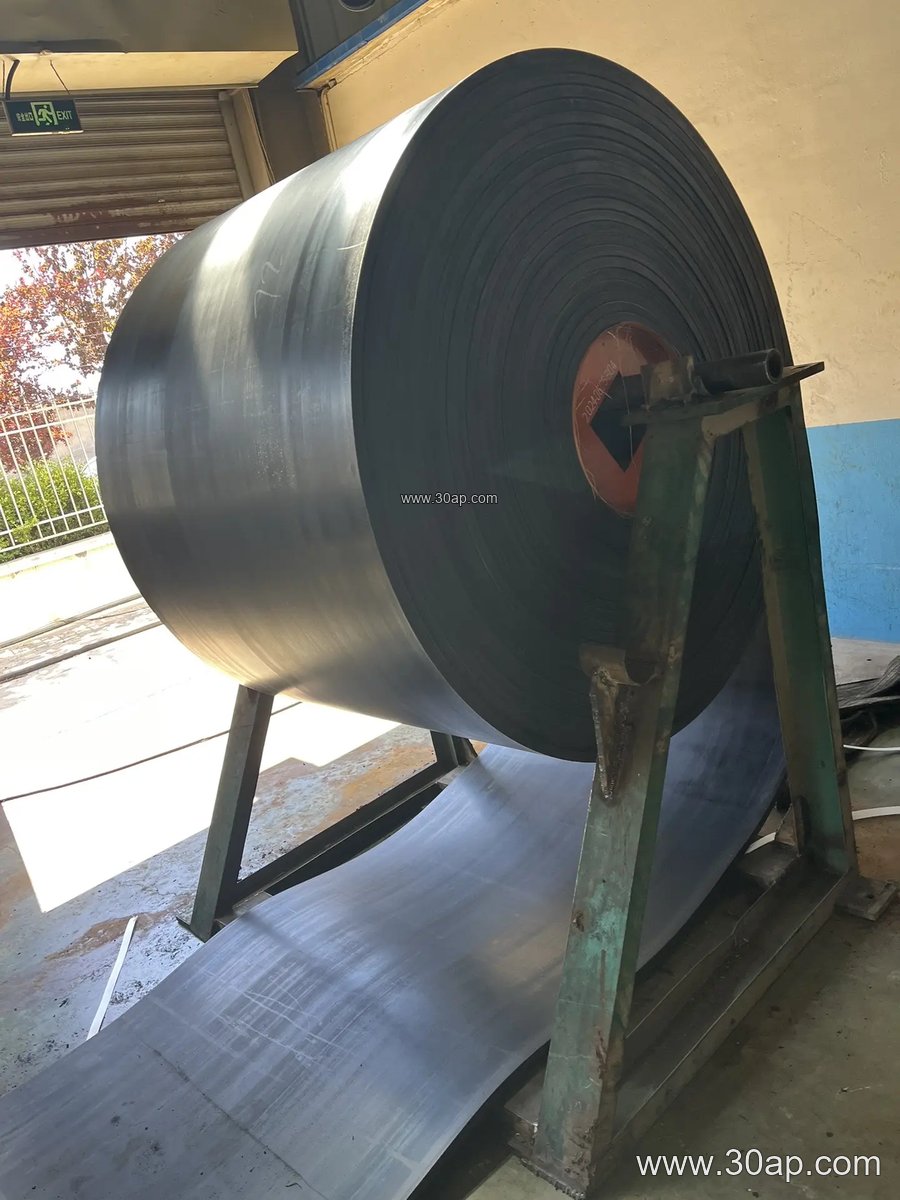
Buyers should start from the conveyor duty rather than from a single size. The key inputs are capacity in tonnes per hour, lump size, incline angle, center distance, pulley diameters, troughing angle and the environment. A belt width of B800 or B1000 is common on plant conveyors, but a wider belt is not automatically better; it must match the idler roller set and the pulley face width.
- Check that the pulley diameter suits the carcass and cover thickness
- Confirm the flame retardant and anti-static requirements for the site
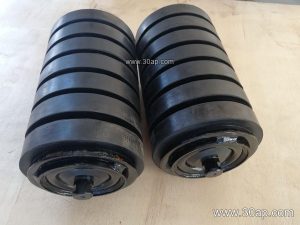
- Review the loading point for impact and use impact idler rollers where needed
- Match cover grade to abrasion, oil, heat or cold exposure
- Verify the splice method and whether an Endless Conveyor Belt is required
For coal that is wet or sticky, cover compound and surface pattern matter. For coal with oil contamination, an Oil Resistant Conveyor Belt may be needed. In cold climates, a Cold Resistant Conveyor Belt reduces cracking at start-up. Where coal is hot from a kiln or boiler area, a Heat Resistant Conveyor Belt should be considered. Each of these is a distinct grade, not a universal replacement for the main coal belt.
Maintenance and Long Service Life
Regular inspection keeps a coal belt running. Check idler roller rotation, pulley lagging condition, belt tracking and cover wear. Misaligned conveyor brackets and seized idlers are common causes of edge damage. Keep the loading chute centered so coal does not fall onto the belt edge, and maintain the skirt rubber so fines do not migrate under the belt. Record cover thickness at fixed points to plan replacement before the carcass is exposed.
When a replacement is needed, review the original specification with the actual operating history. A belt that wore faster than expected may need a higher abrasion grade, a thicker cover or better loading control, rather than simply a different strength class. For more on coal belts, conveyor pulleys and idler rollers, visit conveyoridler.com and review the selection notes before ordering.