What an Idler Bracket Does on a Conveyor
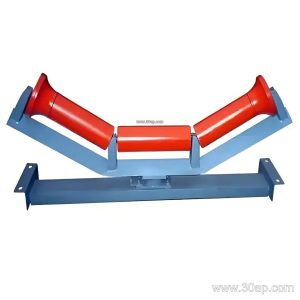
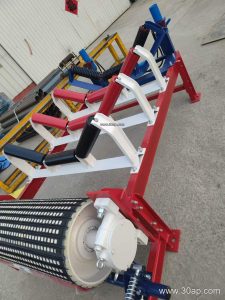
An idler bracket is the structural support that holds conveyor idlers at the correct position and angle along the belt line. It connects the idler roller to the conveyor frame and keeps the belt profile stable under load. In a quarry, a cement plant, or a coal handling system, the idler bracket is a small part that directly affects belt tracking, roller life, and maintenance intervals.
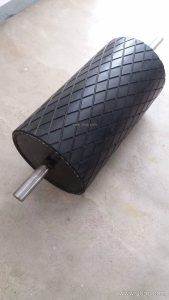
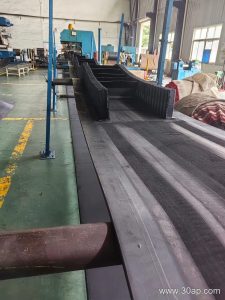
The bracket works together with the conveyor belt, the idler roller, and the conveyor pulley. A well-matched bracket keeps the belt centered and prevents the roller from shifting under heavy material impact.
Construction and Common Forms
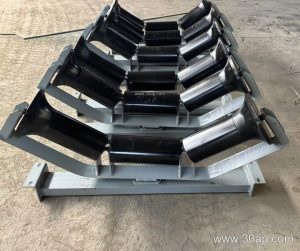
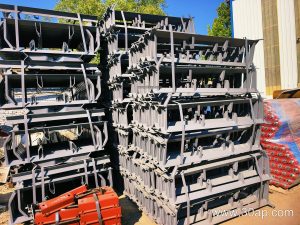
Most brackets are fabricated from angle steel, channel steel, or folded steel plate. The material choice depends on load and environment. In a stone crushing line or an iron ore yard, thicker sections are often preferred for impact resistance.
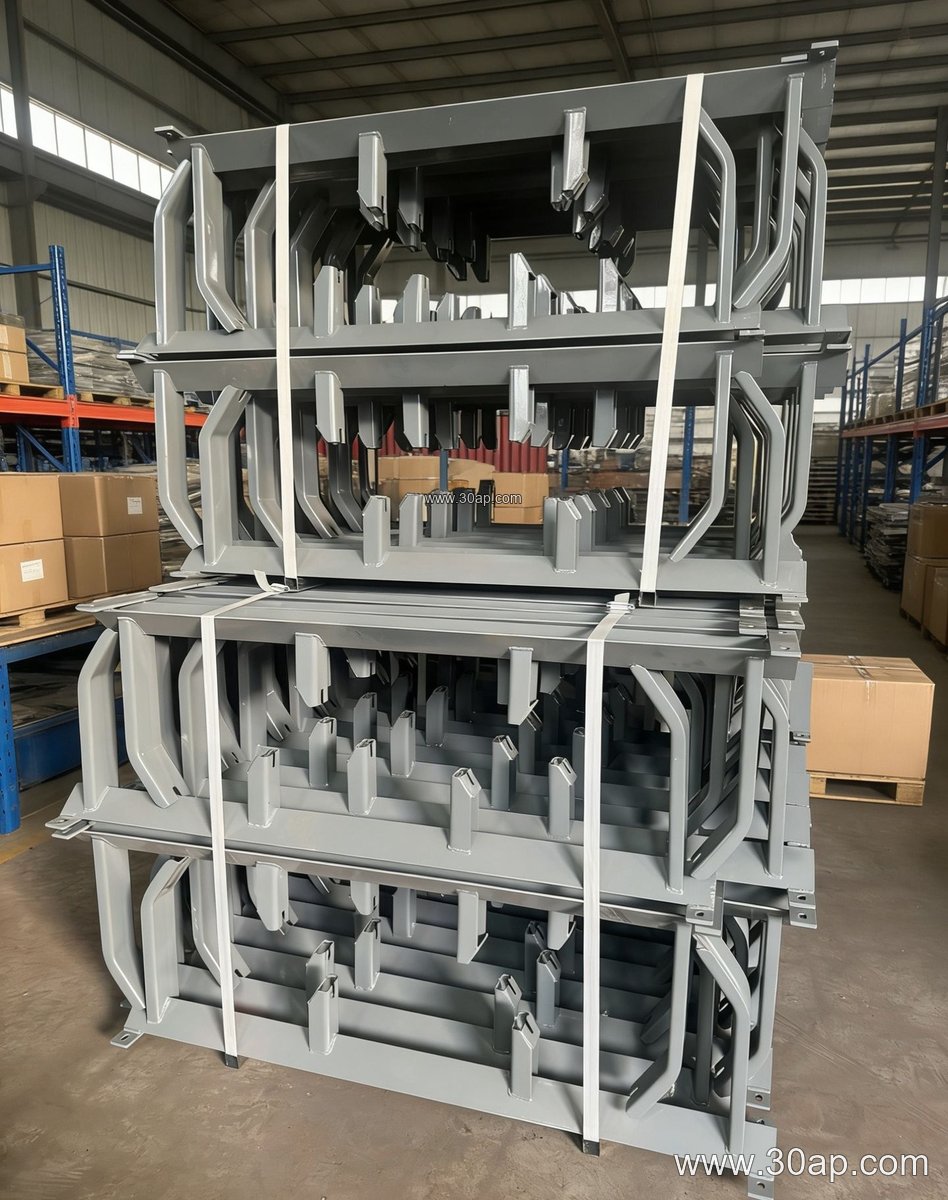
Common bracket types include trough brackets, transition brackets, return brackets, V-return brackets, impact brackets, self-aligning brackets, and adjustable brackets. The trough bracket sets the trough angle, which is usually 20, 30, 35, or 45 degrees. Adjustable versions can be set between these angles during installation. Forward-leaning brackets are typically about 1.5 to 2 degrees.
Matching Belt Width, Trough Angle, and Roller Diameter
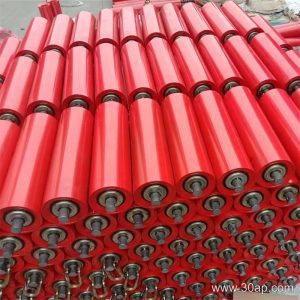
Bracket selection starts with belt width. Common widths include B500, B650, B800, B1000, B1200, B1400, B1600, B1800, B2000, and B2200. Roller diameters such as Ø89, Ø108, Ø133, Ø159, and Ø194 are paired with these widths according to load and design.
There is no fixed rule that one belt width matches only one trough angle or one roller diameter. A B800 belt may use a 35-degree bracket with Ø108 rollers, while a B1200 line may use a 45-degree bracket with Ø133 rollers. Installation hole spacing and crossbeam length vary with width and angle, so they should be confirmed from the drawing rather than assumed.
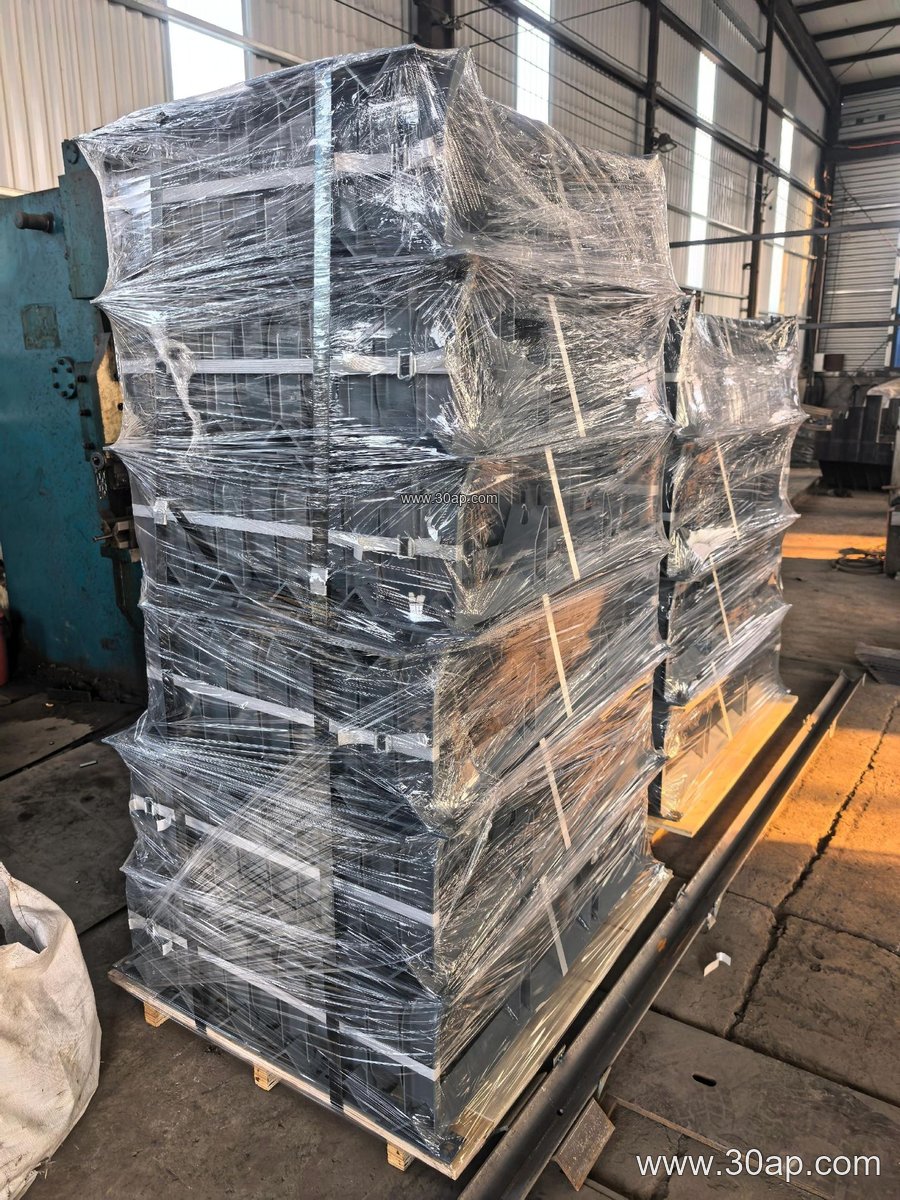
Where the Bracket Fits in Different Industries
In a coal washing plant, flame retardant conveyor belts and anti-static belts are common, and the bracket must support the belt without creating tracking problems. In a power plant coal yard, dust and vibration make a stable bracket important. In a limestone quarry, impact brackets under the loading point protect the belt and the idler roller.
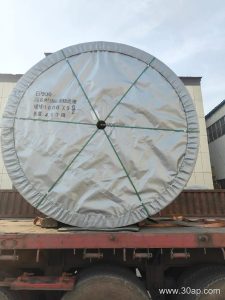
For heavy-duty mining conveyor belts, including steel cord conveyor belt and EP conveyor belt constructions, the bracket and frame must handle higher tension and load. Belt types such as abrasion resistant conveyor belt or heat resistant conveyor belt also influence the surrounding hardware, though the bracket itself remains a structural component.
Buyer Checklist
- Confirm belt width and required trough angle before ordering.
- Check the roller diameter and the bracket mounting dimensions.
- Choose material thickness for the actual load and impact level.
- Decide between fixed and adjustable brackets based on maintenance needs.
- Match the bracket to the conveyor frame and pulley layout.
For more information on conveyor components, visit www.example.com/conveyor-bracket or www.example.com/idler-roller to review related equipment. A correctly chosen idler bracket helps keep the belt running smoothly in demanding sites such as mines, cement plants, and port terminals.