What a Heavy-Duty Conveyor Bracket Does
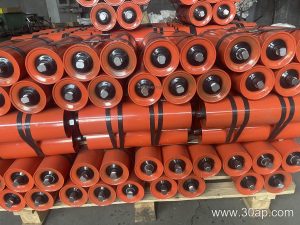
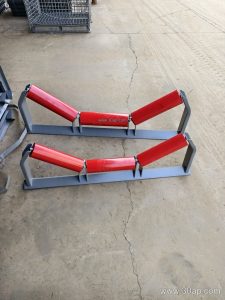
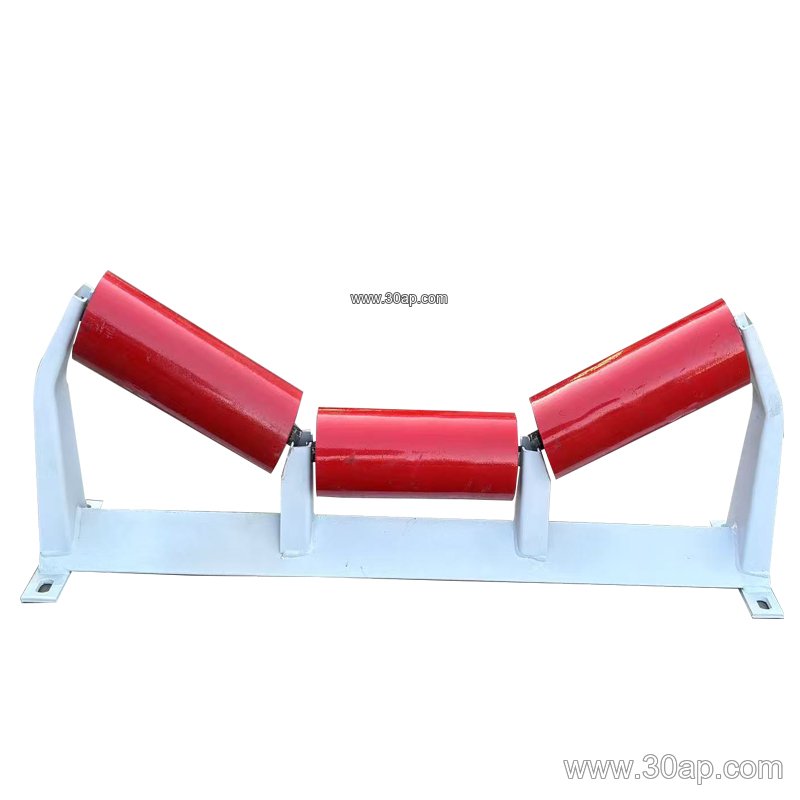
A heavy-duty conveyor bracket is the structural support that carries idler rollers and holds a conveyor belt in its correct profile. Often called a heavy-duty idler bracket or heavy-duty conveyor frame bracket, it is a thicker, more robust version of the standard bracket used on light-duty lines. In a quarry, a coal preparation plant, or a cement plant, the bracket must resist constant vibration, abrasive dust, and occasional impact from large lumps. It is not simply a piece of bent steel; it is the interface between the belt, the idler roller, and the conveyor structure.
Construction and Materials
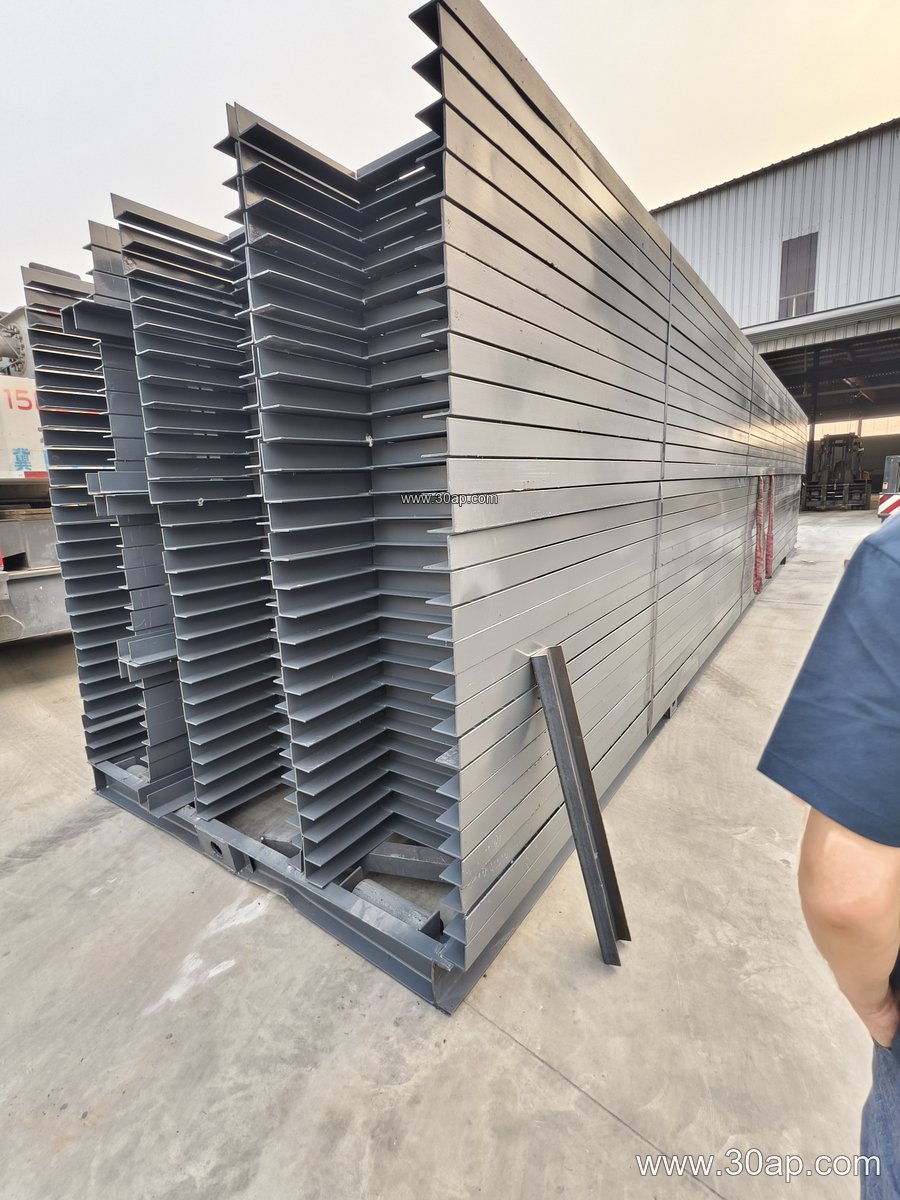
Most heavy-duty brackets are fabricated from angle steel, channel steel, or folded steel plate. The material grade and thickness are usually selected according to the belt width, the load per idler, and the environmental conditions. Welded joints are common, and some designs include gussets or reinforcement plates to spread stress at the mounting holes. The bracket surface may be painted, galvanized, or left bare depending on the site. For dusty and humid locations such as an underground mining conveyor or a ship loading facility, corrosion protection matters as much as mechanical strength.
Common Types and Their Roles
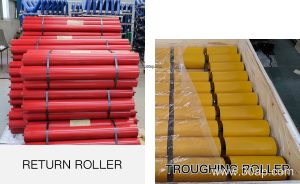
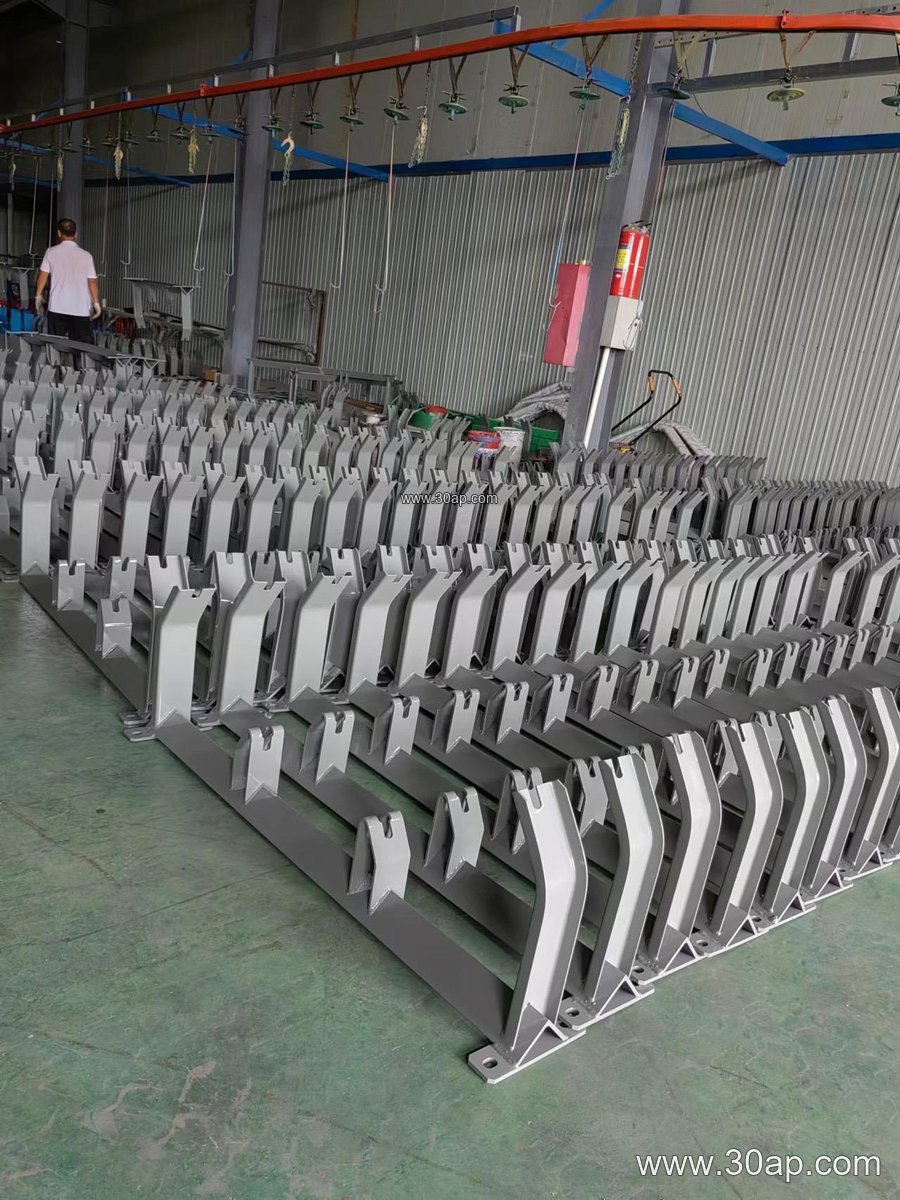
The term covers several subtypes, and each has a distinct function. Troughing brackets support the carrying side and set the trough angle. Transition brackets ease the belt from a flat to a troughed profile near the tail pulley. Return brackets support the belt on its way back, and V-type return brackets help center the belt. Impact brackets are placed under loading points to absorb shock. Self-aligning and forward-leaning brackets assist belt tracking. Adjustable brackets allow the trough angle to be changed on site, which is useful when a line handles different materials.
Where Heavy-Duty Brackets Are Used
These brackets appear wherever the belt carries dense or abrasive bulk material. In a limestone quarry or a sand and gravel line, they support the belt after the crusher and before screening. In a coal washing plant or a power plant coal yard, they work alongside flame retardant conveyor belt and anti-static conveyor belt to keep the line stable. In a cement plant, they carry clinker and raw meal on belts that may include a heat resistant conveyor belt or an abrasion resistant conveyor belt. In a steel plant or a port terminal, they support high-capacity lines moving iron ore or other bulk cargo.
Matching Bracket, Belt, and Idler
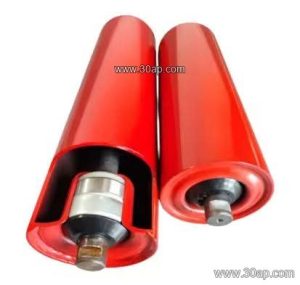
The bracket is only one part of the assembly. The belt width, the idler roller diameter, and the trough angle must be considered together. A common combination might be B800 with a 35-degree trough angle and Ø108 idlers, or B1200 with a 45-degree trough angle and Ø133 idlers. These are examples, not fixed rules. Wider belts may use B1400, B1600, or B1800 with larger rollers such as Ø159 or Ø194. The bracket’s mounting hole spacing and crossbeam length are usually determined by the belt width and trough angle, so they should not be treated as universal constants.
Reference Data for Common Bracket Configurations
| Belt Width | Typical Trough Angle | Idler Diameter | Bracket Type |
|---|---|---|---|
| B500 | 20° / 30° | Ø89 | Troughing, return |
| B650 | 30° / 35° | Ø89 / Ø108 | Troughing, impact |
| B800 | 35° / 45° | Ø108 / Ø133 | Troughing, transition |
| B1000 | 35° / 45° | Ø133 / Ø159 | Troughing, self-aligning |
| B1200 | 35° / 45° | Ø133 / Ø159 | Troughing, V-return |
| B1400 | 35° / 45° | Ø159 / Ø194 | Troughing, impact |
| B1600 | 35° / 45° | Ø159 / Ø194 | Troughing, transition |
| B1800 | 35° / 45° | Ø159 / Ø194 | Troughing, return |
These values are for reference only. Actual selection depends on the conveyor design, the material being handled, and the load conditions.
Buyer Checklist
- Confirm the belt width and the required trough angle before ordering.
- Check the idler diameter and the mounting hole spacing on the existing frame.
- Ask for the material thickness and the surface treatment, especially for wet or corrosive sites.
- Decide whether a fixed or adjustable bracket suits the application.
- Consider the belt type, such as an EP conveyor belt, a steel cord conveyor belt, or a chevron conveyor belt, because belt stiffness affects tracking and bracket load.
- For underground coal mining, verify that the bracket and belt are compatible with flame retardant and anti-static requirements.
A heavy-duty conveyor bracket is a small but critical component. When it is matched correctly with the belt, the idler roller, and the conveyor pulley, it helps reduce downtime and keeps the line running smoothly in demanding bulk handling operations.