What the Parallel Idler Bracket Does
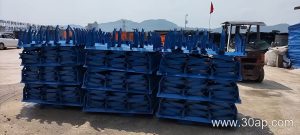
A parallel idler bracket is a support component that holds the idler rollers of a belt conveyor in a fixed, level position across the carrying or return run. Unlike a troughed bracket that angles the side rollers upward, this bracket keeps the rollers parallel to the belt path, which makes it a common choice for flat sections, transition zones, and return strands. In a quarry, a cement plant, or a coal handling system, the bracket works quietly in the background, but its alignment and strength influence belt tracking, roller life, and the overall behavior of the conveyor belt.
The same component is often called a flat idler bracket or a parallel roller support frame. Buyers may also see it listed as a conveyor bracket for flat carrying idlers. These names describe the same product, and they should not be confused with troughing brackets, self-aligning brackets, or impact brackets, which perform different jobs.
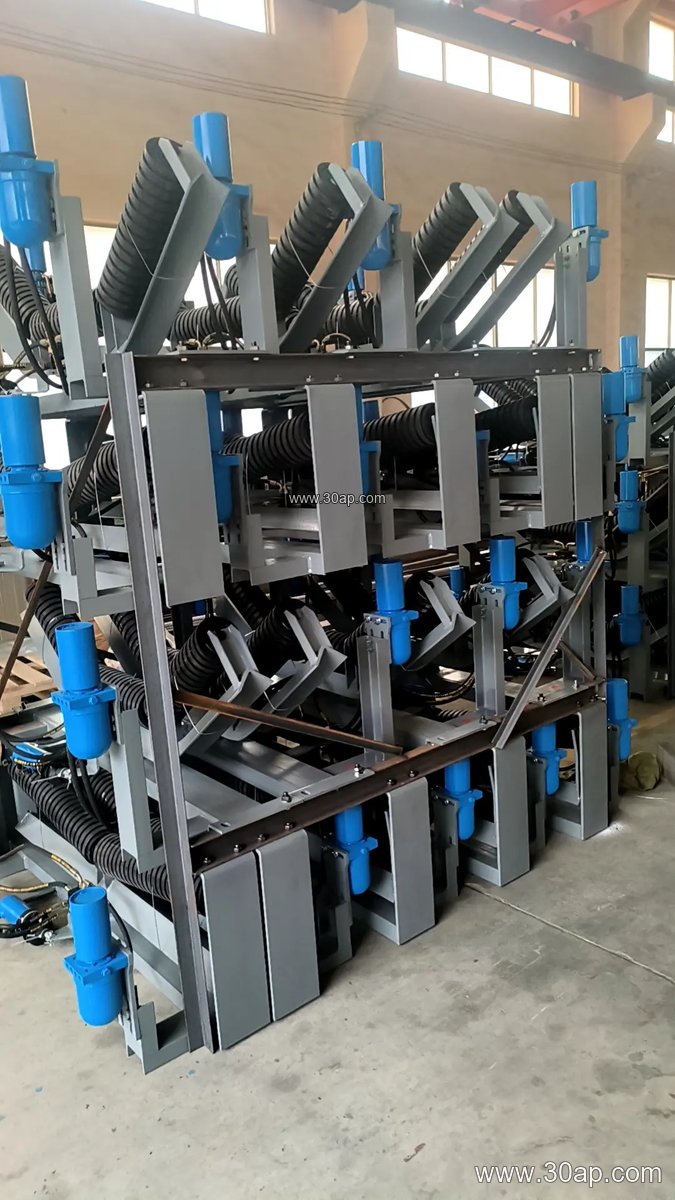
Construction and Materials
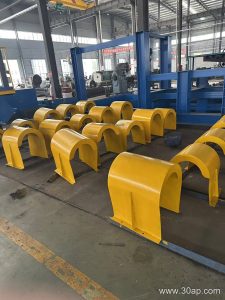
Most parallel idler brackets are fabricated from angle steel, channel steel, or bent steel plate. The frame usually includes a cross beam, mounting pads or slots for the idler shaft, and holes for fixing to the conveyor stringer. Welded or bolted designs both exist, and some units are supplied with adjustable slots so the roller position can be fine-tuned during installation.
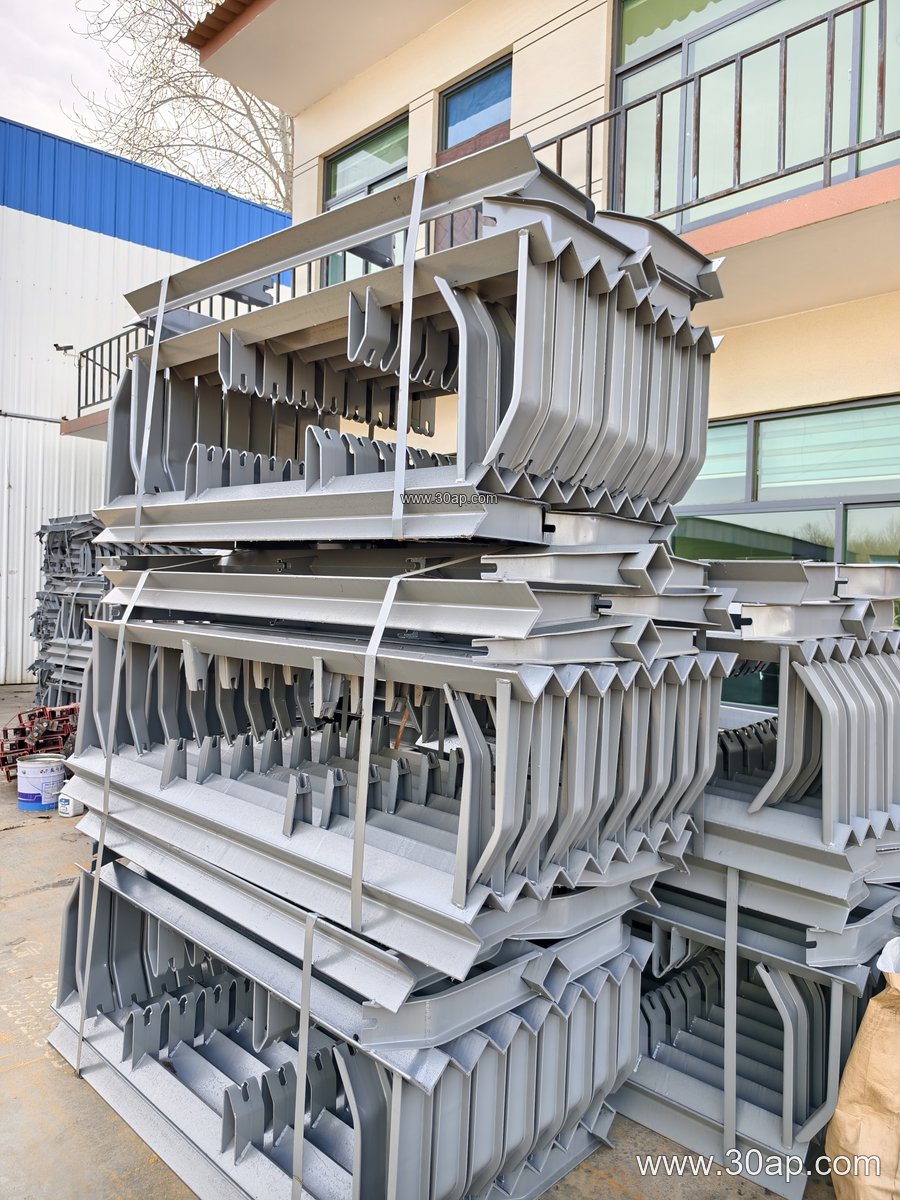
Because the bracket carries a share of the belt and material load, the steel thickness and weld quality matter. A heavy-duty design is common on high-capacity lines such as an iron ore conveyor or a power plant conveyor, while lighter frames may be adequate for smaller sand and gravel operations. Surface treatment, such as painting or galvanizing, is usually specified according to the site environment.
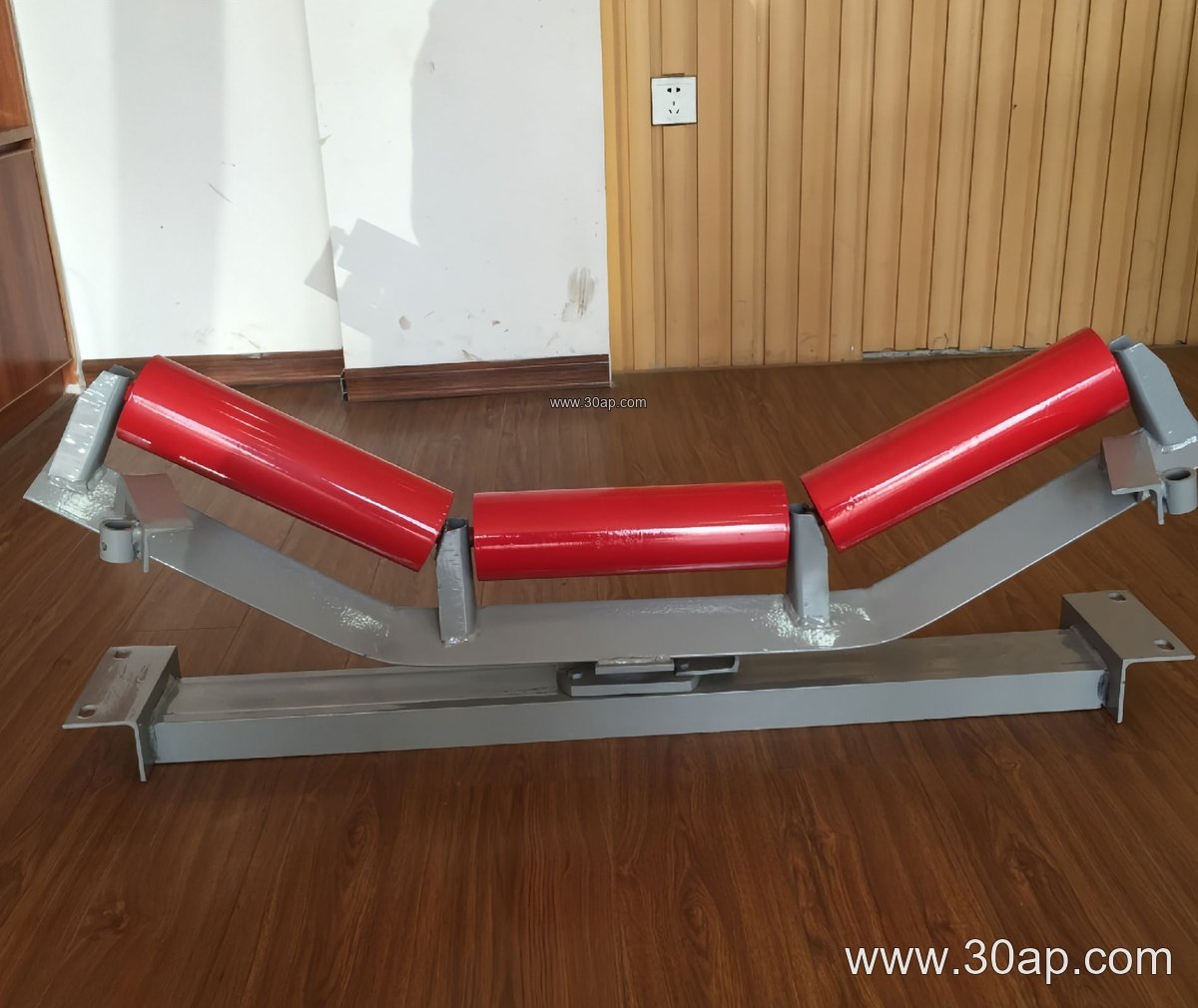
Where It Fits on the Conveyor
Parallel brackets appear in several places. On the carrying side, they support flat belt sections before and after transition zones, or along runs where a flat profile is required. On the return side, they hold return idlers and help control sag. They are also used near loading points where a stable, level roller line helps the belt settle after impact.
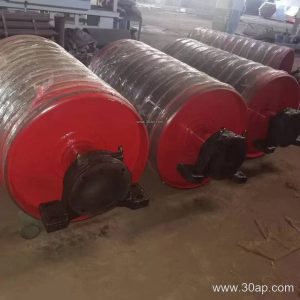
Typical industries include limestone mines, aggregate plants, cement works, steel mills, and port terminals. In a tunnel mucking line or a fertilizer warehouse, a compact parallel bracket can simplify the frame layout where space is tight. The bracket is usually paired with a conveyor pulley at the head or tail and with idler roller assemblies along the run.
Matching Bracket to Belt and Roller
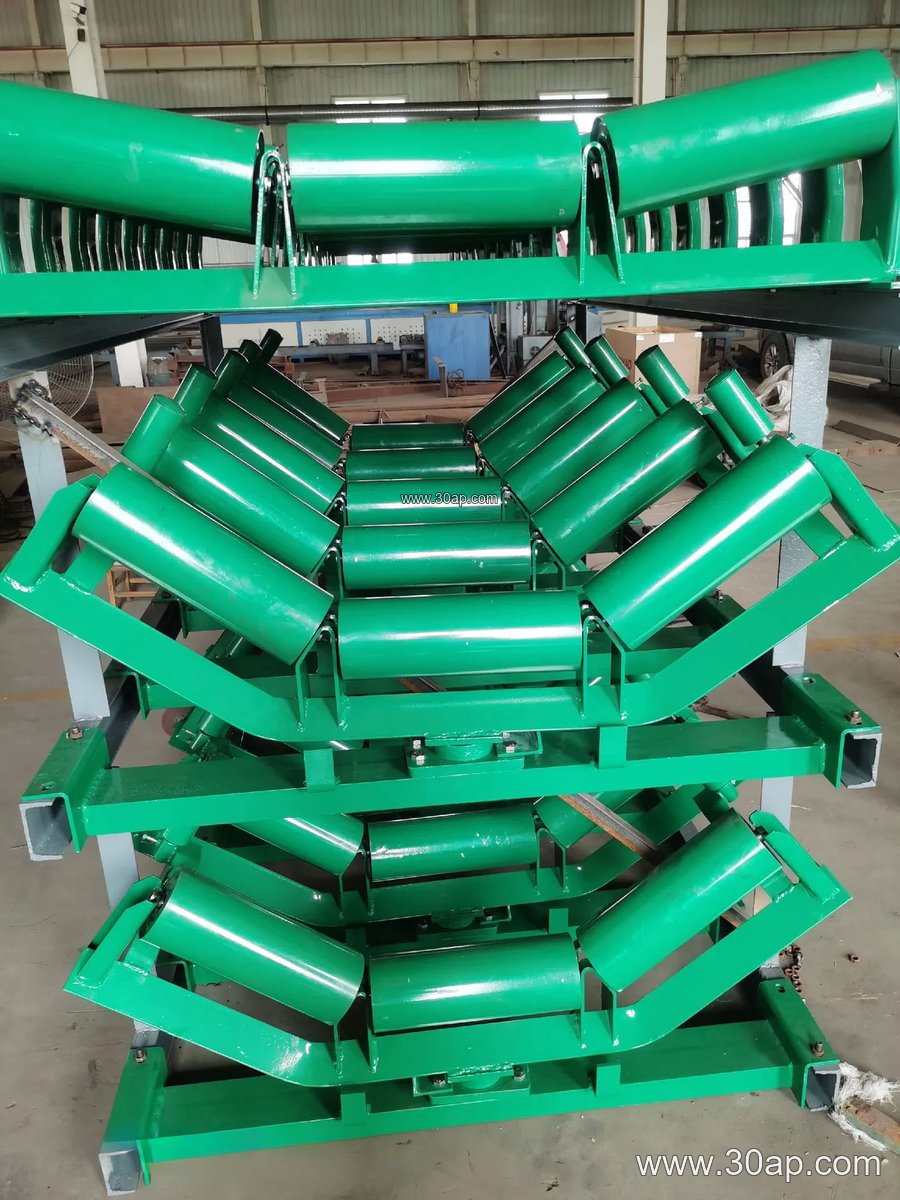
Selection starts with the belt width and the roller diameter, then moves to the mounting hole spacing and cross beam length. These dimensions are determined by the conveyor design, not by a single universal rule. A B800 belt may run with a Ø108 roller on one conveyor and a different roller on another, depending on load and speed. The table below shows common reference combinations; actual values should be confirmed against the conveyor drawing.
| Belt width | Typical roller diameter | Bracket note |
|---|---|---|
| B500 / B650 | Ø89 | Compact frame, light to medium duty |
| B800 / B1000 | Ø108 / Ø133 | Standard flat support, common in aggregate plants |
| B1200 / B1400 | Ø133 / Ø159 | Heavier beam, check hole spacing |
| B1600 / B1800 | Ø159 / Ø194 | Heavy-duty frame for high tonnage |
| B2000 and above | Ø194 | Engineered design, confirm with supplier |
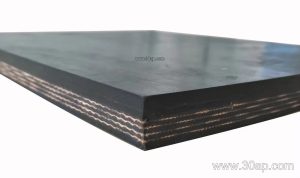
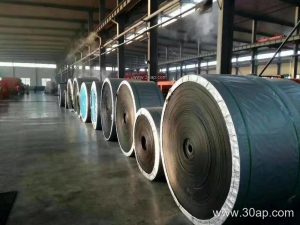
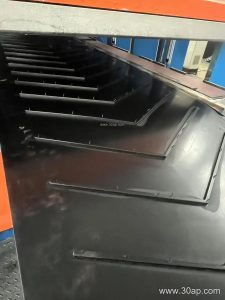
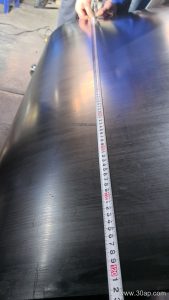
Belt construction also matters. A steel cord conveyor belt on a long overland run may need a stiffer support line than a multi-ply fabric core conveyor belt on a short transfer. For abrasive duties, an abrasion resistant conveyor belt reduces wear, but the bracket still has to keep the rollers square to the belt.
Buyer Checklist
- Confirm belt width, roller diameter, and mounting hole spacing from the conveyor drawing.
- Decide between fixed and adjustable designs; adjustable slots help with field alignment.
- Check steel grade, plate thickness, and surface treatment for the site environment.
- Match the bracket to the roller type, whether a standard carrying idler or a return roller.
- Ask for a dimensional drawing before ordering, especially on wide belts.
On a coal mining conveyor or a crusher discharge line, a well-fitted parallel bracket keeps the belt line straight and reduces unnecessary roller movement. It is a small part, but it pays back through steadier tracking and longer component life. For related conveyor components, see the roller and pulley ranges at www.example.com/parallel-idler-bracket and the belt options at www.example.com/conveyor-belt.