What a Mining Ceramic Lagged Pulley Does
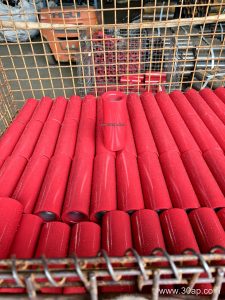
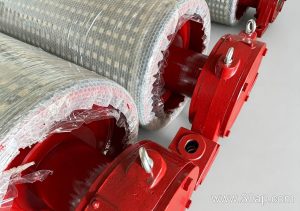
A mining ceramic lagged pulley is a conveyor pulley whose shell is covered with ceramic tiles set in a rubber or polymer matrix. This ceramic lagging is bonded to the drum surface to raise friction between the pulley and the conveyor belt. In quarry and coal handling circuits, the drive pulley must transmit torque without slipping, especially when the belt is wet, dusty, or carrying abrasive rock. The ceramic lagging also resists wear from fine particles that would quickly polish a plain steel shell.
While a standard rubber lagged pulley works well in many positions, the ceramic version is chosen where slip risk and abrasion are both high. It is not a replacement for a tail pulley or a bend pulley; each position has its own load profile and lagging requirement. The ceramic lagged drum is most often used as a drive or head pulley, but it can also appear on tension pulleys in demanding layouts.
Construction and Surface Details
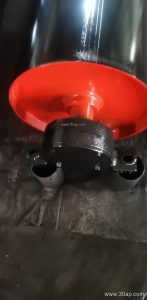
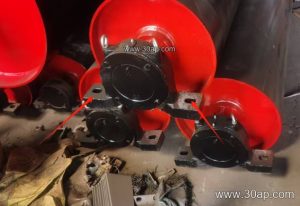
The pulley body is typically a welded steel drum with machined end discs and a shaft sized by torque and load. Ceramic tiles are embedded in a lagging layer that is usually 8 to 20 mm thick. Common surface patterns include diamond and herringbone, but the ceramic tile layout itself is the key feature. Tiles are arranged with small gaps to allow flex and drainage, and the bond must withstand repeated belt pressure.
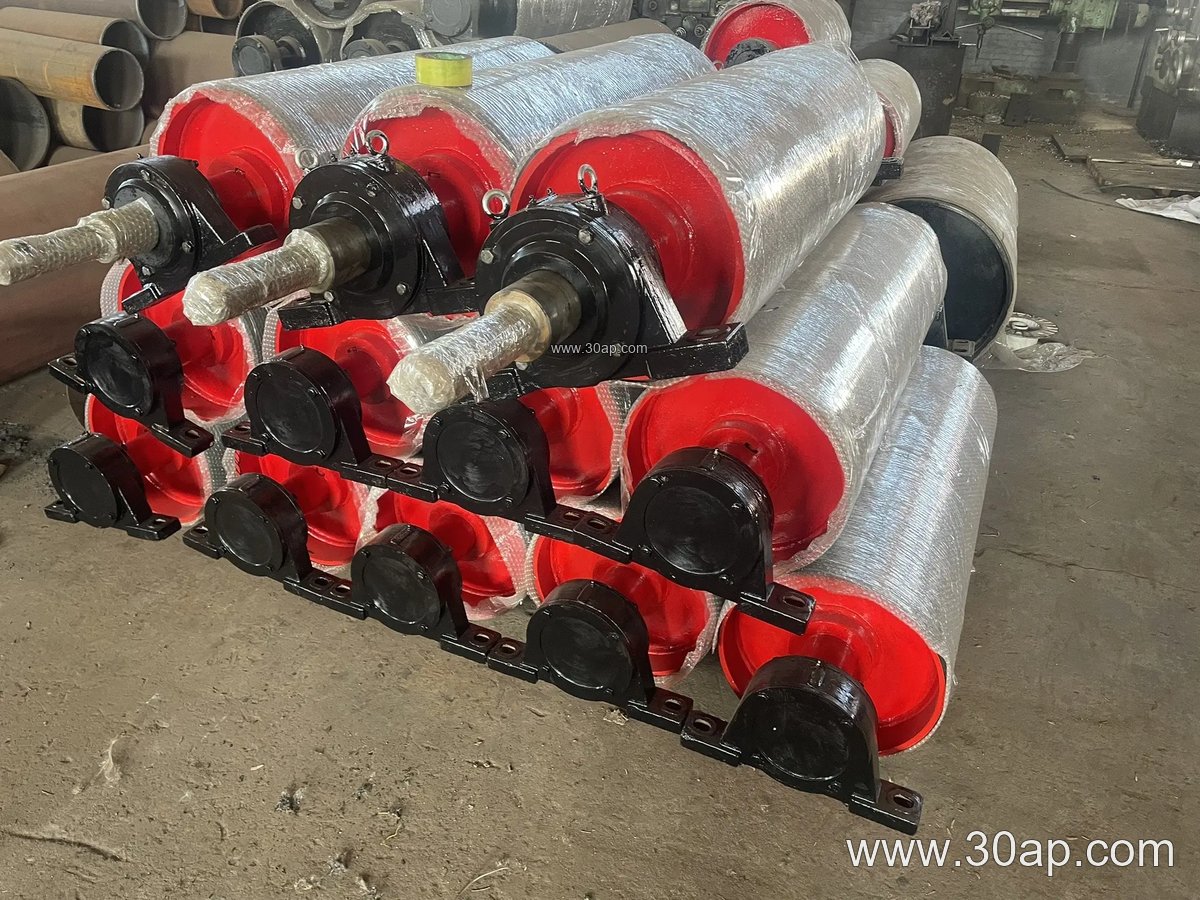
Typical pulley diameters for this product range from Ø200 to Ø1800, and face widths are normally wider than the belt. For example, a B800 belt often uses a pulley face around 950 mm, while a B1200 belt may use about 1400 mm. These are common references, not fixed rules; final dimensions are set by the conveyor designer. Shaft diameters such as Ø80, Ø100, or Ø120 are selected from torque and bearing load, not from belt width alone.
Where It Fits in Bulk Handling
In a limestone quarry, a ceramic lagged drive pulley on the main incline conveyor helps maintain grip when rain or wash water reaches the belt. In a coal preparation plant, the same drum type is used on conveyors that carry damp coal and fines. The ceramic surface is also seen in cement plants and power plant coal yards where dust and abrasive material shorten the life of plain rubber lagging.
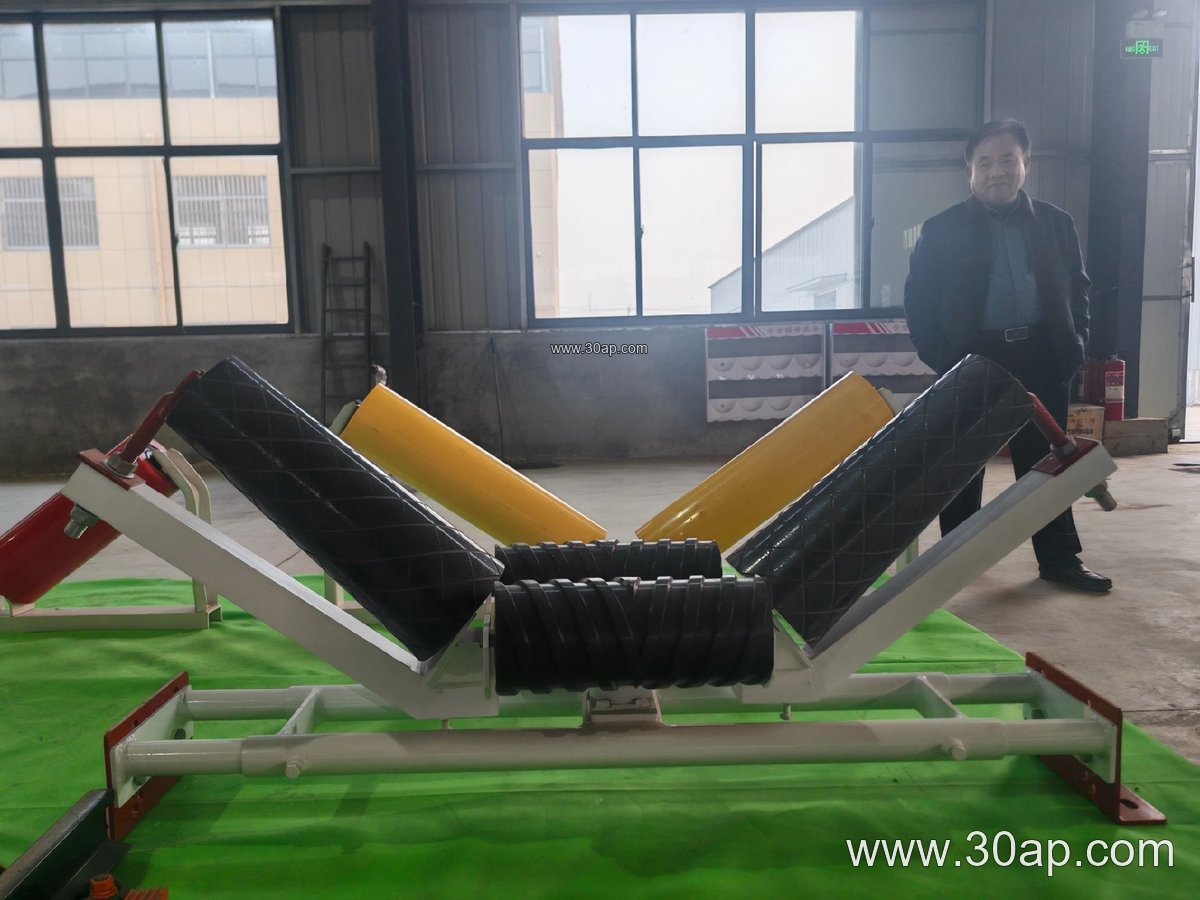
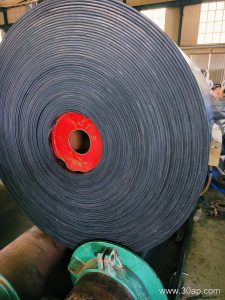
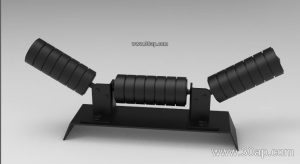
The pulley works together with the conveyor belt, idler roller, and conveyor bracket system. A heavy-duty mining conveyor belt, such as an EP conveyor belt or a steel cord conveyor belt, may be paired with a ceramic lagged drive pulley to handle high tension. In underground coal mining, flame retardant conveyor belt and anti-static conveyor belt grades are common, and the pulley lagging must be selected to suit the same environment.
Selection and Maintenance Notes
Buyers should confirm the belt width, pulley diameter, shaft size, lagging thickness, and surface pattern with the conveyor design. A ceramic lagged pulley is not automatically the best choice for every drive; very high tensions or small diameters may call for other lagging styles. During maintenance, inspect the ceramic tiles for cracks or missing pieces and check the bond at the edges. Keep the belt tracking correct so the lagging wears evenly.
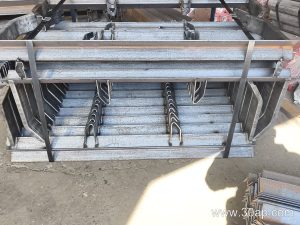
Related equipment such as the conveyor pulley frame and conveyor bracket should be checked for alignment when a new pulley is installed. For abrasive bulk material, a combination of a mining ceramic lagged pulley and an abrasion resistant conveyor belt often gives a longer service interval than plain rubber lagging alone.