What a Belt Conveyor Trough Idler Does
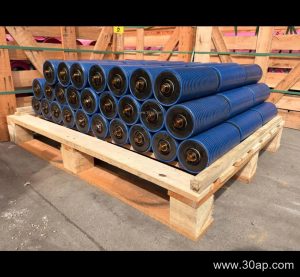
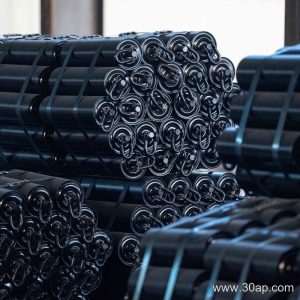
A belt conveyor trough idler is the rotating assembly that supports the loaded side of a conveyor belt and shapes it into a trough. Three rolls mounted in a frame form the familiar three-roll troughing set, and the angled side rolls lift the belt edges so bulk material stays centered during transport. In a quarry, a cement plant, or a power plant coal yard, this component carries the full weight of the belt plus the material and keeps the belt line running true.
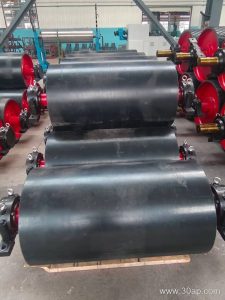
The same product is also called a troughing idler or carrying idler. It belongs to the carrying section of a conveyor, not to the return run and not to the pulleys. A drive pulley, tail pulley, or bend pulley turns the belt and transmits power; a trough idler only supports and guides it. Buyers comparing components should keep that distinction clear, because the two families are specified differently.
How the Troughing Set Is Built
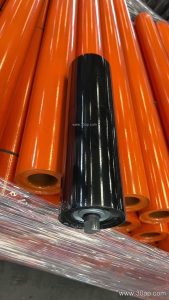
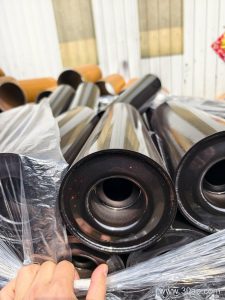
A typical set includes two or three idler rollers, a frame, and shaft ends that locate in the conveyor bracket. Each roll usually has a steel tube shell, a shaft, bearing housings, and a sealing arrangement. Roll surface options include plain steel, nylon, ceramic, and rubber rings; rubber-covered rolls are common in impact zones where lumps fall onto the belt.
Sealing and bearing choice matter more than many buyers expect. Dust from limestone, iron ore, or sand and gravel is the main enemy of bearing life. Labyrinth seals and well-greased bearing cavities slow contamination. Common bearing sizes include 6204, 6205, 6305, 6306, 6308, and 6310, but a given roll diameter can use more than one bearing size depending on load and design.
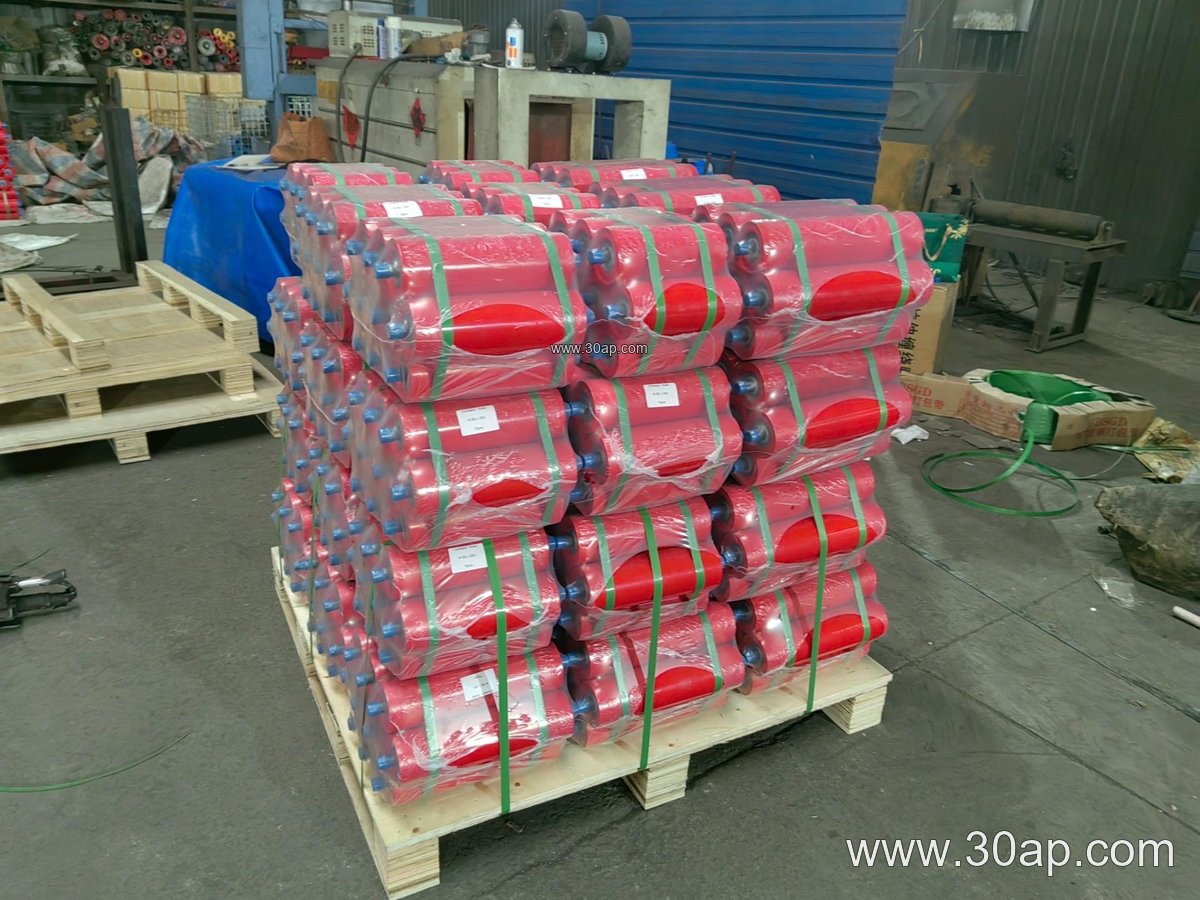
Trough Angle and Roll Geometry
The trough angle determines how deeply the belt is cupped. Common angles are 20, 30, 35, and 45 degrees. A deeper trough increases capacity and reduces spillage for fine, free-flowing material, while a shallower angle suits wider belts and some lumpy loads. The roll length changes with belt width and with the number of rolls in the set. The table below gives typical reference values for three-roll sets; side rolls and center rolls may differ, and final dimensions are set by design.
| Belt width | Typical roll length for a three-roll set | Common idler diameter range |
|---|---|---|
| B500 | about 200 mm | Ø63 to Ø89 mm |
| B650 | about 250 mm | Ø76 to Ø108 mm |
| B800 | about 315 mm | Ø89 to Ø127 mm |
| B1000 | about 380 mm | Ø102 to Ø133 mm |
| B1200 | about 465 mm | Ø108 to Ø159 mm |
| B1400 | about 530 mm | Ø127 to Ø178 mm |
| B1600 | about 600 mm | Ø133 to Ø194 mm |
| B1800 | about 670 mm | Ø159 to Ø219 mm |
| B2000 | about 750 mm | Ø178 to Ø219 mm |
These figures are reference data, not fixed matches. A B1200 conveyor may use a larger roll diameter in a heavy-duty mining duty, and a short transfer point may use a smaller one. The trough idler should be selected together with belt tension, material density, and the load carried at each station.
Related Idler Variants in the Same Run
Troughing sets are not the only rolls on a conveyor. At the tail end, impact idlers with rubber rings absorb the drop from a crusher or screen. On the return side, flat or V-return idlers support the empty belt. Self-aligning idlers correct belt wander on long runs. These variants share the same shaft and bracket interface in many designs, but they are not substitutes for the trough idler in the carrying section.
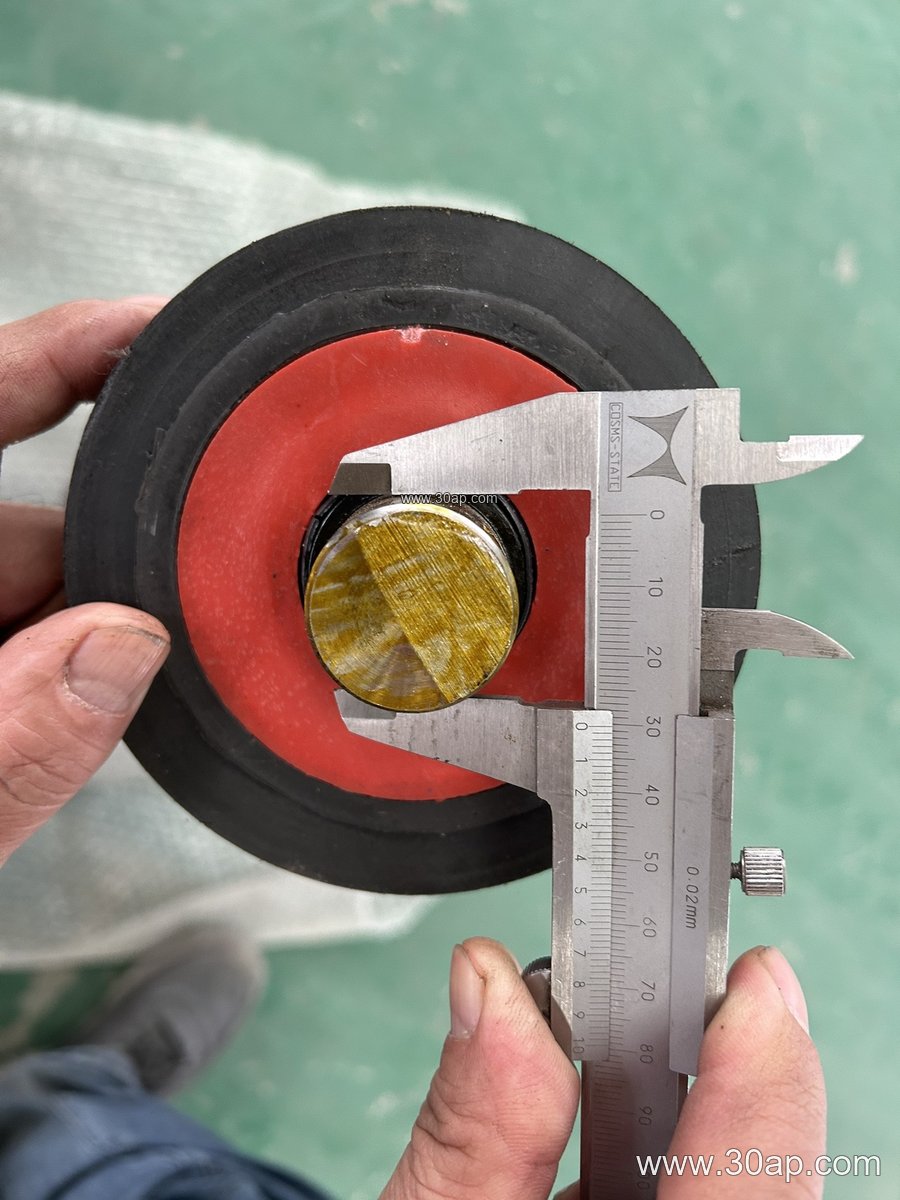
Transition idlers, placed near the head and tail, gradually change the belt from flat to troughed. Their angle progression protects belt edges from abrupt bending. When specifying a full conveyor, list the trough sets, transition sets, impact sets, and return sets separately so the supplier can match each group to its duty.
Where Trough Idlers Are Used
In a limestone quarry or aggregate line, troughing sets carry crushed rock from the crusher discharge to the stockpile. Spacing is often tighter near the loading point and wider along the straight run. In a coal-fired power plant, the same component supports the coal stream on the yard conveyor, where flame retardant and anti-static belt grades are often required. The idler itself must roll freely and resist dust ingress in both environments.
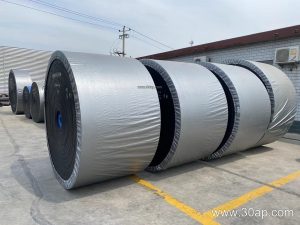
Other common settings include cement kiln feed lines, iron ore and copper ore handling, port ship loading, and tunnel spoil removal. In each case the belt may be an EP conveyor belt, an NN conveyor belt, or a steel cord conveyor belt, and the trough idler must suit the belt stiffness and the load profile. A heavy-duty mining conveyor belt carrying dense ore needs a robust roll and frame; a lighter fabric core belt on a short transfer may need less.
Buyer Checklist
- Confirm belt width and the required trough angle before ordering rolls.
- State the material, lump size, and expected load per station so the roll diameter and bearing can be checked.
- Ask for the sealing arrangement and lubrication plan, especially for dusty quarry or coal duty.
- Check that the frame fits the existing conveyor bracket and shaft mounting.
- Order impact and transition sets separately from the standard troughing sets.
- Keep spare rolls in common diameters to simplify maintenance.
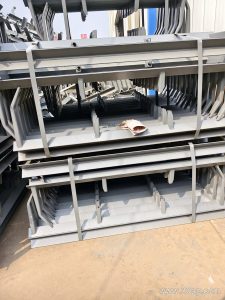
For a complete conveyor package, the trough idler works alongside the conveyor belt, the conveyor pulley, the idler roller on the return run, and the conveyor bracket that ties everything to the structure. Matching these parts at the design stage avoids field modifications and keeps the material stream moving.