What Is a Four-Roll Idler Bracket
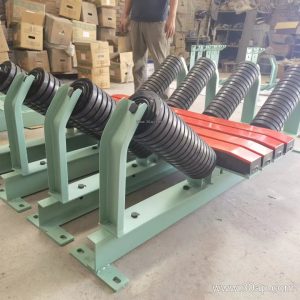
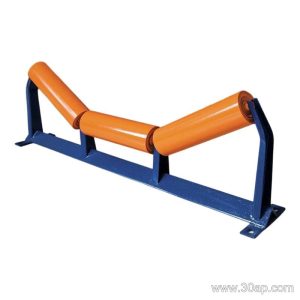
A four-roll idler bracket is a support frame that carries four idler rollers under a conveyor belt. Unlike a conventional three-roll troughing set, this bracket uses four rolls to form a deeper, wider trough or to support the belt across a broader contact area. It is typically mounted on the conveyor’s main frame and holds the idlers at a fixed or adjustable trough angle. The bracket itself is a welded or bolted steel structure, often made from angle steel, channel steel, or folded steel plate. In a typical bulk material handling line, the four-roll idler bracket works together with the conveyor belt, idler roller, and conveyor pulley to keep the belt aligned and supported.
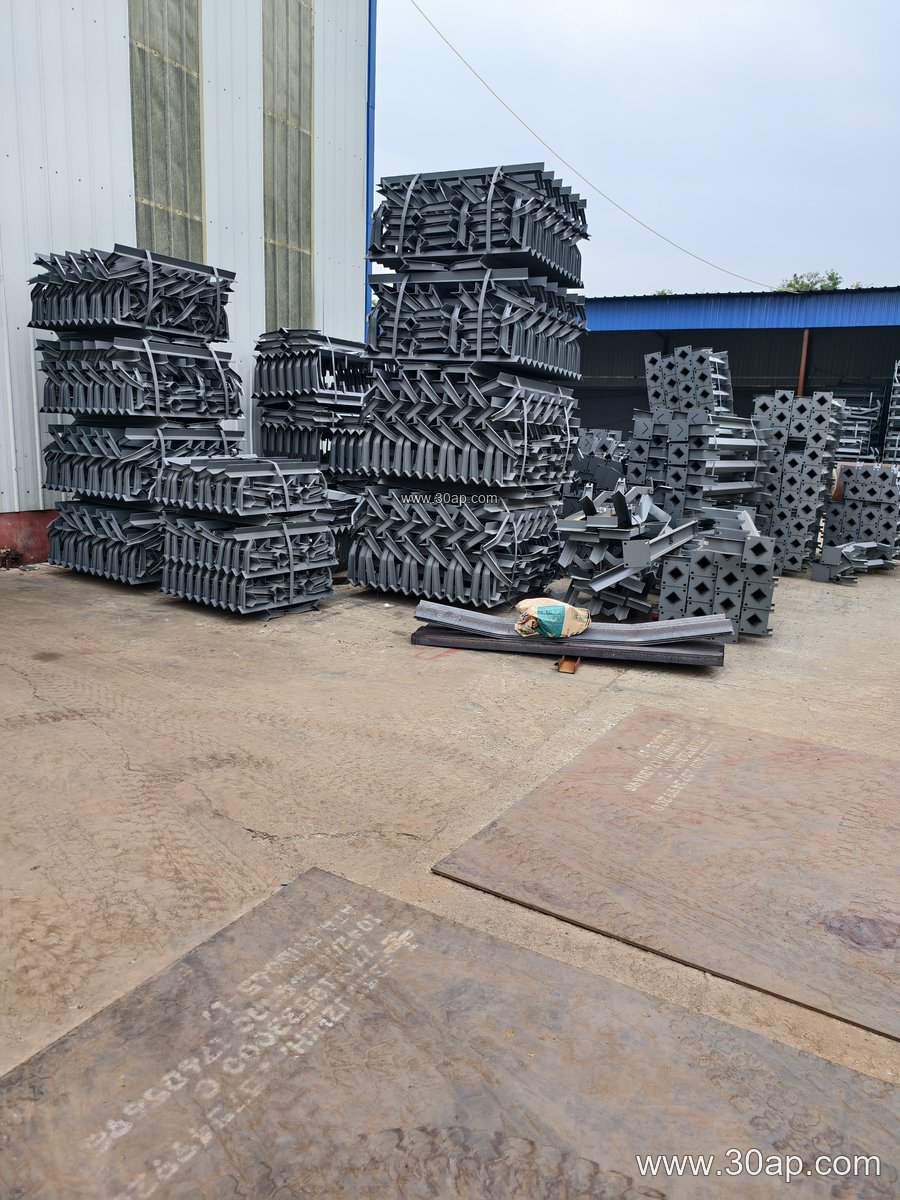
Construction and Mounting
The bracket usually consists of a crossbeam, two side wings, and idler mounting slots. The crossbeam length and hole spacing are determined by the belt width and the required trough angle. Common belt widths include B500, B650, B800, B1000, B1200, B1400, B1600, B1800, B2000, B2200, but the exact dimensions of a four-roll idler bracket are always made to match the conveyor design. The bracket may be fixed or adjustable. Adjustable versions allow the trough angle to be set between 20, 30, 35, and 45 degrees, and some designs include a slight forward tilt of about 1.5 to 2 degrees to help center the belt. The idler diameter is selected separately, with common sizes such as Ø89, Ø108, Ø133, Ø159, and Ø194. A typical combination might be B800 with a 35-degree trough and Ø108 idlers, but other combinations are equally valid depending on the load and belt speed.
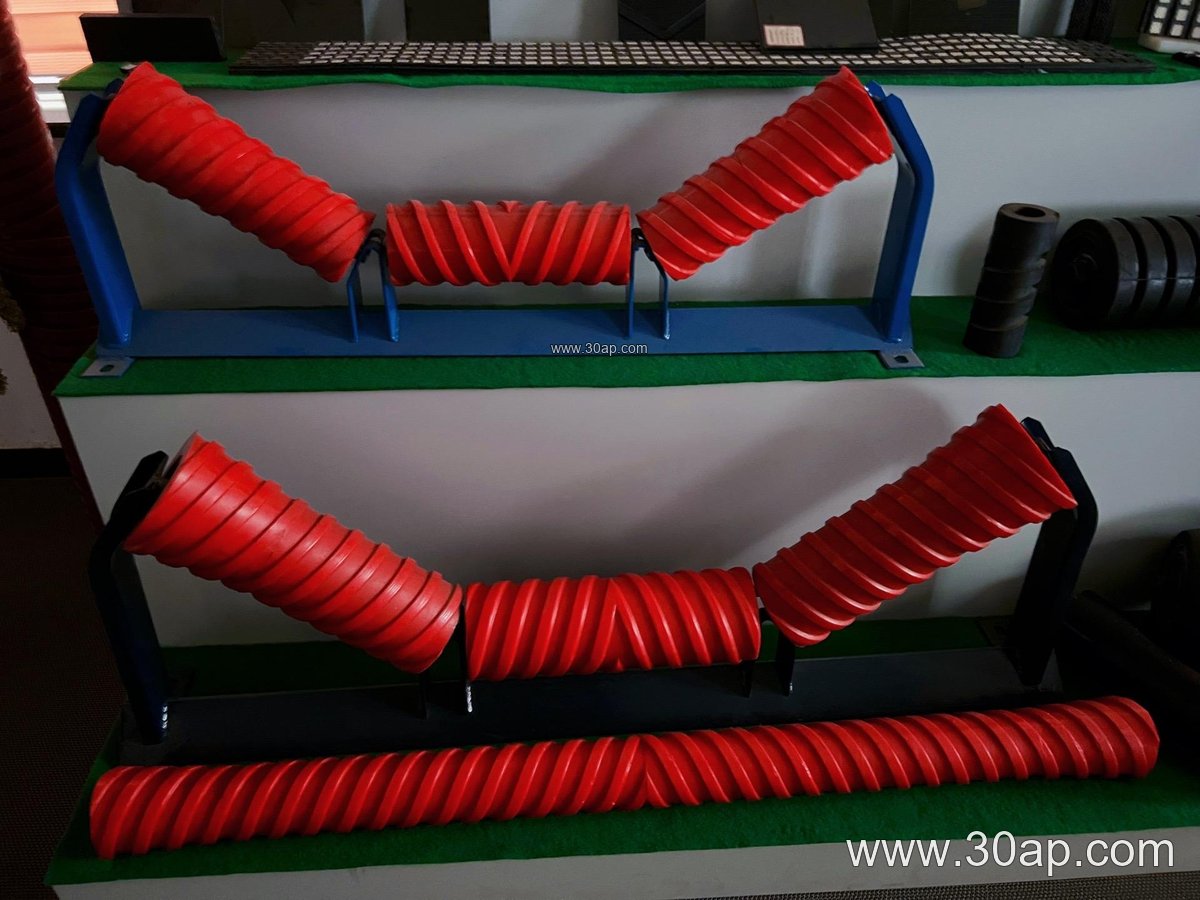
Where It Is Used
Four-roll idler brackets appear in applications where the belt needs extra support or a wider trough. In a limestone quarry or a sand and gravel line, they can be found on the main haulage conveyor after the crusher, where the belt carries heavy, abrasive rock. In a coal washing plant, they help keep a flame retardant conveyor belt or a PVG conveyor belt centered on the structure. The bracket is also used in cement plants, power plant coal handling, and port loading systems. While a three-roll bracket is more common for standard loads, the four-roll design offers additional stability when the belt is wide or the material is unevenly distributed.
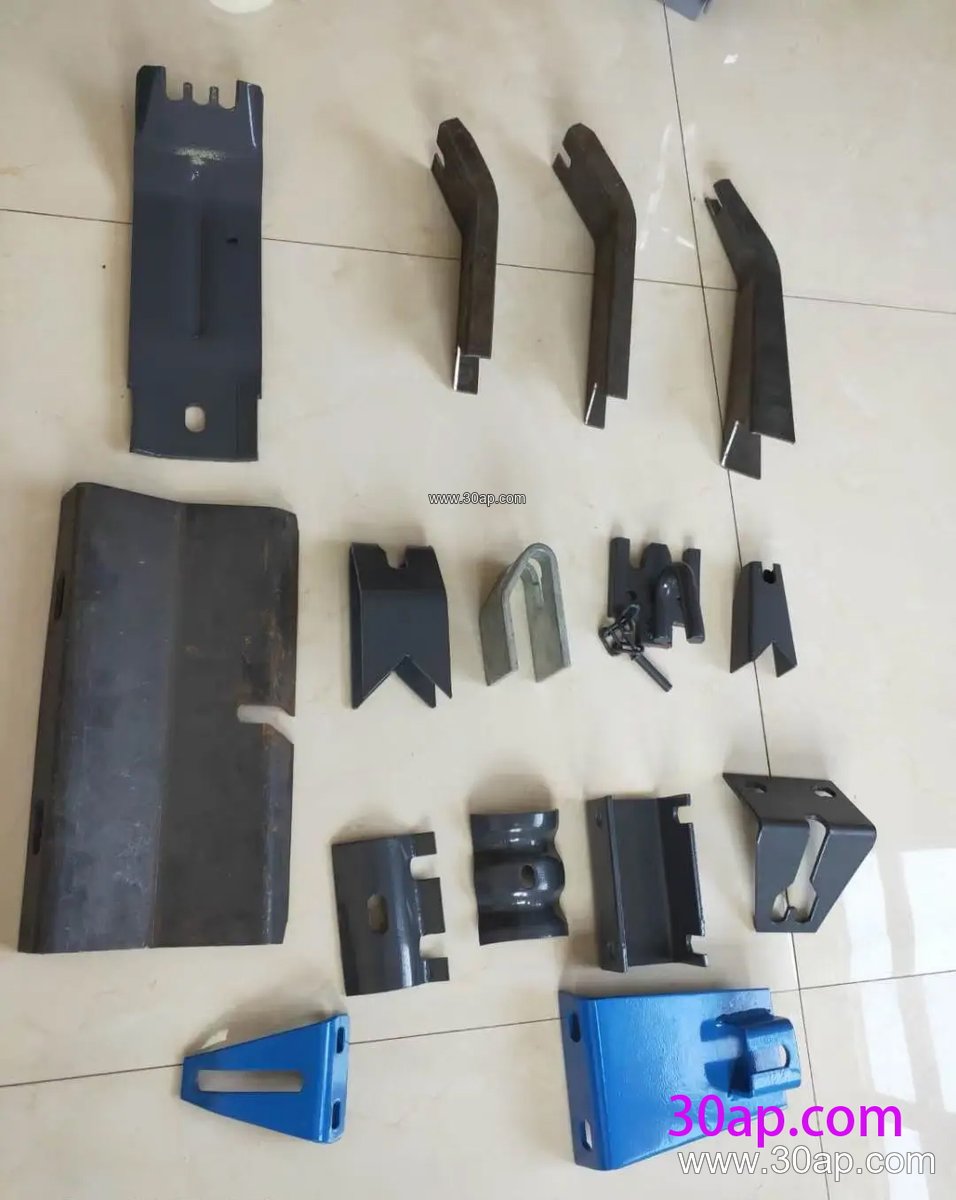
Selection and Compatibility
Choosing a four-roll idler bracket starts with the belt width and the required trough angle. The bracket must match the conveyor frame and the idler roller diameter. For example, a B1200 belt with a 45-degree trough might use Ø133 idlers, while a B650 belt with a 30-degree trough could use Ø89 idlers. The bracket material and thickness should suit the load and environment. In dusty or corrosive conditions, a galvanized or painted finish may be preferred. The four-roll bracket is not a replacement for a drive pulley, tail pulley, or bend pulley; those are separate components. It is also different from a three-roll troughing bracket, which remains the standard choice for many conveyors. When specifying a four-roll bracket, provide the belt width, trough angle, idler diameter, and mounting hole pattern to ensure a proper fit.
Maintenance and Buyer Tips
Regular inspection of the four-roll idler bracket includes checking for loose bolts, bent wings, and worn mounting slots. Because the bracket supports multiple idlers, misalignment can cause belt tracking problems and premature wear on the conveyor belt. Buyers should confirm that the bracket is designed for the actual belt width and idler size, not just a nominal figure. It is also useful to ask whether the bracket is fixed or adjustable, and whether it is supplied with or without idlers. In industries such as iron ore mining, aggregate production, and tunnel excavation, the four-roll idler bracket can be a practical solution for stable belt support. For more information on related components, visit our site for conveyor belt, idler roller, and conveyor pulley options.