What a Power Plant Conveyor Idler Does
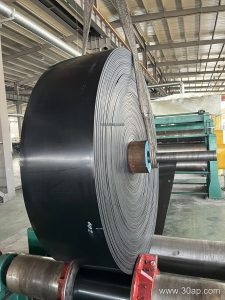
In a coal-fired power plant, the journey from stockpile to boiler starts on a conveyor belt. The power plant conveyor idler is the small rotating component that supports that belt along the entire route. Sometimes called a conveyor roller or idler roller, it keeps the belt aligned, reduces friction, and carries the weight of coal without letting the belt sag. Without a reliable set of idlers, even a well-built conveyor pulley and drive system would struggle to move material efficiently.
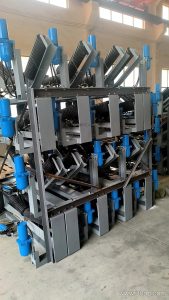
These idlers are not one-size-fits-all. They come in troughing, return, impact, and self-aligning designs, each suited to a different part of the conveyor line. A typical coal handling system might use three-roll troughing idlers on the carrying side, flat return idlers underneath, and rubber-disc impact idlers at the transfer point where coal drops onto the belt.
Construction and Key Components
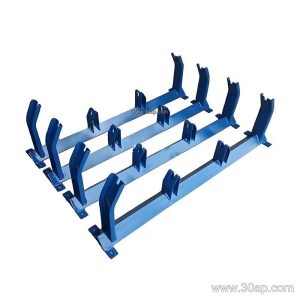
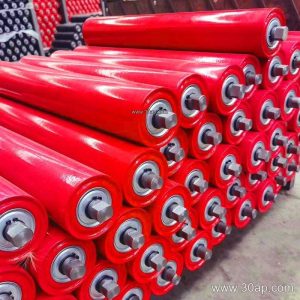
A power plant conveyor idler is built around a steel tube shell, often with a protective coating or rubber discs depending on the application. Inside, sealed bearings (common sizes include 6204, 6205, 6305, and 6308) sit in a housing that keeps dust and moisture out. The shaft runs through the center, and the ends are fitted with brackets that lock into the conveyor frame.
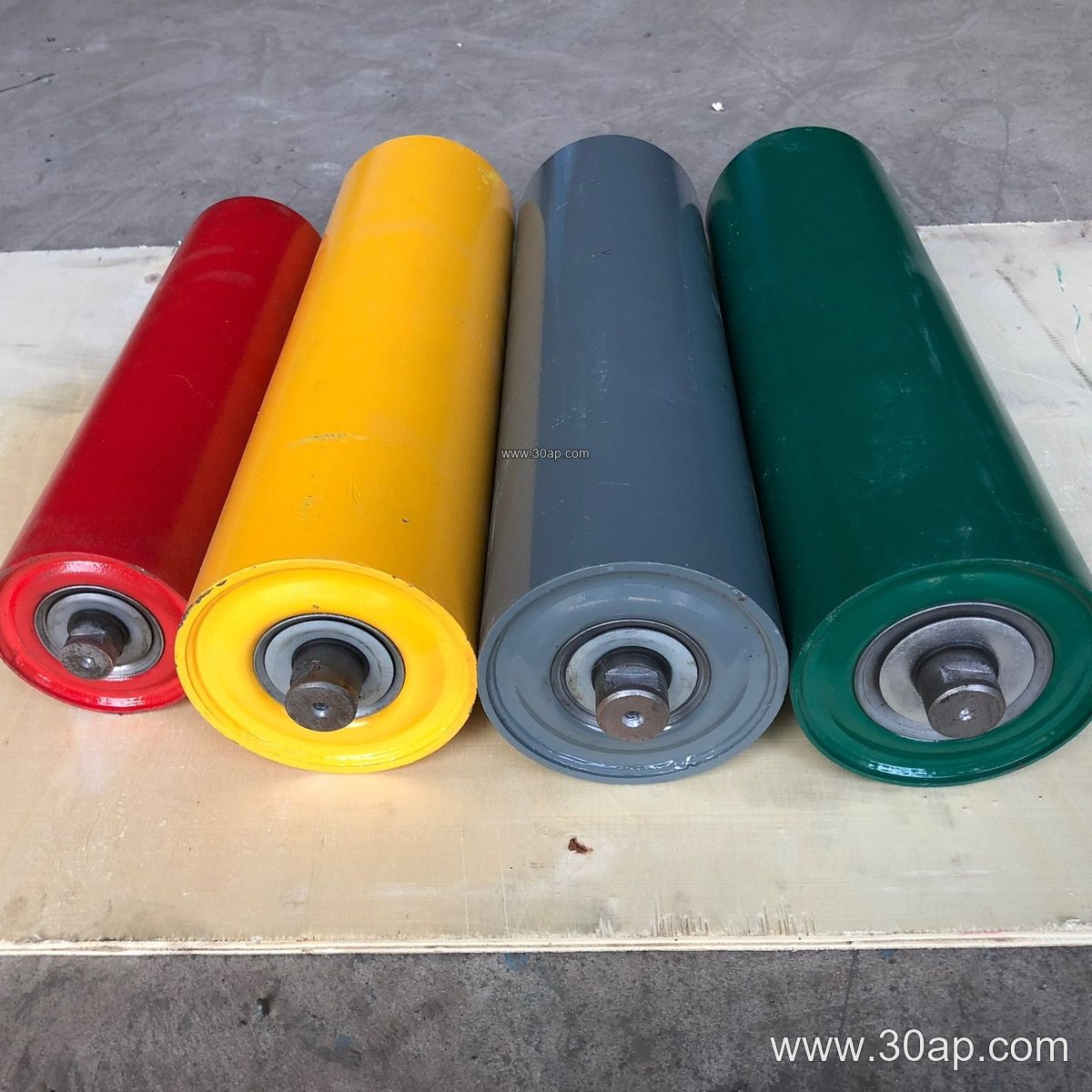
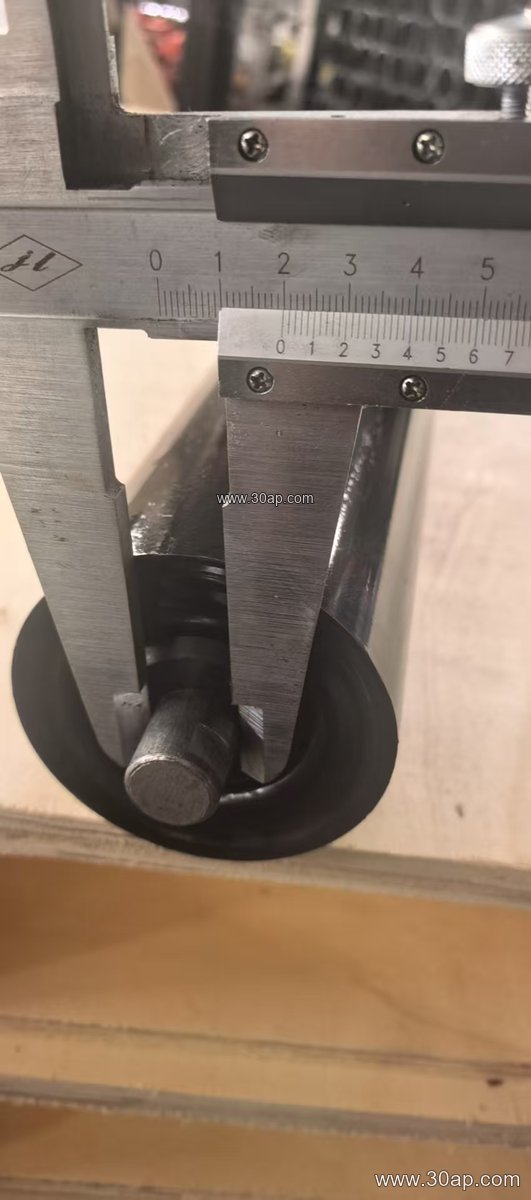
Roller diameter is usually selected based on belt width and load. Common diameters range from Ø63 mm for light-duty lines up to Ø219 mm for heavy coal handling. Belt widths in power plants often fall between B800 and B1600, though wider belts are used in high-capacity stations. The idler length changes with belt width and trough angle—for example, a three-roll troughing set on a B1000 belt commonly uses rolls around 380 mm long, but final dimensions are always confirmed by the conveyor designer.
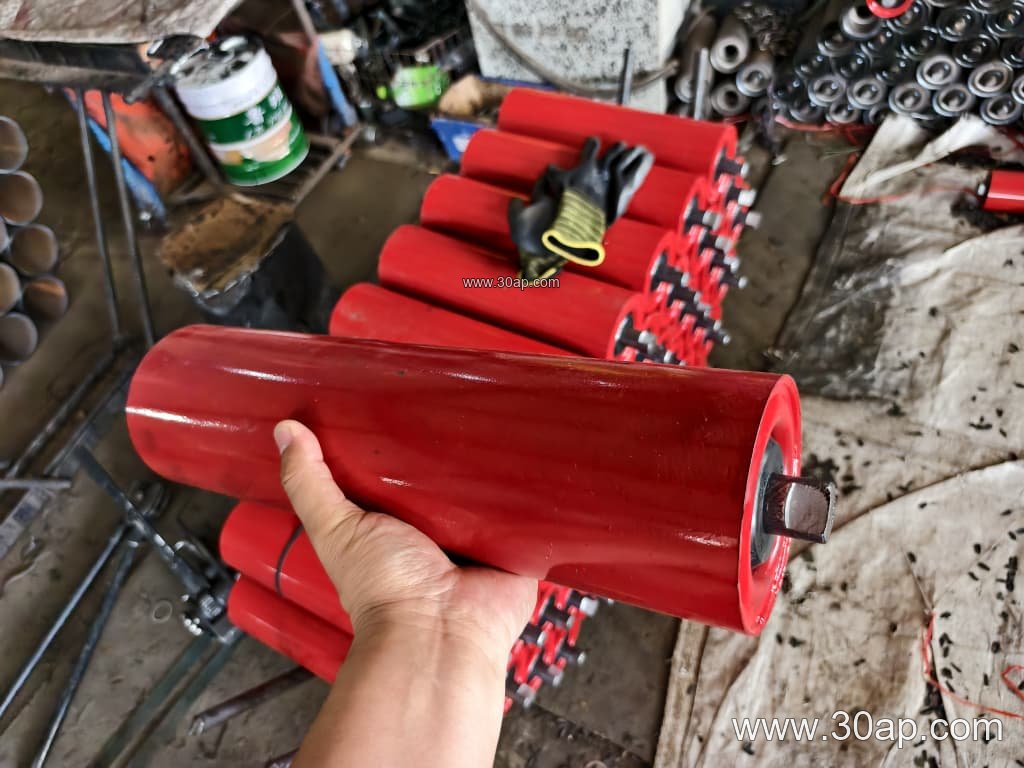
Surface options matter too. Steel rolls are standard, but nylon or ceramic-covered rolls can reduce build-up in sticky conditions. Rubber-disc impact idlers absorb the shock of falling coal and protect the belt from damage.
Where These Idlers Are Used
Coal handling is the most common home for power plant conveyor idlers, but they also appear in limestone and gypsum transport, ash removal, and biomass feed lines. In a coal mining conveyor belt system that feeds the plant, idlers face abrasive dust and occasional wet conditions. The same idler design might be found in a cement plant or a port terminal, though the specific roll diameter and bearing choice will differ.
For lines that carry hot material, such as bottom ash, heat resistant conveyor belt grades may be paired with idlers that can tolerate elevated temperatures. In cold climates, cold resistant conveyor belt and idlers with low-temperature grease are used together.
Choosing the Right Idler for the Application
Buyers should start with the belt width, trough angle, and expected load. A 30-degree trough is common for coal, while 35 or 45 degrees may be used for higher capacity. The idler diameter should match the belt speed and the size of lumps being carried. Impact idlers belong at load points; self-aligning idlers help on long runs where belt wander is a risk.
Sealing quality is critical in dusty power plants. Look for idlers with effective labyrinth seals and bearings that are pre-lubricated for life. The roller shell thickness and shaft diameter should be appropriate for the duty—never assume a fixed shaft size from belt width alone.
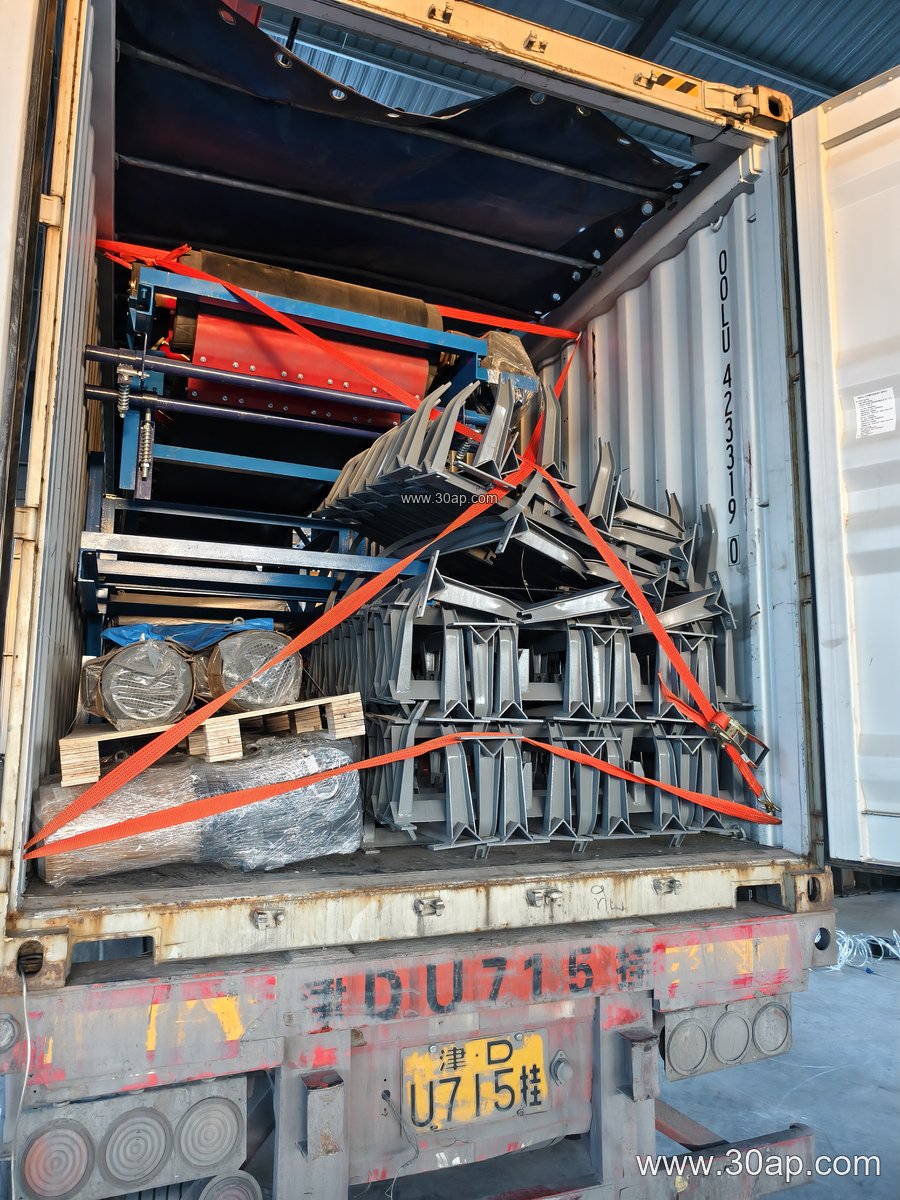
Maintenance crews should check for seized rollers, worn shells, and misaligned frames. Replacing a few idlers early can prevent belt edge damage and reduce the load on the conveyor pulley.
Common Idler Specifications at a Glance
| Parameter | Typical Range |
|---|---|
| Roller diameter | Ø63 to Ø219 mm |
| Belt width | B500 to B2400 mm |
| Trough angle | 20°, 30°, 35°, 45° |
| Bearing sizes | 6204, 6205, 6305, 6306, 6308, 6310 |
| Roll surface | Steel, nylon, ceramic, rubber disc |
These values are reference examples, not fixed combinations. Always confirm with the conveyor manufacturer or a qualified engineer.
Buyer Checklist
- Confirm belt width and trough angle before ordering idler sets.
- Specify impact idlers for transfer points and self-aligning idlers for long conveyors.
- Check bearing seals for dust and moisture protection.
- Match roller surface to material characteristics—abrasive, sticky, or hot.
- Keep spare idlers and brackets on hand to minimize downtime.
For more information on conveyor components, visit our site at www.example.com/conveyor-idler or explore related equipment like the conveyor belt, idler roller, and conveyor bracket.