What an Integral Pulley Is
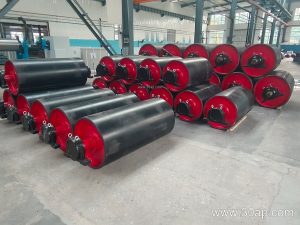
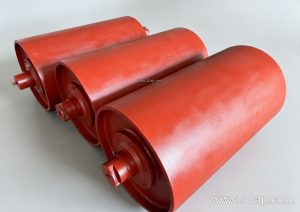
An integral pulley is a conveyor drum whose shell, hub, and end discs are manufactured as a single welded unit rather than assembled from bolted or shrink-fitted components. In many plants this is also called a one-piece conveyor pulley, a welded drum pulley, or a solid-shell pulley. The key point is that the shell and the end plates form one continuous structure, which helps the drum carry high radial loads without loosening joints. Whether the unit sits at the head, tail, or a bend point, the integral design keeps the pulley body stiff and concentric under tension from the conveyor belt.
Construction Details
Most integral pulleys start with a rolled steel shell, machined end discs, and a through shaft or stub shafts welded into the hub. After welding, the shell is usually turned to reduce runout before any lagging is applied. Surface preparation matters because the covering must bond to a clean, round face. Common surface forms include plain finish, hot-vulcanized rubber lagging, cold-bonded rubber, diamond grooving, herringbone grooving, and ceramic tiles. Lagging thickness is often 8, 10, 12, 15, or 20 mm, selected according to the duty and the material being carried.
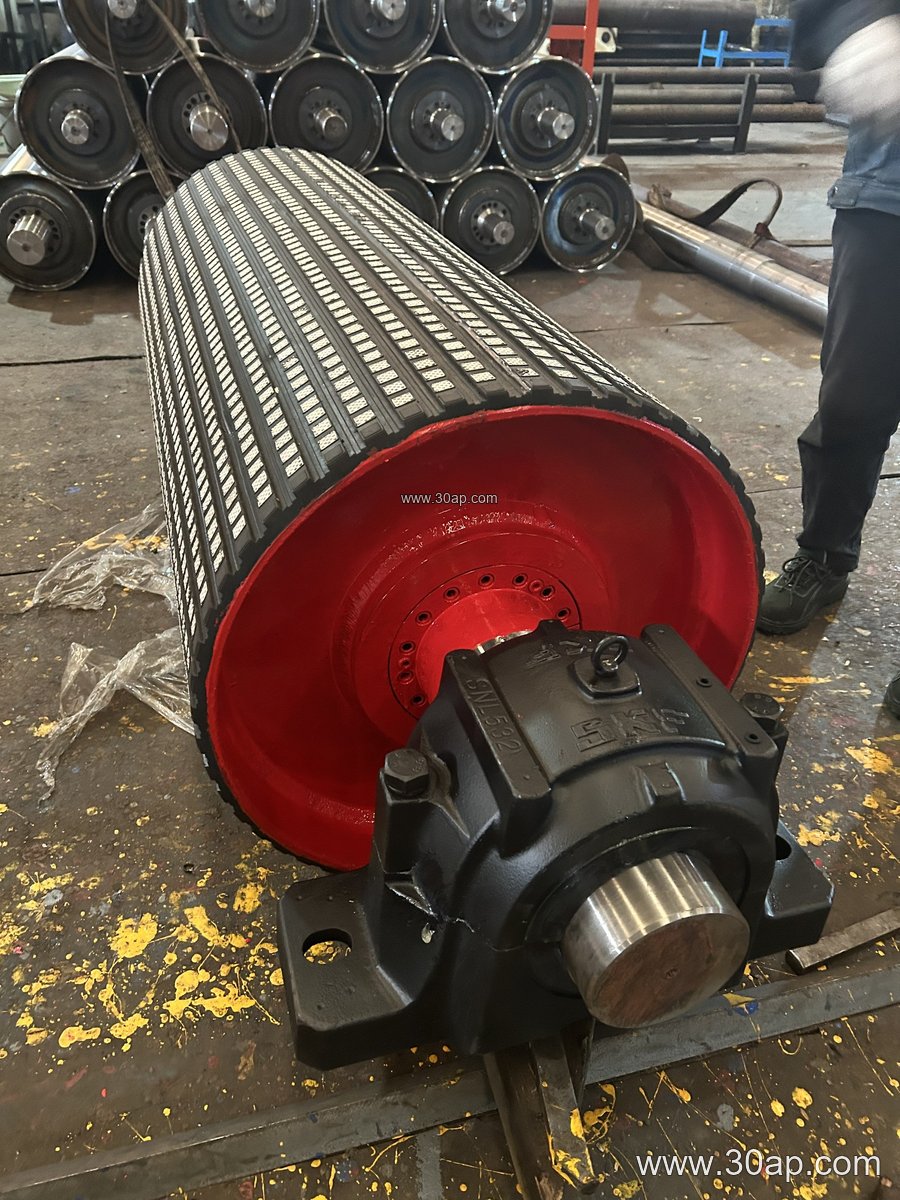
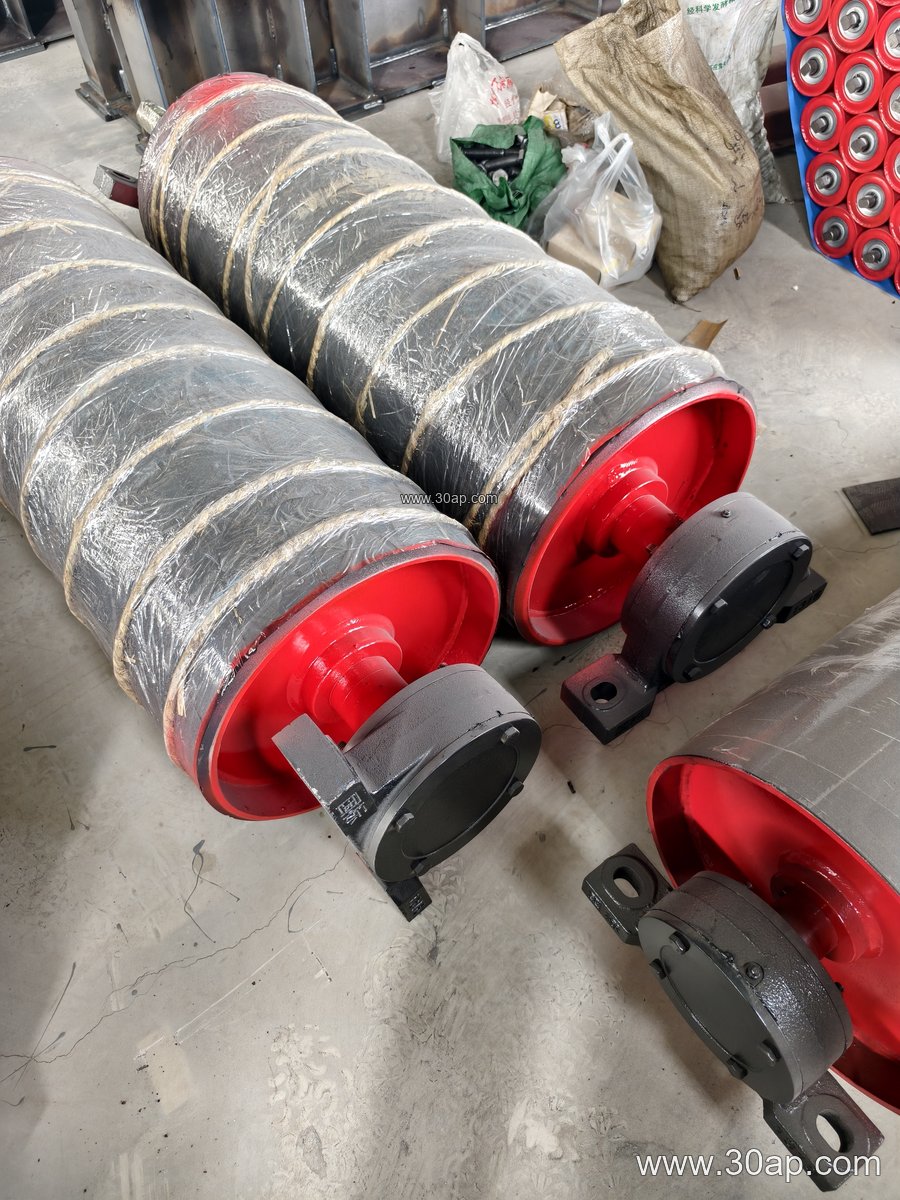
Because the structure is continuous, an integral pulley tends to resist distortion better than a segmented drum when the belt is heavily loaded. That does not mean every application needs one; light-duty lines may work fine with a lighter fabricated drum. The choice depends on torque, belt tension, and the environment.
Where It Fits in a Conveyor
An integral pulley is typically used as a drive pulley, a tail pulley, or a bend pulley, but these roles are not interchangeable. A drive pulley transmits torque to the belt and usually carries thicker lagging for grip. A tail pulley supports the belt at the loading end and may be plain-faced. A bend pulley redirects the belt and is often smaller in diameter. Understanding the position helps a buyer specify the right shell thickness, shaft size, and surface pattern.
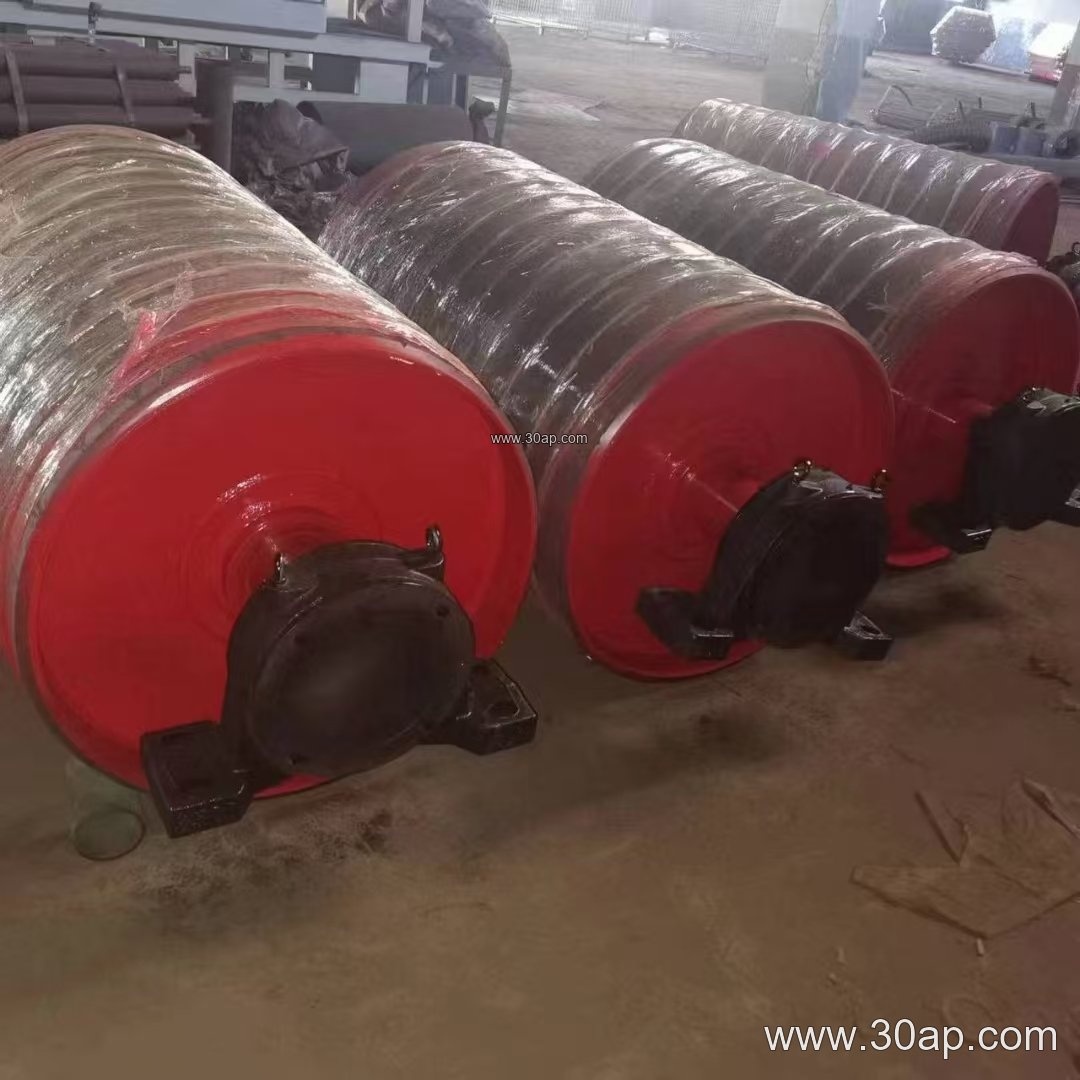
These drums appear in quarry lines, limestone mines, iron ore plants, coal washing stations, cement clinker circuits, power plant coal handling, port bulk terminals, and aggregate crushing and screening plants. In a crusher discharge line, an integral pulley may run behind a heavy abrasion resistant conveyor belt carrying sharp rock. In a cement plant, it may work with a heat resistant conveyor belt near clinker coolers. In a coal mine, a flame retardant conveyor belt is common, and the pulley lagging must suit the same fire-safety expectations.
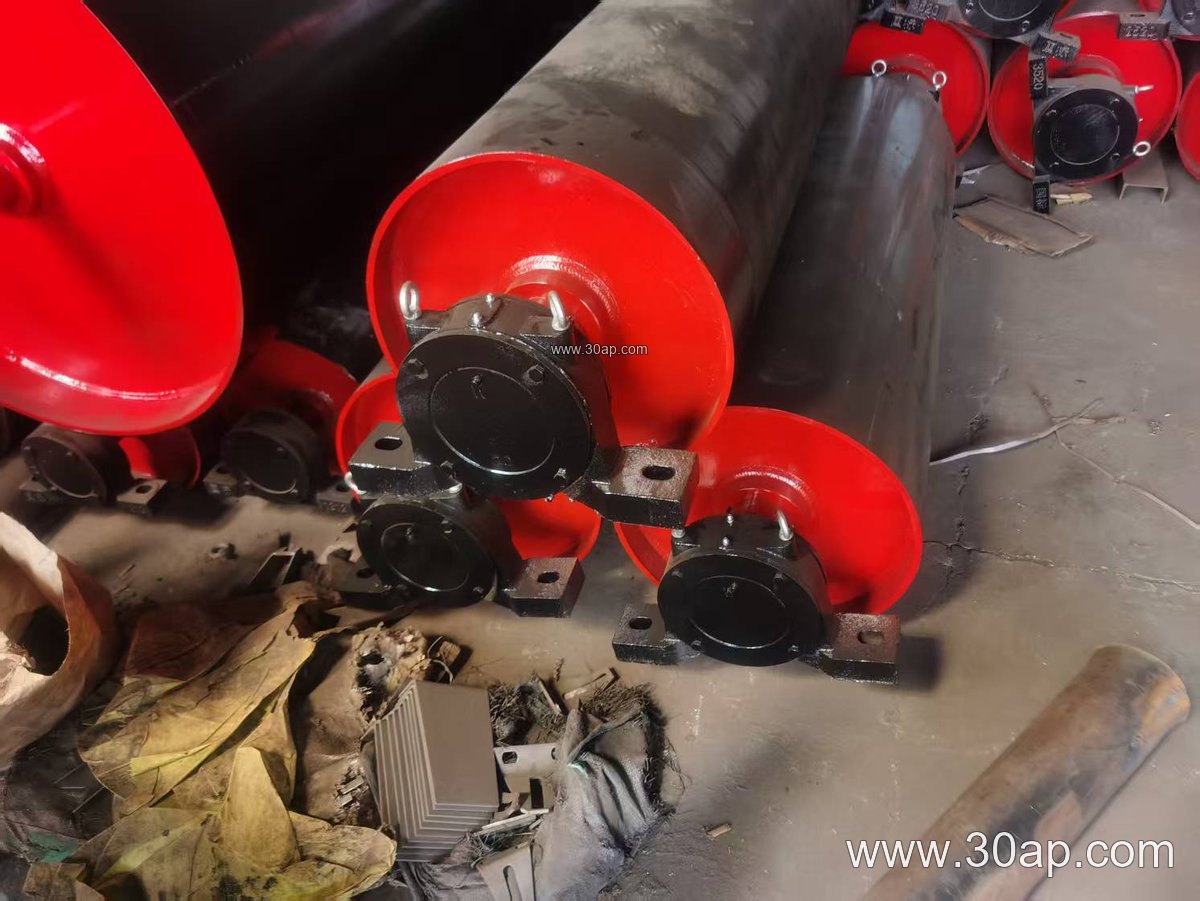
Matching Pulley to Belt and Load
Belt width and pulley diameter are related but not locked together. A B800 belt might run on a Ø500 drum in one conveyor and a Ø630 drum in another, depending on belt tension, wrap angle, and shaft load. Common shell widths are slightly wider than the belt, for example about 950 mm for B800, about 1150 mm for B1000, and about 1400 mm for B1200. Shaft diameters such as Ø80, Ø100, Ø120, Ø140, or Ø160 are determined by torque and bearing load, not by belt width alone.
Buyers should also consider the belt type. A steel cord conveyor belt or a high strength conveyor belt may demand a larger drum diameter to limit bending stress. A multi-ply fabric core conveyor belt or an EP conveyor belt often tolerates a smaller drum. In food or grain service, a food grade conveyor belt calls for clean lagging and smooth surfaces.
Selection and Maintenance Notes
- Confirm the pulley position: drive, tail, or bend, since lagging and diameter requirements differ.
- State belt width, belt type, and expected tension so the supplier can size the shell and shaft.
- Choose lagging for the environment: abrasion resistant rubber for ore, oil resistant rubber for oily loads, and ceramic for high-slip drives.
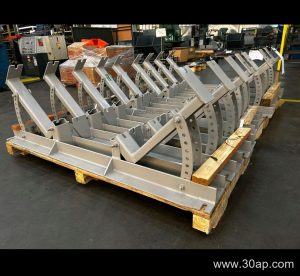
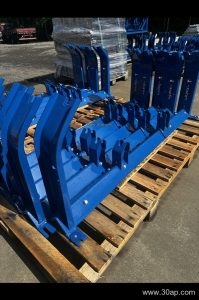
- Check bearing housings and conveyor brackets for alignment during installation.
- Inspect lagging wear and shell runout periodically, especially in dusty quarry or coal handling service.
For more conveyor components, see the drum and roller range at beltconveyorpulley.com, and match the pulley with the right conveyor belt, conveyor idler roller, and conveyor bracket for a complete conveyor pulley assembly.