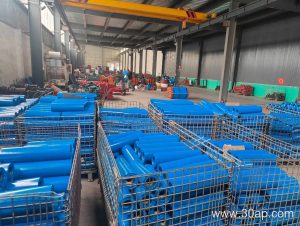
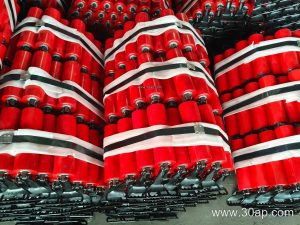
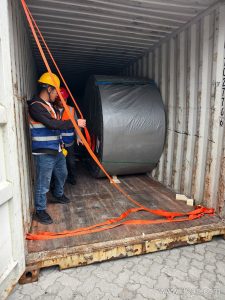
What a Custom Conveyor Pulley Is
A Custom Conveyor Pulley is a drum assembly built to match a specific conveyor layout rather than a catalog standard. It is made to order around the belt width, the shaft load, the duty cycle, and the environment of the line. In practice, most buyers use the term conveyor pulley as the accurate equivalent name for the same component, whether it sits at the head, tail, take-up, or a bend point of the conveyor frame.
The purpose is straightforward. The pulley drives the conveyor belt, changes its direction, or maintains tension. Because each installation has its own geometry, a made-to-order drum often gives better belt tracking and longer service life than an off-the-shelf unit that happens to be close in size.
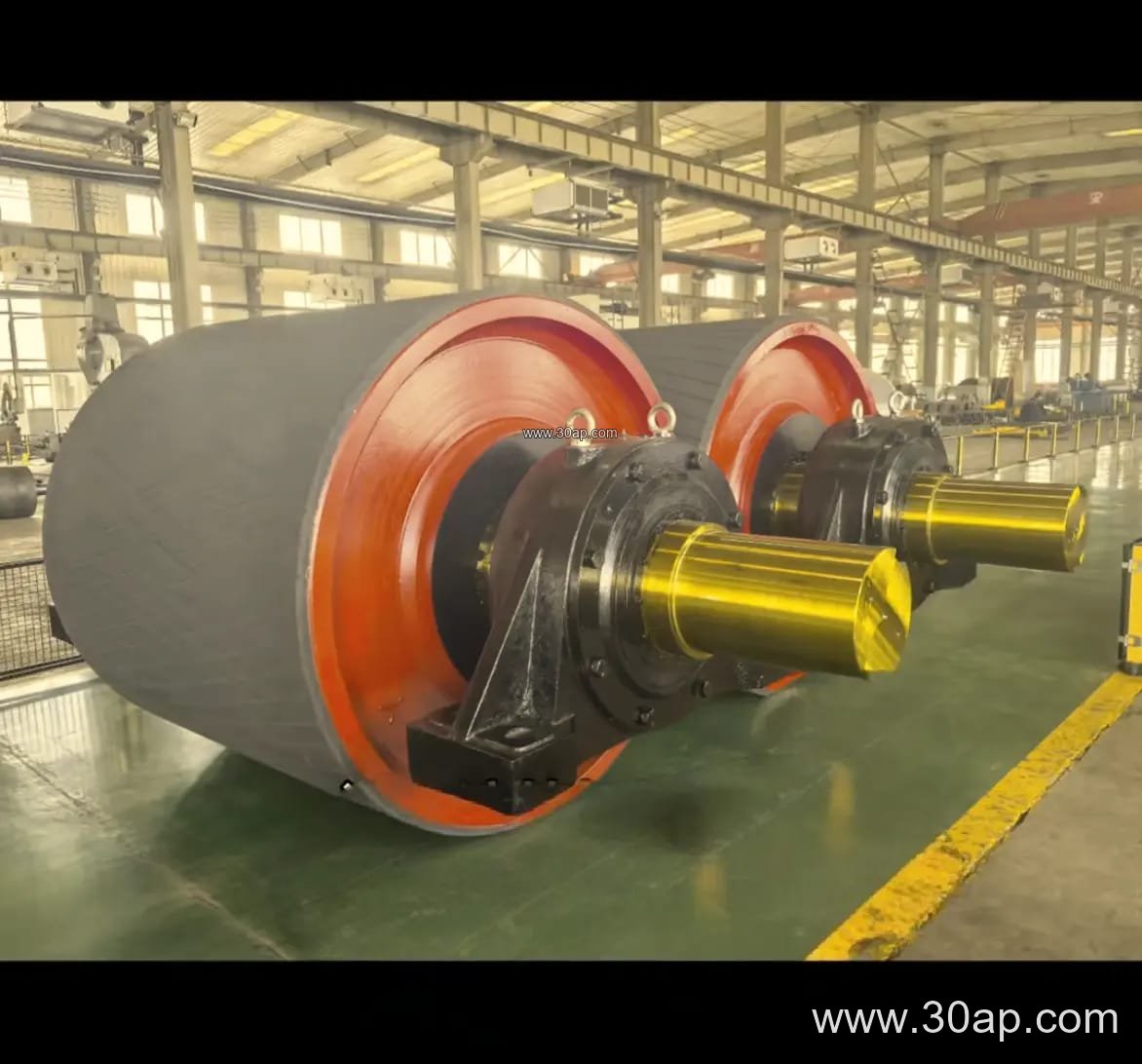
How the Pulley Is Built
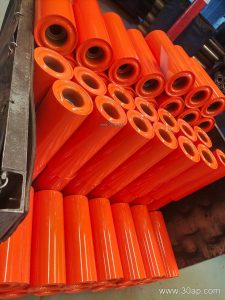
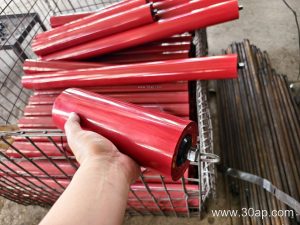
A typical assembly includes a cylindrical shell, two end discs, a shaft, and bearing housings that bolt to the conveyor bracket. The shell may be plain, lagged with rubber, or covered with ceramic tiles for grip. Shaft diameter is decided by torque and radial load, not by belt width alone, so two conveyors with the same belt can still need different shaft sizes.
- Shell: rolled steel, machined for balance and concentricity
- End discs: welded and stress-relieved for long fatigue life
- Shaft: sized from drive torque and bearing load
- Lagging: plain, rubber, diamond, ceramic, or herringbone pattern
- Bearings: selected for load, speed, and sealing against dust
Common shell diameters include Ø200, Ø250, Ø315, Ø400, Ø500, Ø630, Ø800, Ø1000, and larger sizes such as Ø1250 and Ø1400. Lagging thickness is often 8, 10, 12, 15, or 20 mm depending on the grip needed. Shell face width is usually a little wider than the belt, for example B650 with a 750 mm face or B1000 with a 1150 mm face, but these are reference values rather than fixed rules.
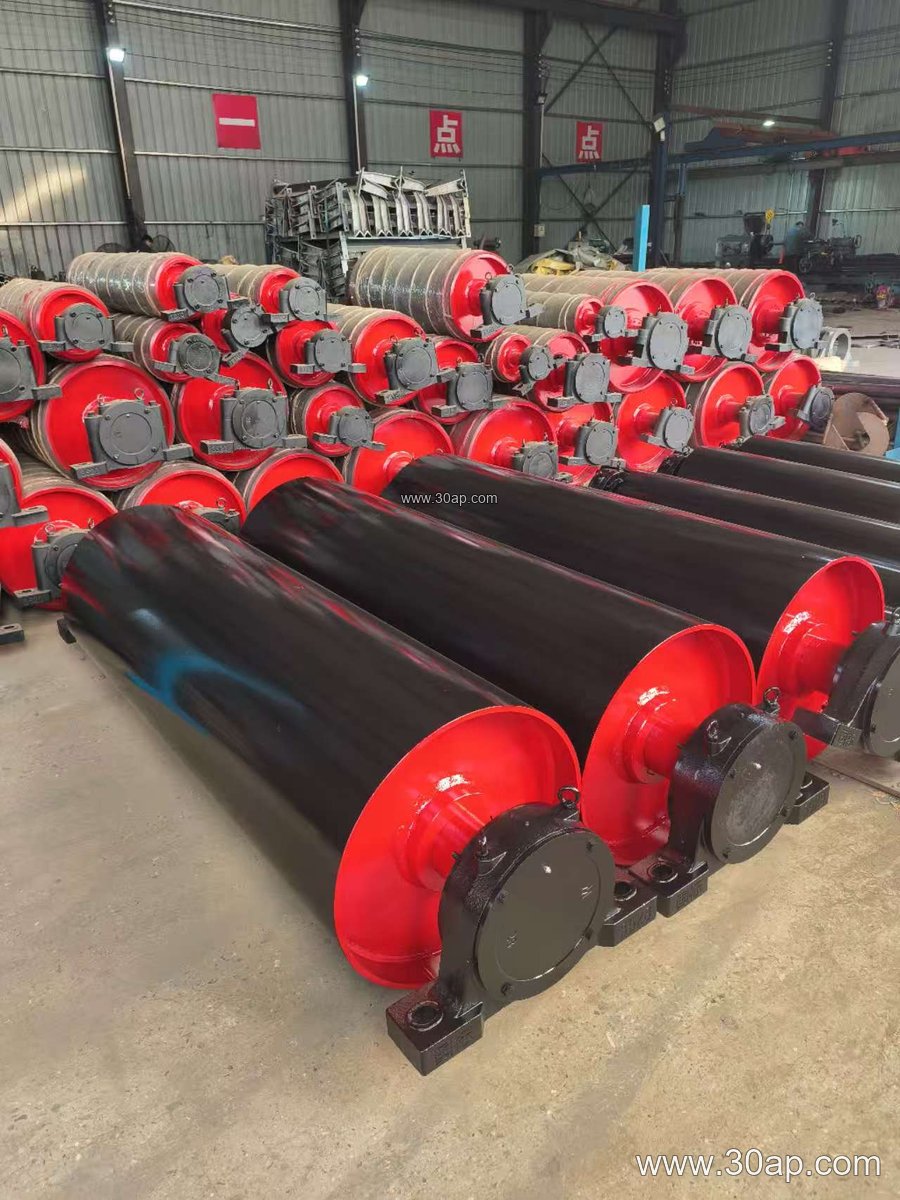
Where It Fits in the Conveyor Line
The position of the drum decides its job. A drive pulley transmits motion and usually needs lagging for traction. A tail pulley at the loading end returns the belt and often carries impact and dust. A bend pulley or take-up drum keeps the belt on track through a change of direction or a tensioning station. These roles are not interchangeable, and a drive drum cannot simply replace a tail drum without checking belt tension and shaft load.
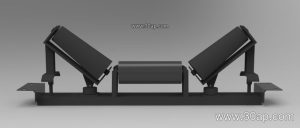
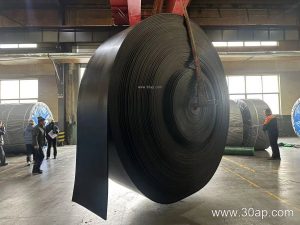
Equipment around the drum matters too. The conveyor belt, idler roller, and conveyor bracket all interact with it. A well-aligned pulley with properly spaced idlers reduces edge wear on a heavy-duty mining conveyor belt or an abrasion resistant conveyor belt handling crushed rock.
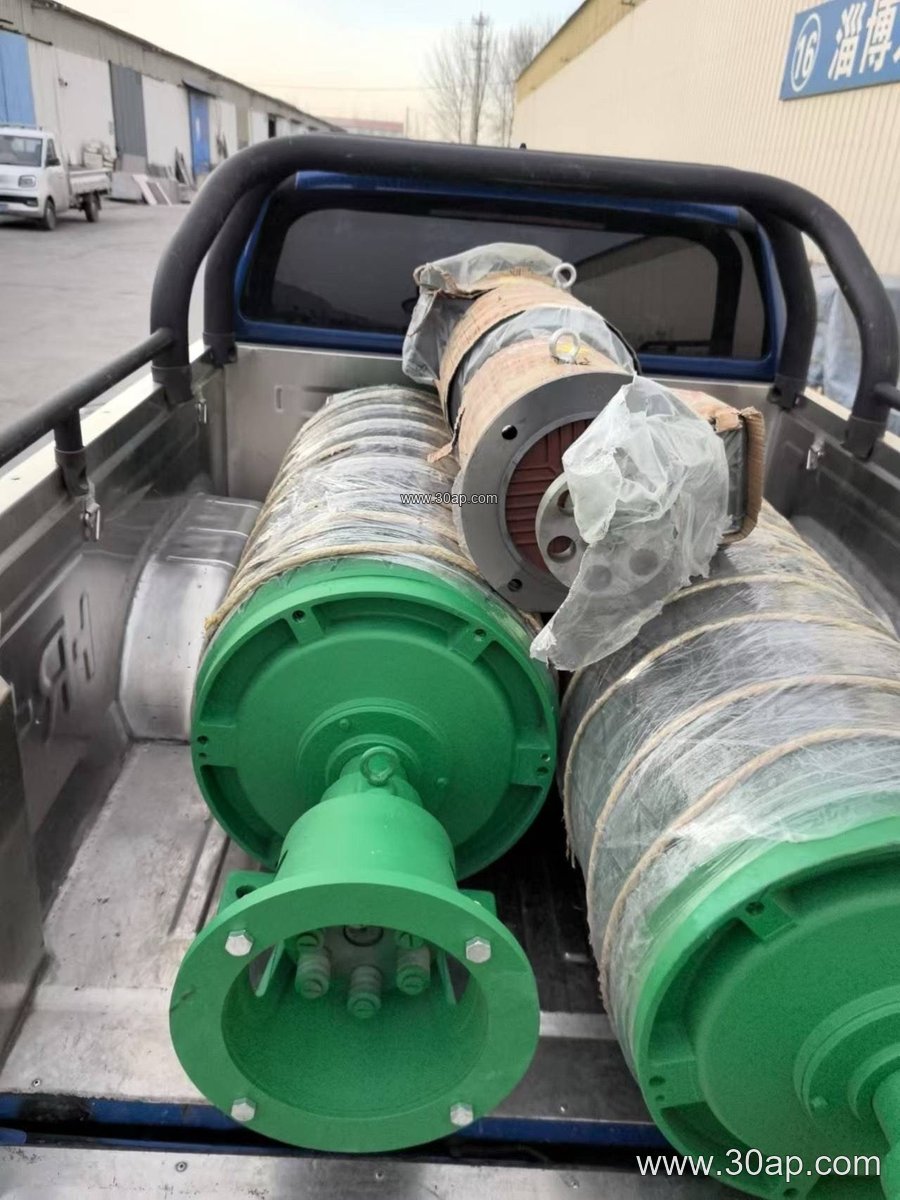
Industries and Duty Conditions
Custom drums appear where conveyors run long hours and carry abrasive or heavy loads. In a limestone quarry, a lagged head pulley pulls a fabric core conveyor belt up an incline. In a coal preparation plant, flame retardant conveyor belt and a sealed drum resist dust and fire risk. Cement plants use them on clinker lines, while power plants rely on them for coal handling and ports use them on ship loading conveyors.
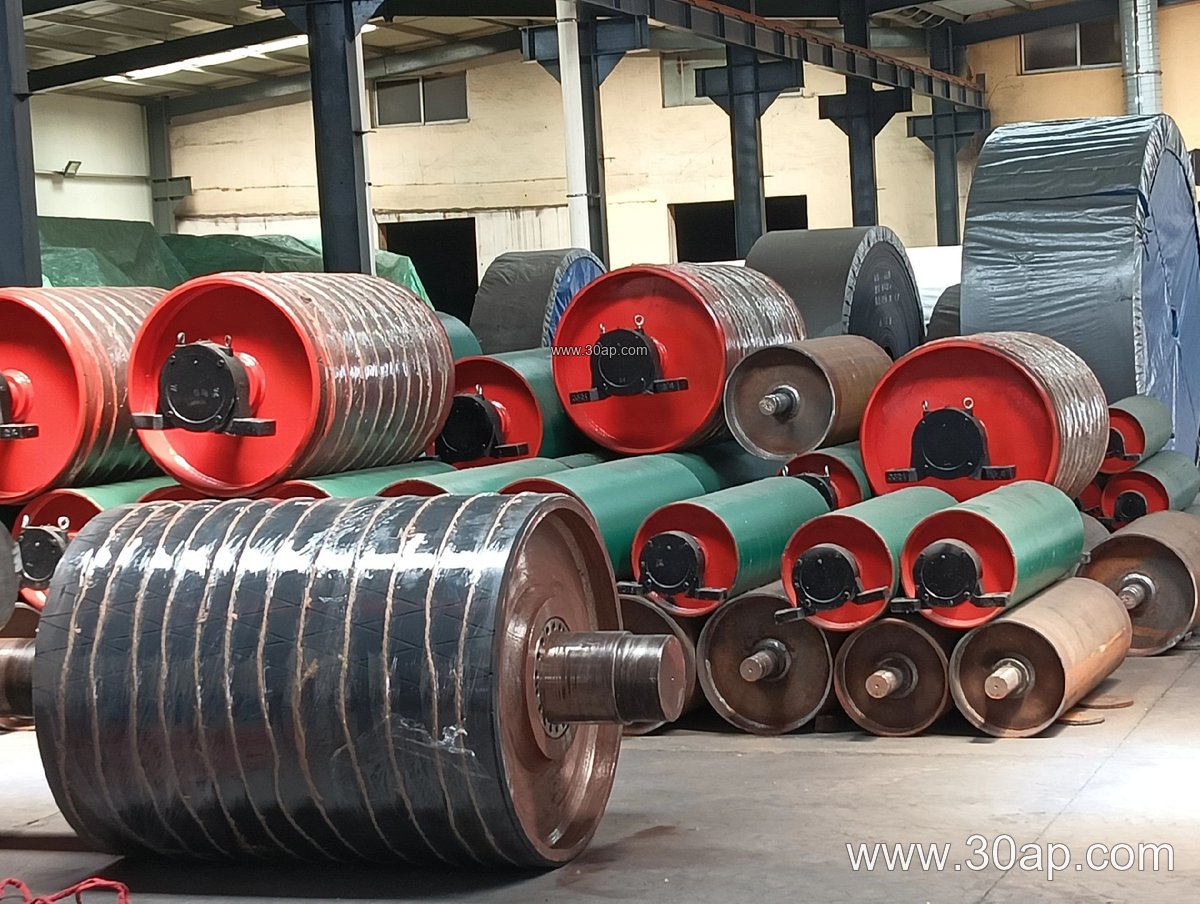
Material choice follows the duty. A heat resistant conveyor belt calls for a drum that tolerates warm surfaces, and an oil resistant conveyor belt may need a lagging compound that resists swelling. In cold climates, a cold resistant conveyor belt pairs with bearings and seals rated for low temperature.
Specifications Buyers Should Confirm
| Item | Typical Reference |
|---|---|
| Belt width | B400, B500, B650, B800, B1000, B1200, B1400, B1600, B1800, B2000 |
| Shell diameter | Ø200, Ø250, Ø315, Ø400, Ø500, Ø630, Ø800, Ø1000, Ø1250 |
| Shaft diameter | Ø50, Ø60, Ø70, Ø80, Ø90, Ø100, Ø120, Ø140, Ø160, Ø180, Ø200 |
| Lagging thickness | 8, 10, 12, 15, 20 mm |
| Surface form | Plain, rubber lagged, diamond, herringbone, ceramic |
When ordering, share the belt width, the required face width, the shaft load, the speed, and the mounting position. A common combination such as B800 × Ø500 or B1200 × Ø1000 helps the supplier check proportions, but the final shaft size still follows the calculated torque.
Selection and Maintenance Notes
Choose lagging by the job: plain for light duty, rubber for general grip, ceramic or diamond for wet and slippery conditions. Check that the drum face is wide enough for belt wander, and confirm that the conveyor bracket and bearing housing match the frame. During service, watch for lagging wear, loose bolts, and grease loss. Replacing worn lagging early protects the belt and keeps tracking stable.
For more conveyor components, visit www.beltconveyorparts.com for conveyor pulley guidance and related equipment information.