What a Crusher Conveyor Belt Does
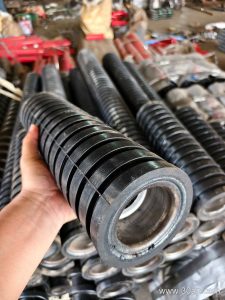
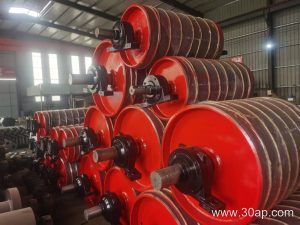
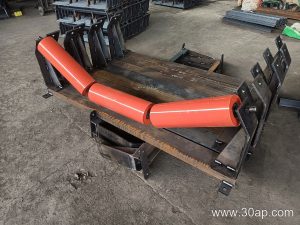
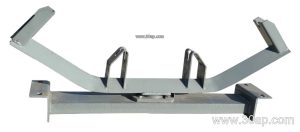
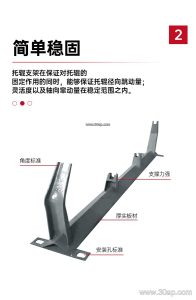
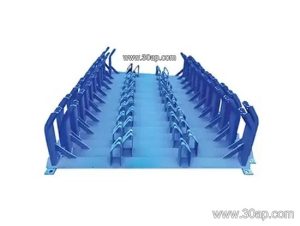
A crusher conveyor belt is the heavy-duty belt that carries run-of-mine rock, ore, or aggregate from the crusher discharge to the next stage. It is not a standard light conveyor belt; it must handle sharp, lumpy material, high impact at the loading point, and often dusty or wet conditions in mines, quarries, cement plants, and power stations. The belt works together with conveyor idler rollers, conveyor pulleys, and conveyor brackets to form a stable transport line.
Construction and Common Types
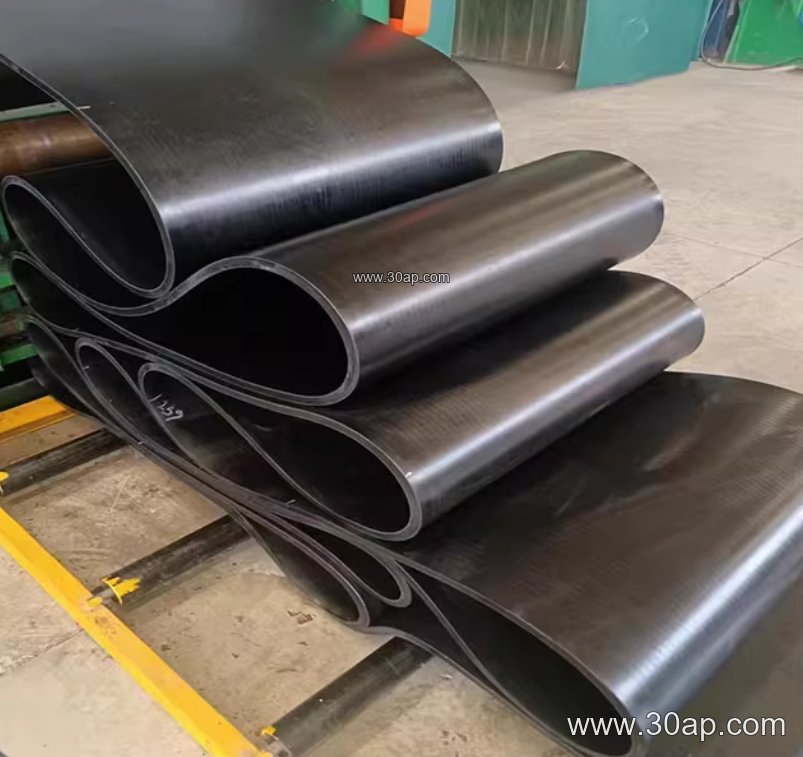
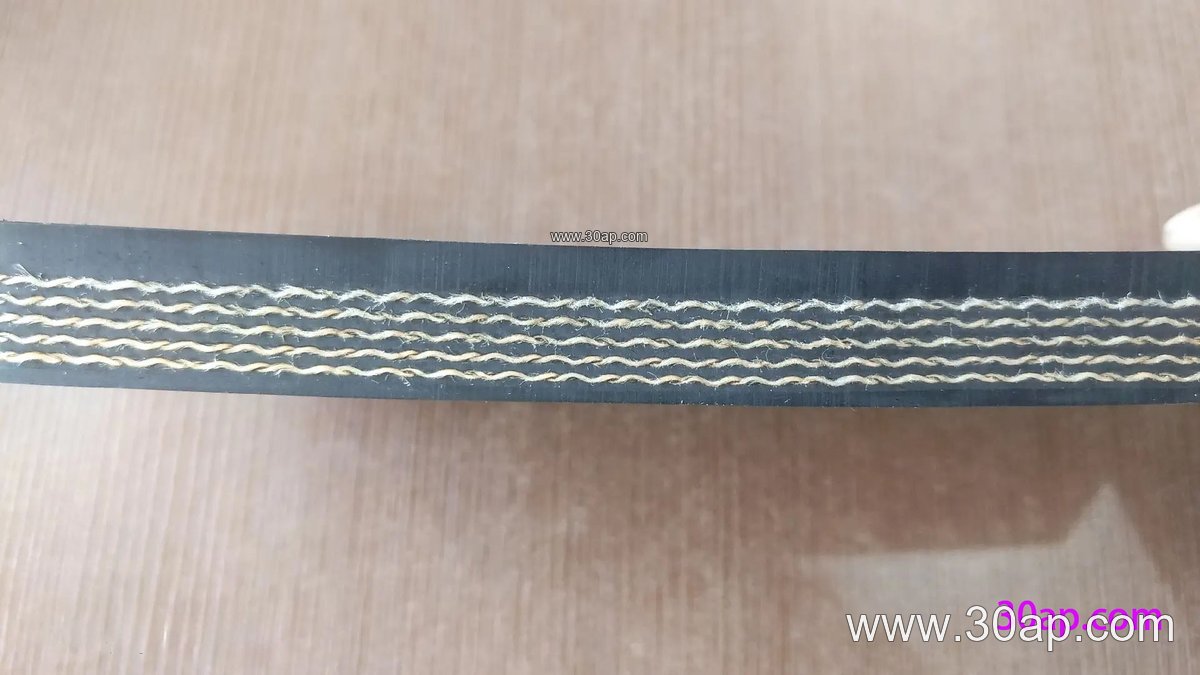
Most crusher belts use a fabric core or steel cord carcass. The cover rubber is selected for abrasion, impact, and sometimes heat or oil resistance. Common constructions include EP conveyor belt (polyester-nylon), NN conveyor belt (nylon-nylon), and steel cord conveyor belt for very high tension and long distances. For underground coal mining, PVC or PVG conveyor belt may be required for flame retardancy. A heavy-duty mining conveyor belt often uses multiple fabric plies and thick covers.
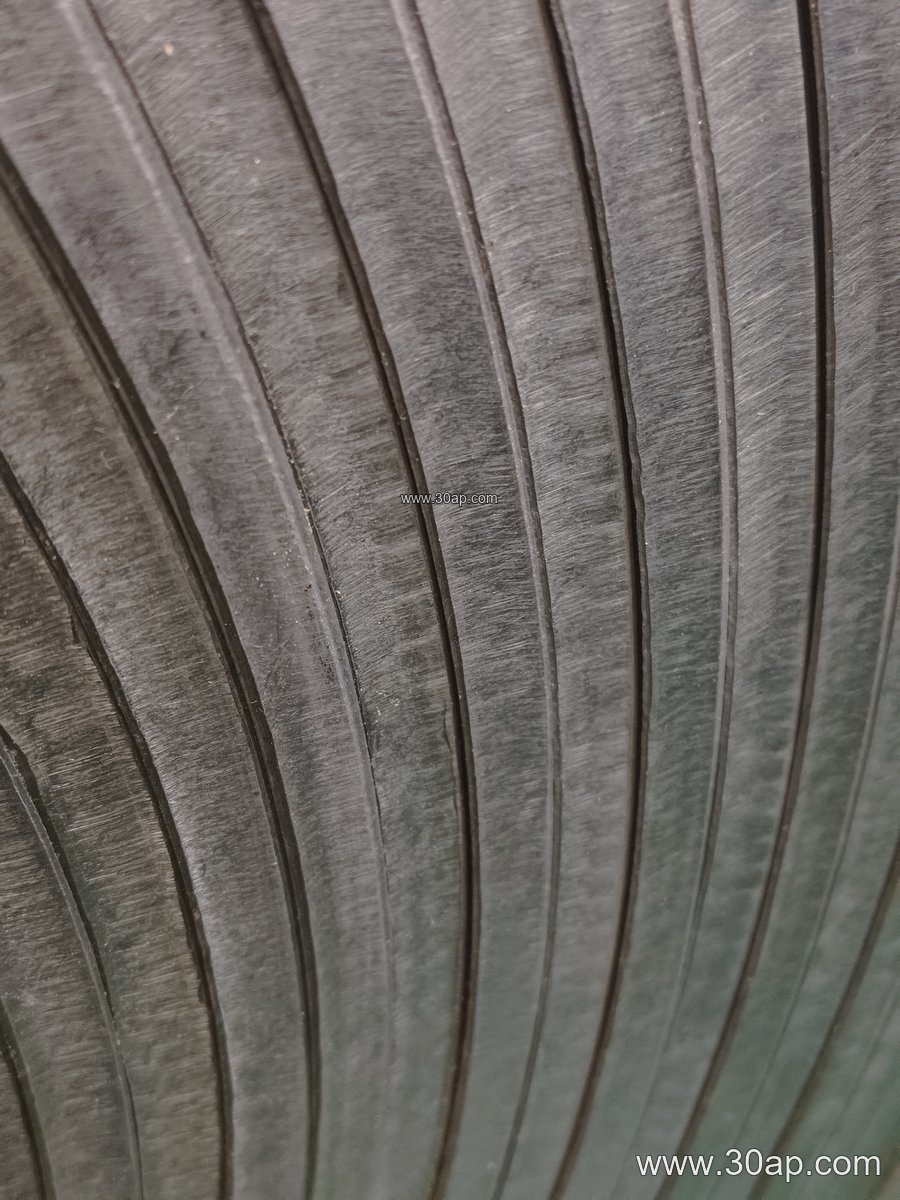
Typical cover thickness combinations are 4+2 mm, 5+2 mm, 6+2 mm, and 8+3 mm, with 2 to 6 fabric plies depending on load. Belt widths commonly range from 500 mm to 2000 mm, and wider belts are available for large primary crushers.
Common Belt Types and Typical Strength Grades
| Type | Typical Strength Grades | Notes for Crusher Duty |
|---|---|---|
| EP conveyor belt | EP200, EP315, EP400, EP500, EP630, EP800, EP1000, EP1250, EP1600, EP2000 | Good fatigue resistance, widely used in quarry and aggregate plants |
| NN conveyor belt | NN100, NN200, NN300, NN400 | High strength, good for impact loads |
| Steel cord conveyor belt | ST1000, ST1250, ST1600, ST2000, ST2500, ST3150 | For high tension and long overland conveyors |
| PVG conveyor belt | PVG800, PVG800S | Underground coal mining, flame retardant |
Other options include chevron conveyor belt for inclined sections, corrugated sidewall conveyor belt for steep angles, and skirted conveyor belt to contain material at transfer points. A pipe conveyor belt can enclose the material for dust control. Heat resistant conveyor belt and flame retardant conveyor belt are chosen where the process requires it.
Where It Is Used
You will find crusher conveyor belts in gold mining, iron ore and copper ore operations, coal mining—both surface and underground—and in cement plants and power plants handling coal or limestone. Sand making plants and stone crushing lines rely on abrasion resistant conveyor belt to survive sharp aggregate. Ports and ship loading facilities use wide belts to move bulk material quickly. In recycling plants, a heavy-duty belt with rip resistance helps handle unpredictable scrap.
Selection and Maintenance Tips
Buyers should match belt strength and cover thickness to the maximum lump size and drop height at the crusher discharge. The loading point often needs impact idler roller frames and adequate conveyor bracket support to prevent belt sag. Check that the tail pulley and bend pulleys are sized for the belt width and tension—pulley diameters are not fixed by belt width alone. For dusty or flammable environments, specify anti-static conveyor belt and flame retardant grades. Keep records of belt tracking and cover wear; a small splice repair is cheaper than replacing a full belt.
More technical guidance on conveyor belt, idler roller, and conveyor pulley matching is available from industrial suppliers such as www.example.com/conveyor-belt and www.example.com/idler-roller. Always confirm actual belt specifications with the manufacturer for your site conditions.