What a 1200mm Wide Conveyor Belt Is
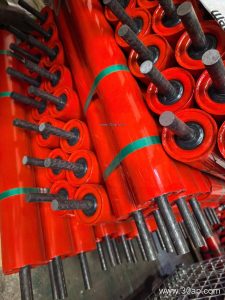
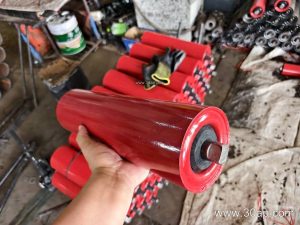
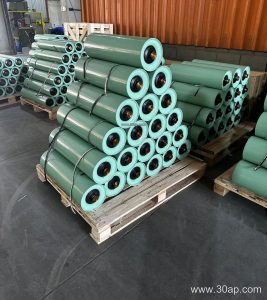
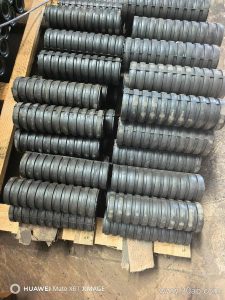
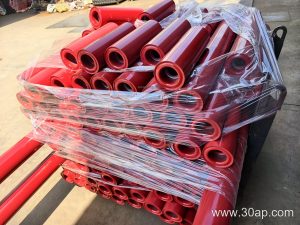
A 1200mm wide conveyor belt is a heavy-duty belting product with a nominal width of 1200 millimeters, commonly written as B1200. It sits in the wide-belt range and is usually chosen when a conveyor line must move large tonnages of bulk material at a steady rate. In mining, coal preparation, cement plants, power stations, ports, and sand and gravel yards, this width is often paired with troughing idler rollers, a head drive pulley, a tail pulley, and a return pulley to form a complete conveying system.
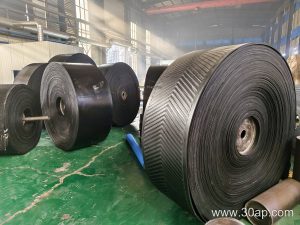
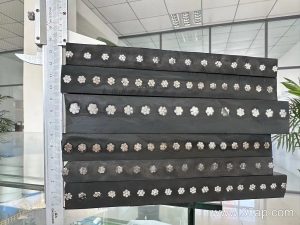
The belt itself is not a single material. It combines a load-carrying cover, a skeleton or carcass, and a pulley-side cover. The carcass may be fabric core or steel cord, and the cover compound is selected for the duty: abrasion, heat, oil, flame, or cold. Many buyers describe the same item simply as a 1200mm conveyor belt, while others refer to it by carcass type, such as an EP conveyor belt or a steel cord conveyor belt.
Construction and Common Specifications
Fabric-core versions usually use multiple plies of EP or NN fabric. Steel cord versions use brass-plated cords for very long runs and high tension. Cover thickness is typically given as top plus bottom, for example 6+2 mm or 8+3 mm on heavy-duty mining conveyor belt. The figures below are common reference values, not a fixed supply promise; actual construction follows the application and the manufacturer’s design.
| Item | Common Reference |
|---|---|
| Belt width | 1200 mm (B1200) |
| Fabric carcass | EP200, EP315, EP400, EP500, EP630, EP800, EP1000 |
| Steel cord carcass | ST1000, ST1250, ST1600, ST2000 |
| Cover thickness | 4+2 mm, 5+2 mm, 6+2 mm, 8+3 mm |
| Ply count | 2 to 6 plies for fabric core |
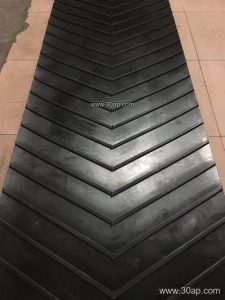
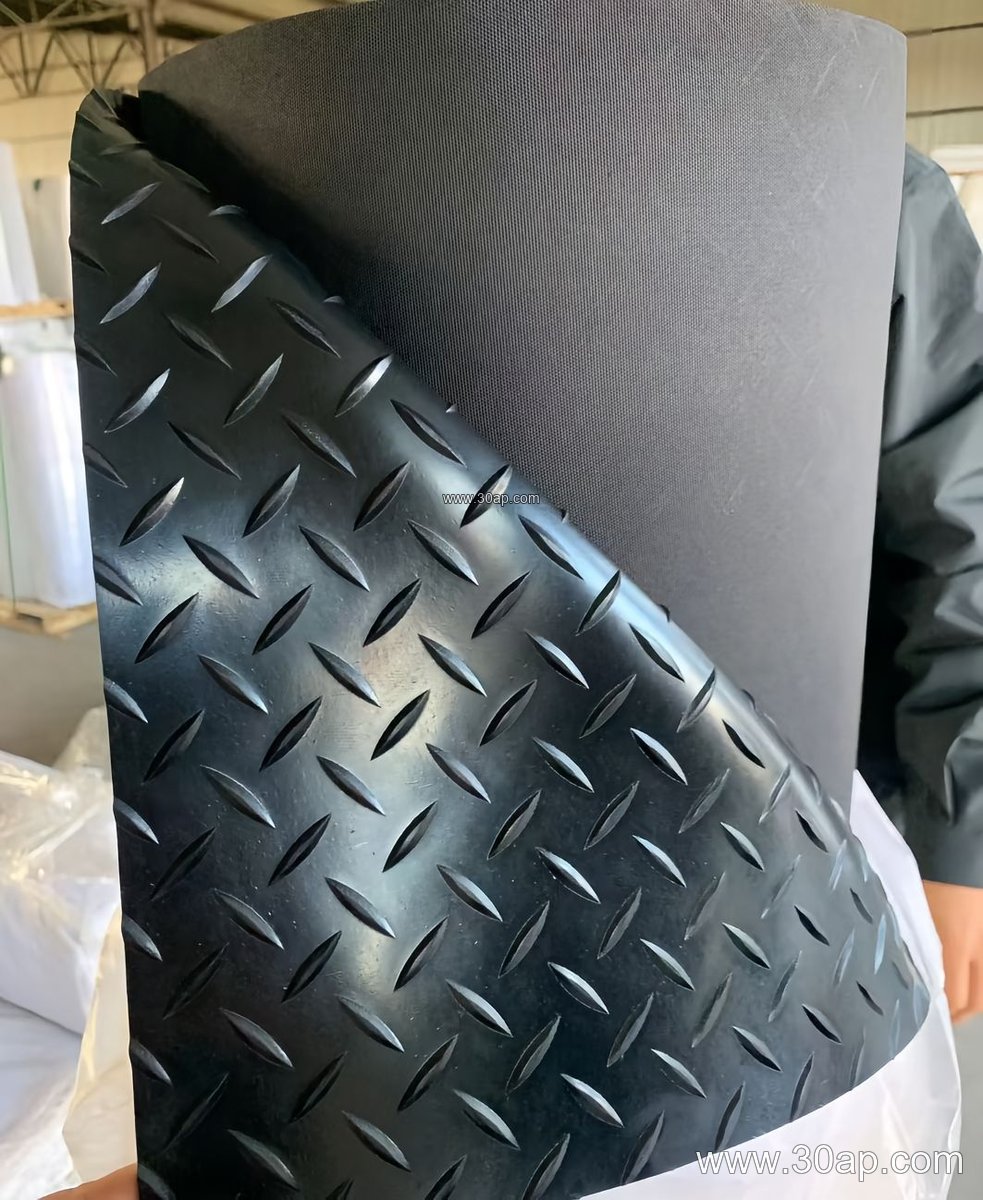
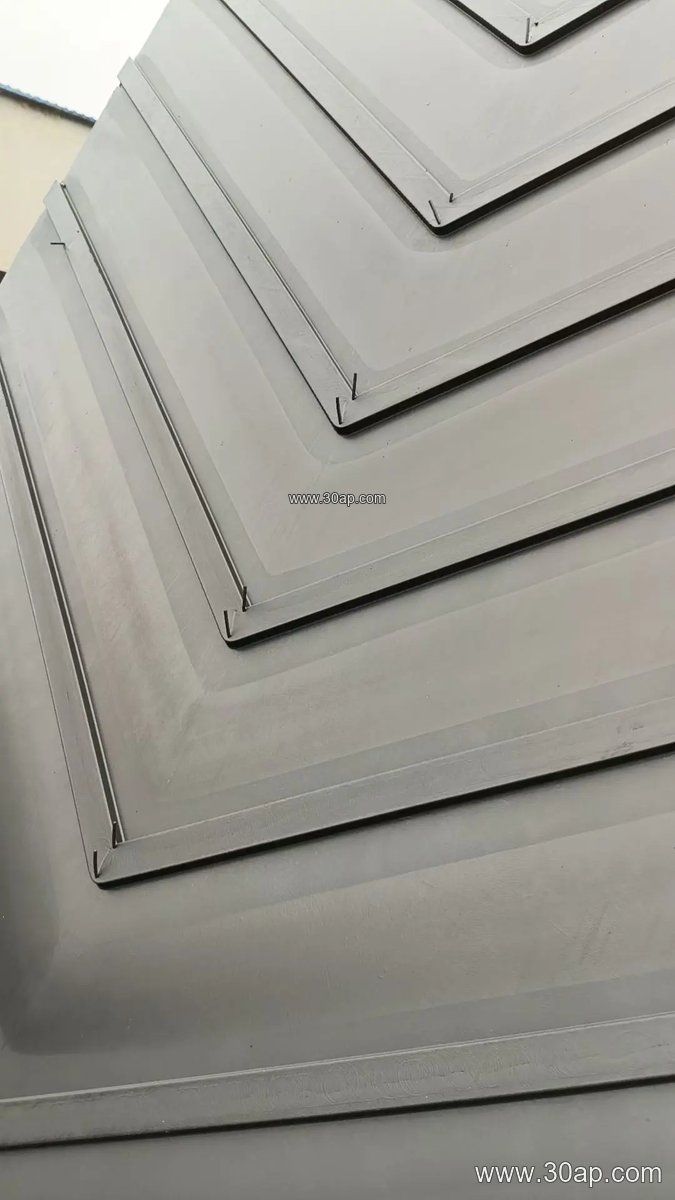
Surface forms matter as much as width. A chevron conveyor belt adds raised ribs for inclined haulage, while a corrugated sidewall belt with cleats keeps material from spilling on steep sections. Skirted belts and pipe conveyor belts are also available when the route needs containment. A flame retardant conveyor belt or anti-static belt is often specified for underground coal mining conveyor systems, and a heat resistant conveyor belt suits clinker or sinter handling in cement and steel plants.
Where the Width Fits in a Conveyor
Width affects capacity, lump size, and the load placed on the conveyor pulley and idler roller set. A 1200mm wide belt generally carries more material per meter than a 1000mm belt, and it can accept larger lumps than narrower sizes such as 800mm or 650mm. This is why quarry conveyor belts, crusher conveyor belts, and iron ore conveyor belts frequently use the B1200 format. It is also common in port conveyor lines and ship loading systems where high throughput is needed.
The belt does not dictate one pulley diameter. Drive pulleys, tail pulleys, and bend pulleys are separate components with their own sizing rules based on tension, wrap angle, and shaft load. A wider belt does not automatically mean a fixed shaft diameter, and one belt width can be matched with different pulley diameters by design. Conveyor brackets and frame dimensions should be checked together with the pulley and idler selection.
Buyer Checklist
- Confirm the actual duty: abrasive rock, coal, cement, ore, or hot material.
- State the carcass type and strength grade, for example EP630 or ST1600.
- Give cover thickness and any flame, oil, heat, or cold resistance requirement.
- Check whether a smooth surface, chevron pattern, or sidewall is needed.
- Review the drive pulley, tail pulley, bend pulley, and idler roller layout before ordering.
- Ask for the belt mass per square meter and minimum pulley diameter recommendation.
For a 1200mm wide conveyor belt, the safest approach is to treat width as one part of the specification, not the whole specification. A correctly selected belt matches the carcass, cover, surface form, and conveyor hardware to the real operating conditions, whether the site is a coal mine, a cement plant, a power station, or an aggregate yard.