What a Parallel Idler Bracket Does
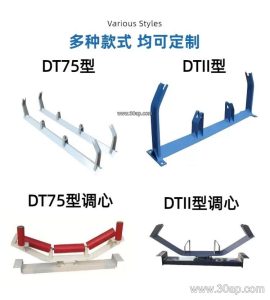
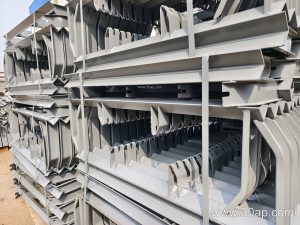
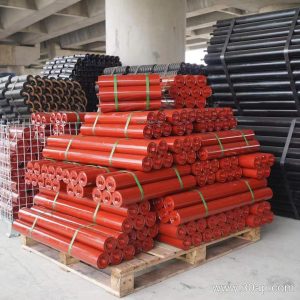
A parallel idler bracket is the mounting frame that holds a set of idler rollers in a flat or slightly troughed position along the carrying or return side of a conveyor. In many plants it is simply called a flat idler bracket or a parallel roller support, and it is the component that keeps the idler roller axes parallel to each other and square to the belt path. That alignment matters: when the rollers sit true, the conveyor belt runs with even contact, less edge stress, and steadier tracking through the whole transfer point.
Unlike a troughed bracket that tilts the side rollers upward, a parallel bracket keeps the rollers in line. This makes it a natural choice on the return strand, at loading and discharge zones where a flat belt profile is wanted, and on sections where the belt must stay open and accessible for inspection.
How the Bracket Is Built
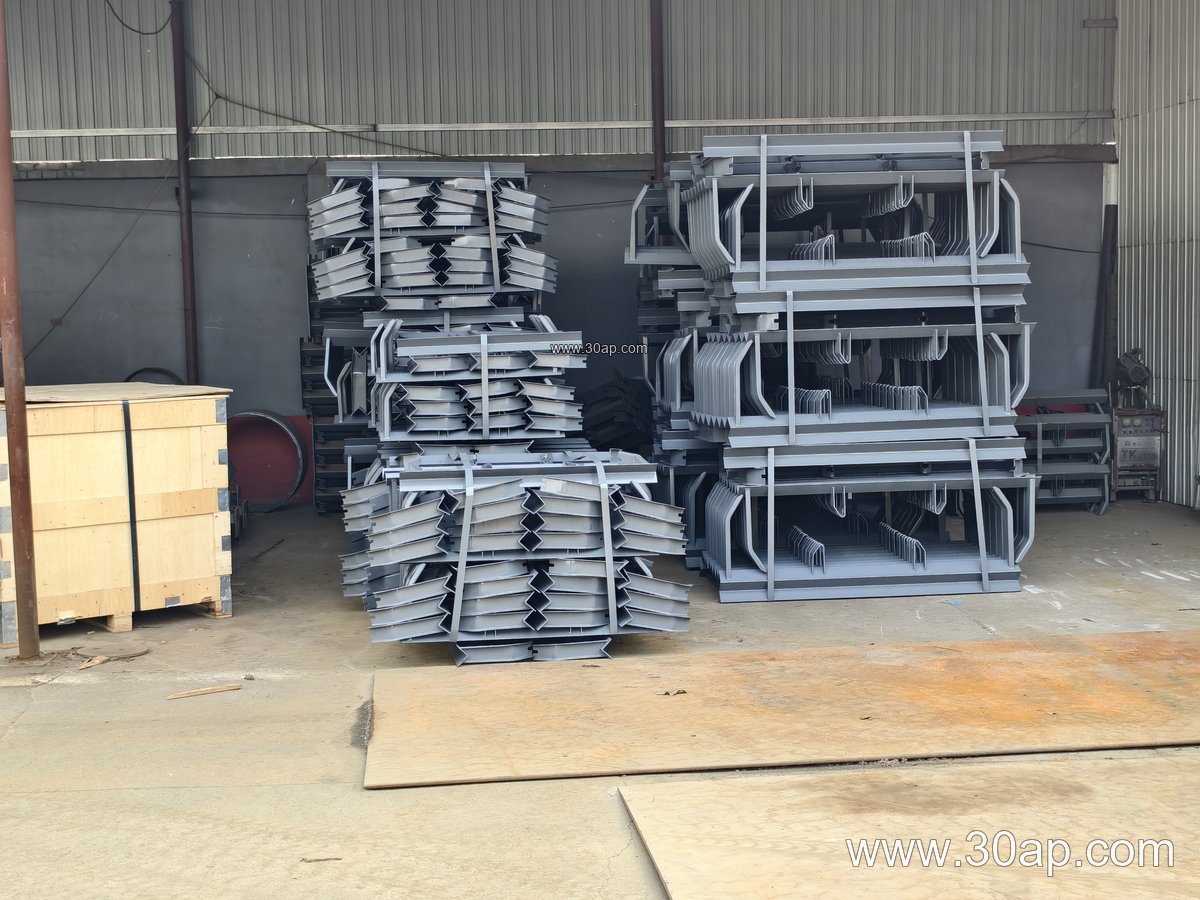
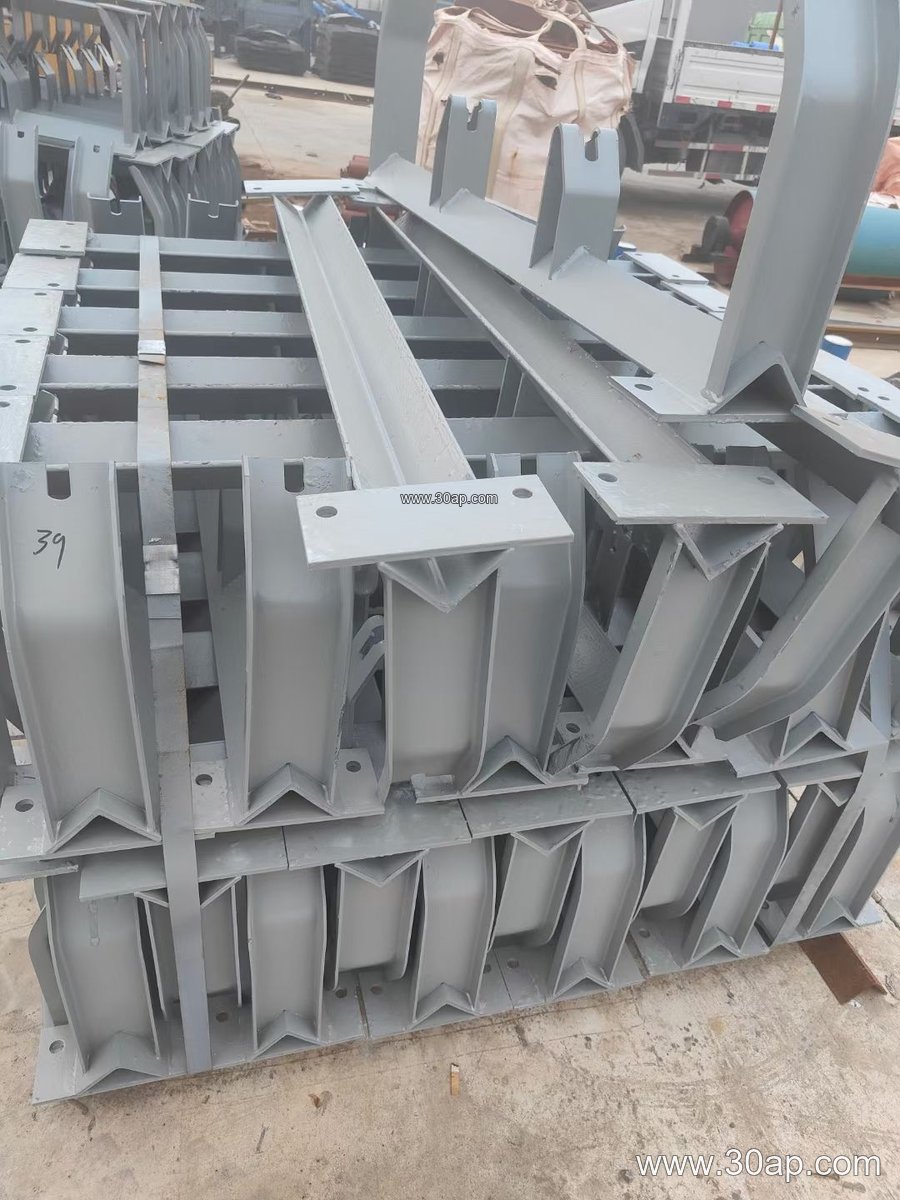
Most parallel brackets are fabricated from angle steel, channel steel, or folded steel plate. The frame carries two or more mounting notches or bolt slots, and the idler shafts drop into these seats. A well-made bracket holds the rollers at a consistent height so the belt does not dip between supports.
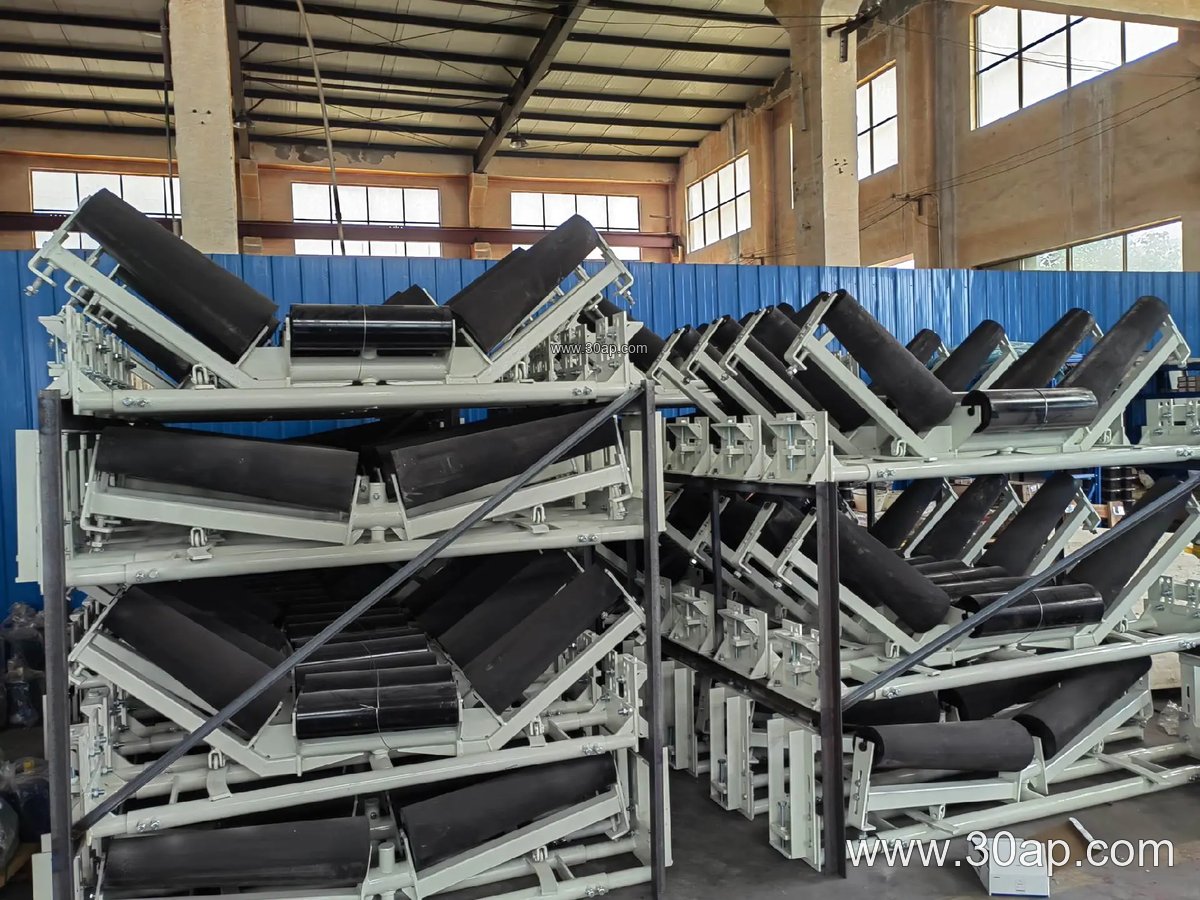
- Frame material: angle, channel, or bent plate, usually painted or galvanized.
- Mounting: slotted holes allow small adjustment during installation.
- Roller seats: shaped to match the shaft ends of the idler roller.
- Options: fixed or adjustable versions, with some frames allowing the roller position to be tuned.
Because the bracket works together with the conveyor bracket system and the main frame, hole spacing and crossbeam length are set by belt width, roller diameter, and the angle of the roller set. These are design values, not universal numbers, so a buyer should confirm them against the conveyor drawing.
Where It Fits on the Conveyor
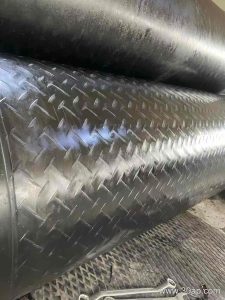
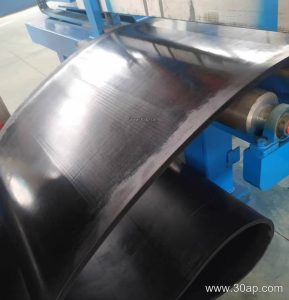
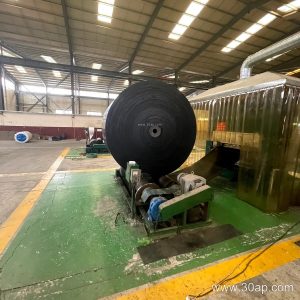
Parallel brackets appear in a range of bulk handling sites. In a limestone quarry or a sand and gravel line, they support the return run under a heavy abrasion resistant conveyor belt. In a coal preparation plant or a power station coal yard, they are often used with a flame retardant conveyor belt on the return side. Cement plants, iron ore yards, and port ship loaders also use them where a flat roller profile suits the belt path.
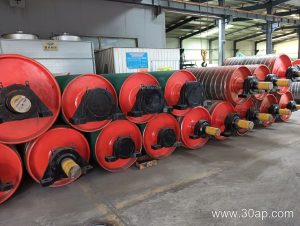
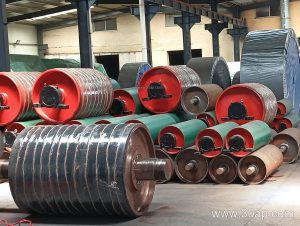
The bracket is not a substitute for a drive pulley, tail pulley, or bend pulley; those are separate components that transmit and redirect belt tension. It is also distinct from a transition bracket, which gradually changes the belt from flat to troughed, and from a V-return bracket, which angles the return rollers. Each has its own place in the same conveyor line.
Common Configurations and Reference Data
The table below shows typical reference combinations. Treat these as examples for discussion, not as fixed pairings or a supply promise.
| Belt width | Typical trough angle | Common roller diameter |
|---|---|---|
| B500 | 20 degrees | Ø89 |
| B650 | 30 degrees | Ø89 |
| B800 | 35 degrees | Ø108 |
| B1000 | 35 degrees | Ø108 |
| B1200 | 45 degrees | Ø133 |
| B1400 | 45 degrees | Ø133 |
| B1600 | 45 degrees | Ø159 |
| B1800 | 45 degrees | Ø159 |
| B2000 | 45 degrees | Ø194 |
Adjustable brackets can be set between common trough angles such as 20, 30, 35, and 45 degrees, which helps when a belt width or roller diameter is changed during a rebuild. A forward-leaning setting of about 1.5 to 2 degrees is sometimes used for training, but that is a separate design choice from the parallel position itself.
What to Check Before Ordering
First, confirm the belt width and the roller diameter, since these drive the frame length and seat height. Second, decide whether a fixed or adjustable bracket suits the maintenance plan. Third, check the mounting hole spacing against the existing conveyor bracket on site. Finally, match the bracket material to the environment, for example a dusty quarry, a wet coal yard, or a hot cement plant.
The bracket is a small part, but it carries the belt every metre of the way. Choosing a parallel idler bracket that fits the idler roller, the belt width, and the conveyor frame keeps the line running straight and reduces wear on the belt edges.