What an Anti-Slip Ceramic Lagged Pulley Does
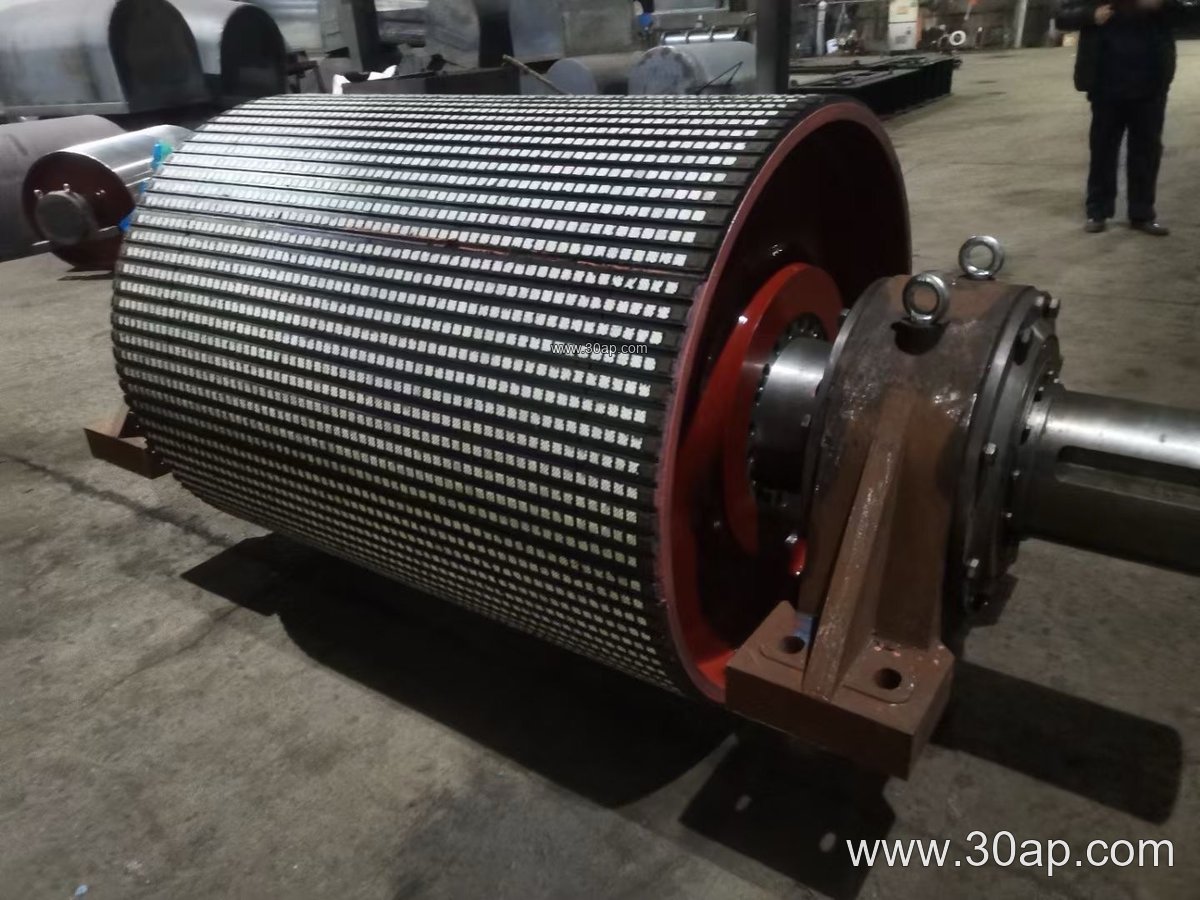
An anti-slip ceramic lagged pulley is a conveyor pulley whose shell is covered with ceramic tiles set in a rubber or polymer backing. The ceramic studs bite into the underside of the belt, raising the available friction between drum and belt. That extra grip matters most where the wrap angle is small, where the belt is wet or dusty, or where the drive must transmit high torque without slipping. In many plants this component is simply called a ceramic lagged drum or ceramic lagging pulley, and it belongs to the drive, tail or bend positions according to the duty it performs.
The ceramic layer is not a substitute for correct pulley selection. It is a surface treatment applied to a conveyor pulley that has already been sized for shaft load, bearing life and belt tension. When buyers ask for an anti-slip ceramic lagged pulley, they usually mean a drive pulley or a heavy-duty bend pulley that needs dependable traction in a dirty environment.
How the Ceramic Surface Is Built
Ceramic lagging is produced as tiles or strips bonded to the pulley shell. Each tile carries small raised studs, often arranged in a diamond or square pattern, with recessed channels between them. The channels let water, fine dust and slurry escape as the belt passes, which is why the surface keeps working in wet conditions where plain rubber may polish and lose grip.
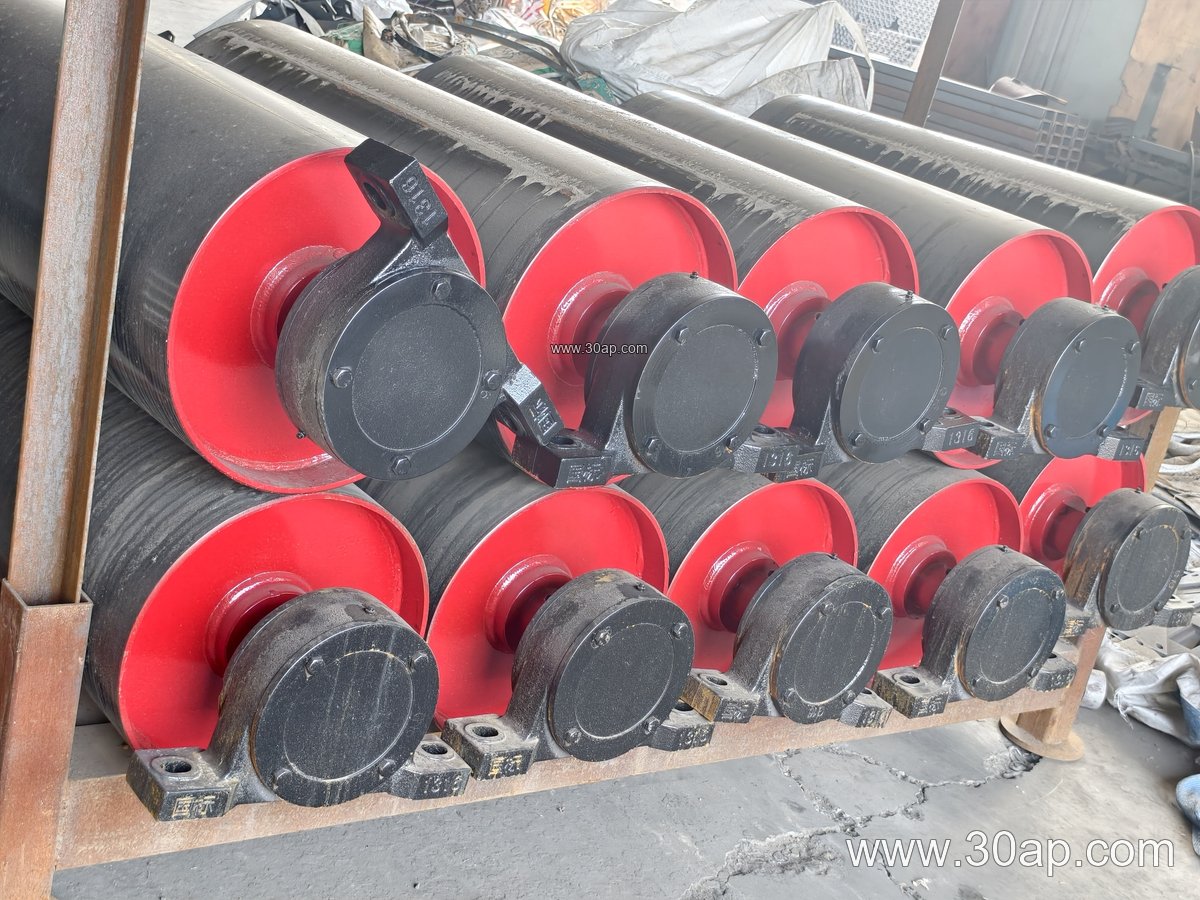
The backing compound is usually rubber, and the bond between tile and shell must be uniform across the full face width. Common lagging thicknesses include 8, 10, 12, 15 and 20 mm, with thicker layers chosen for larger drums and harsher duty. Surface forms can be flat-tiled or studded; the studded version is the one normally associated with anti-slip performance. A well-made ceramic lagged pulley has chamfered tile edges at the ends so the belt does not catch during tracking.
Where It Fits on the Conveyor
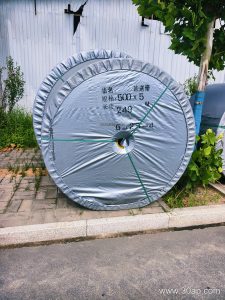
The most common home for this surface is the drive pulley at the head of a conveyor, where torque transfer is highest. It is also used on tail pulleys in wet pits and on bend or snub pulleys that see slurry carry-back. In a coal preparation plant, a ceramic lagged drive pulley can keep a Flame Retardant Conveyor Belt running true even when the return strand is damp. At a limestone quarry, the same drum type helps a Quarry Conveyor Belt hold traction on a short, steep incline where wrap angle is limited.
Position matters. A head or drive pulley needs the highest friction coefficient; a tail pulley mainly needs to resist build-up and keep the belt centred. A bend pulley used to increase wrap on the drive is a different duty again, and calling all three by one name hides real design differences. When specifying, state the position, the belt tension and the wrap angle, not just the drum size.
Matching Drum Size to the Belt Line
Pulley diameter is chosen from belt tension, belt construction and the minimum bend radius the belt can tolerate. Face width normally exceeds belt width so the belt is fully supported. Reference combinations seen in catalogues include B800 × Ø500, B1200 × Ø1000 and B1400 × Ø800, but these are examples, not fixed pairings. A wider belt does not automatically dictate one diameter, and shaft diameter is set by torque and load rather than by belt width alone.
| Belt width (B) | Typical pulley face width | Common diameter range | Common lagging thickness |
|---|---|---|---|
| B500 | about 600 mm | Ø250 to Ø500 | 8 to 12 mm |
| B650 | about 750 mm | Ø315 to Ø630 | 10 to 15 mm |
| B800 | about 950 mm | Ø400 to Ø800 | 10 to 15 mm |
| B1000 | about 1150 mm | Ø500 to Ø1000 | 12 to 20 mm |
| B1200 | about 1400 mm | Ø630 to Ø1250 | 12 to 20 mm |
| B1400 | about 1600 mm | Ø800 to Ø1400 | 15 to 20 mm |
| B1600 | about 1800 mm | Ø1000 to Ø1600 | 15 to 20 mm |
Common shaft diameters range from Ø50 to Ø200 mm depending on torque. The table is reference data only; final values come from the conveyor design calculation.
Buyer Checklist Before Ordering
- Confirm the pulley position: drive, tail, bend, take-up or snub, since each has a different traction requirement.
- Give belt type and tension. A Steel Cord Conveyor Belt and a multi-ply fabric belt impose different loads on the shell and lagging.
- State the environment: wet, dusty, oily or abrasive. Ceramic lagging suits wet and gritty duty; an Oil Resistant Conveyor Belt line may call for a different backing compound.
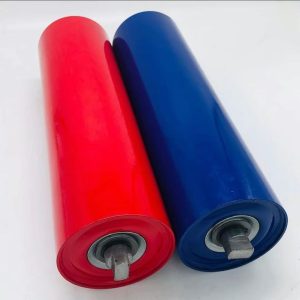
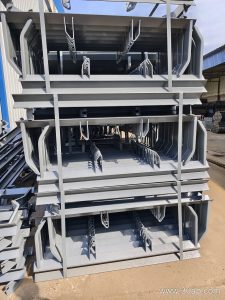
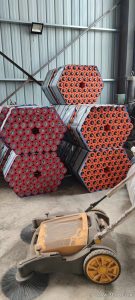
- Check belt tracking and crown. Ceramic tiles are hard and unforgiving, so belt misalignment must be corrected at the conveyor bracket and idler roller stations, not blamed on the drum.
- Ask how tiles are bonded and whether edges are chamfered; poor bonding leads to tile loss.
- Plan inspection. Worn or missing studs reduce grip, so check the surface at each shutdown.
A correctly specified anti-slip ceramic lagged pulley gives long service in wet, abrasive bulk handling, from a cement plant clinker line to a port shiploader. Pair it with a suitable conveyor belt and well-aligned idlers, and the drive train will run with less slip and less belt wear. See more conveyor pulley options at https://www.beltconveyors.net and match the drum to your actual belt line.