What an Industrial Conveyor Pulley Does
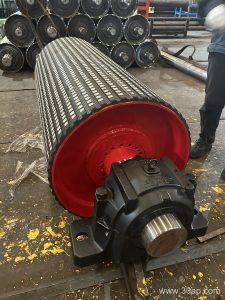
An industrial conveyor pulley is the rotating drum that drives, redirects, or tensions the conveyor belt on a bulk handling system. It transfers torque from the drive unit into the belt through friction at the contact surface, and it sets the belt path at the head, tail, and intermediate positions. In a quarry, a coal washing plant, or a cement clinker line, the pulley is one of the few components that touches the belt continuously, so its diameter, face width, lagging, and shaft design all influence belt life and uptime.
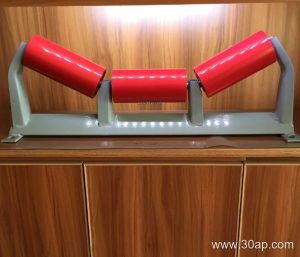
The same assembly, often simply called a conveyor drum, works alongside conveyor idler rollers that support the belt on the carrying and return runs. Together they keep a heavy-duty conveyor belt tracking straight and running at the designed tension.
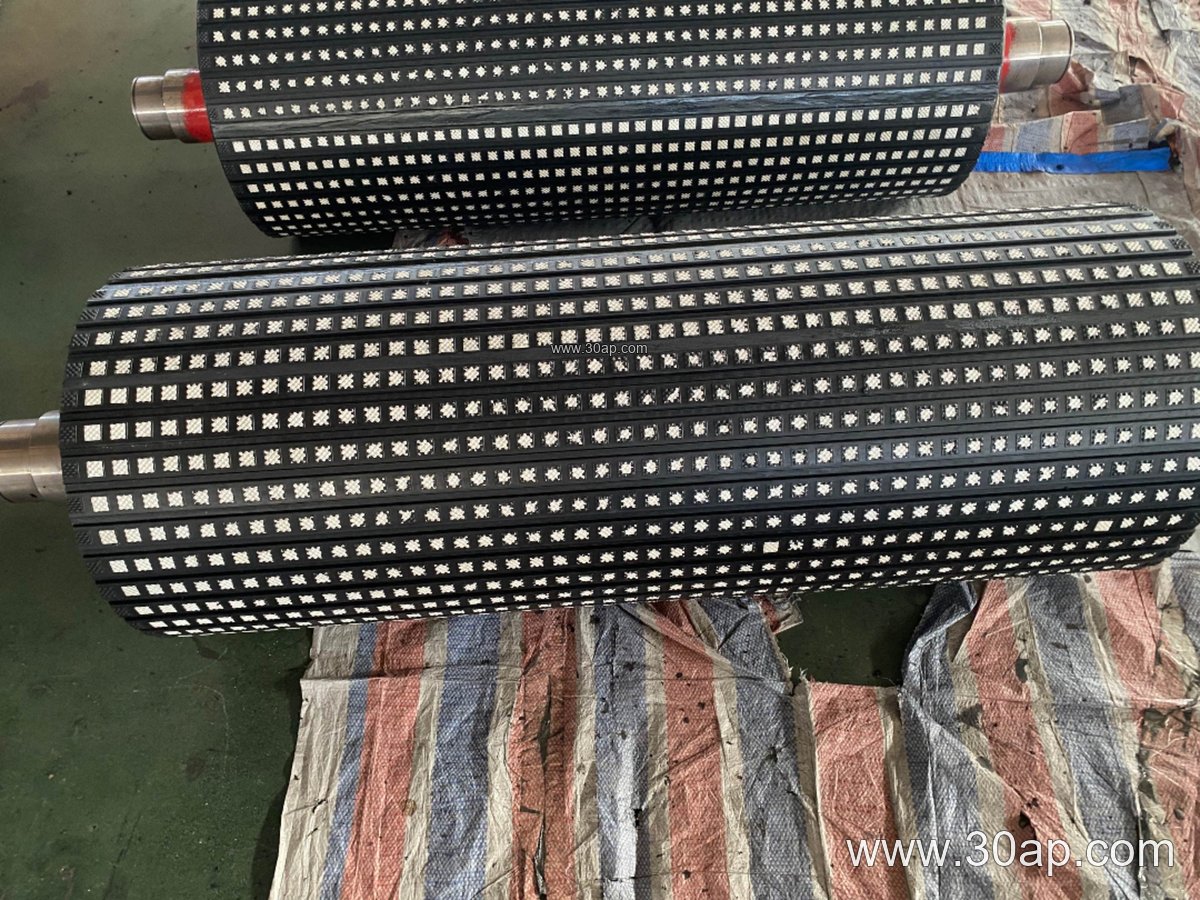
How the Pulley Is Built
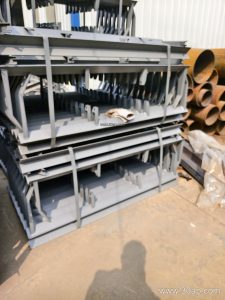
A typical unit combines a cylindrical shell, two end discs, a shaft, hub connections, and bearing housings mounted on a conveyor bracket. The shell is usually rolled steel, machined for balance, and covered with lagging where grip or wear protection is needed. Shaft ends are sized by torque and radial load rather than by belt width alone, so two conveyors with the same belt width may use very different shaft diameters.
Common shaft sizes include Ø80, Ø100, Ø120, Ø140, and Ø160 mm, but the final value comes from the drive calculation. Face width usually exceeds the belt width to allow for mistracking. For example, a B800 belt often runs on a pulley with roughly 950 mm face width, while a B1200 belt may use about 1400 mm. Diameter and belt width are matched by design, not by a fixed rule.
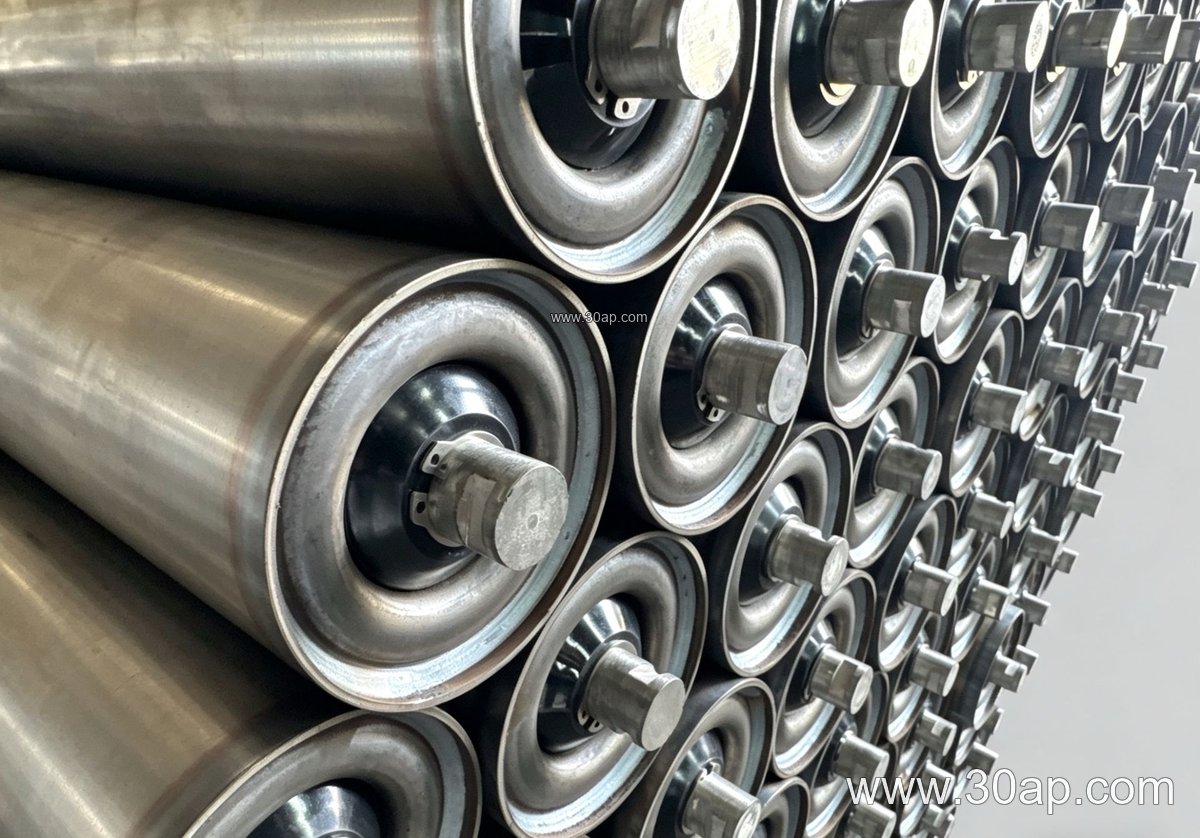
Drive, Tail, and Bend Positions Are Not Interchangeable
A drive pulley, also called the head pulley, transmits power and is often the largest drum in the system. A tail pulley at the loading end redirects the return belt and may include a tensioning function. A bend pulley changes belt direction without driving. Each position has different torque, wrap angle, and wear conditions, so they should be specified separately.
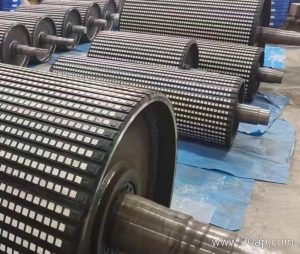
In a port bulk terminal or a power plant coal yard, the head drum may carry diamond or ceramic lagging for grip, while the tail drum uses a plain or rubber-lagged surface to shed material. A conveyor pulley at a tensioning station may be smaller in diameter but must still handle the full belt tension.
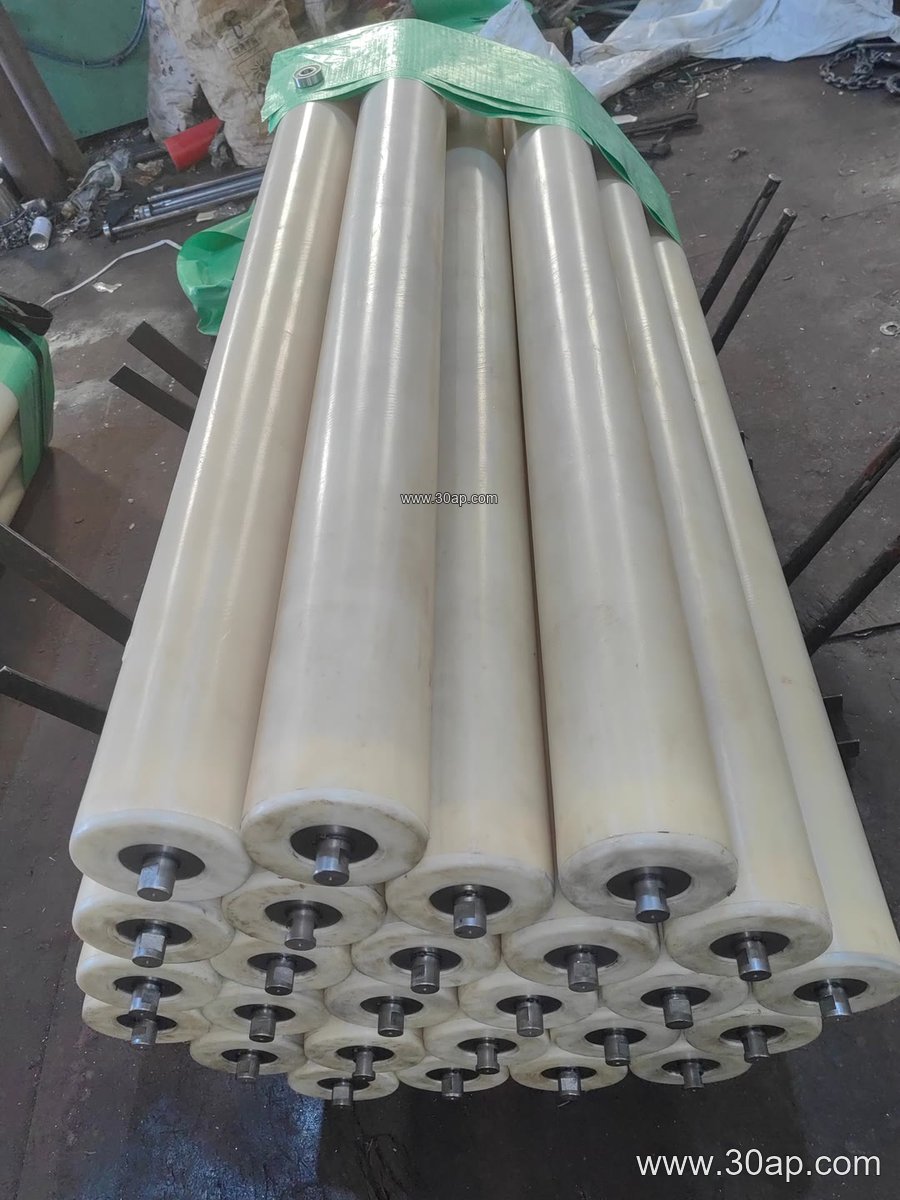
Lagging and Surface Options
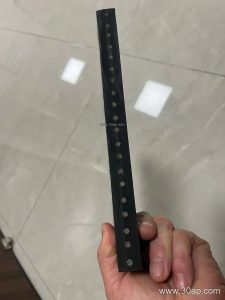
Surface form affects friction, cleaning, and service life. Plain finish suits some non-drive positions. Rubber lagging, applied by cold bonding or hot vulcanizing, improves grip and reduces belt slip. Diamond grooving helps water drainage, while ceramic tiles resist abrasion in iron ore or hard rock duty. Lagging thickness commonly ranges from 8 mm to 20 mm depending on the application.
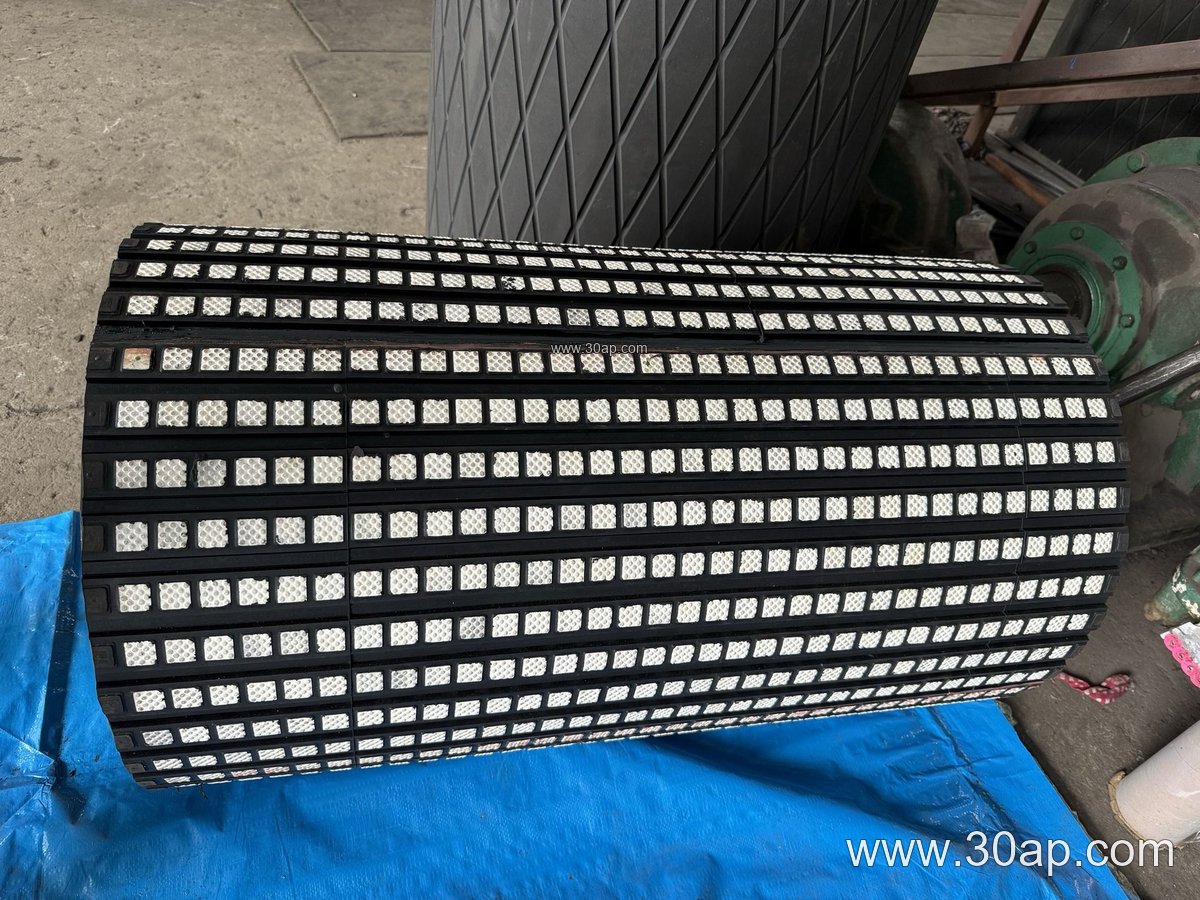
Selection should consider the conveyed material and the belt cover. An abrasion resistant conveyor belt running in a sand and gravel line may pair well with a wear-resistant lagging, while an oil resistant conveyor belt in a recycling plant needs a compatible rubber compound. In underground coal mining, a flame retardant conveyor belt and anti-static properties are part of the safety package, and the pulley lagging should be chosen with the same environment in mind.
Matching the Pulley to the Belt and Duty
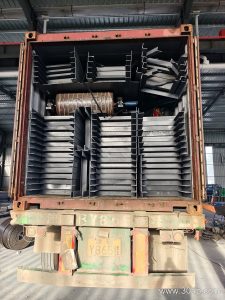
Belt construction influences pulley choice. A multi-ply fabric core conveyor belt or an EP conveyor belt with moderate tension may run on a Ø500 or Ø630 drum, while a steel cord conveyor belt on a long overland route often needs a larger diameter such as Ø1000 or Ø1250 to limit bending stress. A pipe conveyor belt and a corrugated sidewall conveyor belt have their own geometry requirements, so the pulley face and diameter must follow the belt manufacturer’s data.
Buyers should provide belt width, belt type, operating tension, belt speed, material characteristics, and the pulley position. A common size reference includes B650 × Ø400, B1000 × Ø630, and B1400 × Ø800, but these are examples only. Final dimensions, shaft diameter, bearing selection, and lagging should be confirmed against the conveyor design.
Buyer Checklist
- Confirm the pulley function: drive, tail, bend, tension, or snub.
- State belt width and belt type, including whether it is a fabric core or steel cord construction.
- Provide tension, torque, and speed data so the shaft and bearings can be sized correctly.
- Choose lagging for grip, wear, and material build-up, not by habit.
- Check face width, diameter, balance, and bearing housing fit before installation.
- Plan inspection of lagging wear, belt tracking, and bearing condition as part of routine maintenance.
For more information on conveyor components and industrial conveyor pulley options, visit belt-conveyor-pulley.com and review the technical data before specifying a drum for a new or replacement conveyor.