What a Five-Roll Idler Bracket Does
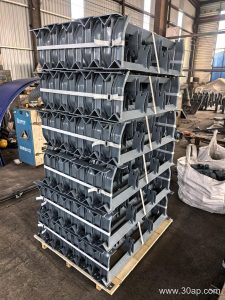
A five-roll idler bracket is a support frame that carries five idler rollers under the loaded side of a conveyor belt. Instead of the usual three-roll trough set, it spreads the belt across a wider, shallower arc using two extra rolls. The result is a deeper trough profile with more contact points, which helps keep bulk material centered on wide belts. In a quarry, a coal preparation plant, or a cement plant, this bracket is often chosen where belt widths and material loads are large enough that a standard three-roll arrangement would leave the belt sagging between rolls or spilling at the edges.
The bracket is a structural part, not a rotating part. It positions and holds the idler rollers, and through them it shapes the conveyor belt into the trough that carries the load. Its geometry therefore affects belt tracking, material containment, and the working life of both the belt and the rollers.
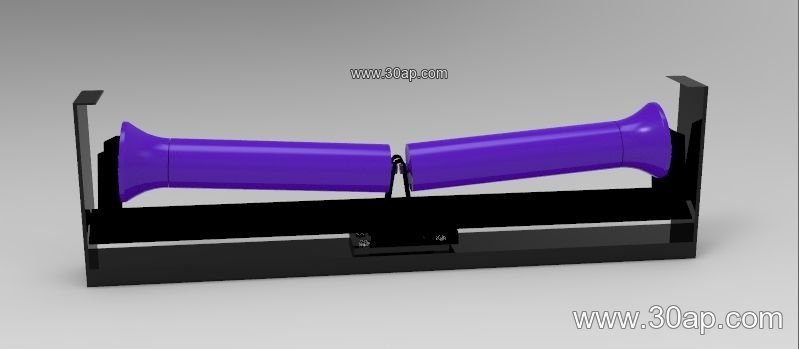
How the Bracket Is Built
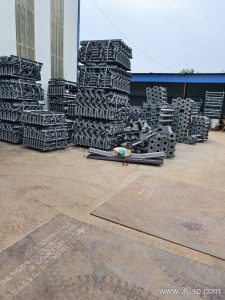
Most five-roll idler brackets are fabricated from angle steel, channel steel, or folded steel plate. The frame usually has a central horizontal section, two inclined wings, and end plates drilled to match the idler shaft ends. The five positions are arranged so that the two outer rolls sit at a steeper angle and the inner rolls form a gentler transition toward the center.
Key construction points a buyer should check include:
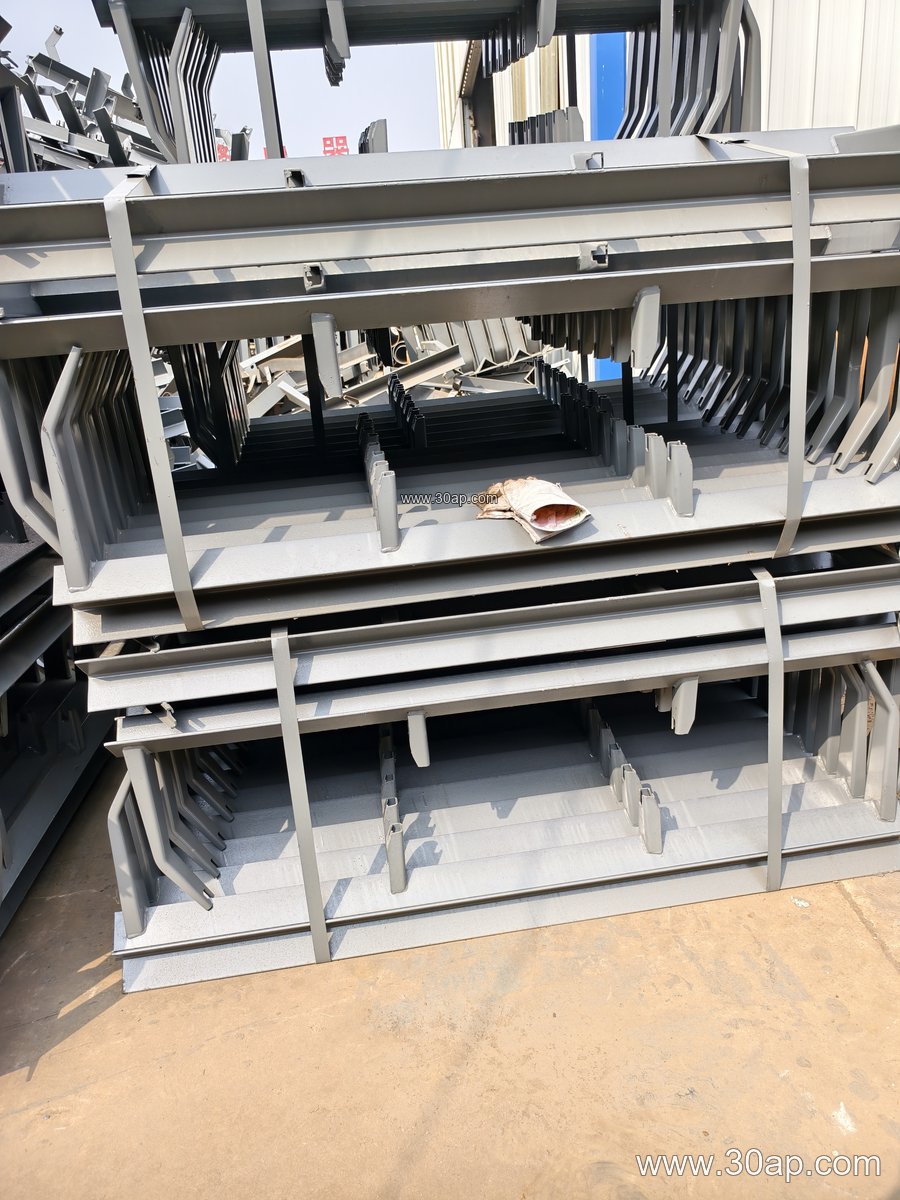
- Weld quality at the wing-to-base joints, since these carry the repeated load of the belt and material.
- Hole spacing for the idler shafts, which must match the roller diameter and shaft ends.
- Overall crossbeam length and mounting hole pattern, which follow belt width and trough angle rather than a single fixed figure.
- Surface treatment, such as painting or galvanizing, for humid or dusty sites.
Because the bracket is often bolted to the conveyor stringer, the mounting holes and the height of the frame should be confirmed against the existing structure before ordering.
Where Five-Roll Sets Fit Best
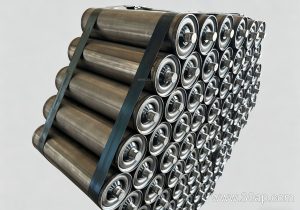
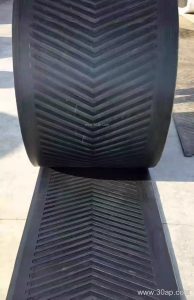
The five-roll arrangement is common on wide, high-capacity lines. In an iron ore or copper ore handling circuit, a heavy-duty mining conveyor belt can be broad and heavily loaded, and the extra rolls help support it without excessive edge stress. In a power plant coal yard, a flame retardant conveyor belt running at high tonnage may also use this bracket where spillage control matters. Similar logic applies in sand and gravel lines and in limestone crushing sections, where an abrasion resistant conveyor belt carries sharp, dense material.
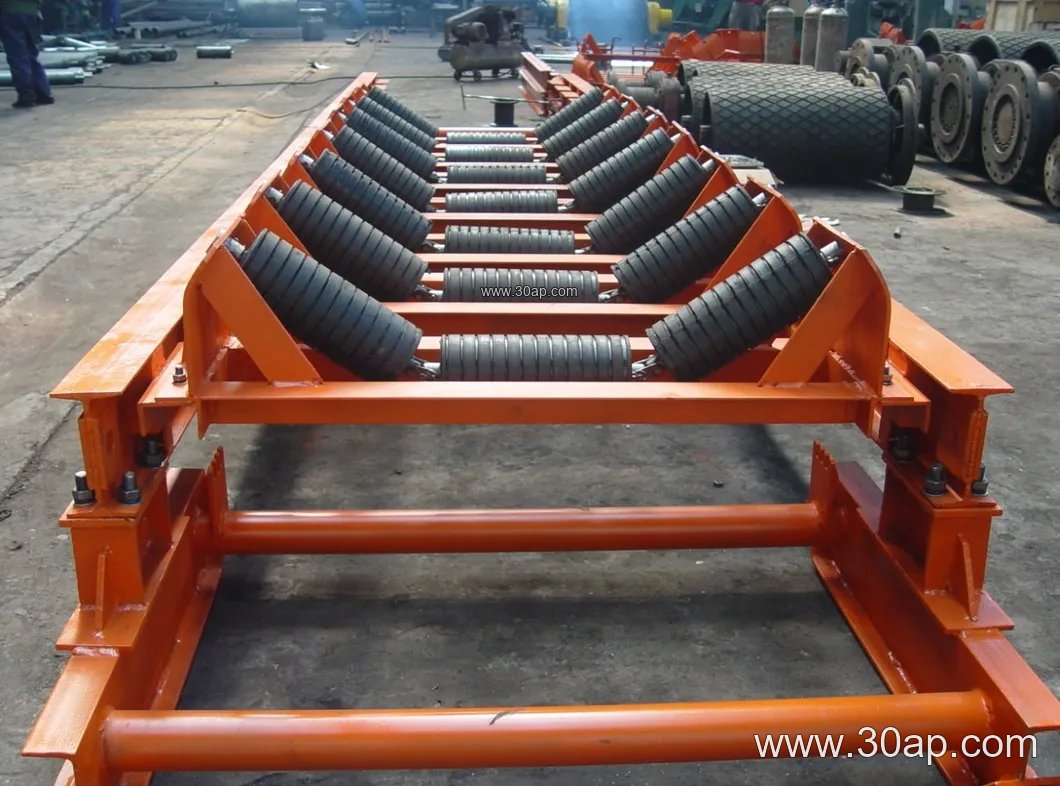
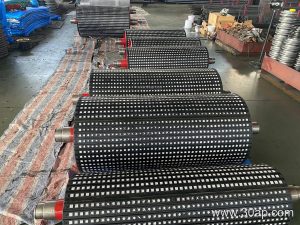
It is worth noting that the bracket works together with the idler roller, the conveyor pulley at the head and tail, and the belt itself. A well-matched set reduces belt edge wear; a poorly matched one can cause tracking problems regardless of belt quality.
Trough Angle and Roller Diameter Choices
Trough angle is a design decision, not a universal rule. Common trough angles for five-roll brackets are 20, 30, 35, and 45 degrees, and adjustable brackets can move between these angles to suit the material and belt stiffness. A larger angle gives deeper material containment but raises the bending stress on the belt edges. Roller diameters such as Ø89, Ø108, Ø133, Ø159, and Ø194 are used according to load and belt speed, and the bracket must be ordered for the correct shaft size.
The table below shows reference combinations only. They are examples, not fixed pairings, and actual selection depends on the conveyor design.
| Belt width | Trough angle | Roller diameter | Typical setting |
|---|---|---|---|
| B800 | 35 degrees | Ø108 | Aggregate and sand lines |
| B1000 | 35 degrees | Ø133 | Cement plant clinker |
| B1200 | 45 degrees | Ø133 | Coal preparation plant |
| B1400 | 35 degrees | Ø159 | Iron ore transfer |
| B1600 | 45 degrees | Ø159 | Power plant coal handling |
| B1800 | 35 degrees | Ø194 | Large port bulk terminal |
Buyer Checklist
Before ordering a five-roll idler bracket, confirm the belt width, the required trough angle, the idler roller diameter and shaft end type, and the mounting hole spacing on the existing conveyor frame. Ask whether the bracket is fixed or adjustable, and whether it is intended for the carrying side only or also for a return arrangement. Check that the paint or coating suits the site conditions, and confirm that the supplied frame matches the conveyor bracket already in use.
On a mining conveyor belt line, small mismatches in bracket geometry can shorten roller life and disturb belt training. A clear specification at the purchasing stage is usually cheaper than correcting tracking faults later. For sites handling abrasive or hot material, pairing the bracket with a suitable abrasion resistant conveyor belt or heat resistant conveyor belt also helps the whole system last longer.