What a Conveyor Leg Does on a Belt System
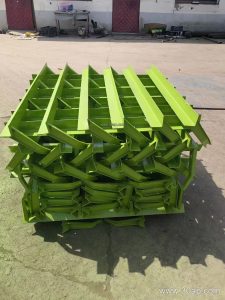
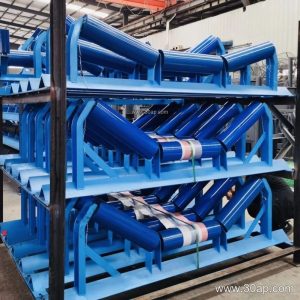
A conveyor leg is the vertical support that carries the weight of the conveyor frame, idler roller assemblies, and the loaded conveyor belt down to the floor or foundation. In a typical troughing section, the leg works together with a conveyor bracket and crossbeam to hold the idlers at the correct height and angle. Get the legs right and the whole structure runs steady; get them wrong and you will see belt misalignment, frame vibration, and premature wear on the idlers and pulleys.
These supports appear in almost every bulk handling line, from a quarry conveyor belt moving blasted rock to a cement plant transfer house or a power plant coal yard. The design is simple, but the details matter more than most buyers expect.
How a Conveyor Leg Is Built
Most legs are fabricated from angle steel, channel steel, or folded steel plate. A fixed leg is welded or bolted to a base plate and sized for a specific frame height. An adjustable leg uses slotted holes, telescoping sections, or threaded adjusters so the frame height can be trimmed during installation or later when the foundation settles.
Key construction points to check:
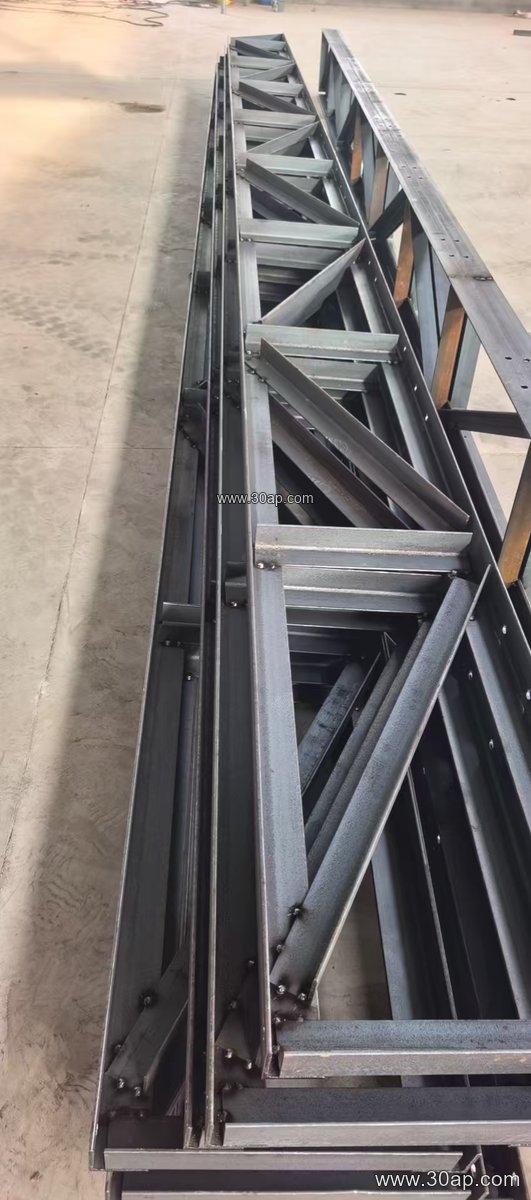
- Base plate thickness and hole pattern for anchor bolts
- Welding quality at the foot and at the top connection
- Hot-dip galvanizing or paint system for dusty, wet, or corrosive sites
- Bolt spacing that matches the conveyor bracket and crossbeam
Leg height, hole spacing, and crossbeam length are determined by belt width, trough angle, and the chosen idler diameter. They are not fixed numbers, so always confirm the drawing against the actual frame design.
Matching Legs to Belt Width and Trough Angle
The support geometry follows the belt and idler layout. A narrow frame such as B650 with a 30 degree trough and Ø89 idlers needs a much lighter leg than a B1400 frame running 45 degree troughs on Ø133 or Ø159 rollers. Typical reference combinations include B800 with 35 degrees and Ø108, or B1200 with 45 degrees and Ø133, but these are examples of common practice, not mandatory pairings. A single belt width can be supported by different trough angles and roller diameters depending on capacity and material.
On long overland or plant lines carrying heavy ore, wider frames such as B1600 or B1800 are common, and the legs must be sized for the extra load. Where the belt carries a heavy-duty mining conveyor belt or a steel cord conveyor belt, the frame and legs should be checked for the resulting tension and weight.
Where Conveyor Legs Are Used
Two settings illustrate the range well. In a limestone quarry, legs support the primary and secondary crusher discharge belts, often on uneven ground where adjustable height helps level the frame. In a coal-fired power plant, legs carry the coal handling conveyors through transfer towers and along galleries, where flame retardant conveyor belt and anti-static properties are specified for safety.
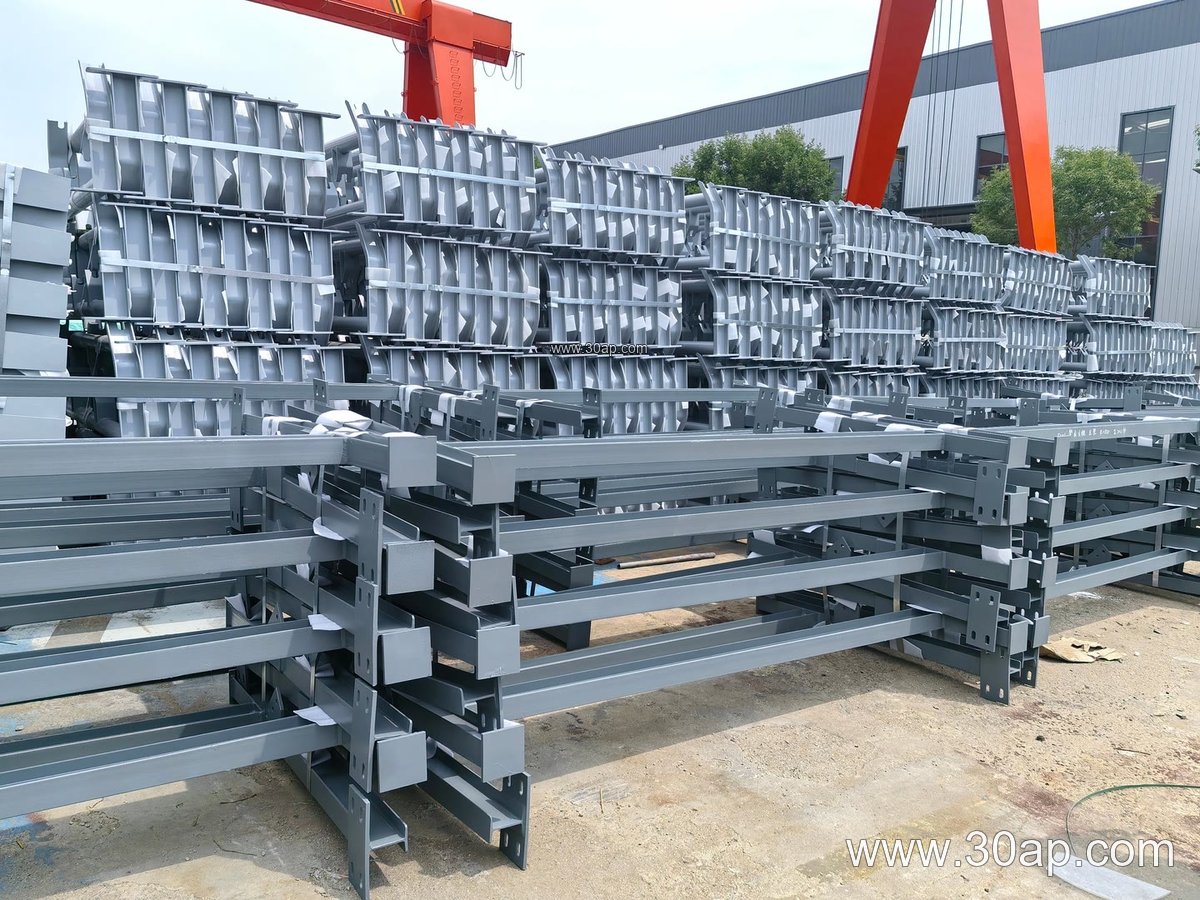
The same support principle applies to a sand and gravel line, a cement clinker conveyor, or a port shiploading system. In each case the leg is the quiet component that keeps everything above it aligned.
Buyer Checklist Before Ordering
- Frame height and adjustment range: confirm finished height and how much adjustment is needed.
- Belt width and trough angle: state B width and the trough angle so the bracket and crossbeam match.
- Idler diameter: Ø89, Ø108, Ø133, Ø159, or Ø194 all change the mounting height.
- Load and spacing: leg spacing follows the load on the belt and the idler spacing.
- Environment: galvanized legs suit wet washing plants; painted legs are fine in dry cement halls.
- Foundation type: concrete anchor bolts or steel structure bolting changes the base plate design.
Ask for a dimensional drawing showing hole centers, base plate size, and the connection to the conveyor bracket. A leg that does not match the frame is a costly field problem.
Installation and Maintenance Notes
Set legs on a level base and shim where needed before final tightening. Check that paired legs are square to the belt centerline; a twisted frame will push the belt to one side and load the idler roller bearings unevenly. After the first weeks of operation, recheck anchor bolts and adjustment locks, especially on crusher discharge lines where impact loads are high.
Inspect for corrosion at the base plate, where moisture collects. Repaint or replace damaged sections before the steel loses section thickness. Keeping legs and brackets in good condition protects the conveyor pulley, the belt, and the idlers downstream.