What a Conveyor Idler Bracket Does
A conveyor idler bracket is the fixed or adjustable support that holds idler rollers in the correct position under and along a conveyor belt. It sets the trough angle on the carrying side, keeps the return strand aligned, and transfers load from the rollers into the conveyor frame. In a quarry, a coal preparation plant, or a cement plant, the bracket is a small part of the total structure, yet it decides how evenly the belt sits and how long the rollers last.
Buyers often call this part a conveyor bracket, roller support bracket, or idler frame. All of these refer to the same item: a bracket assembly that mounts idlers rather than a drive, tail, or bend pulley. Pulleys handle traction and direction changes; brackets handle roller location and belt profile.
How It Is Built
Most brackets are fabricated from angle steel, channel steel, or folded steel plate. The two side arms hold the inclined carrying rollers, while a base beam or cross member ties the assembly to the conveyor stringer. Slots or multiple bolt holes allow adjustment, and a welded stop can set a fixed trough angle. Surface treatment is usually painting or galvanizing, depending on the environment.
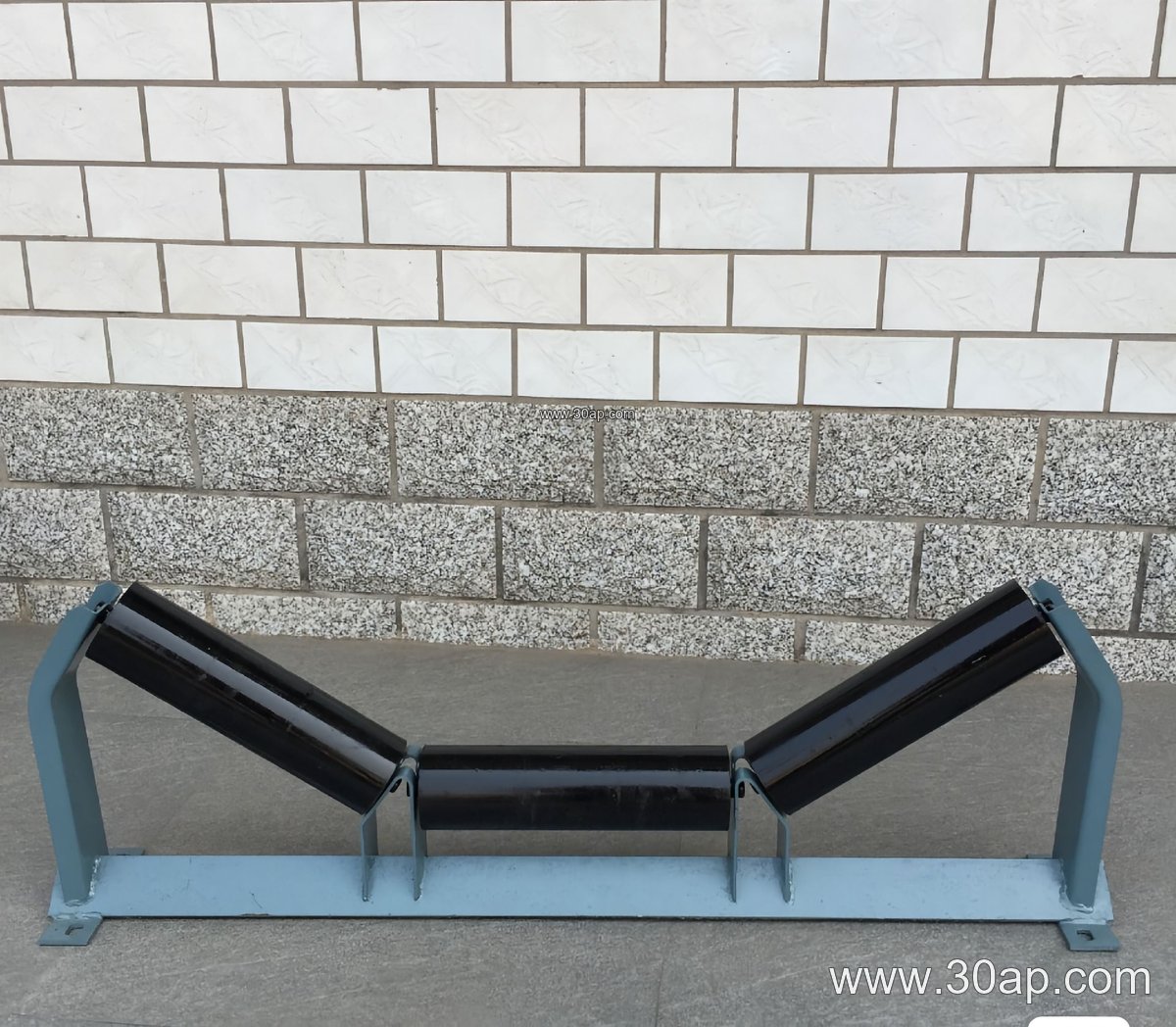
Common forms include upper trough brackets, transition brackets, return brackets, V-return brackets, impact brackets, self-aligning brackets, forward-leaning brackets, suspended brackets, and adjustable brackets. Each one solves a different alignment or load problem. For example, an impact bracket is used where material drops onto the belt, while a self-aligning bracket helps correct belt drift.
Common Reference Ranges
The table below gives typical reference values for planning and comparison. Actual hole spacing and beam length are determined by belt width, trough angle, and frame design.
| Item | Typical Reference Range |
|---|---|
| Belt width | B500, B650, B800, B1000, B1200, B1400, B1600, B1800, B2000, B2200 |
| Trough angle | 20°, 30°, 35°, 45°; adjustable brackets can move between these angles |
| Idler diameter | Ø89, Ø108, Ø133, Ø159, Ø194 |
| Material | Angle steel, channel steel, folded steel plate |
| Forward lean | Usually about 1.5° to 2° |
Use these figures as reference data, not as fixed pairings. A B800 belt may run with a 35° trough and Ø108 rollers, while a B1200 line may use 45° and Ø133, but many other combinations work depending on load and belt stiffness.
Where It Fits in the System
On a stone crushing line, the carrying bracket supports a multi-ply fabric core conveyor belt or an EP conveyor belt loaded with aggregate. In a coal mining conveyor, flame retardant and anti-static belts are common, and the same bracket keeps the trough profile steady through transfer points. A steel cord conveyor belt in an iron ore or copper ore operation needs strong roller support, so heavy-duty brackets and larger roller diameters are often selected.
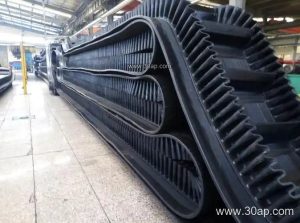
In a power plant coal yard, a heat resistant conveyor belt may run near hot material, and the bracket must keep its shape without adding vibration. At a port or ship loading terminal, wide belts such as 1800mm or 2000mm benefit from brackets that hold a consistent trough across the full width. A rubber conveyor belt, an abrasion resistant conveyor belt, or a chevron conveyor belt all rely on correct bracket alignment to avoid edge wear.
Buyer Checklist
- Confirm belt width and the required trough angle before ordering.
- Match the bracket to the roller diameter and bearing style used on the line.
- Decide between fixed and adjustable brackets; adjustable types suit lines where the trough angle may change.
- Check mounting hole spacing against the existing conveyor frame, since this is not fixed by belt width alone.
- Consider environment: dust, moisture, and corrosive material may call for galvanized or painted finishes.
- For impact zones, use impact brackets rather than standard carrying brackets.
A well-chosen conveyor idler bracket keeps the belt centered, reduces roller wear, and supports smooth material flow. Whether the line handles limestone, coal, clinker, or ore, the bracket should be selected together with the idlers, the conveyor pulley, and the belt specification rather than as a separate item.