What a Take-Up Wheel Pulley Does
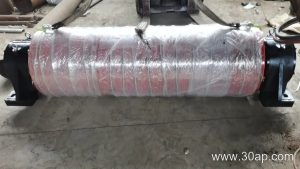
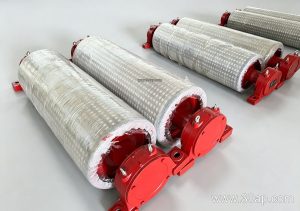
A take-up wheel pulley is a specialized conveyor pulley mounted in the tensioning section of a belt conveyor. Its primary role is to maintain proper belt tension as the system operates, compensating for stretch and load variations. Unlike a drive pulley that transmits power or a tail pulley that redirects the belt at the loading point, this pulley is dedicated to the take-up function. It is often positioned on a movable carriage or a vertical slide, allowing it to travel and keep the conveyor belt taut. In industries such as coal mining, cement plants, and iron ore operations, consistent tension is critical to prevent belt slip and material spillage.
Construction and Key Components
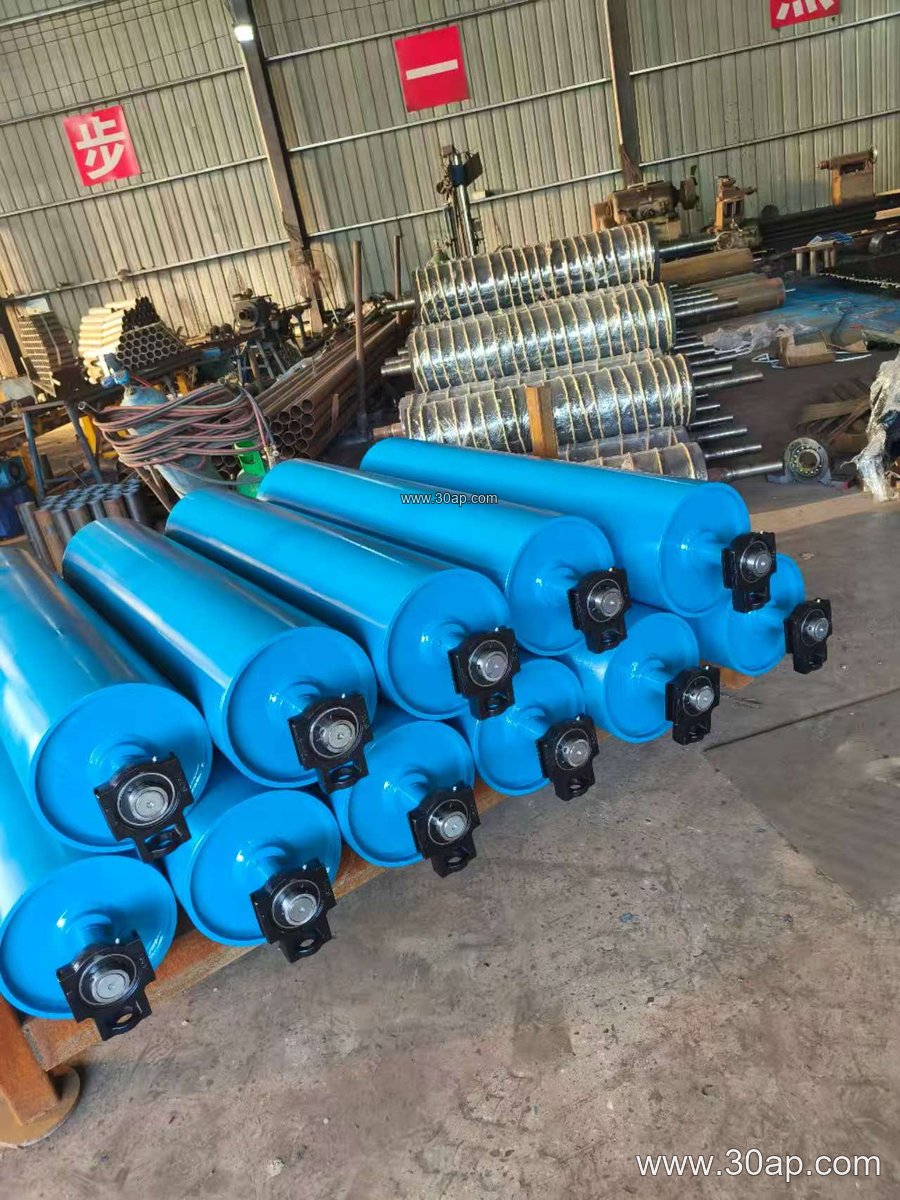
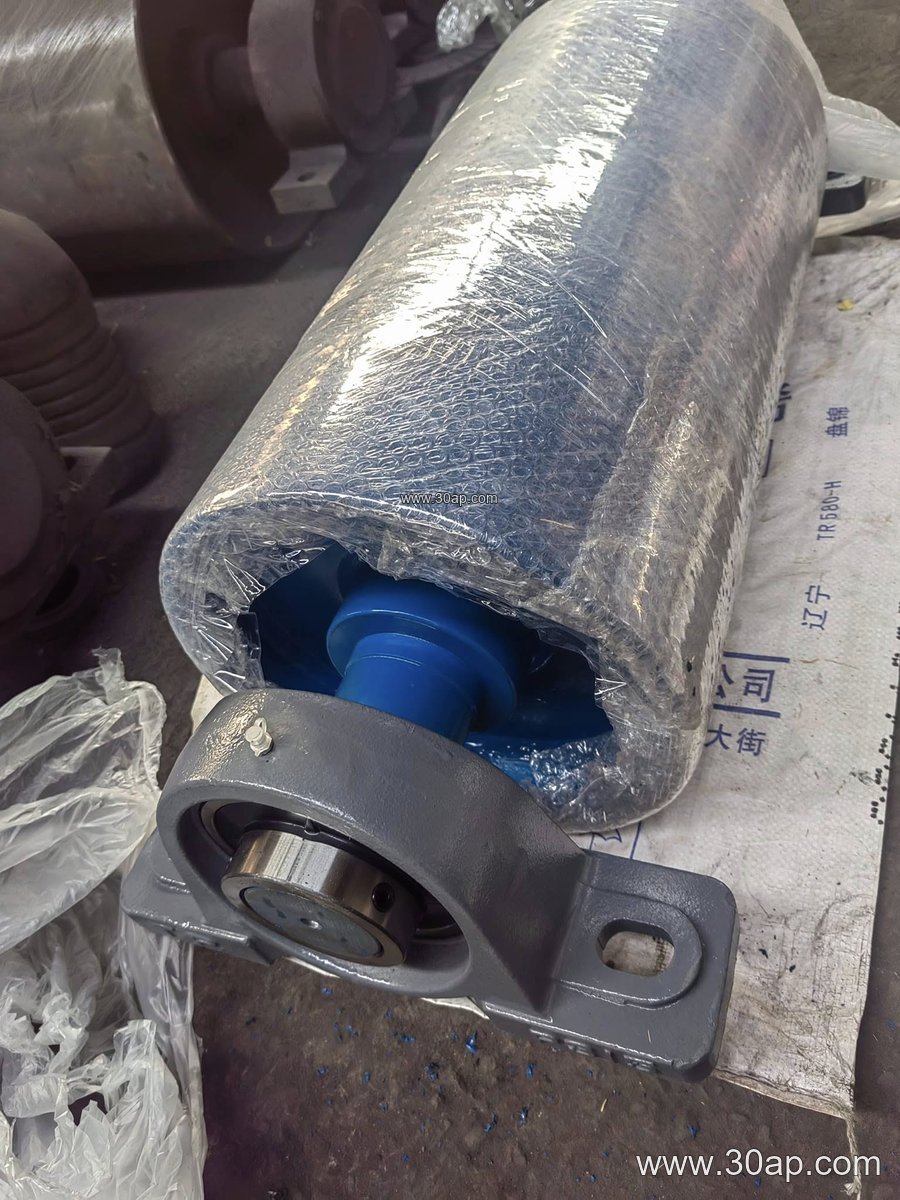
The take-up wheel pulley is built around a robust cylindrical shell, typically machined from steel pipe or plate. The shell is fitted with end discs and a shaft that connects to the tensioning mechanism. Surface options vary by application: plain finish for general use, or rubber lagging (cold-bonded, hot-vulcanized, or diamond-pattern) to improve grip and reduce wear. Common lagging thicknesses are 8, 10, 12, 15, and 20 mm. The pulley is supported by bearings housed in a bearing block, which may be mounted on a sliding frame. Shaft diameters commonly range from Ø50 to Ø200 mm, determined by torque and load rather than belt width alone. For reference, a B800 conveyor might use a Ø500 take-up wheel pulley with a 950 mm face width, but these are design-specific combinations, not fixed rules.
Where It Is Used
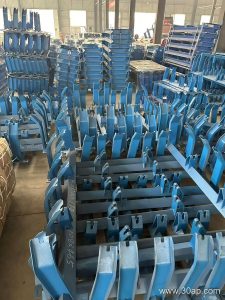
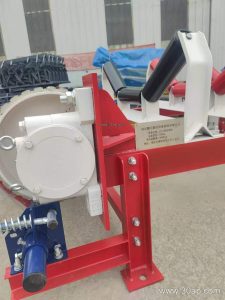
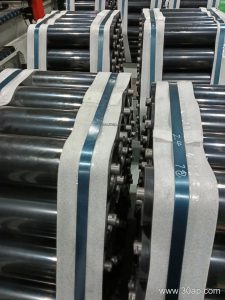
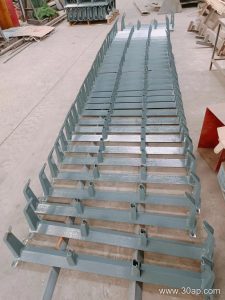
Take-up wheel pulleys are essential in bulk material handling systems where belt length changes due to elastic stretch or thermal expansion. You will find them in coal preparation plants, aggregate crushing lines, and power plant coal conveying. In a quarry conveyor belt system, for example, a take-up pulley at the tail end helps maintain tension after the crusher, while a heavy-duty mining conveyor belt may require a larger diameter pulley to handle high tension. They also appear in port ship loading conveyors and cement plant clinker transport. The pulley works in concert with idler rollers and conveyor brackets to keep the belt aligned and stable.
Selection and Sizing Considerations
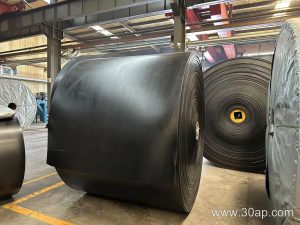
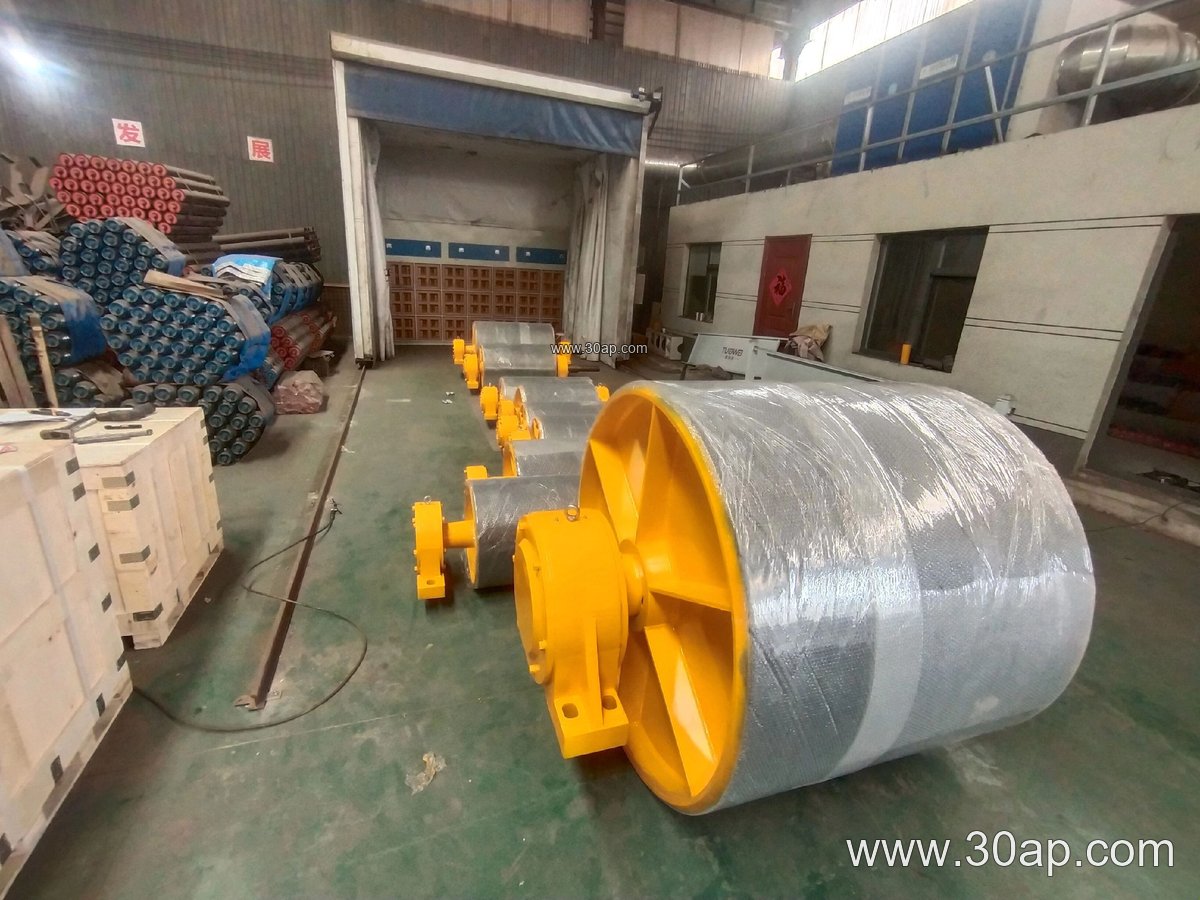
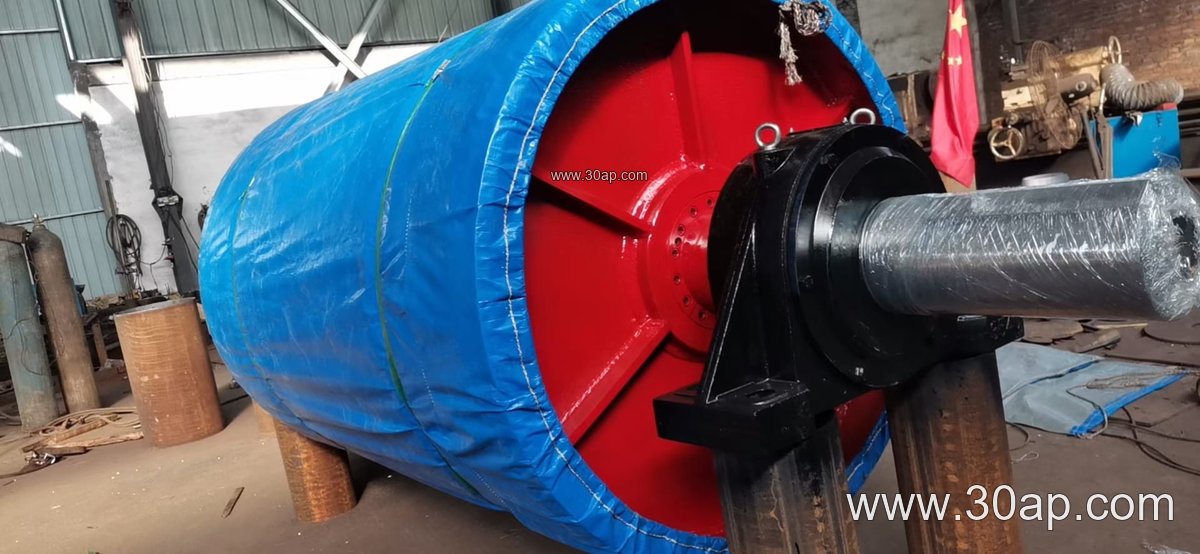
Choosing the right take-up wheel pulley involves matching the pulley diameter to the belt thickness and the required tension. Larger diameters reduce bending stress on the belt, especially with steel cord conveyor belt or thick fabric core conveyor belt. The face width should exceed the belt width by a suitable margin; for instance, a B1000 belt typically uses a pulley face around 1150 mm. Common combinations include B1200 × Ø1000 and B1400 × Ø800, but these are illustrative. The shaft diameter must be calculated from the actual torque and radial load, not simply derived from belt width. Lagging selection depends on environment: oil resistant conveyor belt may need oil-resistant lagging, while heat resistant conveyor belt applications require heat-tolerant rubber. For abrasive materials like iron ore or copper ore, diamond or ceramic lagging can extend pulley life.
Maintenance and Compatibility
Regular inspection of the take-up wheel pulley includes checking lagging wear, bearing condition, and slide movement. A misaligned or worn pulley can cause belt mistracking and premature failure of the conveyor belt. Keep the tensioning mechanism clean and lubricated. When replacing a pulley, verify the shaft diameter and keyway match the existing bearing housing. The take-up pulley should not be confused with a bend pulley, which only changes belt direction, or a drive pulley, which powers the belt. Each has a distinct role. For systems using flame retardant conveyor belt or anti-static conveyor belt in underground coal mining, the take-up pulley must also meet relevant safety standards for the environment.
Buyer Checklist
- Confirm belt width and required take-up travel.
- Specify pulley diameter based on belt type and tension, not just width.
- Select lagging type and thickness for the material and conditions.
- Provide shaft diameter and bearing size from actual load calculations.
- Check compatibility with conveyor brackets and idler roller layout.
Whether you are upgrading a cement plant conveyor or building a new aggregate line, the take-up wheel pulley is a small but vital component for reliable operation. For more information on conveyor pulleys and related products, visit our site at www.example.com/conveyor-pulley.