What a Conveyor Support Leg Does
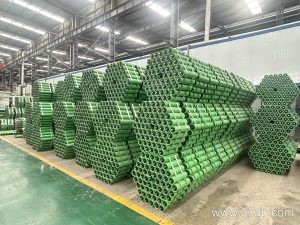
A conveyor support leg is the vertical steel member that carries the weight of the belt line down to the floor, foundation, or steel structure. In a typical frame, the leg works together with a cross beam and a conveyor bracket to hold the idler roller at the correct height and angle. Without a properly designed leg, the frame would sag, the belt would track poorly, and the whole conveyor would lose alignment under load.
The leg is not a glamorous part, but it decides how quietly and how long the system runs. On a quarry conveyor belt or a cement plant line, the legs are often the first place where vibration and material buildup show up.
How the Leg Is Built
Most legs are fabricated from angle steel, channel steel, or folded steel plate. The choice depends on the load and the environment. A light aggregate conveyor may use a simple folded plate leg, while a heavy-duty mining conveyor belt line in an iron ore plant usually needs a heavier channel section with gusseted feet.
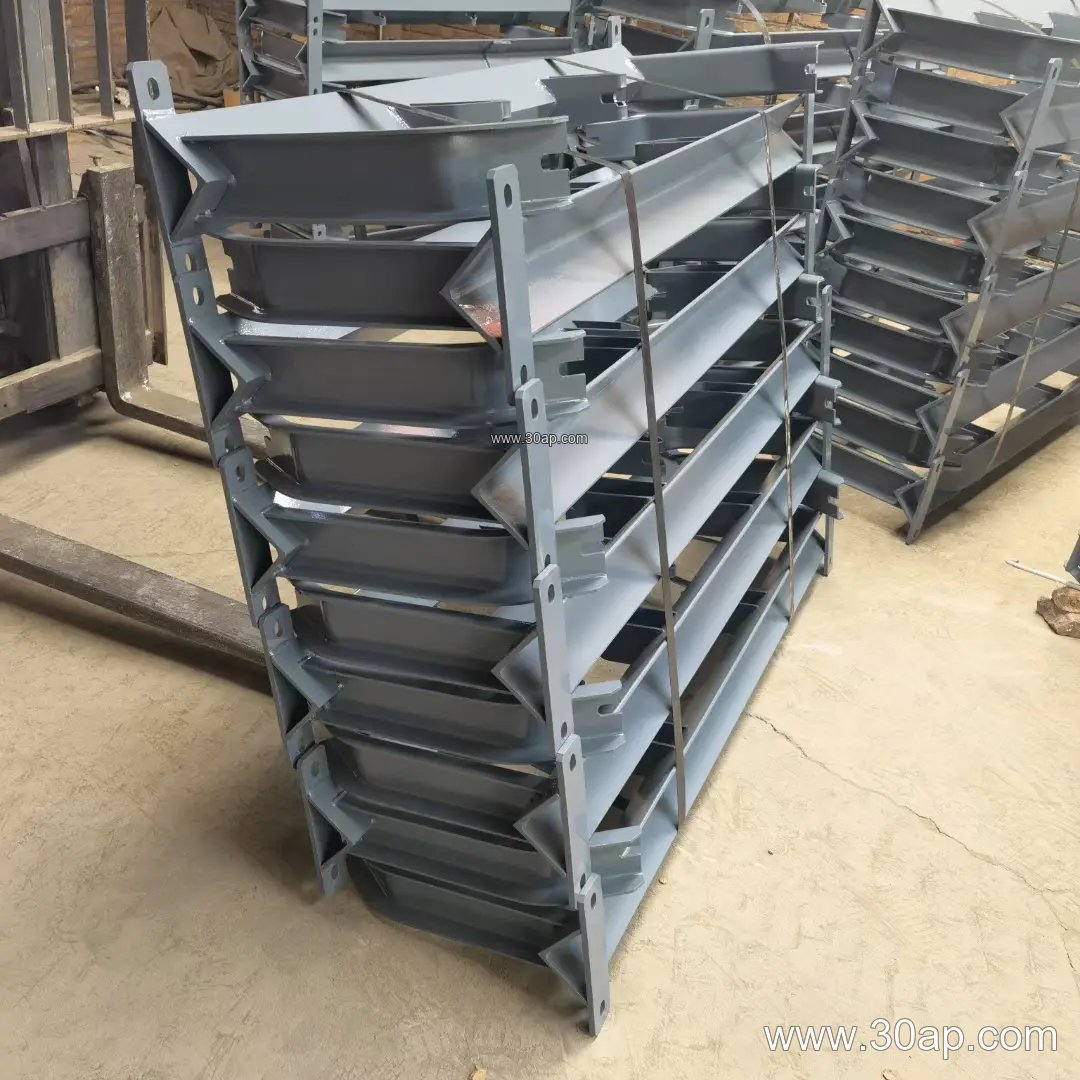
A leg normally includes a base plate with bolt holes, a vertical post, and a top connection that mates with the cross beam or the conveyor bracket. Adjustable versions add slotted holes or a telescoping section so the frame height can be trimmed on site. Welds should be continuous at load points, and hot-dip galvanizing or a suitable paint system is common where dust and moisture are present.
Where It Fits in the Frame
The leg is usually paired with an upper trough bracket, a return bracket, or a V-return bracket. On a B800, 35 degree, Ø108 arrangement, the leg carries the troughing frame that holds three idlers. On a wider B1200, 45 degree, Ø133 line, the same leg concept applies, but the beam span and the leg section grow accordingly.
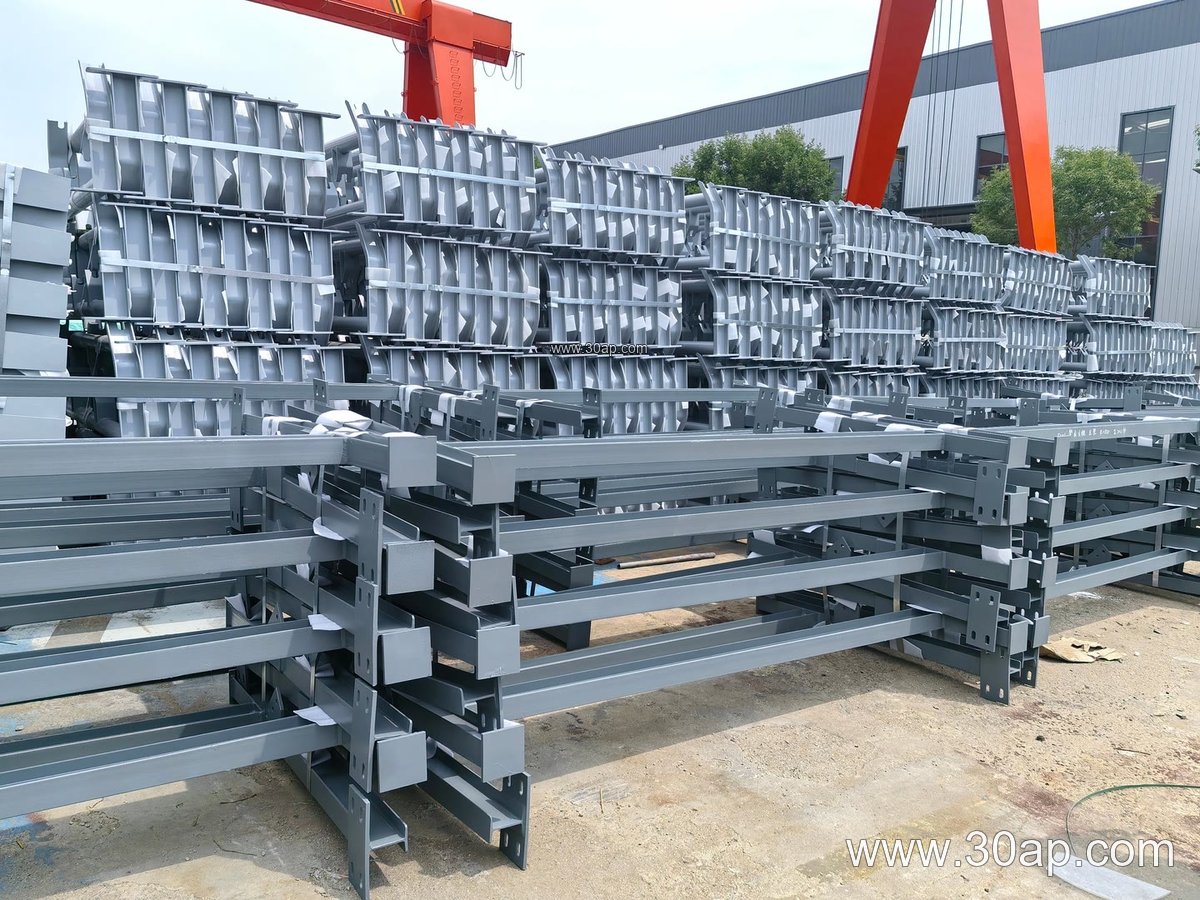
Installation hole spacing and beam length change with belt width and trough angle, so these are always confirmed by design rather than assumed. A leg that is too short or too tall will tilt the frame and disturb belt tracking.
Common Applications
Support legs appear wherever a conveyor needs floor-mounted or structure-mounted support. In a coal washing plant, they hold the frames above the floor so spillage can be cleaned. In a crushing and screening circuit, they sit under the discharge and transfer points where impact loads are high. Power plant coal handling systems, port loading lines, and fertilizer silos all use similar legs.
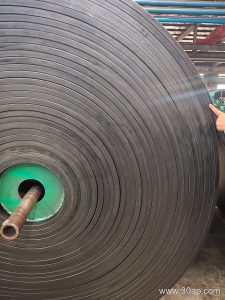
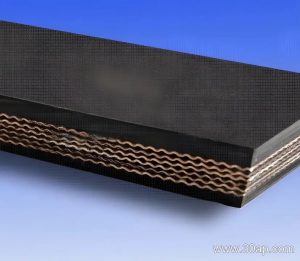
The leg must suit the belt it carries. A heavy-duty mining conveyor belt or a steel cord conveyor belt at high tension transfers more load into the frame, so the leg section and base plate are sized up. A flame retardant conveyor belt in an underground coal mine may need a leg design that fits restricted spaces.
Fixed, Adjustable, and Suspended Options
Fixed legs are bolted to a foundation and set at one height. Adjustable legs allow small corrections after installation, which is useful on uneven floors or where the structure settles. Hanging or suspended brackets replace the floor leg in some transfer towers, but they serve a different purpose and should not be treated as a direct substitute for a floor-mounted support leg.
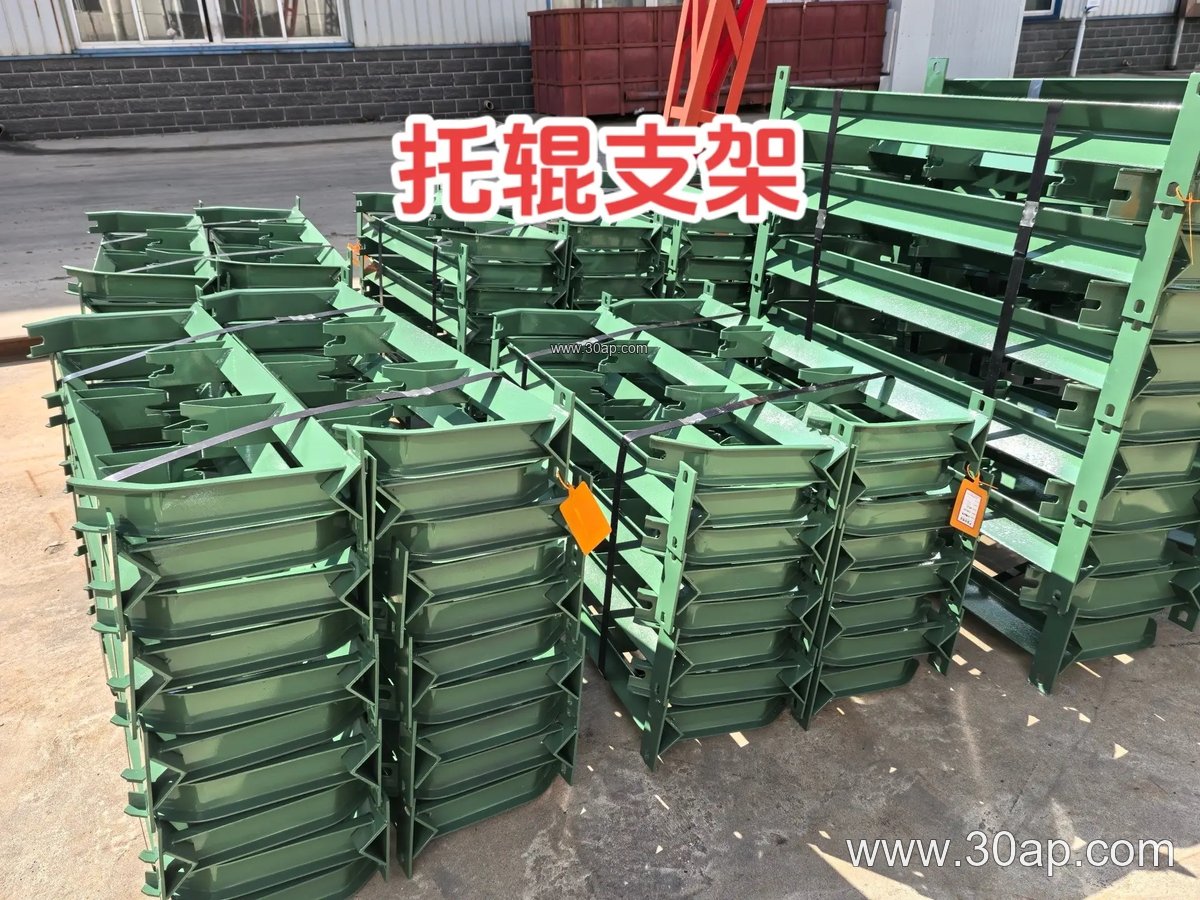
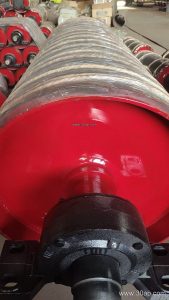
For comparison, a bend pulley or a tail pulley carries belt tension at the ends of the line, while the support leg only carries vertical frame load. The two are not interchangeable, and each has its own design rules.
What Buyers Should Check
- Belt width and trough angle, so the leg height and beam connection match the frame
- Idler diameter, since roller size affects frame height and load
- Material and finish, based on dust, moisture, and corrosion risk
- Base plate bolt pattern and whether adjustment slots are needed
- Compatibility with the existing conveyor bracket and cross beam
Ask for a drawing that shows the leg with the frame, not the leg alone. Confirm the steel grade and the coating in writing. Buyers working with a rubber conveyor belt supplier or an EP conveyor belt supplier often order legs together with frames and idlers to keep dimensions consistent. For spare parts planning, keep a small stock of base plates and bolts, because these are the items most often lost during maintenance.
Finally, check the leg after the first weeks of running. Re-torque the foundation bolts, remove spilled material from the base, and look for cracks near the welds. A sound support leg keeps the belt, the idlers, and the pulleys working as one system.