What a Heavy-Duty Conveyor Bracket Does
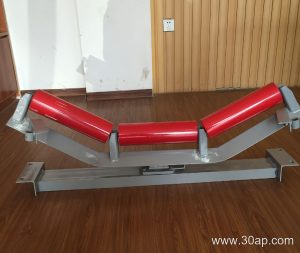
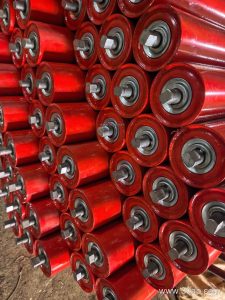
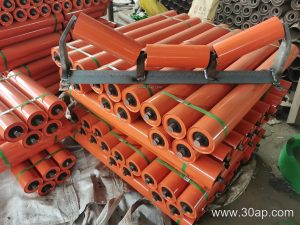
A heavy-duty conveyor bracket is the structural support that holds idler rollers in the correct position under a loaded conveyor belt. In a quarry or a coal preparation plant, the bracket is the part that carries the weight of the belt, the material and the roller itself, so its strength and geometry matter as much as the roller it supports. The same component is often called a heavy-duty idler support bracket or a heavy-duty roller bracket, and both names refer to the same product.
Unlike a light frame used on a small transfer belt, this bracket is built for continuous duty and shock loading. It is a fixed part of the conveyor structure rather than a moving element, but its accuracy directly affects belt tracking, roller life and the cost of downtime.
How the Bracket Is Built
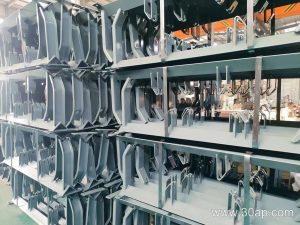
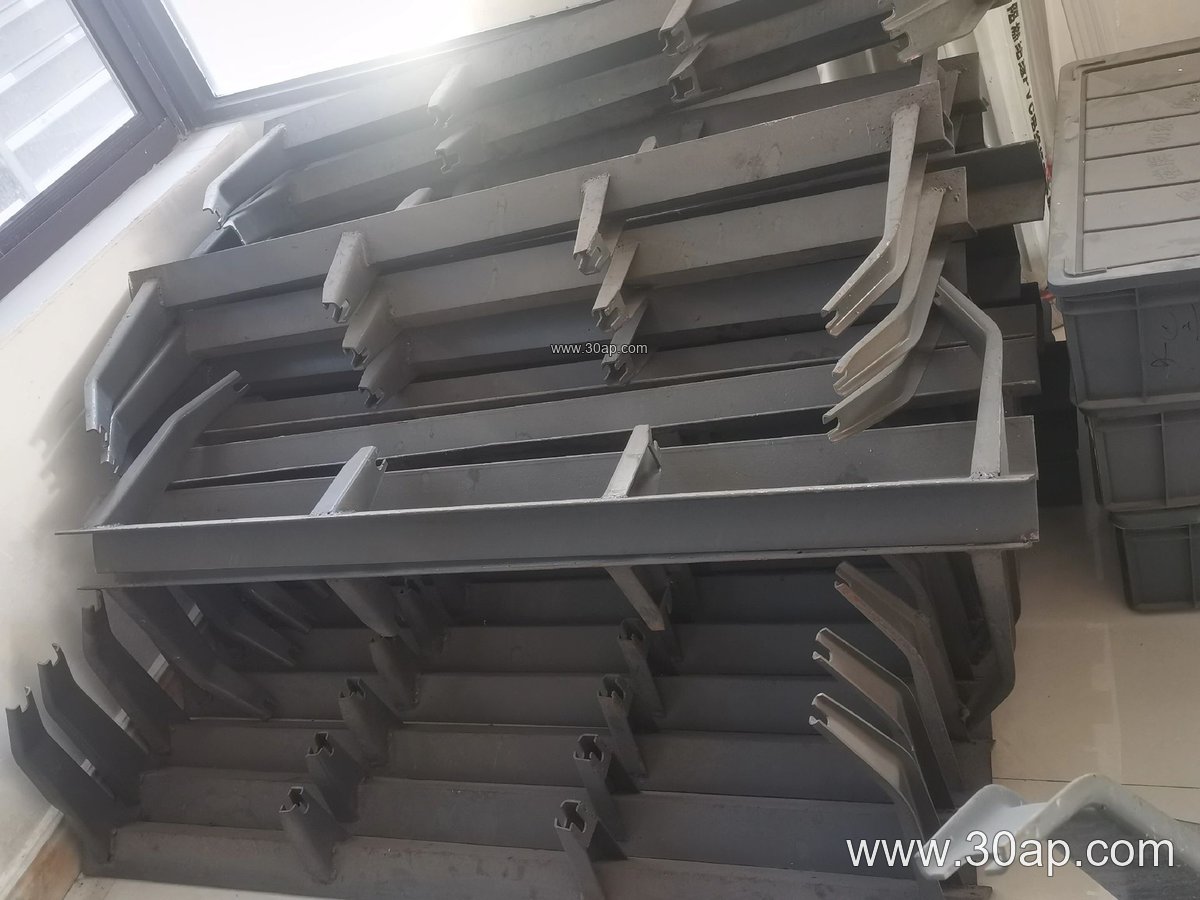
Most heavy-duty brackets are fabricated from angle steel, channel steel or folded steel plate. The material is cut, punched and welded or bolted into a shape that matches the trough angle and the roller diameter. A typical frame includes a cross beam, mounting slots or holes for the roller shaft, and reinforcing gussets where the load is highest.
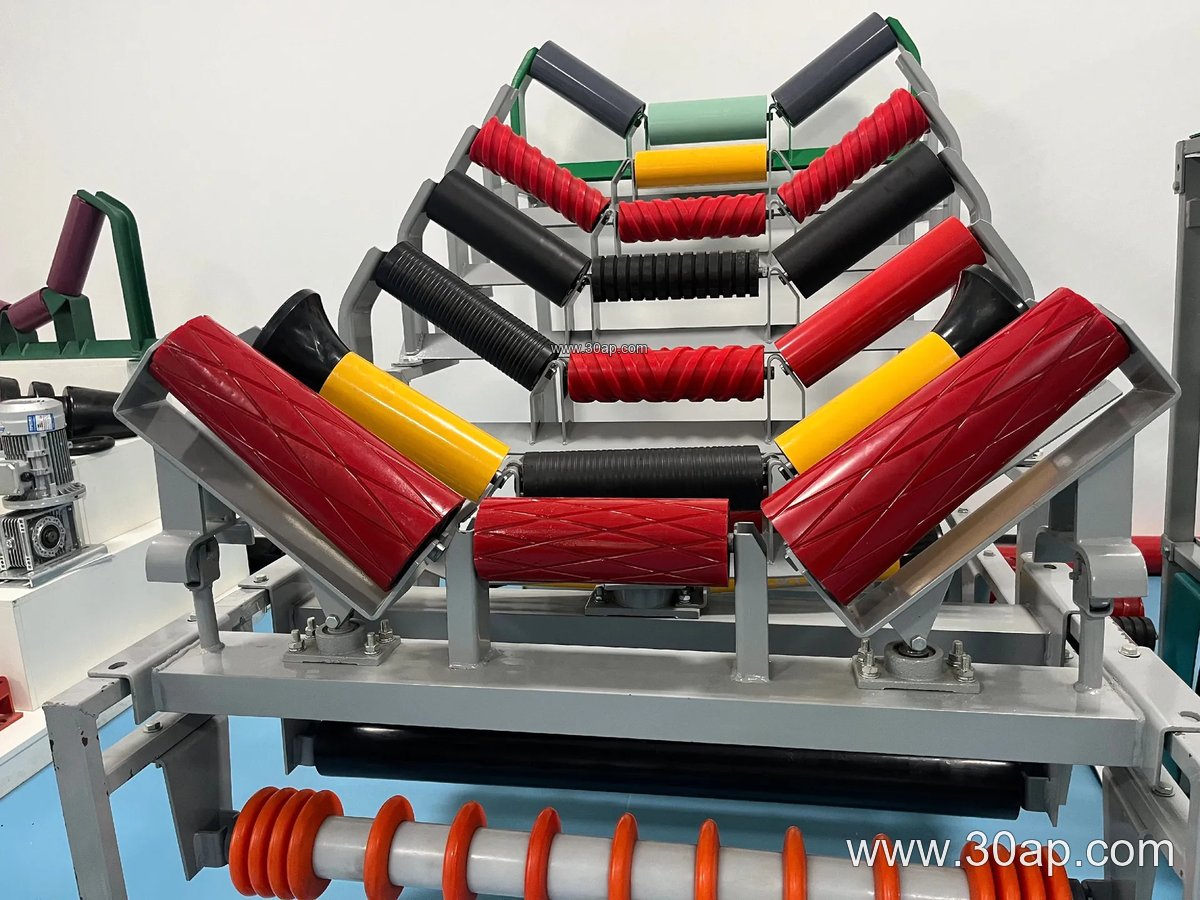
Surface treatment is usually painting or hot-dip galvanizing, depending on the environment. In a wash plant or a port handling bulk material, corrosion protection is a practical concern, so buyers should confirm the coating rather than assume it.
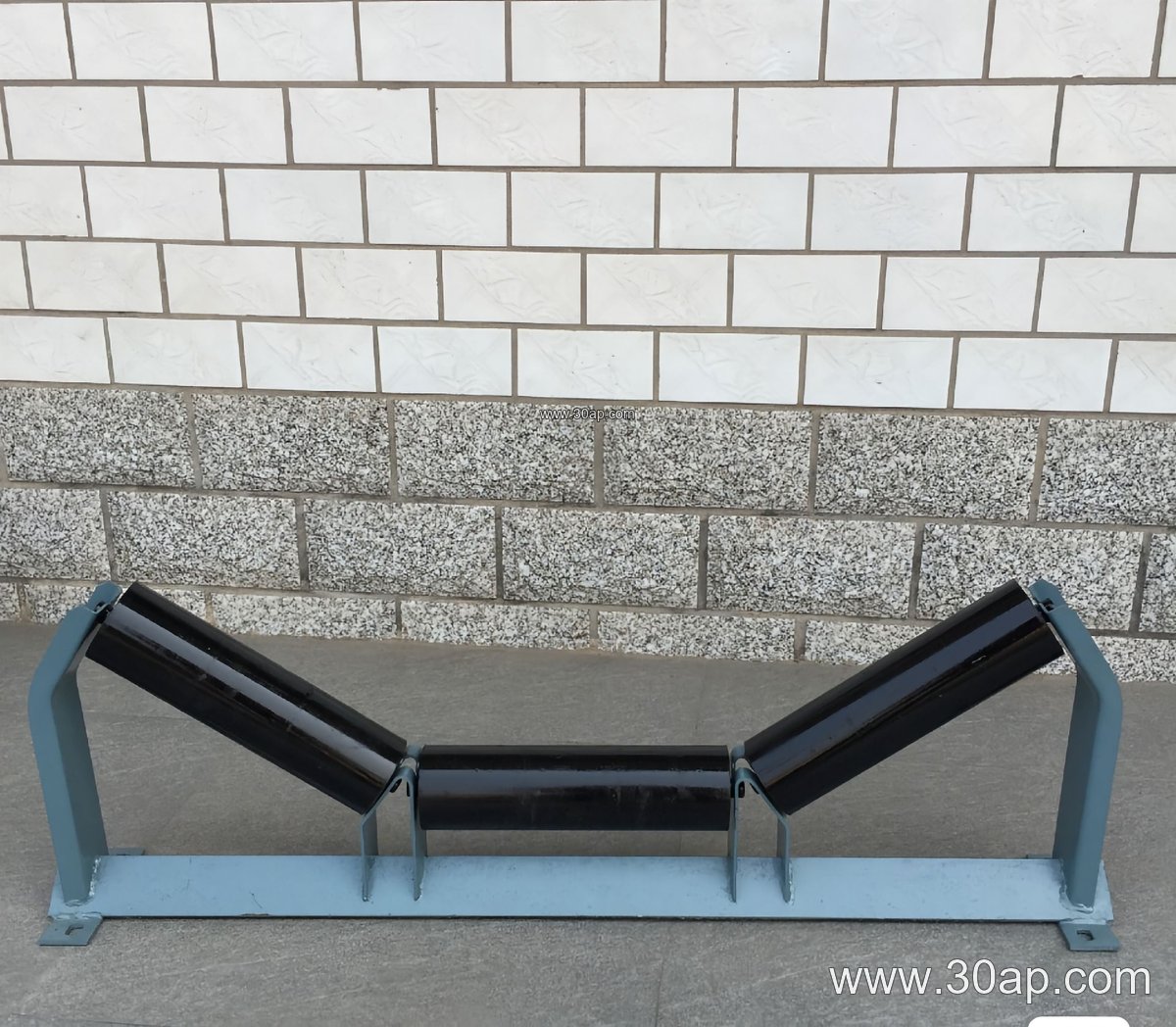
Common structural forms
- Troughing bracket for the carrying side, holding three rollers at a set trough angle
- Transition bracket used where the belt changes from flat to troughed
- Return bracket or V-return bracket for the return strand
- Impact bracket placed under the loading point to absorb material drop
- Self-aligning and forward-leaning brackets for belt tracking
- Adjustable bracket that allows the trough angle to be changed on site
Each form solves a different problem. A tail pulley or a bend pulley handles belt direction, while the bracket handles roller position; the two are not interchangeable, and a drive pulley is a separate item again.
Where It Is Used
Heavy-duty brackets appear wherever a conveyor carries abrasive or heavy bulk material. In an iron ore or limestone mine, the carrying side works under constant impact and dust. In a cement plant, the clinker and raw meal lines need robust frames that resist vibration. A power plant coal handling system and a port ship loading conveyor both depend on stable roller spacing to keep the belt centered.
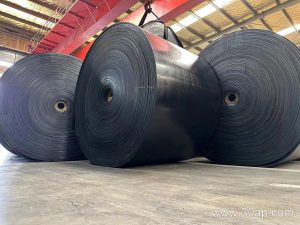
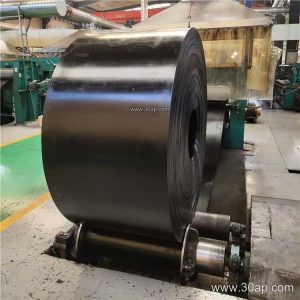
The bracket also works alongside other components. A rubber conveyor belt, an EP conveyor belt or a steel cord conveyor belt all need correct roller support to avoid edge damage. Where the material is hot, a heat resistant conveyor belt may be used, and the bracket should still be checked for heat exposure. In dusty or explosive atmospheres, a flame retardant conveyor belt and an anti-static conveyor belt are common choices, and the bracket must not interfere with grounding paths.
Matching Bracket, Belt and Roller
There is no single bracket size for every conveyor. The correct choice depends on belt width, trough angle, roller diameter and the load profile. The table below shows common reference combinations, but these are examples rather than fixed rules.
| Belt width | Trough angle | Roller diameter | Typical use |
|---|---|---|---|
| B650 | 30 degrees | Ø89 | Small aggregate line |
| B800 | 35 degrees | Ø108 | Sand and gravel plant |
| B1000 | 35 degrees | Ø133 | Cement or coal handling |
| B1200 | 45 degrees | Ø133 | Heavy ore transport |
| B1400 | 35 degrees | Ø159 | Port and stockyard |
| B1600 | 45 degrees | Ø194 | Large mining conveyor |
Belt width does not dictate one roller diameter or one trough angle. A B1200 system may run at 35 or 45 degrees, and the roller size follows the load calculation. Installation hole spacing and cross beam length change with belt width and trough angle, so they should be confirmed from the drawing rather than assumed.
Buyer Checklist
- Confirm the bracket type: troughing, return, impact, transition or adjustable
- Check the trough angle range if adjustability is required
- Match the mounting holes to the actual roller shaft and frame
- Review steel thickness and welding quality for shock loads
- Confirm coating for wet, salty or dusty sites
- Ask for drawings showing hole spacing and beam length
A well-chosen heavy-duty conveyor bracket keeps the idler roller aligned, protects the conveyor belt and reduces maintenance in the toughest parts of a bulk handling system. For related components such as conveyor pulley assemblies and conveyor bracket spares, buyers should compare drawings and load data before ordering.