Understanding Conveyor Brackets in Material Handling
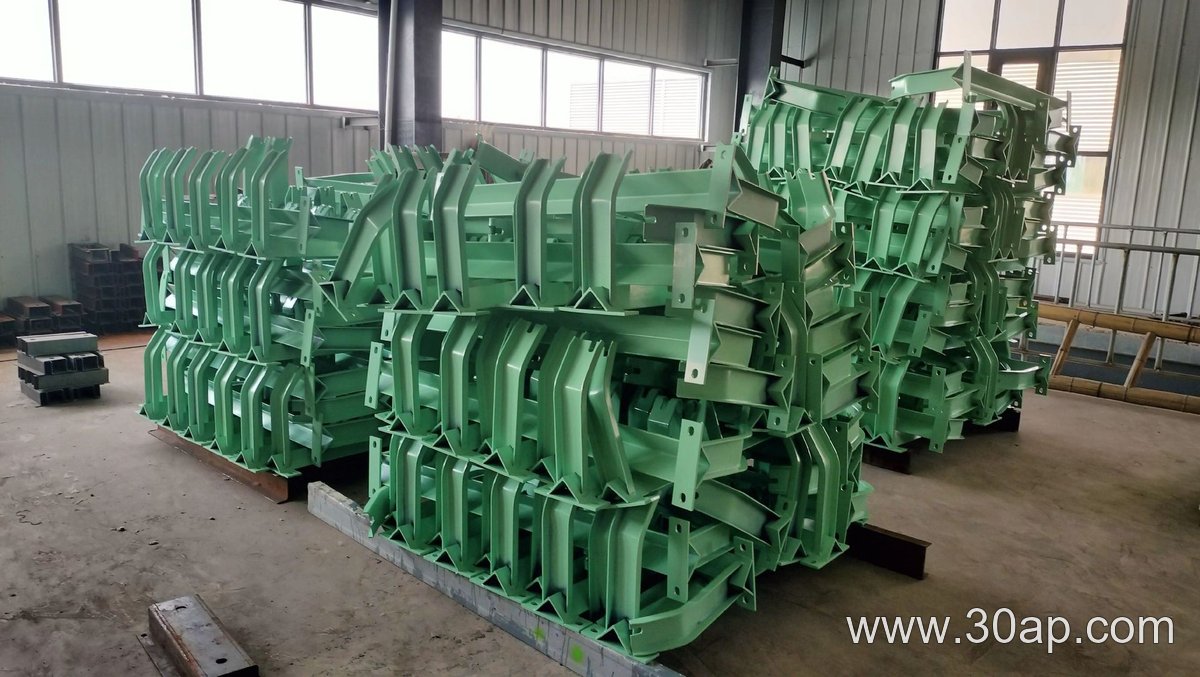
A conveyor bracket is the load-bearing interface that secures rollers, idlers, or drive assemblies to the main frame. Without correctly rated brackets, belt tracking and system alignment fail under dynamic stress.
Key Factors When Selecting a Conveyor Bracket
- Material grade: Choose galvanized steel for corrosive or wet environments, stainless for food-grade lines, and powder-coated carbon steel for general dry goods.
- Load capacity: Match the bracket’s static and dynamic rating to the combined weight of the conveyed product plus impact at transfer points.
- Slotted vs. fixed holes: Slotted brackets allow fine belt tracking adjustments; fixed holes suit stable, pre-aligned systems.
- Mounting style: Verify whether your frame uses C-channel, pipe, or structural angle—brackets must fit the exact rail profile.
Purchasing and Maintenance Advice
Always request dimensional drawings and tensile test reports from the supplier. Inspect weld seams and bolt-hole edges for burrs that can cause premature fastener wear. Replace any bracket showing deformation, rust pitting, or hairline cracks immediately—structural failure here stops the entire line.
For high-vibration applications, use lock washers and thread-locking compound. Keep spare brackets of each size in stock to reduce downtime during emergency repairs.
Why the Conveyor Belt Is the Backbone of Your Line
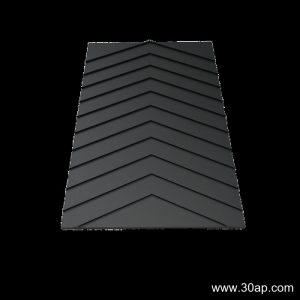
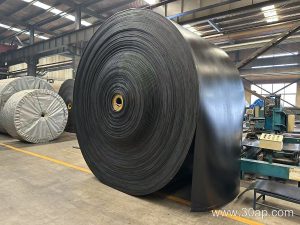
A conveyor belt does more than move product—it sets the rhythm of your entire operation. Selecting the wrong one causes downtime, spillage, or premature wear. This guide compares belt types, materials, and real-world purchasing criteria so you invest once and run for years.
Core Belt Types and Their Best Uses
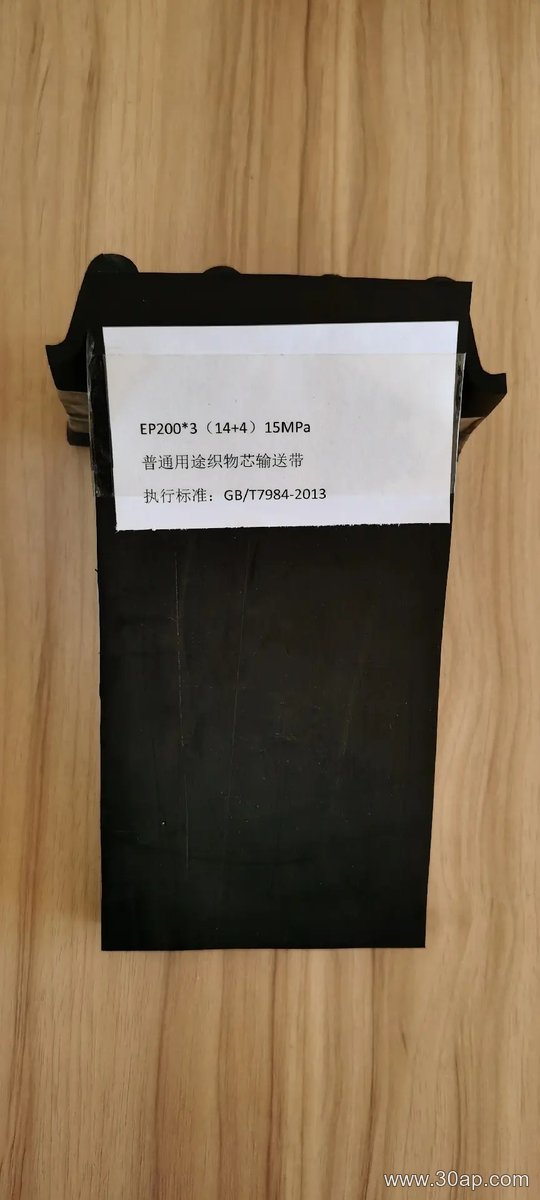
- PVC or PU belts: Ideal for lightweight goods, food handling, and cleanroom environments. They resist oils and are easy to weld.
- Rubber (multi-ply or steel cord): Best for heavy, abrasive, or high-temperature loads—mining, aggregates, and foundries.
- Modular plastic belts: Offer easy repairs without full replacement; suited for curved or inclined paths with open drainage.
- Metal mesh or wire belts: Handle extreme heat, freezing, or sharp components, common in baking and parts washing.
Selection Checklist: What to Measure Before You Buy
- Tensile strength: Match the belt’s rated breaking strength to your maximum start-up load plus a safety factor of 8–10.
- Cover thickness and grade: For abrasive materials, choose a thicker top cover (≥4 mm) with higher abrasion resistance (e.g., DIN W or X).
- Operating temperature range: Check both continuous and peak spikes—especially for hot product drops or outdoor winter lines.
- Pulley diameter and splice method: Small pulleys require flexible belts; mechanical splices reduce downtime, while vulcanized splices offer smoother runs.
- Chemical exposure: Test resistance to acids, solvents, or grease—never assume rubber is universal.
Purchasing Advice for Long-Term Value
Request a sample strip and run a field test under your actual load, speed, and idler spacing. Ask suppliers for belt elongation data and splice kits that match your on-site skills. Also compare total cost of ownership: a cheaper belt that fails in 18 months often costs more than a premium one lasting five years. Finally, keep one spare belt in stock for critical lines, and verify that your supplier stocks matching vulcanizing equipment.
Why the Idler Roller Determines System Reliability
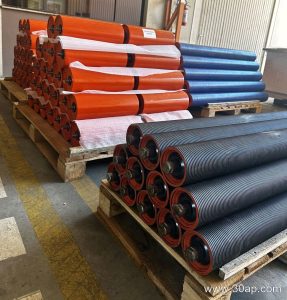
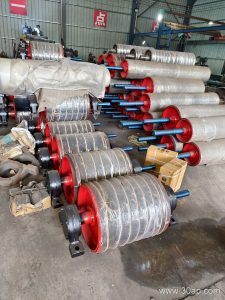
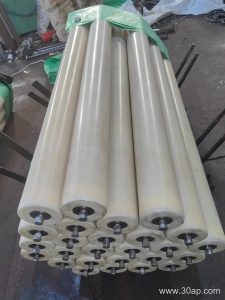
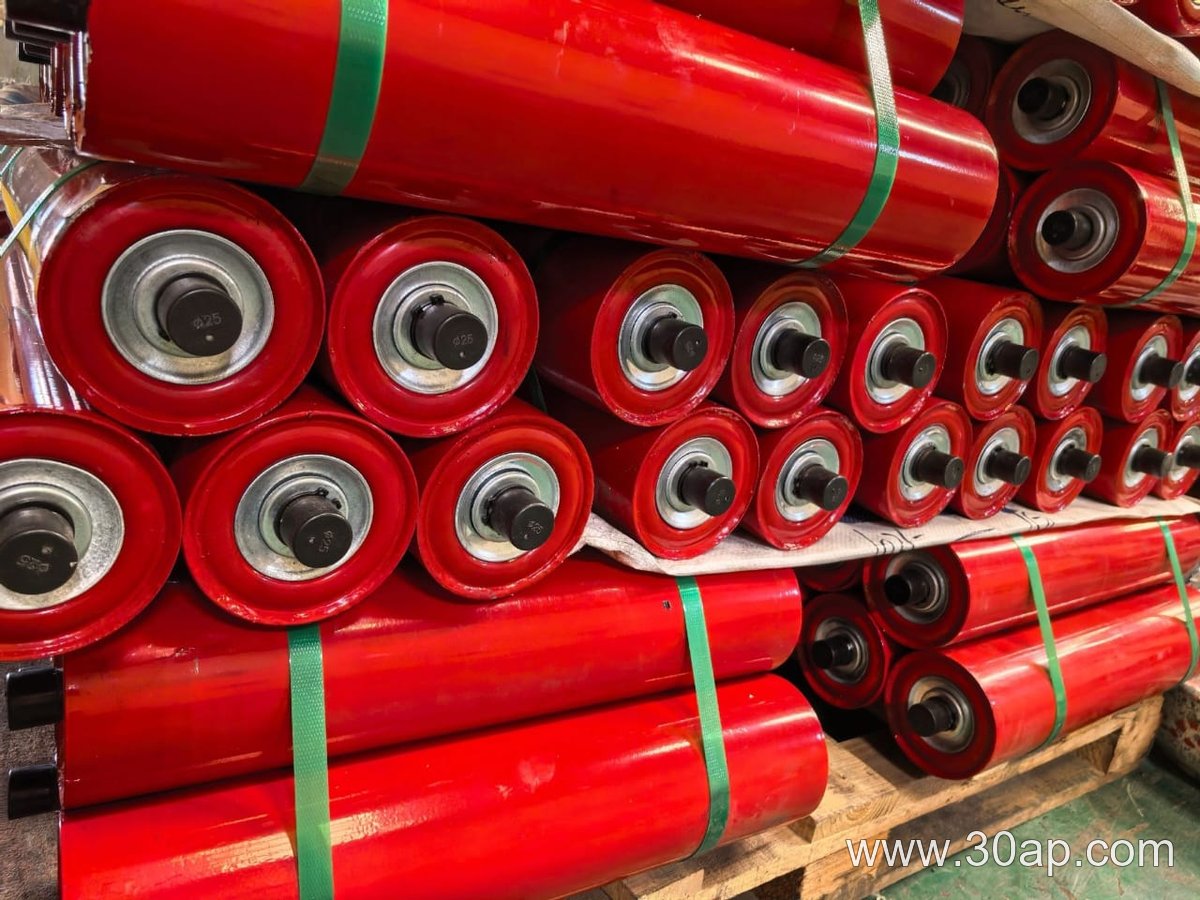
The idler roller is the unsung hero of any bulk material handling conveyor. It supports the belt, shapes the load, and absorbs impact—yet a poorly chosen roller causes belt misalignment, premature wear, and costly downtime. This article focuses on how to specify the correct idler roller for your application.
Key Specifications for Purchasing
- Roller diameter and shell thickness – Match to belt speed, load weight, and impact zones. Heavier loads require thicker shells (e.g., 4–6 mm) to resist deformation.
- Bearing type and seal rating – Choose sealed bearings (C3 tolerance) with labyrinth or contact seals for dusty or wet environments. IP66 rating ensures washdown compatibility.
- Frame material – Steel for standard duty; stainless steel or polymer-coated for corrosive or food-grade lines.
- Troughing angle – 20°, 35°, or 45° – based on material repose and belt width. Steeper angles increase load capacity but require stronger idler frames.
Selection and Maintenance Advice
Calculate the total belt tension and idler spacing using CEMA standards, then derate for starting torque. Verify shaft deflection is under 0.5 mm at full load. During operation, listen for squeaking or erratic belt tracking—these signal worn idler rollers. Lubricate per manufacturer intervals or install sealed-for-life units to reduce maintenance. Always keep spare rollers in stock to minimize unplanned stops.
Why the Conveyor Pulley Demands Your Attention First
The conveyor pulley is not just a rotating cylinder; it is the structural anchor that drives belt tension, tracking, and torque transfer. A poorly chosen pulley leads to belt slippage, misalignment, and premature component failure—costing you downtime and repairs.
Key Factors in Conveyor Pulley Specification
- Diameter and face width: Match these to belt speed, load, and troughing angle to prevent excessive deflection.
- Shaft and hub design: Verify shaft deflection limits and use locking elements or keyless hubs for high-torque applications.
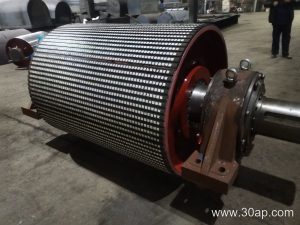
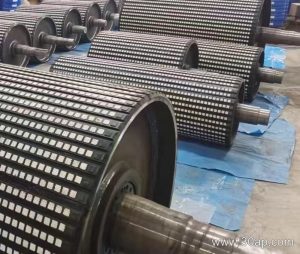
- Lagging type: Choose ceramic for wet, high-grip needs; rubber for general use; and plain steel only for light, dry duty.
Purchasing Advice for Long Service Life
Always request the pulley’s minimum required crown, and specify the exact bearing and seal environment (dust, moisture, temperature). For heavy industries, opt for a vulcanized lagging and a live shaft with removable hubs—this simplifies maintenance. Finally, confirm the pulley’s balance grade (ISO 1940) for speeds above 300 m/min to avoid vibration.
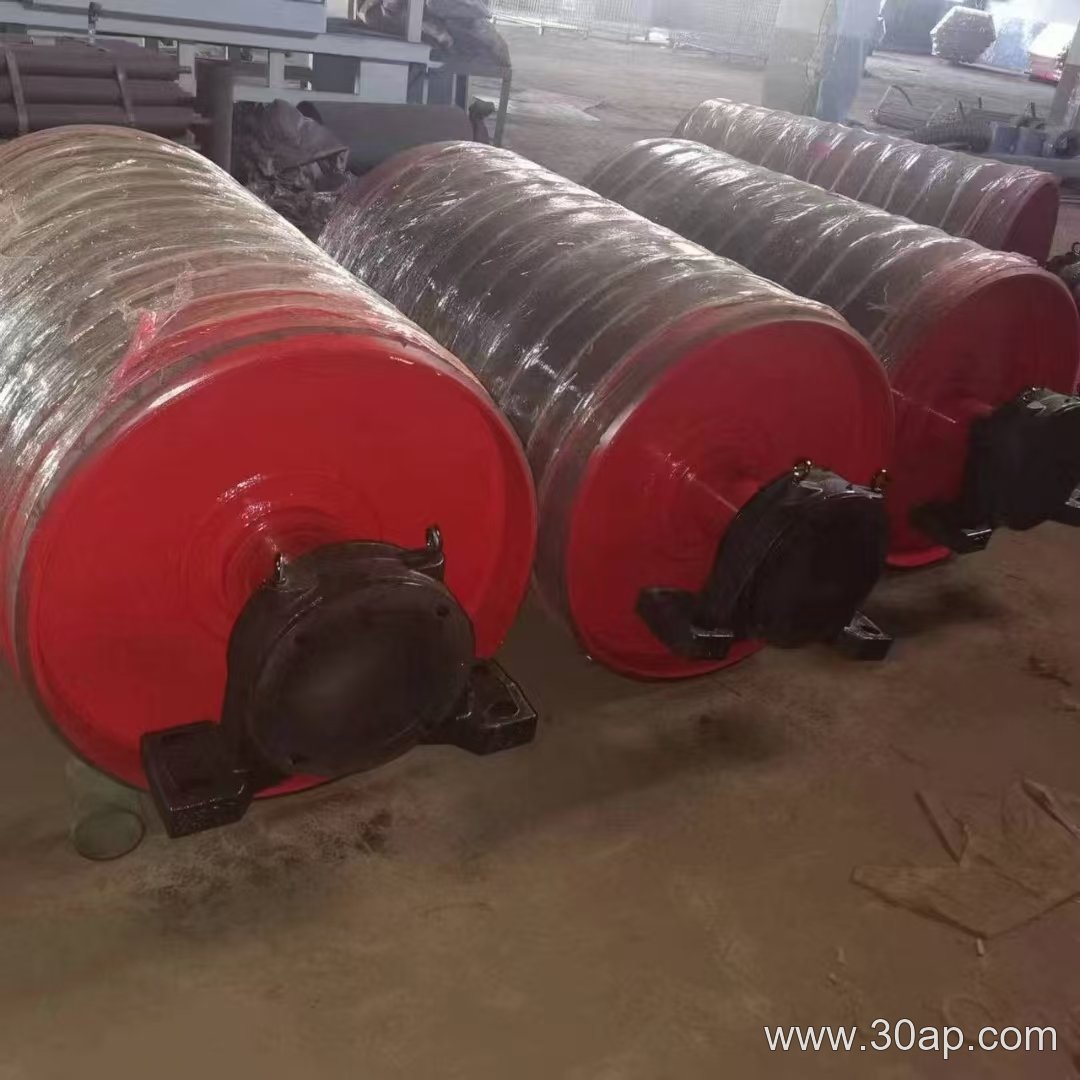
Invest in a conveyor pulley with verified weld quality and a protective coating (paint or epoxy) to resist corrosion. A smart purchase reduces energy consumption and extends belt life, making the pulley your lowest-cost insurance for continuous operation.