What a Carbon Steel Pulley Is
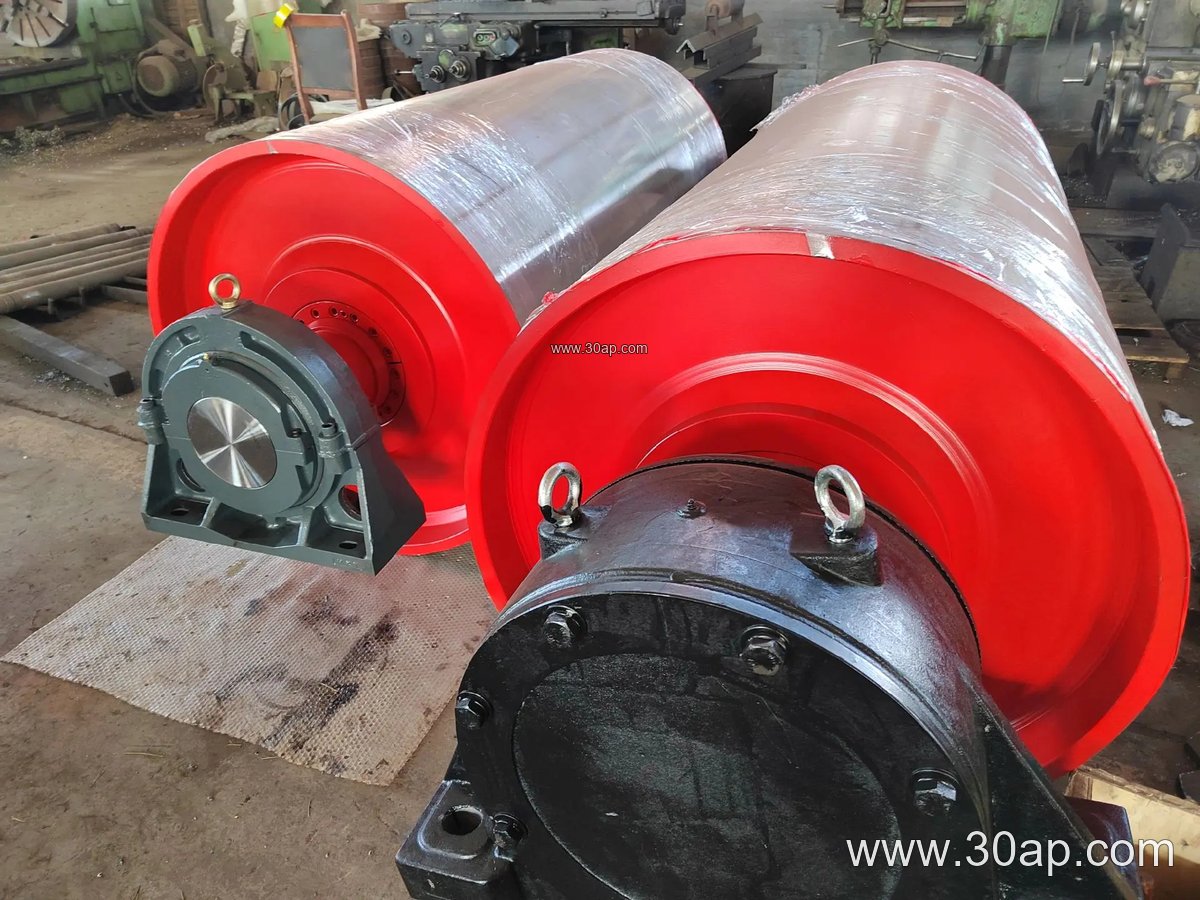
A carbon steel pulley is the rotating drum at the heart of a belt conveyor, built from a carbon steel shell, end discs, and a shaft that turns in bearings mounted on the conveyor bracket. It carries the conveyor belt, sets its path, and transfers the drive force that moves bulk material. Because carbon steel offers a good balance of strength, weldability, and cost, it is the default shell material for pulleys in quarry, coal, cement, and power plant duty.
The same product is often called a conveyor pulley or a steel drum pulley. Those names describe the same assembly; the subtype matters more than the synonym, because a drive pulley, a tail pulley, and a bend pulley do different jobs and are not interchangeable.
How the Pulley Is Built
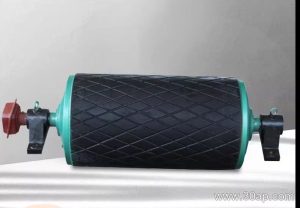
Most carbon steel pulleys are fabricated rather than cast. The shell is rolled from steel plate, the end discs are welded in, and the shaft is keyed or shrink-fitted to the hubs. Machining follows, then dynamic balancing for larger sizes. The surface may stay plain or receive lagging to raise friction and protect the shell.
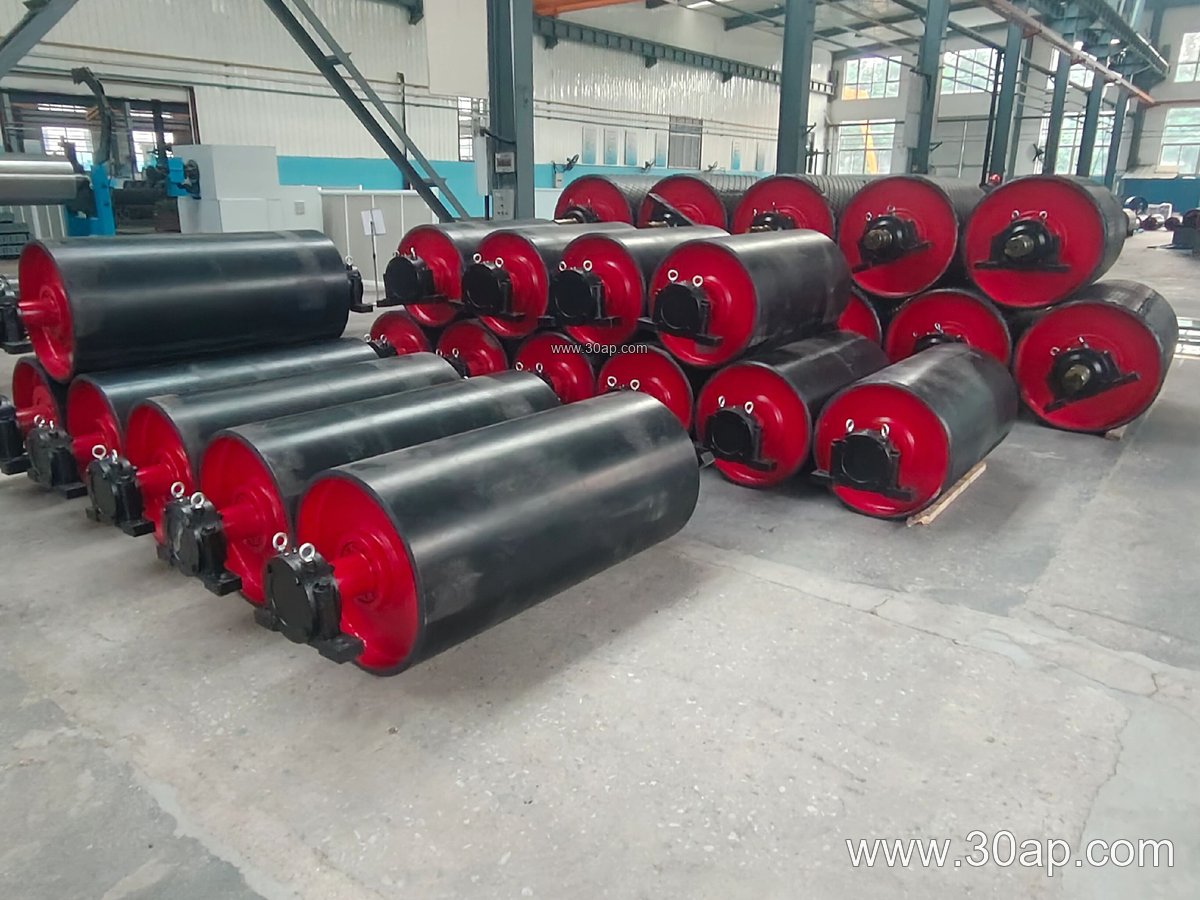
- Shell: rolled carbon steel plate, machined true to the shaft
- End discs and hubs: welded or bolted construction
- Shaft: carbon steel, sized by torque and load, not by belt width alone
- Bearings and housing: matched to the duty and the conveyor bracket
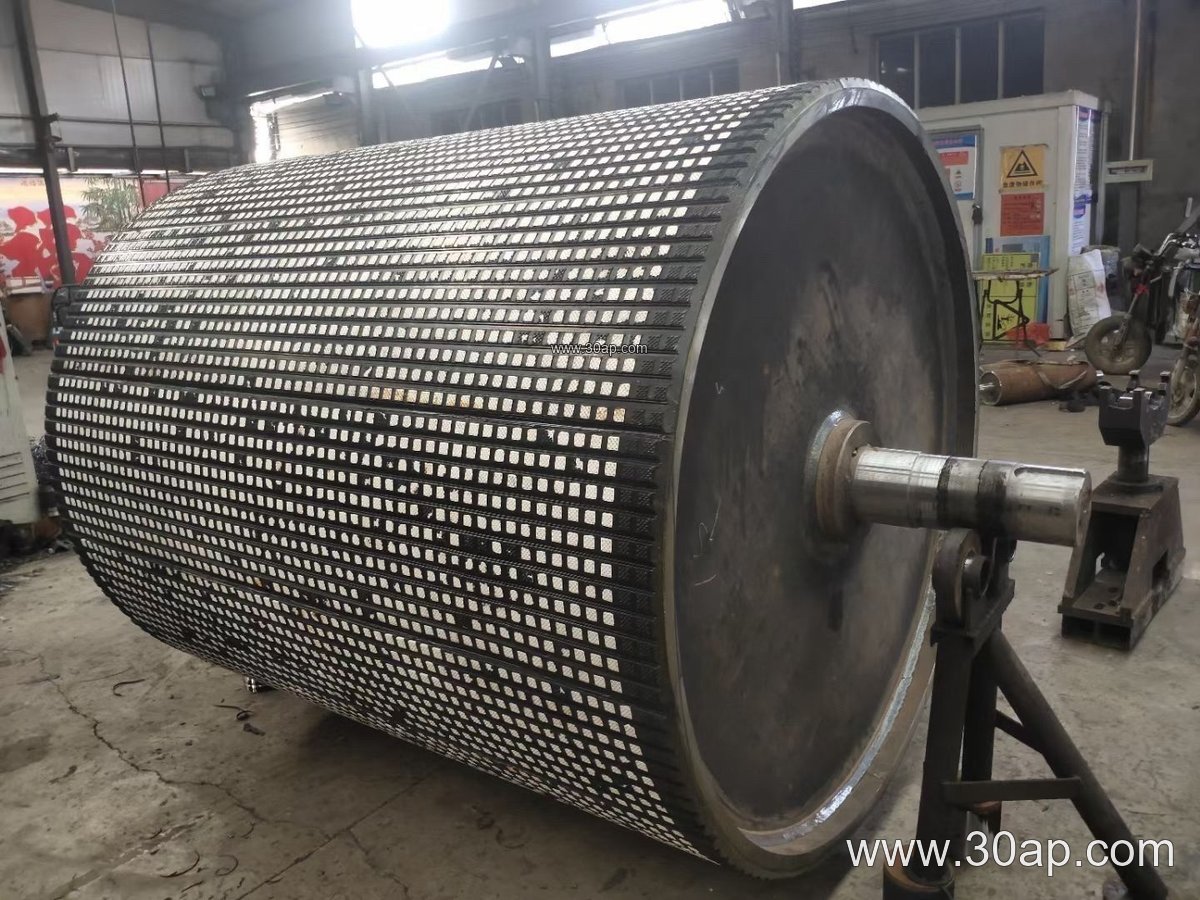
- Surface: plain, rubber lagged, ceramic lagged, or grooved patterns
Subtypes and Where They Sit
A drive pulley, also called a head pulley, is usually the largest and carries the highest torque. The tail pulley at the feed end turns the belt back and often runs with a plain or lightly lagged face. A bend pulley changes belt direction without driving, and a take-up pulley maintains tension. Each position loads the shell and shaft differently, so a pulley specified for one location should not simply be swapped into another.
In a limestone quarry or a cement plant clinker line, the head pulley may be lagged for grip while the bend pulleys stay plain. In a coal handling system feeding a power plant, flame retardant belt grades often run alongside pulleys with anti-static lagging. In a copper or iron ore concentrator, abrasive dust makes shell wear and bearing sealing the main concerns.
Common Sizes and Surface Options
Pulley dimensions follow belt width and the required wrap angle. The table below shows typical reference combinations; these are examples, not fixed rules, and final values are set by design.
| Belt width | Typical shell face | Example pulley |
|---|---|---|
| B400 | about 500 mm | B400 x Ø200 tail pulley |
| B650 | about 750 mm | B650 x Ø400 bend pulley |
| B800 | about 950 mm | B800 x Ø500 drive pulley |
| B1000 | about 1150 mm | B1000 x Ø630 head pulley |
| B1200 | about 1400 mm | B1200 x Ø1000 drive pulley |
| B1400 | about 1600 mm | B1400 x Ø800 take-up pulley |
| B1800 | about 2000 mm | B1800 x Ø1250 head pulley |
Lagging thickness commonly runs 8, 10, 12, 15, or 20 mm. Diamond and herringbone patterns shed water and fines, plain rubber suits general duty, and ceramic tiles help where slip and abrasion are both severe. Shaft diameters are commonly Ø50 through Ø200, chosen from torque and bearing load rather than copied from a belt width chart.
Matching the Pulley to the Belt
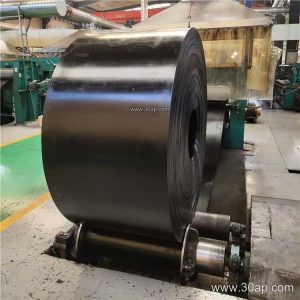
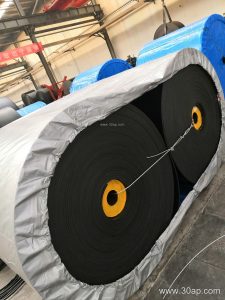
The pulley and the belt work as a pair. A heavy abrasion resistant conveyor belt running over a small-diameter tail pulley flexes more sharply than the same belt over a larger drum, which affects splice life. High-tension belts such as steel cord conveyor belt or high strength EP conveyor belt need larger diameters and stronger shafts to keep bending stress within limits.
In a sand and aggregate line, a crusher conveyor belt with thick covers may run on a B1000 x Ø630 drive pulley with 12 mm diamond lagging. At a port ship loading facility, a wide EP conveyor belt may need a B1800 x Ø1250 head pulley and matching bend pulleys. Underground coal mining conveyor belt installations add flame retardant and anti-static requirements that also touch the lagging compound.
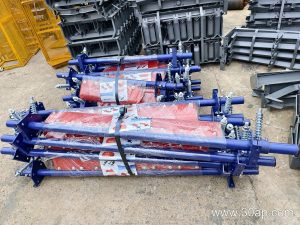
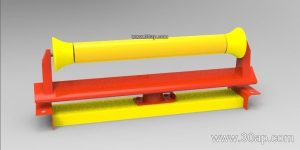
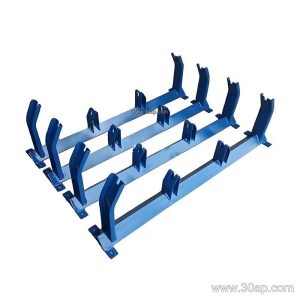
Related hardware matters too: the idler roller set supports the belt on the carrying side, the conveyor bracket fixes bearing housings in line, and the pulley must sit square to both so the belt tracks without edge wear.
What Buyers Should Confirm
- The duty position: drive, tail, bend, or take-up, with wrap angle and belt tension
- Belt width and belt type, including whether it is a fabric core conveyor belt or steel cord construction
- Shell diameter, face width, and lagging pattern and thickness
- Shaft diameter, keyway, and bearing type, confirmed against calculated torque
- Balancing class and running speed for large or high-speed pulleys
- Environmental factors such as dust, moisture, temperature, and corrosion
Ask for a drawing that shows shaft end details and bearing centers, since these determine whether the pulley fits the existing conveyor bracket. A carbon steel pulley is a simple component, but a mismatch in diameter, lagging, or shaft size shows up quickly as belt slip, tracking problems, or shortened belt life.