What a Tail Bend Pulley Does
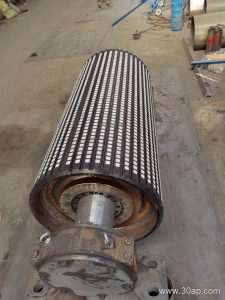
A tail bend pulley is the redirecting pulley installed near the tail end of a conveyor. It changes the path of the returning belt so the belt lines up with the tail pulley and the loading point. Unlike the tail pulley itself, which typically tensions and guides the belt at the very end, this bend pulley simply alters belt direction. It also differs from a drive pulley, which transmits power, and from a head pulley, which discharges material. In a typical arrangement, the tail bend pulley sits behind or below the tail pulley, guiding the empty belt back toward the carrying run.
Construction and Surface Options
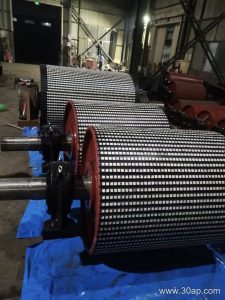
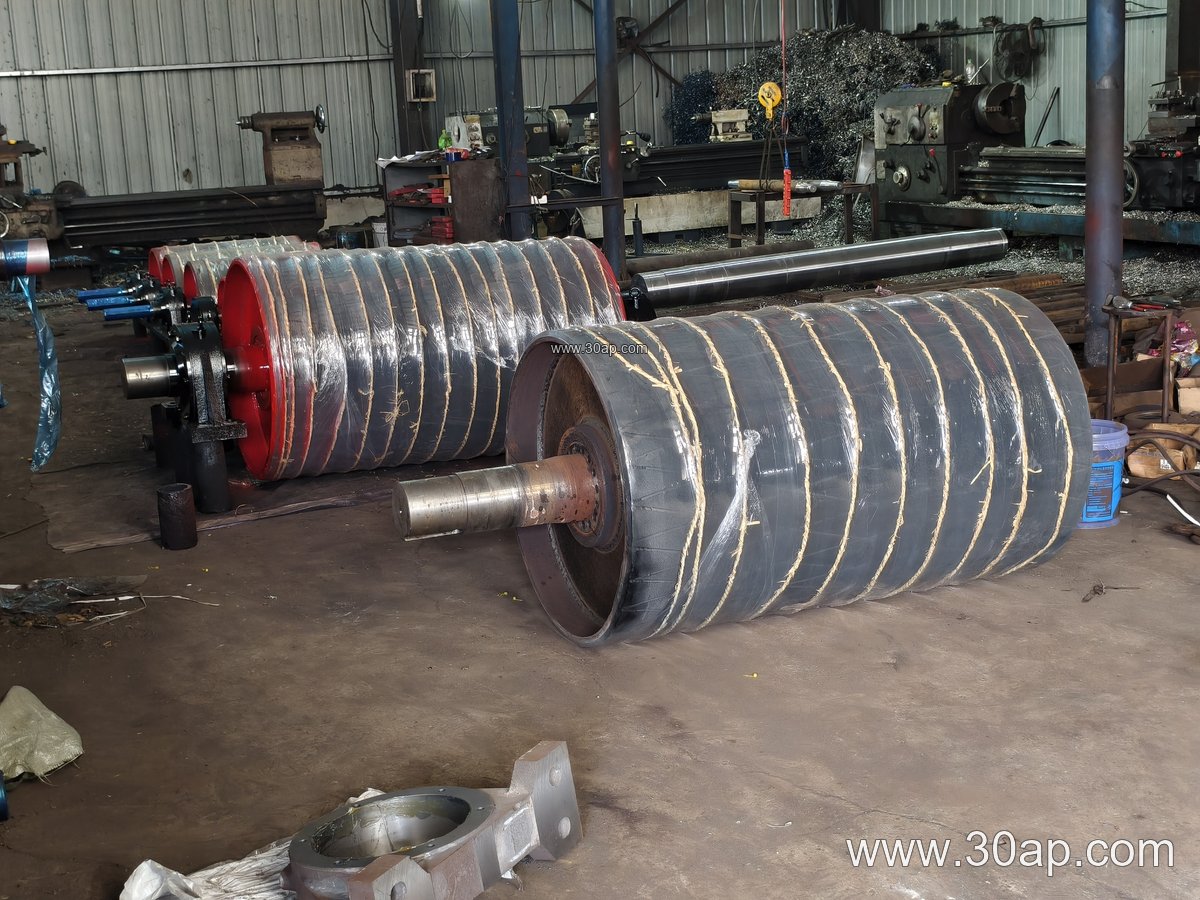
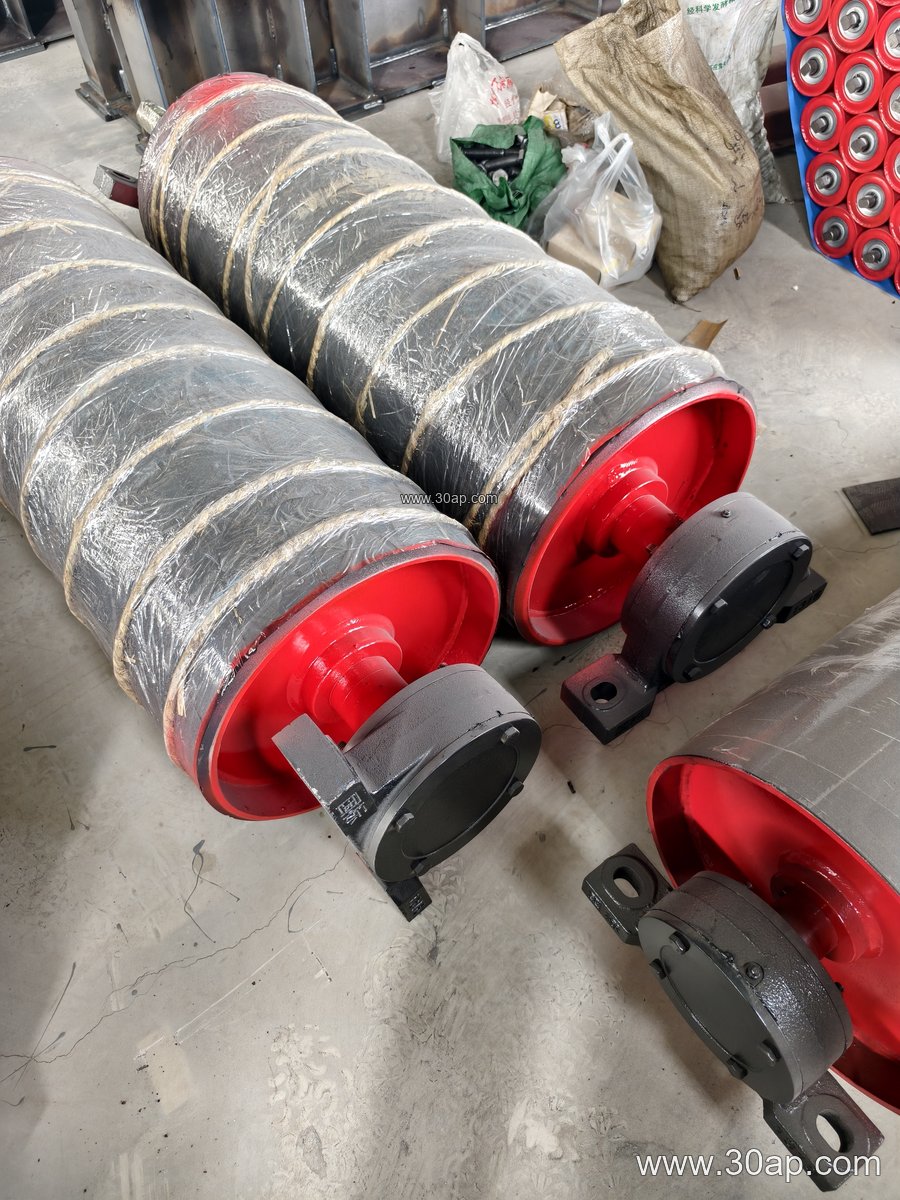
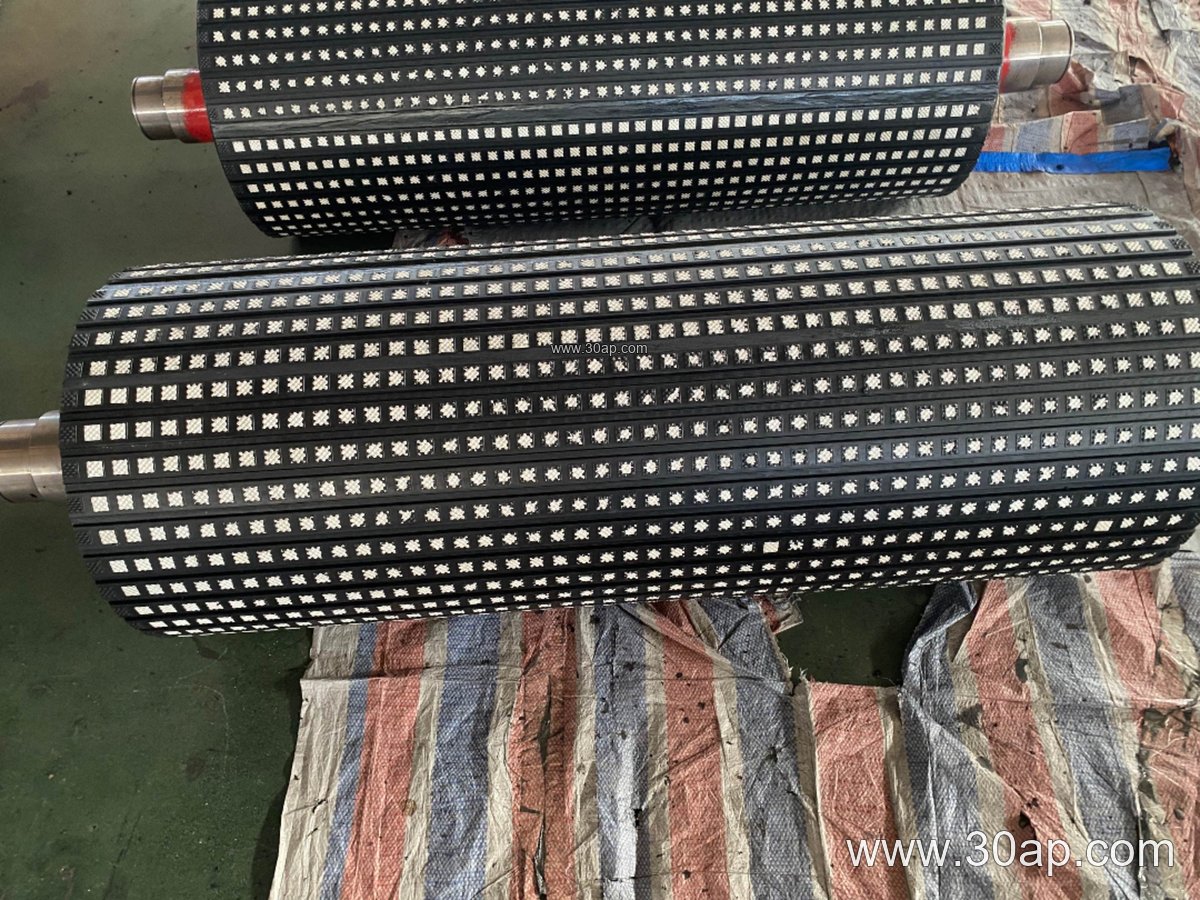
The pulley body is usually a welded steel drum with a shaft, bearing housings, and a lagging surface. Common surface forms include plain steel, cast rubber, cold-bonded rubber, hot-vulcanized rubber, diamond grooved lagging, herringbone lagging, and ceramic lagging. Lagging thickness often ranges from 8 mm to 20 mm depending on the duty. The shell width is normally wider than the belt; for example, a B800 belt may use a pulley face around 950 mm, while a B1200 belt may use about 1400 mm. Diameters are selected by belt tension and wrap angle, not by belt width alone. Common diameters include Ø320, Ø400, Ø500, Ø630, and Ø800. Shaft diameter is determined by torque and load, with common sizes such as Ø80, Ø100, Ø120, and Ø140. Bearings and locking assemblies are matched to the shaft and load case.
Where It Fits in the Conveyor
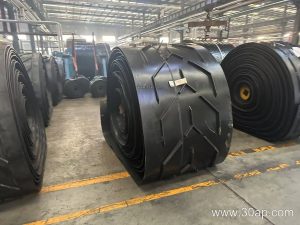
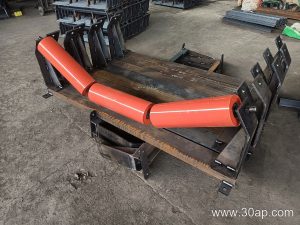
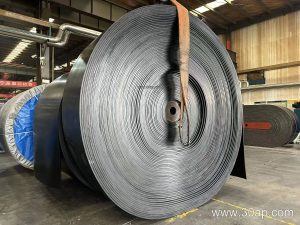
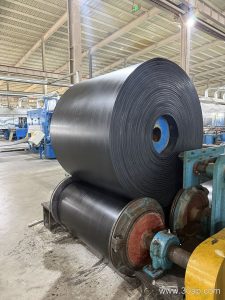
Tail bend pulleys appear in quarry and aggregate lines, cement plant clinker handling, power plant coal conveying, and iron ore or copper ore operations. In a coal mining conveyor, a flame retardant conveyor belt may run over a lagged tail bend pulley to maintain tracking on the return side. In a crusher conveyor, an abrasion resistant conveyor belt often works with a rubber-lagged bend pulley to handle dusty, gritty material. The pulley is also used in ship loading and port bulk material systems where belt paths need compact redirection. It works together with conveyor idler rollers, conveyor brackets, and the main conveyor pulley set to keep the belt aligned.
Selection and Sizing Notes
Buyers should confirm belt width, belt type, and the required wrap angle before choosing a tail bend pulley. A B650 belt may use a pulley face around 750 mm, and a B1400 belt may use about 1600 mm face width, but these are reference examples, not fixed rules. Diameter and shaft size must be calculated from actual belt tension and load. Lagging choice depends on environment: diamond or herringbone rubber for wet or dirty conditions, ceramic lagging for high abrasion, and plain surface for light duty. The pulley should be balanced with the tail pulley and take-up system so the belt does not mistrack. When replacing a pulley, check shaft diameter, bearing centers, and lagging thickness against the original design.
Maintenance and Buyer Checklist
Inspect lagging wear, build-up, and bearing condition at scheduled shutdowns. A worn lagging surface can reduce friction and cause belt slip at the tail bend position. Keep the pulley clean and confirm that the conveyor belt runs centered. For heavy-duty mining conveyor belts, use reinforced lagging and verify shaft and bearing ratings. Ask for the pulley drawing, lagging type, surface thickness, and balancing report. Confirm that the tail bend pulley matches the conveyor bracket and idler roller layout. A well-matched bend pulley supports stable belt travel from the tail end through the carrying zone.