What an Idler Bearing Actually Does
An idler bearing is the small rolling element tucked inside a conveyor idler roller, letting the shell spin freely on a stationary shaft while the belt rides on top. It is easy to overlook, yet it decides how much drag the belt sees along every metre of travel. In a quarry conveyor line or a power plant coal yard, dozens to hundreds of rollers turn continuously, and each one depends on its bearing to keep friction low and rotation smooth.
The bearing also keeps the roller aligned on its shaft, carries radial loads from the belt and material, and holds grease where it is needed. When an idler bearing stiffens, the belt must pull harder, motor current climbs, and the roller shell may wear unevenly or stop turning altogether.
Construction Inside a Roller
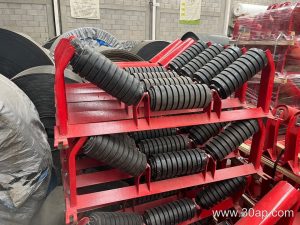
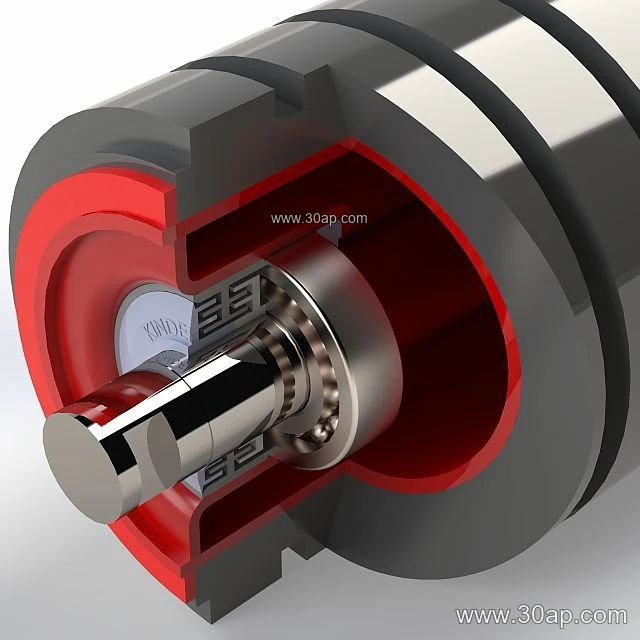
A typical idler roller uses a steel tube shell, a through shaft, and a bearing housing at each end. Deep groove ball bearings are common because they handle both radial load and moderate misalignment. Standard metric sizes appear across the range, and the bearing is matched to shaft and housing dimensions by the roller designer rather than by belt width alone.
Sealing matters as much as the bearing itself. Dust, water and fine grit are the main enemies in a stone crushing plant or a cement works. Labyrinth seals, contact lip seals, and grease-filled end caps are used to keep contaminants out. Some rollers are designed for regreasing, while sealed-for-life versions suit locations where maintenance access is difficult.
Common Bearing References
The table below lists typical bearing designations seen in conveyor idler rollers. These are reference values, not a fixed pairing with any single roller diameter.
| Bearing | Typical Role in Roller | Notes |
|---|---|---|
| 6204 | Light to medium duty rollers | Small shaft sizes, short spans |
| 6205 | General troughing and return rollers | Widely used in aggregate lines |
| 6305 | Higher load capacity | Suits heavier belt tensions |
| 6306 | Medium to heavy duty | Common in mining conveyors |
| 6308 | Heavy duty rollers | Larger shaft and housing |
| 6310 | Very heavy duty | High load, large diameter rollers |
Roller diameter and bearing size are chosen together with belt width, speed and load. A Ø89 roller and a Ø159 roller may both use a 6205 or a 6305 depending on the design, so buyers should confirm the actual shaft and housing dimensions rather than assume a rule.
Where Idler Bearings Matter Most
In an underground coal mine, flame retardant conveyor belts run in confined spaces where a seized roller can generate heat and friction. Reliable idler bearings are part of the safety picture, alongside the belt’s own fire resistant properties. In an iron ore terminal or a copper ore stockyard, abrasive dust attacks seals continuously, so bearing protection and grease quality deserve attention.
Cement plants and lime kiln feed lines face fine, alkaline dust that penetrates poorly sealed housings. Port ship loaders and stockyard conveyors often run long distances, where even a small increase in idling friction across many rollers adds up to noticeable energy use. The same applies to a heavy-duty mining conveyor belt carrying crushed rock at high tonnage.
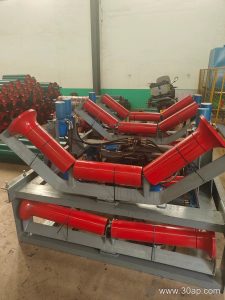
Idler bearings are also found on return rollers under the belt, on impact rollers at transfer points, and on self-aligning rollers that correct belt tracking. Each position loads the bearing differently, so the roller type and bearing selection should match the duty.
Roller Diameters and Belt Widths in Context
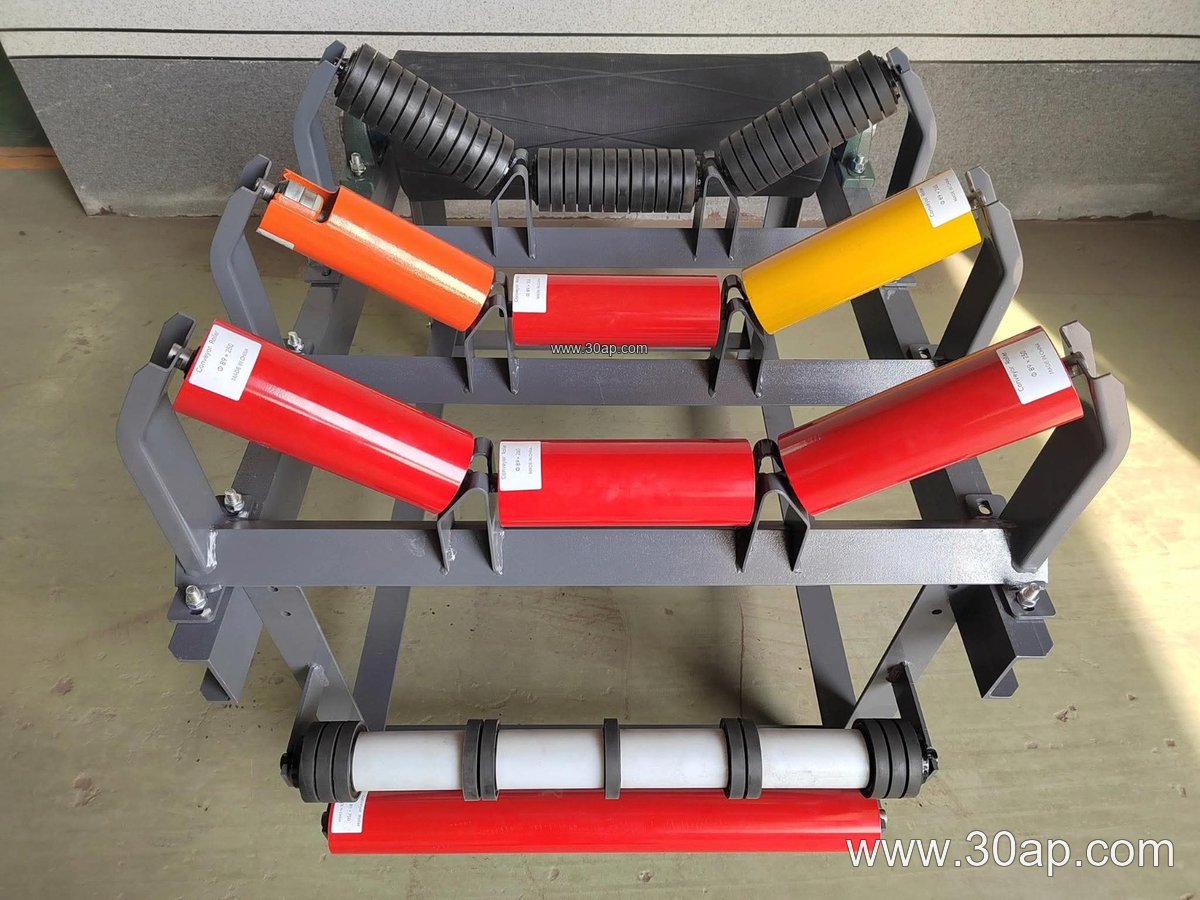
Roller diameter is usually chosen with belt width and belt speed. Common diameters include Ø63, Ø76, Ø89, Ø102, Ø108, Ø127, Ø133, Ø159, Ø178, Ø194 and Ø219 mm. Belt widths range from B400 to B2400, and a wider belt generally needs a larger roller and a stronger bearing, though the exact pairing is a design decision.
For a three-roll troughing set, roller length changes with belt width and trough angle. Typical examples include about 200 mm roller length for B500, 250 mm for B650, 315 mm for B800, 380 mm for B1000, 465 mm for B1200, 530 mm for B1400, 600 mm for B1600, 670 mm for B1800 and 750 mm for B2000. Side rollers and centre rollers can differ, and trough angles of 20, 30, 35 or 45 degrees change the geometry. These figures are common references, not mandatory combinations.
Buyer Checklist
- Confirm shaft diameter, housing bore and roller shell dimensions, not just the bearing number.
- Ask about seal type and whether the roller is regreasable or sealed for life.
- Match bearing load rating to belt tension and material weight, especially on steep or long conveyors.
- Consider the environment: washdown, dust, humidity, temperature and chemical exposure.
- Check roller concentricity and shaft straightness, since poor alignment shortens bearing life.
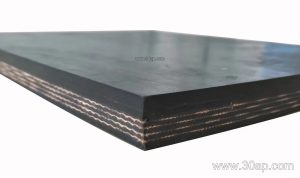
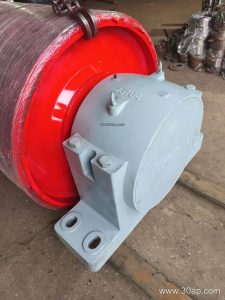
For anyone sourcing conveyor components, it helps to think of the idler bearing as part of a system that includes the conveyor belt, the idler roller, the conveyor pulley and the conveyor bracket. A well-chosen bearing keeps the roller turning quietly, reduces belt drag, and supports steady operation in mines, quarries, cement plants and power stations alike.