What a 1250mm Drive Pulley Does
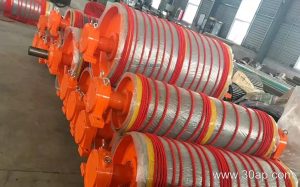
A 1250mm drive pulley is the powered drum at the head of a belt conveyor that transmits torque to the conveyor belt and keeps the load moving. In many bulk handling circuits, the drive pulley is also the head or discharge pulley, so it must combine traction, structural rigidity, and a surface that grips without excessive slip. This drum is often specified for wide belts in primary crushing, stockyard feed, and long overland conveyors where starting torque and belt tension are substantial.
Buyers sometimes confuse the drive pulley with a tail pulley or a bend pulley. They are not interchangeable: the drive pulley inputs power, the tail pulley returns the belt, and a bend pulley changes belt direction without driving. A 1250mm drive pulley is selected for its role in the drive train, not simply because its diameter matches a given belt width.
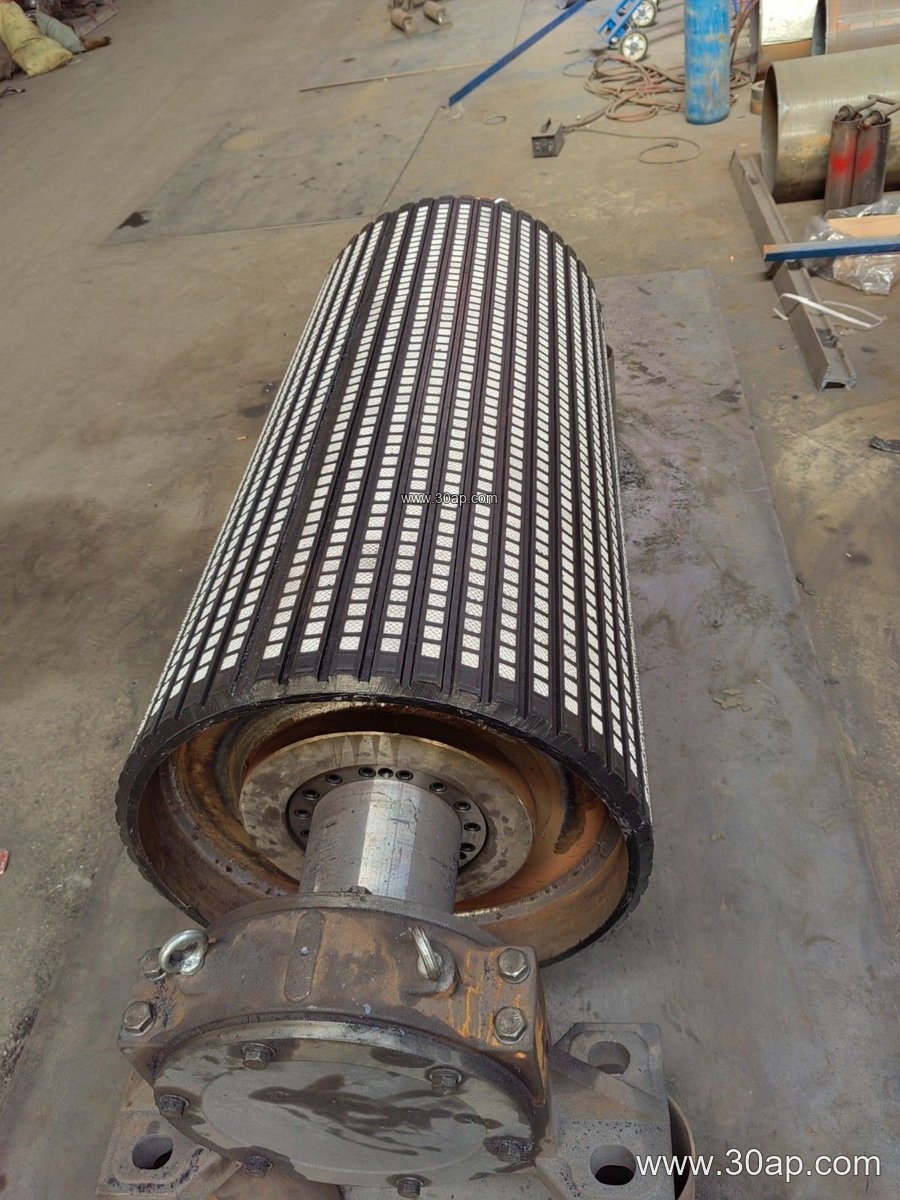
Construction and Surface Options
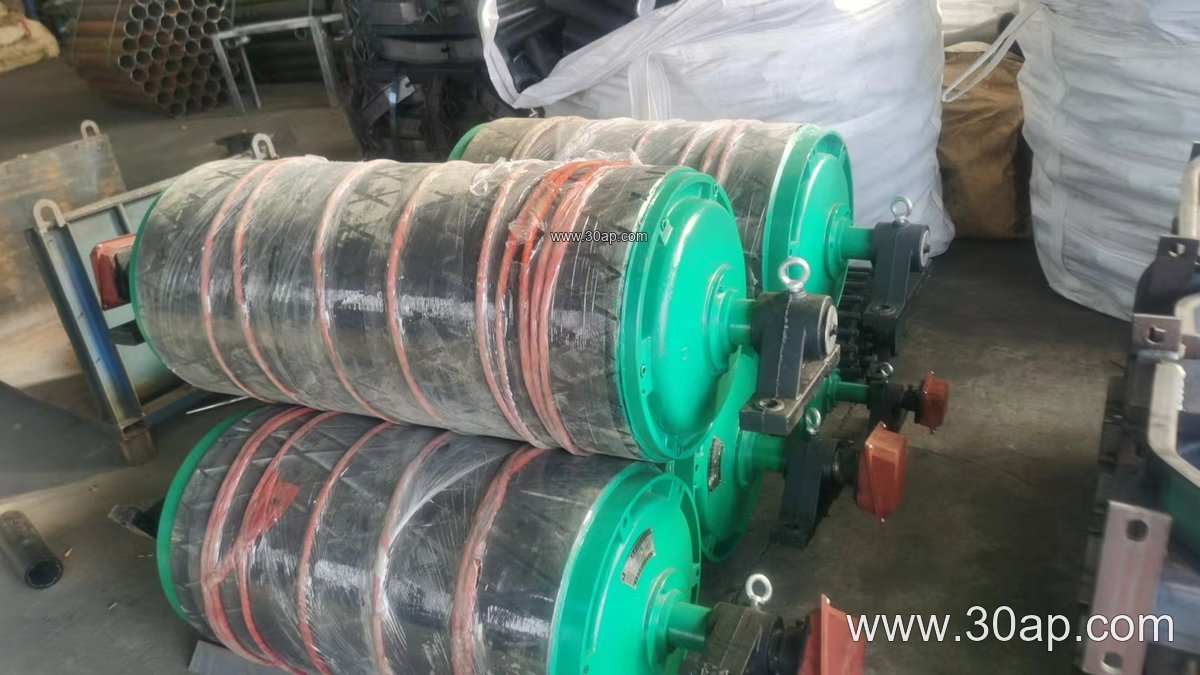
The drum body is usually fabricated from rolled steel plate with welded end discs, or made from seamless pipe for smaller diameters. Shafts are sized by torque and radial load, not by belt width alone, so a 1250mm drive pulley may use a shaft in the range of Ø160 to Ø200 or larger depending on the drive arrangement. Common shaft diameters include Ø120, Ø140, Ø160, Ø180, and Ø200, but the final value is a design decision.
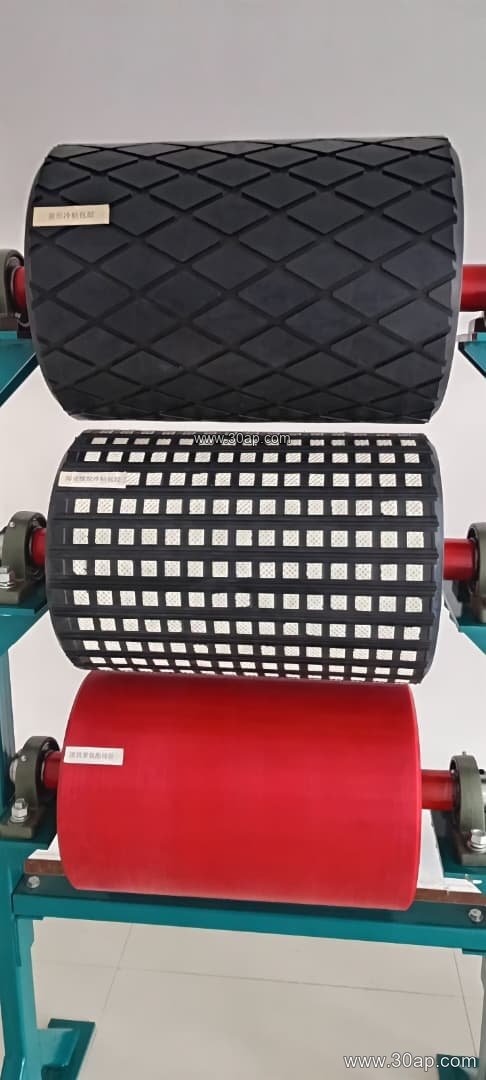
Surface treatment affects grip and wear life. Plain finish is used where traction is adequate; rubber lagging is common for general bulk duty. Lagging may be applied as cast rubber, cold-bonded rubber, or hot-vulcanized rubber, with thicknesses of 8, 10, 12, 15, or 20 mm. Diamond groove lagging helps shed water and fines, while ceramic lagging is chosen for high-abrasion service. For a 1250mm drive pulley, the drum face width is normally greater than the belt width to allow for tracking.
| Parameter | Typical Reference |
|---|---|
| Drum diameter | Ø1000, Ø1250, Ø1400 mm |
| Belt width examples | B1200, B1400, B1600, B1800 |
| Face width (approx.) | B1400 about 1600 mm; B1600 about 1800 mm |
| Lagging thickness | 8, 10, 12, 15, 20 mm |
| Shaft diameter range | Ø120 to Ø200 mm (design-dependent) |
Where It Fits in the Plant
In a quarry or aggregate line, a 1250mm drive pulley often sits at the discharge end of a primary crusher conveyor, where rock and ore arrive at high impact. In a coal preparation plant or power station coal yard, the same drum may be specified with flame retardant lagging and anti-static properties to suit the environment. Cement plants use large head drums on clinker and limestone conveyors, while iron ore and copper ore operations favor heavy-duty designs with abrasion resistant surfaces.
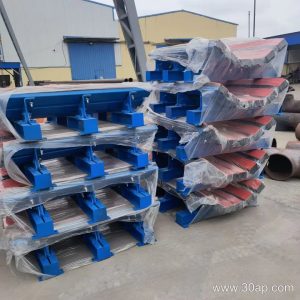
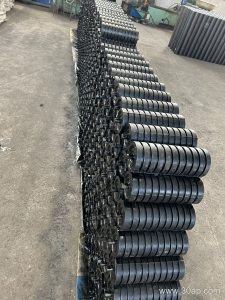
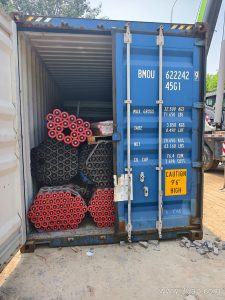
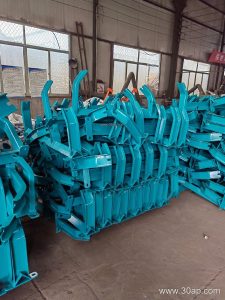
The pulley works with the conveyor belt, idler roller frames, and conveyor bracket assemblies to maintain belt alignment. A misaligned bracket or worn idler can shorten lagging life, so the drive pulley should be checked as part of the whole conveyor structure.
Selection Notes for Buyers
Start with the belt width and the required operating tension. Belt widths such as B1200, B1400, B1600, and B1800 are common companions for a 1250mm drive pulley, but no single belt width dictates one drum diameter. The drive duty, starting method, and lagging type also influence the choice. Specify the belt construction: an EP conveyor belt or steel cord conveyor belt will call for different traction and load assumptions. In mining and quarrying, abrasion resistant conveyor belt grades are often used with rubber-lagged drums.
- Confirm the pulley position: head, discharge, or another drive location.
- State the belt type and tension so the shaft and lagging can be sized.
- Choose lagging for the material: diamond for wet fines, ceramic for sharp rock.
- Check that the conveyor bracket and idler roller spacing match the drum face.
Maintenance is mainly about lagging wear and shaft alignment. Keep the belt cleaner and avoid material buildup on the drum face, which can cause tracking problems. For harsh service, a spare lagging kit may be worth planning at the outset.
Related Equipment and Keywords
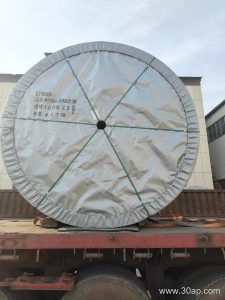
This drum is often supplied alongside rubber conveyor belt, EP conveyor belt, and NN conveyor belt specifications for general bulk duty, while steel cord conveyor belt is used for higher tension routes. Flame retardant conveyor belt and heat resistant conveyor belt grades appear in coal and cement circuits. The conveyor pulley, idler roller, and conveyor bracket should be reviewed together during layout. For more information on matching a 1250mm drive pulley to your belt and structure, visit our site and review the conveyor pulley range.