What Rubber Pulley Lagging Is and Why It Matters
Rubber pulley lagging is a rubber layer bonded to the surface of a conveyor pulley to improve grip between the pulley and the conveyor belt. In a drive pulley, this grip is essential for transmitting torque without slipping, especially when the belt is carrying heavy loads or operating in wet, dusty conditions. The lagging also protects the pulley shell from wear and can help center the belt. While drive pulleys are the most common application, rubber lagging is also used on tail pulleys and bend pulleys where additional traction or protection is needed. It is not a substitute for proper belt tensioning or correct pulley selection, but a well-chosen lagging can extend pulley life and reduce downtime.
Construction and Surface Options
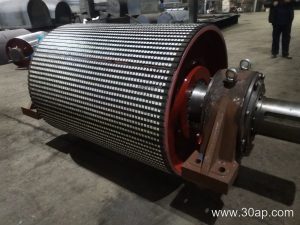
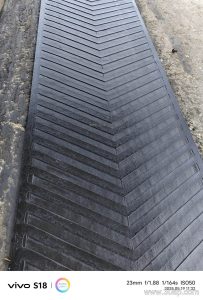
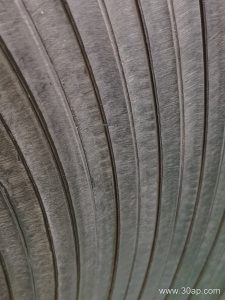
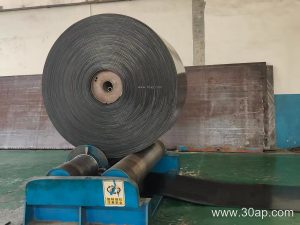
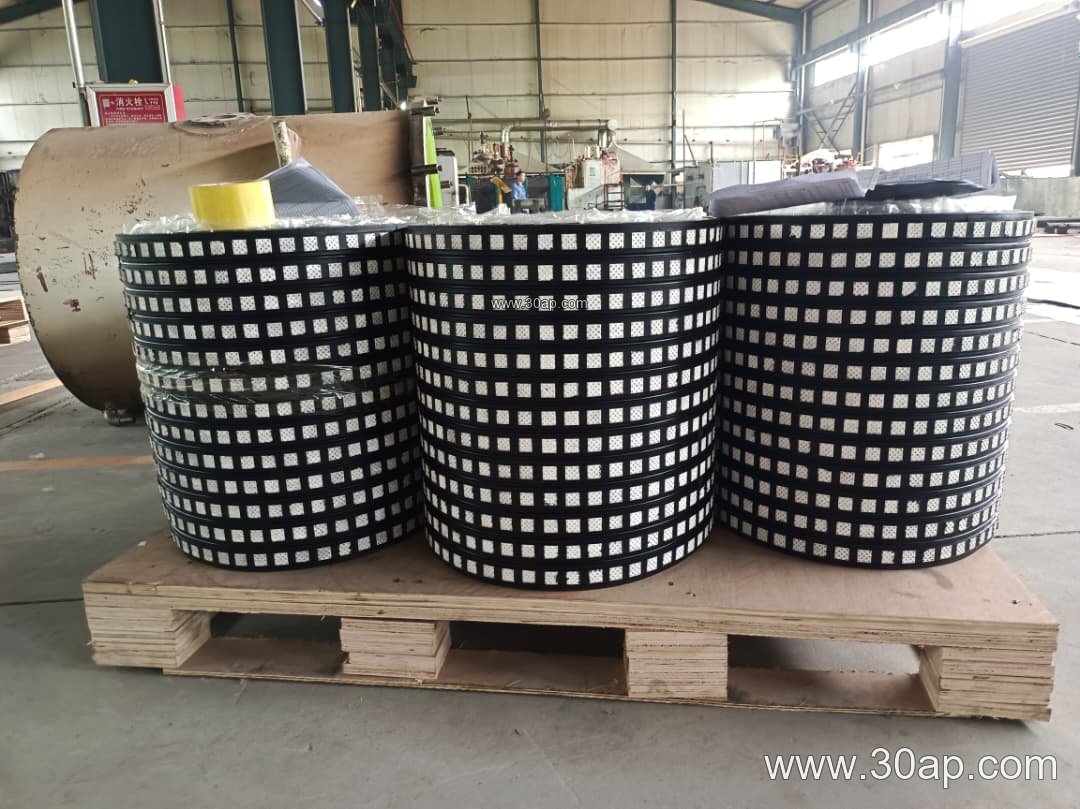
Rubber pulley lagging is typically made from abrasion-resistant rubber compounds, often with a fabric or cord reinforcement embedded in the sheet. It can be supplied as cold-bonded sheets, hot-vulcanized sheets, or pre-molded strips. The surface pattern is chosen based on the application: plain (smooth) lagging offers uniform contact and is common on non-drive pulleys; diamond or herringbone patterns provide extra traction and help shed water and debris; ceramic lagging combines rubber with embedded ceramic tiles for high-wear areas. Thickness commonly ranges from 8 mm to 20 mm, with 10 mm and 12 mm being frequent choices for general duty. The right thickness depends on pulley diameter, belt tension, and the expected wear rate.
Common Surface Forms and Typical Use
- Plain rubber lagging – good for bend and tail pulleys, easy to clean.
- Diamond pattern – improves grip on drive pulleys, helps water drainage.
- Herringbone pattern – self-cleaning effect, suitable for wet or sticky materials.
- Ceramic lagging – high abrasion resistance for heavy-duty drive pulleys in mining and quarrying.
Where Rubber Pulley Lagging Is Used
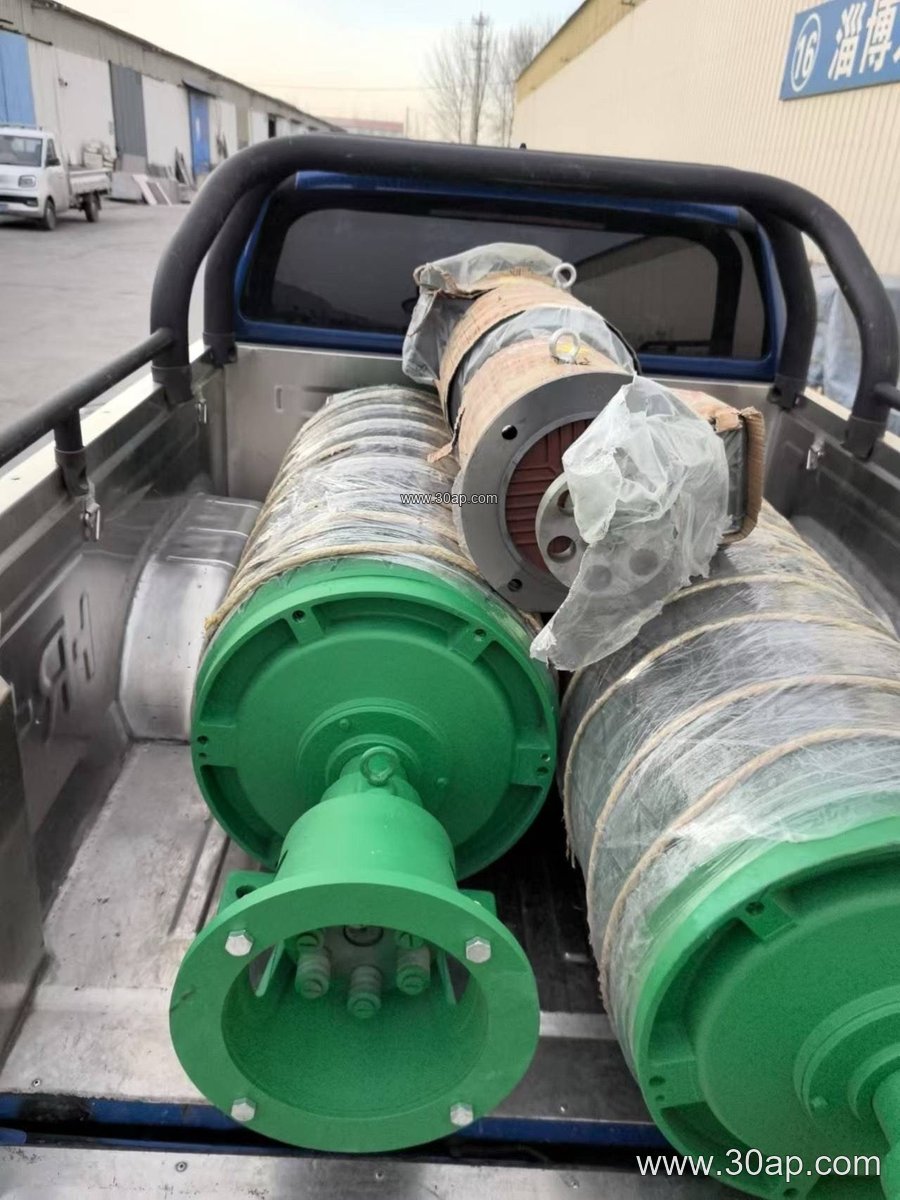
You will find rubber pulley lagging in bulk material handling systems across many industries. In a limestone quarry, it helps the drive pulley maintain traction on a conveyor carrying coarse rock, even when dust and moisture are present. In a coal washing plant, lagging on the drive and tail pulleys reduces slip and protects the pulley face from fine coal slurry. Cement plants use it on clinker and raw meal conveyors, while power plants rely on it for coal handling lines. Other typical locations include iron ore and copper ore operations, port bulk terminals, and aggregate crushing plants. The lagging works together with the conveyor belt, idler rollers, and conveyor brackets to keep the system running smoothly.
Matching Lagging to Pulley Type and Belt Width
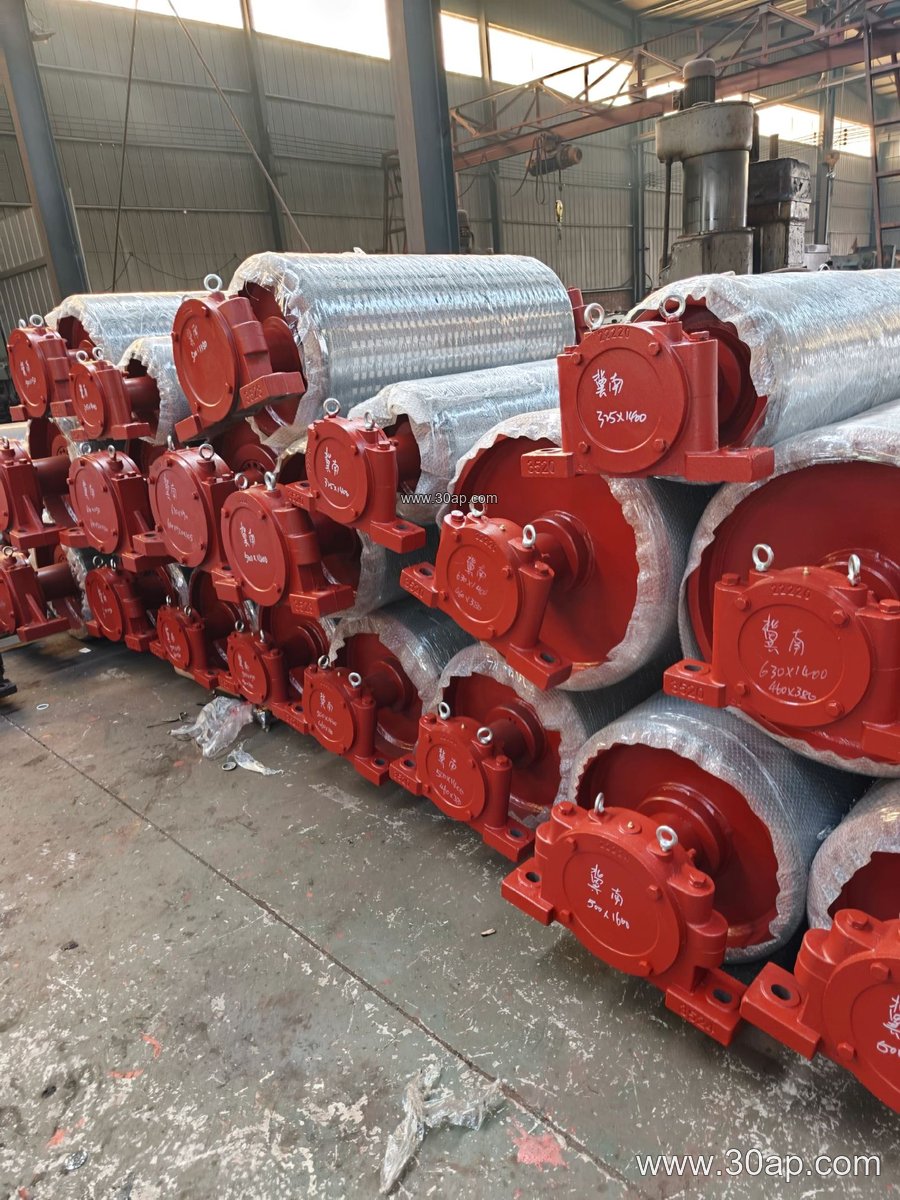
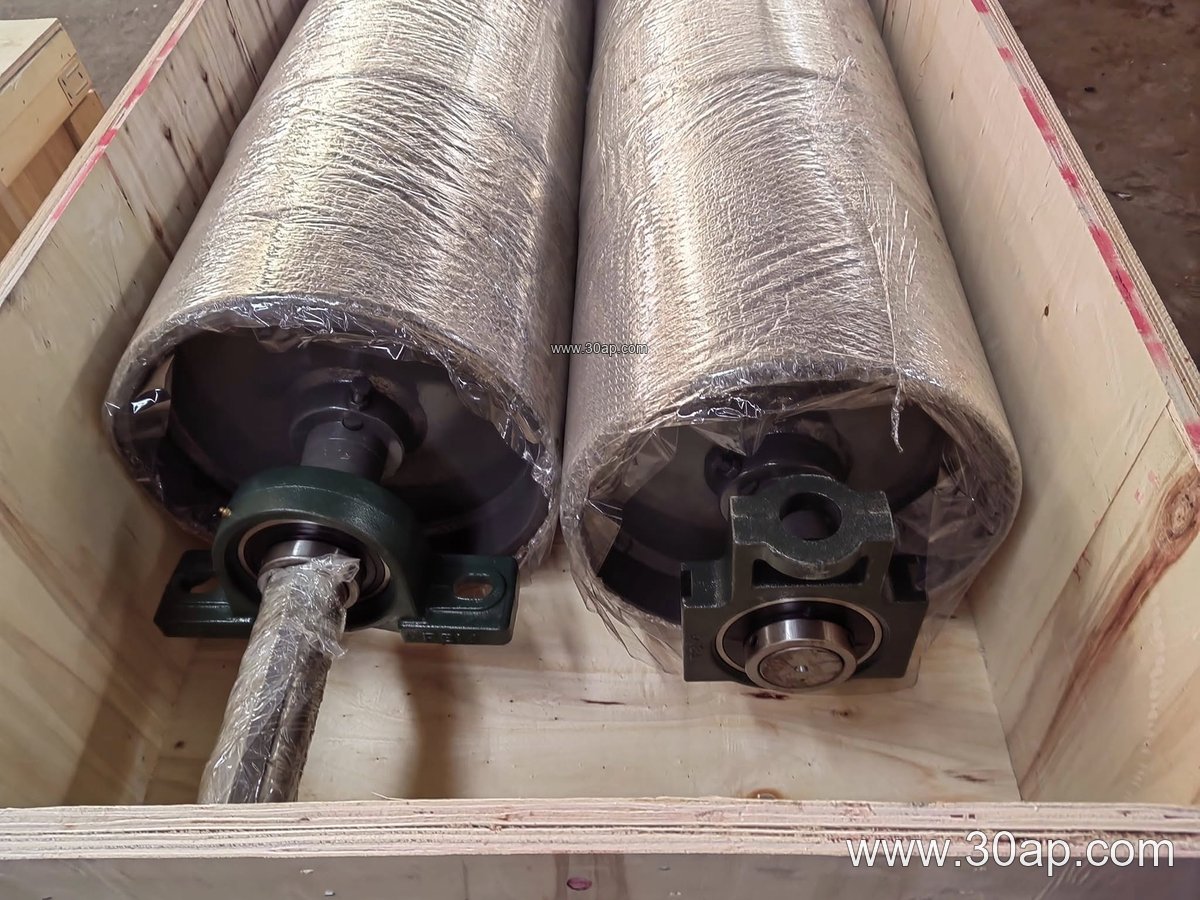
The pulley type determines the lagging requirement. A drive pulley (also called head pulley) needs reliable friction, so diamond or ceramic lagging is often specified. A tail pulley mainly needs protection and belt centering, so plain or lightly patterned lagging may be sufficient. A bend pulley, which changes belt direction, usually uses plain lagging to avoid unnecessary belt wear. When selecting lagging, consider the belt width and pulley diameter together. For example, a B800 belt might run on a Ø500 drive pulley with 10 mm diamond lagging, while a B1200 belt could use a Ø1000 pulley with 12 mm lagging. These are common combinations, not fixed rules; the final choice depends on belt tension, torque, and environmental conditions. The pulley face width is usually slightly wider than the belt width to allow for belt misalignment.
Reference Examples of Pulley and Lagging Combinations
| Belt Width | Typical Pulley Diameter | Common Lagging Thickness | Typical Surface |
|---|---|---|---|
| B500 | Ø320 – Ø400 | 8 – 10 mm | Plain or diamond |
| B650 | Ø400 – Ø500 | 10 mm | Diamond |
| B800 | Ø500 – Ø630 | 10 – 12 mm | Diamond or herringbone |
| B1000 | Ø630 – Ø800 | 12 mm | Diamond or ceramic |
| B1200 | Ø800 – Ø1000 | 12 – 15 mm | Ceramic or diamond |
| B1400 | Ø1000 – Ø1250 | 15 mm | Ceramic |
These values are indicative and should be confirmed by the conveyor designer. Shaft diameter is determined by torque and load, not by belt width alone; common shaft sizes include Ø80, Ø100, Ø120, and Ø140 for medium-duty pulleys.
Buyer Checklist for Rubber Pulley Lagging
Before ordering, clarify the pulley type (drive, tail, bend, take-up, or snub), pulley diameter and face width, belt width, and operating environment. Specify the lagging material and surface pattern, thickness, and bonding method (cold bond or hot vulcanized). For high-wear applications such as iron ore or copper ore conveyors, consider ceramic lagging. For food or clean environments, ensure the rubber compound is suitable. Also check compatibility with the conveyor belt: a very aggressive lagging pattern may increase belt wear on thin fabric belts. Finally, plan for installation and maintenance—lagging can be replaced on-site, but proper surface preparation is critical for bonding. Remember that rubber pulley lagging is one part of the system; it works alongside the conveyor belt, idler rollers, and conveyor brackets to achieve reliable performance.