What a High-Friction Lagged Pulley Does
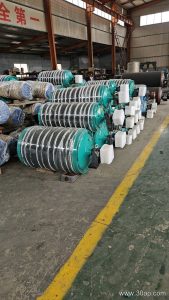
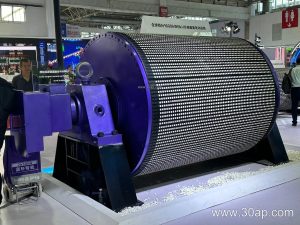
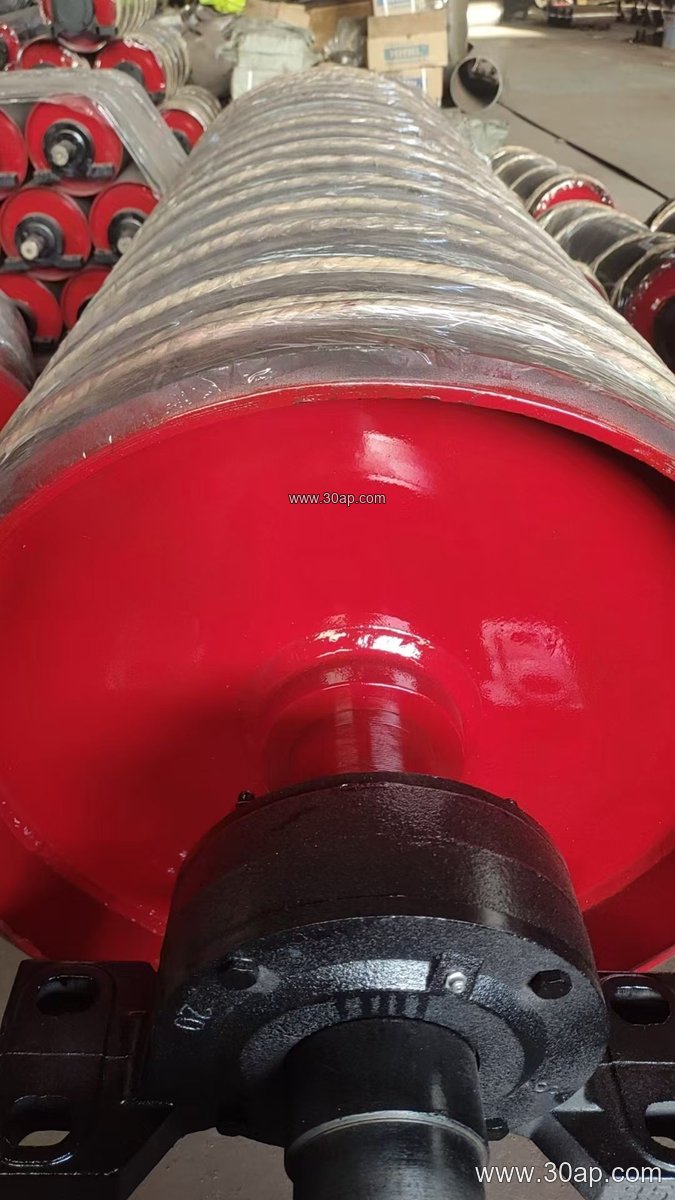
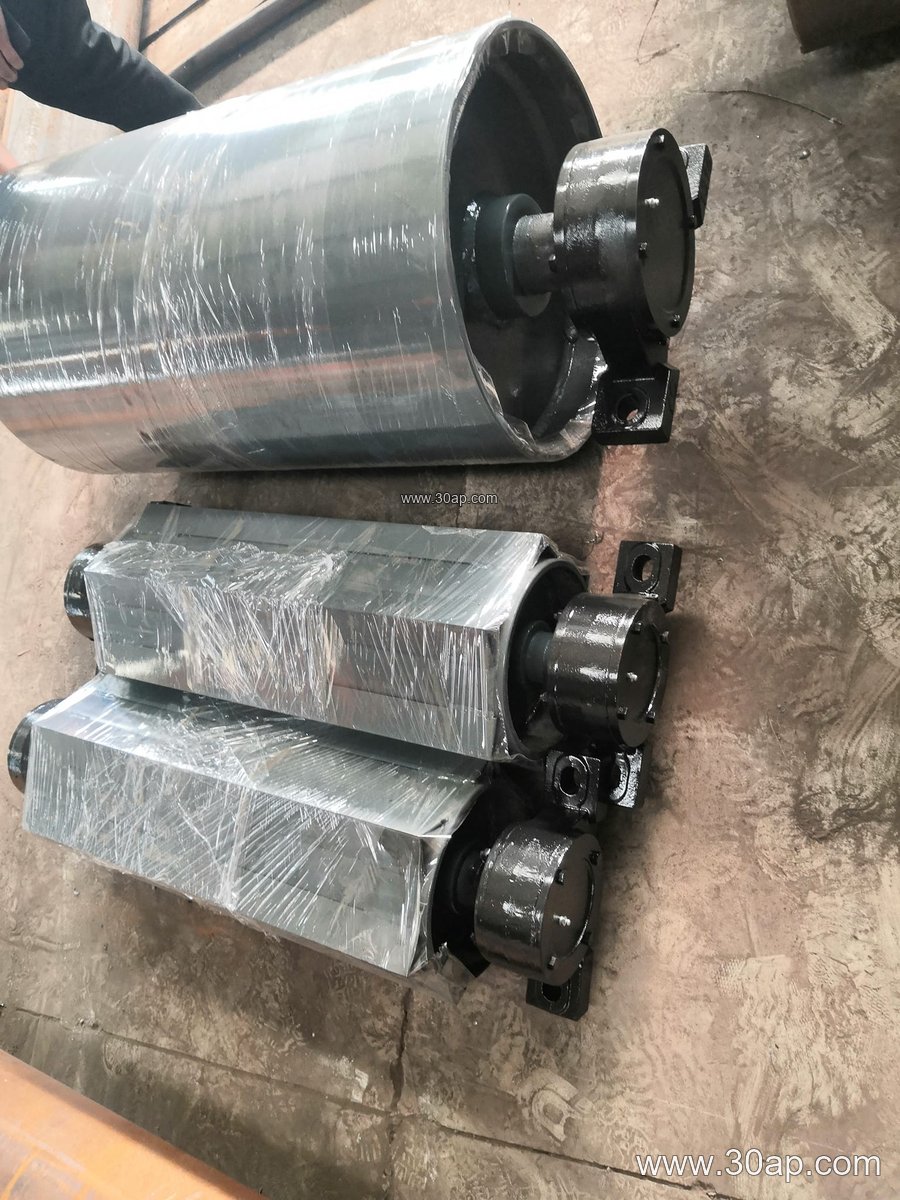
A high-friction lagged pulley is a conveyor pulley whose shell is covered with a rubber or ceramic lagging layer to increase grip on the conveyor belt. This type of pulley is often used as a drive pulley or head pulley, where torque must be transferred without slip. In a quarry, cement plant, or coal handling system, the lagged surface helps maintain traction when the belt carries heavy loads or works in wet, dusty conditions. The same product is also called a rubber-lagged pulley or friction-lagged pulley, but it remains distinct from tail pulleys and bend pulleys, which serve different positions in the conveyor frame.
Construction and Surface Options
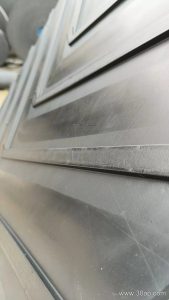
The pulley body is usually a welded steel drum with shaft, hubs, and bearing housings. The lagging is applied as a sheet or strip and can be cold-bonded, hot-vulcanized, or cast directly onto the shell. Surface patterns include plain rubber, diamond groove, herringbone, and ceramic tile. Common lagging thicknesses are 8, 10, 12, 15, and 20 mm, chosen according to belt tension and environmental conditions. A high-friction lagged pulley may also be supplied with a crowned face or plain face depending on belt tracking requirements.
| Parameter | Common Range |
|---|---|
| Belt width (B) | B400, B500, B650, B800, B1000, B1200, B1400, B1600, B1800, B2000 |
| Pulley diameter | Ø200, Ø250, Ø315, Ø400, Ø500, Ø630, Ø800, Ø1000, Ø1250 |
| Lagging thickness | 8, 10, 12, 15, 20 mm |
| Shaft diameter | Ø50 to Ø200 mm, determined by torque and load |
| Face width | Usually wider than belt, e.g. B800 about 950 mm |
These values are reference data, not fixed combinations. A B1200 pulley may be paired with Ø1000 in one drive and Ø800 in another, depending on belt speed and tension. Shaft size must be calculated from drive torque and radial load, never assumed from belt width alone.
Where It Fits in the Conveyor
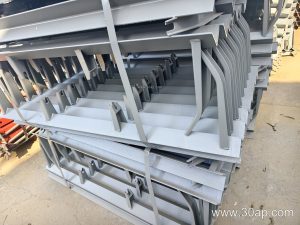
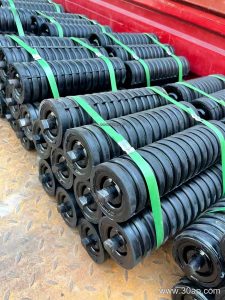
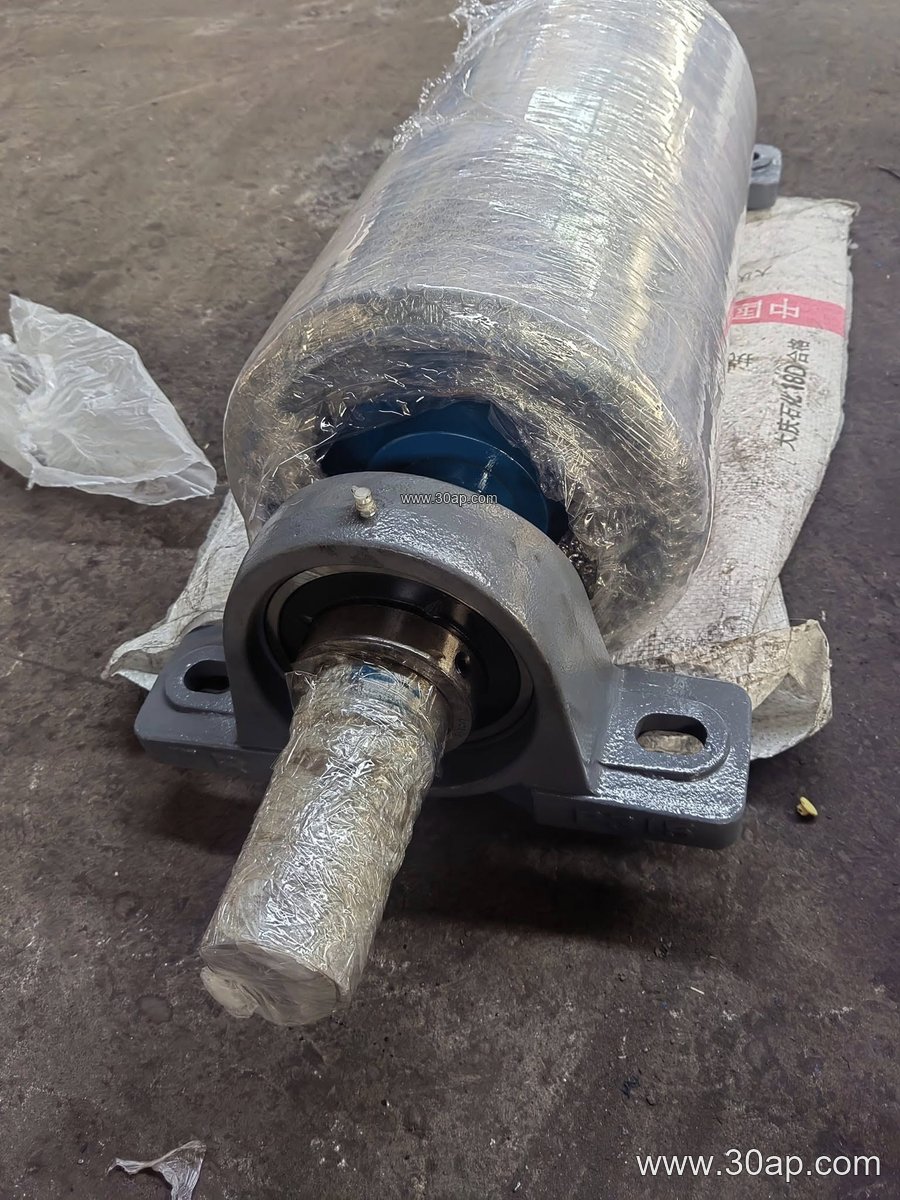
High-friction lagging is most often found on the drive pulley at the discharge end of a belt conveyor. In an underground coal mining conveyor, a flame retardant conveyor belt may run over a lagged drive pulley to keep the belt moving under constant load. In a sand and gravel plant, an abrasion resistant conveyor belt benefits from a lagged pulley that reduces slip caused by grit and moisture. The pulley works together with conveyor idler rollers and a sturdy conveyor bracket to keep the belt aligned and tensioned. While a bend pulley or tail pulley may also have lagging, the high-friction version is specifically selected where traction is critical.
Selection and Maintenance Notes
Buyers should match lagging type to the material being conveyed. For oily or chemical environments, an oil resistant conveyor belt and a rubber lagging with suitable compound are preferred. In cold climates, a cold resistant conveyor belt may be used with a lagging that remains flexible at low temperature. For high-temperature service such as cement clinker or sinter, a heat resistant conveyor belt should be paired with a lagging compound rated for the same temperature range. Ceramic lagging offers excellent grip in wet conditions but can wear the belt cover if not correctly specified. Regular inspection of lagging wear, bolt tightness, and bearing condition helps prevent slip and belt damage. A high-friction lagged pulley is not a substitute for a tail pulley or a bend pulley; each position has its own design and duty.
Buyer Checklist
- Confirm belt width and pulley face width, allowing for belt wander.
- Specify lagging thickness and pattern based on slip risk and material.
- Provide actual torque and radial load so the shaft diameter can be verified.
- State environmental factors such as moisture, oil, dust, or temperature.
- Check compatibility with the selected conveyor belt, whether EP conveyor belt, steel cord conveyor belt, or multi-ply fabric core conveyor belt.
For more information on conveyor pulleys, idler rollers, and conveyor brackets, visit our site at www.example.com/conveyor-pulley or www.example.com/high-friction-lagged-pulley.