What a Belt Conveyor Bracket Does on the Line
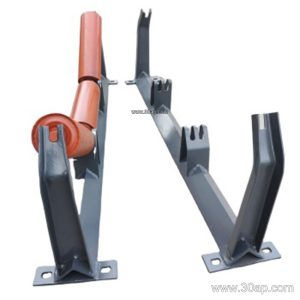
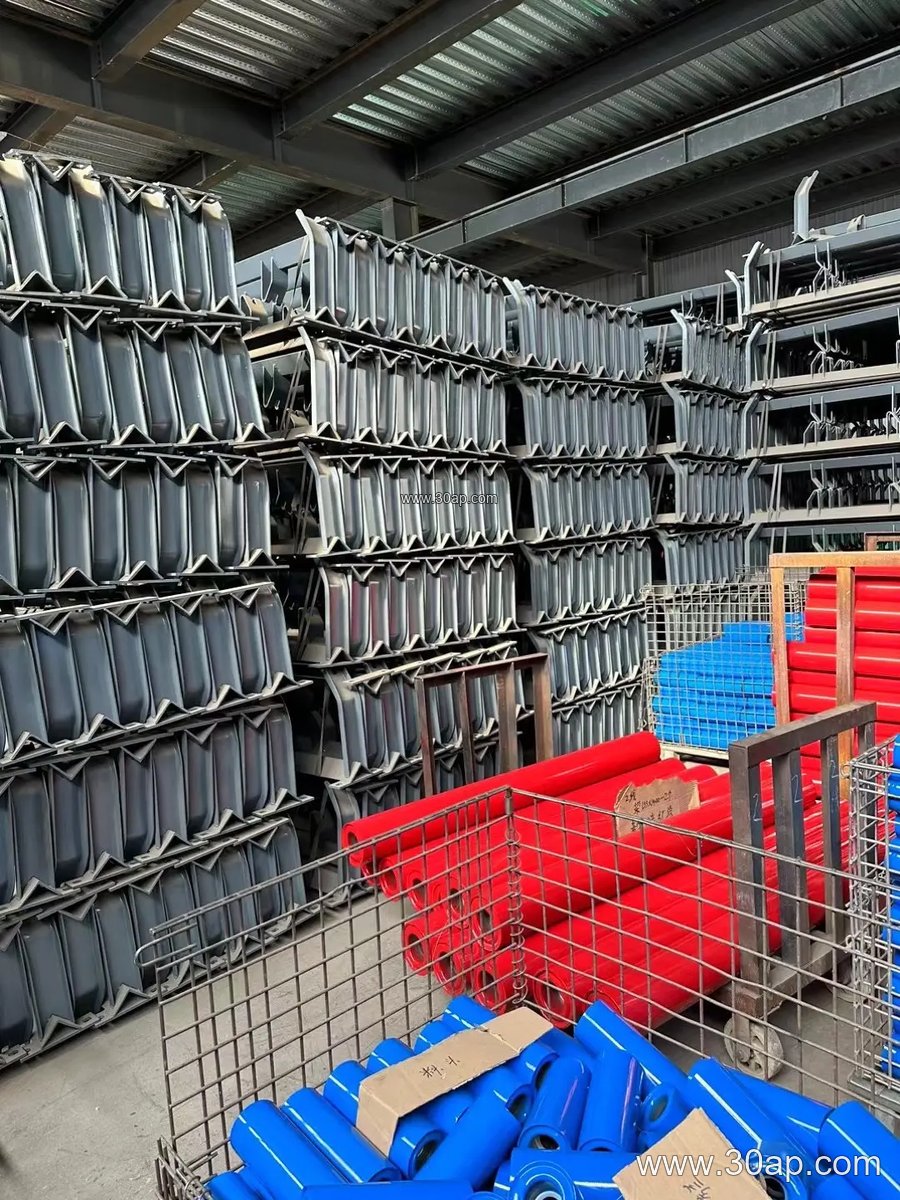
A belt conveyor bracket is the structural support that holds the idler roller in position under the carrying and return strands of a conveyor belt. It bridges the conveyor frame and the rotating components, keeping the belt profile stable from the loading point to the discharge. In a quarry, a cement plant, or a power plant coal yard, the bracket is often the part that quietly determines how well the belt tracks and how evenly the load is distributed. Because the bracket carries the idler and absorbs vibration, its design also affects maintenance intervals for the whole conveyor.
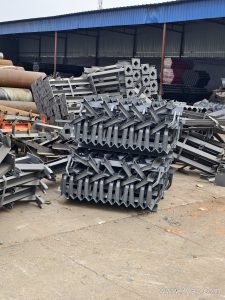
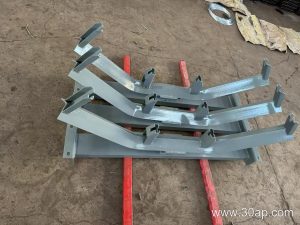
In practice, a belt conveyor bracket frame is fabricated from angle steel, channel steel, or folded steel plate. The material choice follows the load and the environment: channel steel is common on heavy-duty carrying positions, while folded plate is often used where weight and cost matter. The bracket is usually bolted to the stringer or frame, and the mounting hole spacing and crossbeam length are set by the belt width and trough angle rather than being fixed values.
Troughing, Return, and Transition Positions
Carrying side brackets
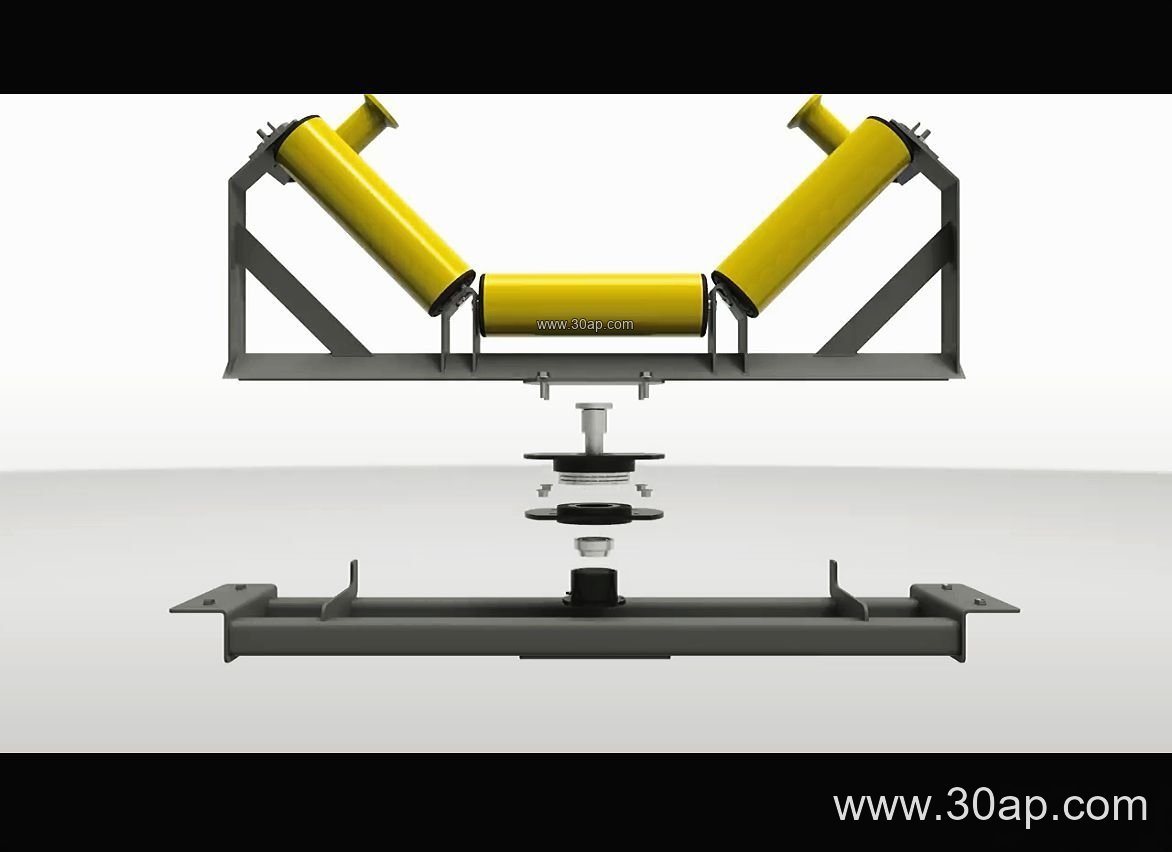
On the carrying side, the most familiar form is the troughing bracket, which supports three idlers at a trough angle. Common trough angles include 20, 30, 35, and 45 degrees, and an adjustable bracket can be set among these angles during installation or adjustment. A forward-leaning bracket, often around 1.5 to 2 degrees, is used to help the belt self-center. For impact zones below a crusher or a transfer chute, an impact bracket with cushioning is a separate subtype and should be selected for that duty rather than substituted for a standard troughing bracket.
Return side brackets
On the return strand, the bracket supports flat return idlers or V-return idlers. A V-return bracket helps keep the belt centered and sheds loose material. These are distinct from carrying brackets and from each other, so the position on the conveyor should be matched to the correct bracket subtype.
Transition and adjustable brackets
Transition brackets are used where the belt changes from a flat profile at the pulley to a trough profile. Adjustable brackets allow the trough angle to be trimmed, which is useful when the belt width and idler diameter are fixed but the material loading pattern varies. This is often the practical answer when a plant changes the conveyed material or the belt type.
Matching Bracket, Idler, and Belt
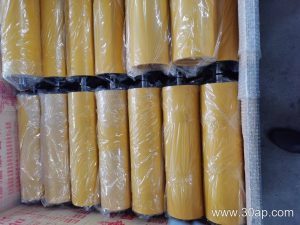
The bracket does not work alone. It has to match the idler roller diameter and the belt width. Common roller diameters include Ø89, Ø108, Ø133, Ø159, and Ø194, and common belt widths range from B500 to B2200. A B800 bracket with a 35 degree trough and Ø108 idlers is a typical arrangement in aggregate and cement service, while a B1200 or B1400 line may use 45 degree troughs with Ø133 or Ø159 idlers. These are examples, not fixed rules: a given belt width can work with more than one trough angle or roller diameter, and the final combination should follow the conveyor design.
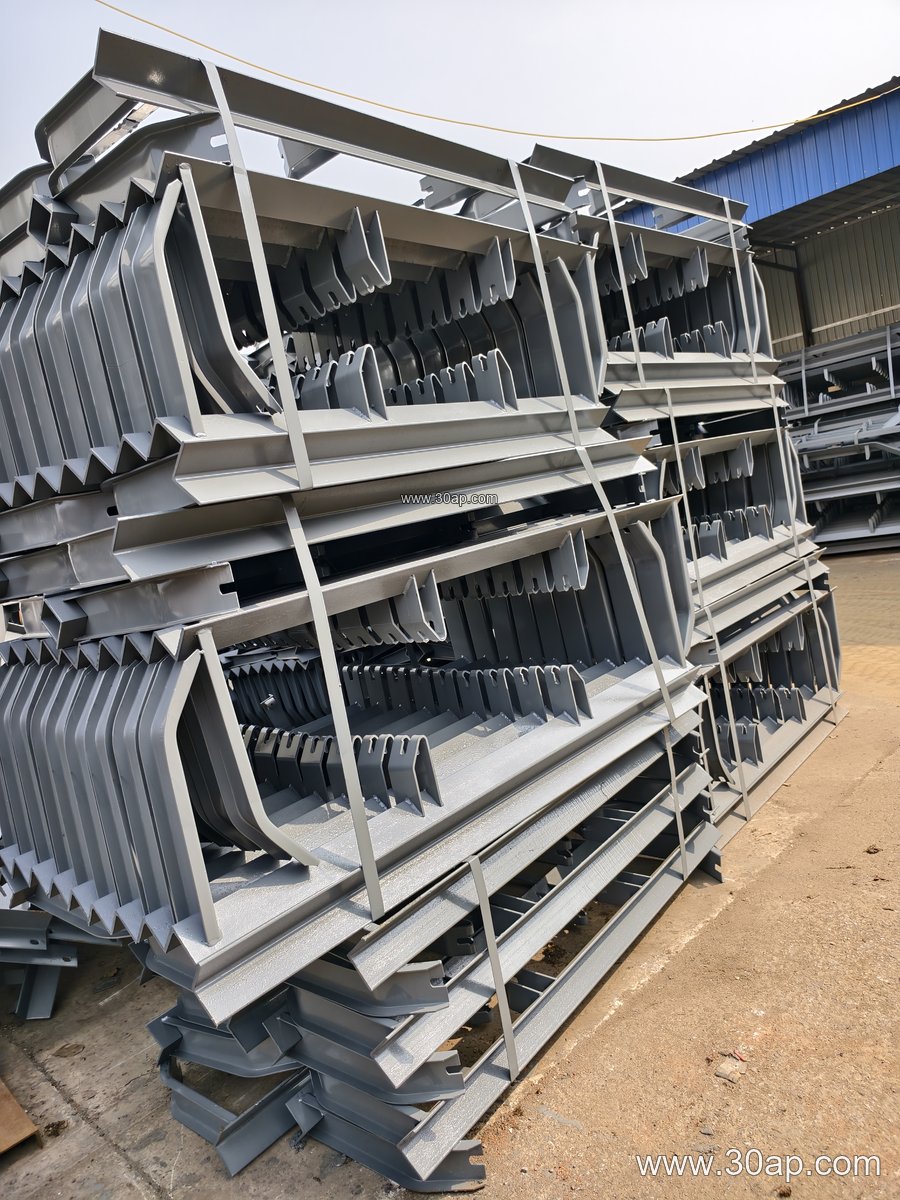
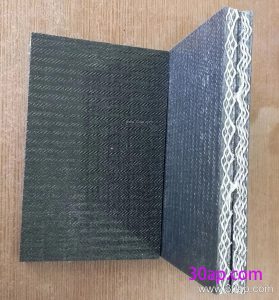
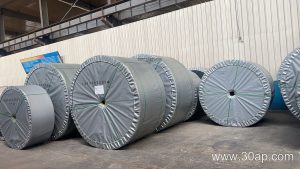
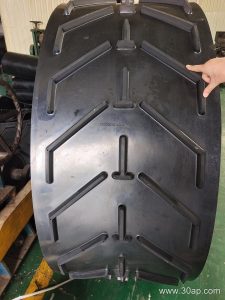
The belt itself also matters. A heavy-duty mining conveyor belt or a steel cord conveyor belt carries higher tension and mass, so the bracket and frame must be sized for the load. In coal mining and underground coal mining, a flame retardant conveyor belt and anti-static conveyor belt are often specified, and the bracket should allow proper grounding and clearance. In a cement plant or a power plant, a heat resistant conveyor belt or abrasion resistant conveyor belt may run alongside the same bracket family, so the bracket should be checked for temperature and dust exposure.
Common Configurations at a Glance
The table below shows typical reference combinations; actual values are confirmed by the conveyor design.
| Bracket Type | Typical Belt Width | Trough Angle | Common Roller Diameter |
|---|---|---|---|
| Troughing bracket | B500–B1000 | 20–35 degrees | Ø89, Ø108 |
| Troughing bracket | B1200–B1600 | 35–45 degrees | Ø133, Ø159 |
| Transition bracket | B800–B1800 | 20–45 degrees | Ø108–Ø159 |
| Return bracket (flat) | B650–B1400 | Flat | Ø89–Ø133 |
| V-return bracket | B800–B1600 | V profile | Ø108–Ø159 |
| Adjustable bracket | B650–B1800 | 20–45 degrees | Ø89–Ø159 |
Buyer Checklist Before Ordering
- Confirm the bracket position: carrying, return, transition, impact, or self-aligning.
- State the belt width, trough angle, and idler diameter so the mounting hole spacing and crossbeam length can be set.
- Match the bracket material to the duty: angle steel, channel steel, or folded plate.
- Check the environment: dust, moisture, temperature, and whether a flame retardant conveyor belt or oil resistant conveyor belt is in use.
- Ask for the bracket drawing with hole positions rather than assuming a fixed dimension.
For plants running EP conveyor belt, NN conveyor belt, or a fabric core conveyor belt on moderate-duty lines, the bracket is usually a straightforward fabrication item, but it still deserves a drawing check. A small error in hole spacing can delay installation of the conveyor pulley, idler roller, and belt together. Buyers who keep bracket, idler, and belt data on one sheet tend to avoid mismatches at the assembly stage.