What an Impact Resistant Conveyor Belt Is
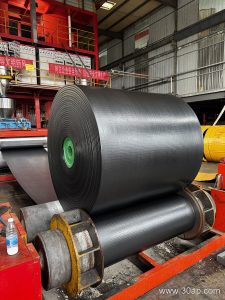
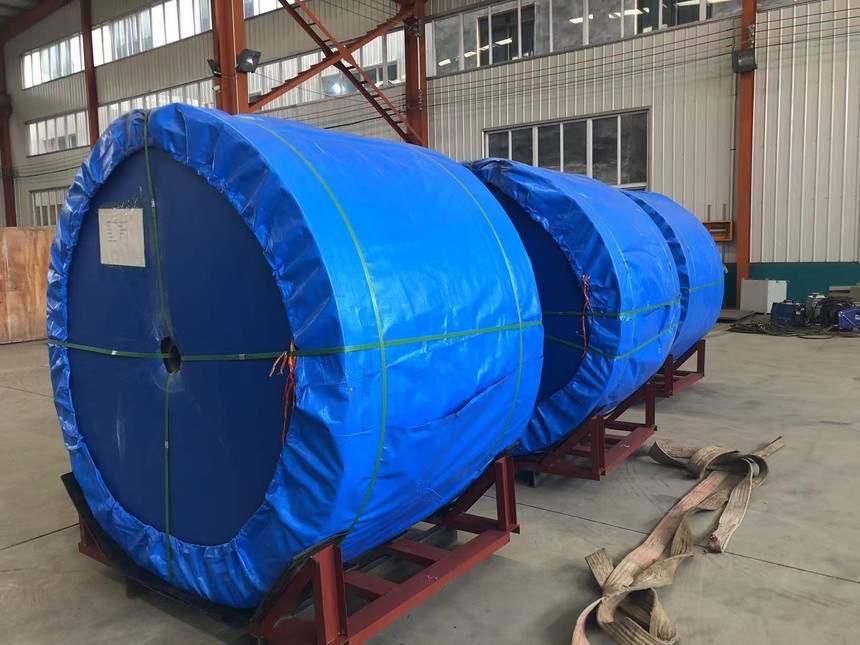
An impact resistant conveyor belt is a heavy-duty conveyor belt engineered to absorb the shock of large, sharp, or high-velocity material at loading points. In mines, quarries, cement plants, power stations, and sand and gravel yards, the belt often takes a beating from falling rock, ore, clinker, or aggregate. This belt is built to resist cutting, gouging, and puncturing while keeping the conveyor line moving. It is not a single universal product but a family of belts designed with enhanced impact protection. Common names include impact resistant conveyor belt, shock resistant conveyor belt, and heavy-duty impact belt. The core purpose remains the same: protect the belt at the point of impact and extend service life in harsh bulk material handling.
Construction and Design Features
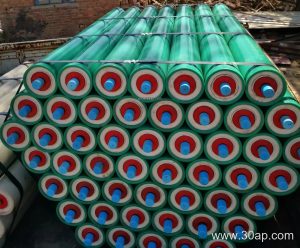
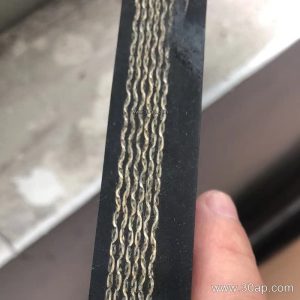
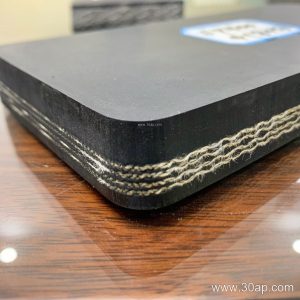
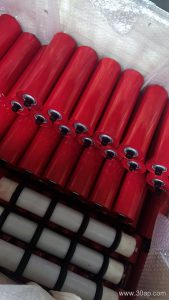
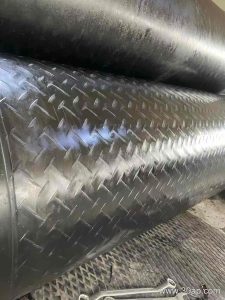
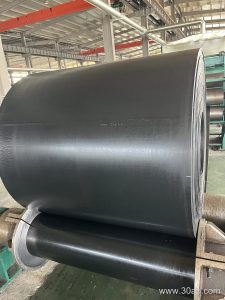
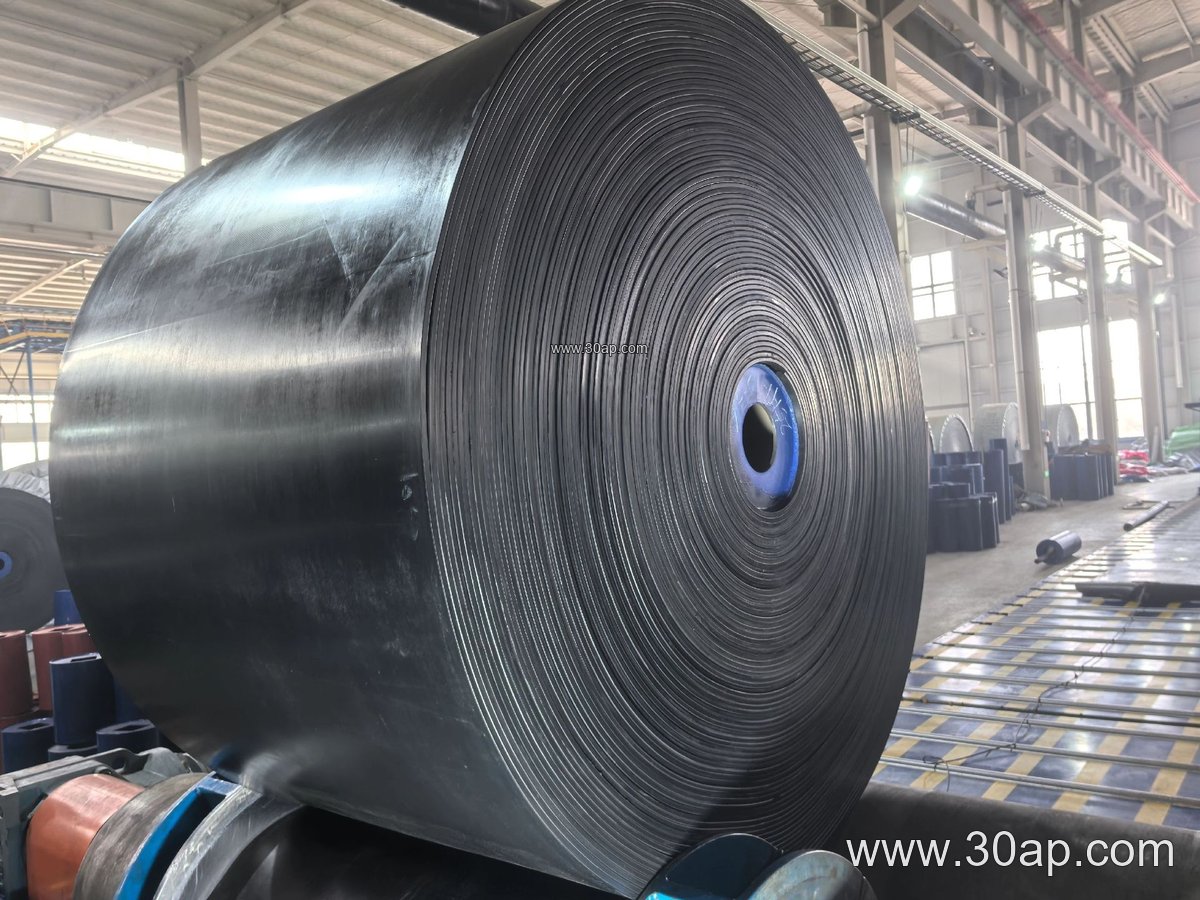
Impact resistance comes from a combination of cover compound, fabric or steel reinforcement, and sometimes extra cushion layers. The top cover is usually a thick, tough rubber compound, often with high abrasion resistance. Under the cover, the carcass may be multi-ply fabric, such as EP or NN, or steel cord, depending on the duty. For extreme impact, some belts include a breaker layer or a reinforced impact zone. The bottom cover and edges are also designed to resist tearing. The belt may be used with a conveyor pulley, idler roller, and conveyor bracket that are matched to the load and belt thickness. While impact belts can be supplied in many widths, common belt widths range from 500 mm to 2000 mm, and cover thicknesses like 6+2 mm or 8+3 mm are often chosen for high-impact zones. The exact construction is determined by the material size, drop height, and throughput.
Where It Is Used
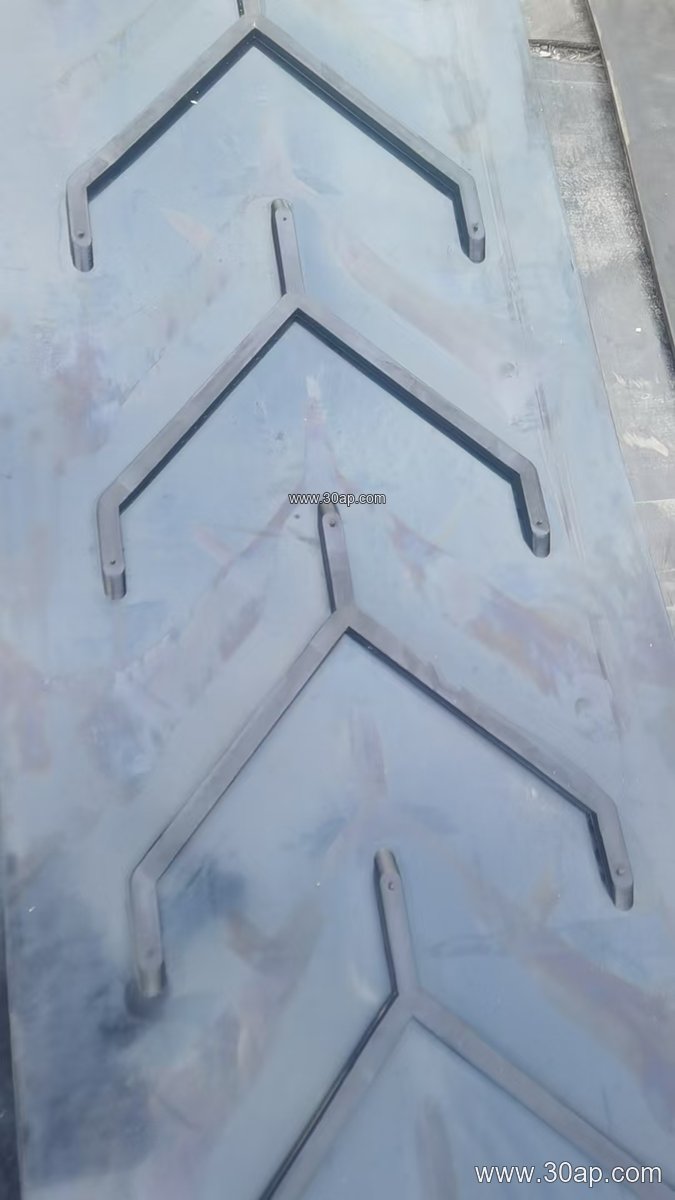
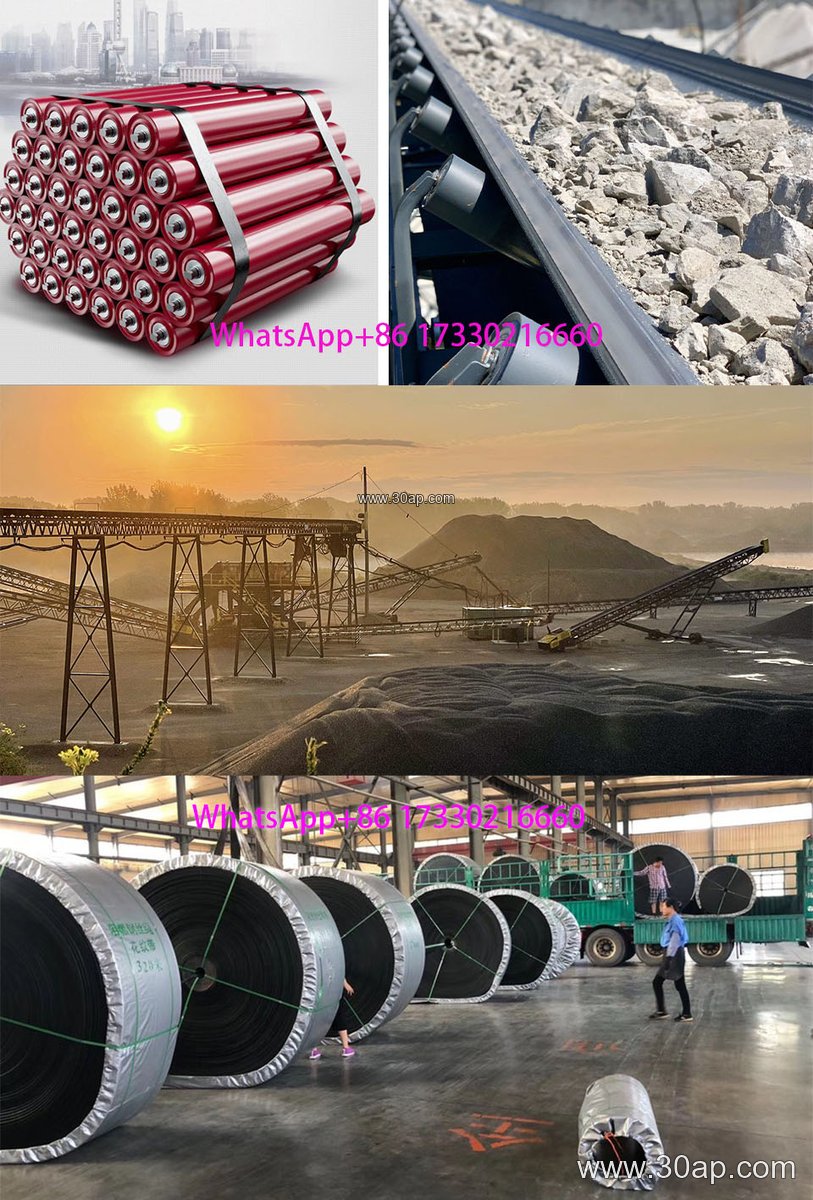
These belts are common in mining conveyor systems, including coal mining conveyor belts and underground mining conveyor belts, where lump size and drop height are significant. In the quarry and aggregate industry, they handle blasted rock under crusher conveyors and screen feed points. Cement plants use them for clinker and limestone; power plants for coal and ash; and port facilities for ship loading and bulk material transfer. Other applications include recycling lines, steel plant conveyor belts, and sand making plant conveyors. In all these settings, the impact resistant belt works alongside conveyor pulleys, idler rollers, and conveyor brackets to maintain a stable conveying path.
Key Specifications and Options
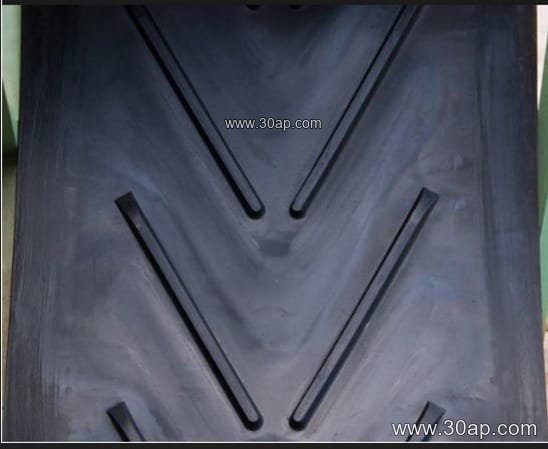
Buyers will encounter several specification choices. The carcass type affects strength and flexibility. EP conveyor belts are widely used for impact duties and are available in grades such as EP200, EP400, EP630, EP1000, and EP1250. NN conveyor belts are another fabric core option. Steel cord conveyor belts, such as ST1000 or ST1600, may be chosen for very high tension and long runs, but impact protection still depends on cover thickness and design. Belt width is selected to match the conveyor capacity and material size; common widths include 800 mm, 1000 mm, 1200 mm, 1400 mm, and 1600 mm. Cover thickness and quality are critical: a thicker top cover, often 6 mm to 8 mm or more, provides better resistance to cutting. The table below gives indicative reference values; actual supply varies by manufacturer and application.
| Parameter | Common reference range |
|---|---|
| Belt type | EP, NN, steel cord, impact-resistant fabric core |
| Strength grades (EP) | EP200, EP400, EP630, EP1000, EP1250 |
| Belt width | B500, B650, B800, B1000, B1200, B1400, B1600 |
| Top cover thickness | 4 mm to 8 mm or more, depending on impact severity |
| Bottom cover thickness | 1.5 mm to 3 mm typical |
| Carcass plies | 2 to 6 plies for fabric belts |
Other useful variants include abrasion resistant conveyor belts for abrasive materials, flame retardant conveyor belts for underground coal mining, and heat resistant conveyor belts where hot material is present. These are not replacements for the impact resistant belt but can be combined with impact protection in some designs. For example, a coal mining conveyor belt may need both flame retardancy and impact resistance.
Selection and Buyer Guidance
Choosing the right impact resistant conveyor belt starts with the loading conditions. Consider maximum lump size, drop height, throughput, and material sharpness. A belt that is too thin or has insufficient cover will fail early at the impact point. Check the conveyor pulley diameter and idler roller spacing to ensure the belt can flex without cracking. The conveyor bracket and frame should support the belt properly at the load zone. For very high impact, a belt with a reinforced breaker layer or extra cover thickness may be justified. Buyers should also confirm the required flame retardancy, antistatic properties, or oil resistance for their industry. In cement plants or power plants, a heavy-duty impact belt can reduce downtime, but it must be matched to the pulley and idler system. Always request the manufacturer’s data for cover grade, carcass strength, and recommended minimum pulley diameter. No single belt width or strength grade fits every conveyor; selection is a design decision based on the actual duty.
Maintenance and Operational Notes
Even a robust impact belt needs attention. Inspect the loading zone regularly for cover wear, cuts, and edge damage. Keep impact idlers or buffer rollers in good condition; worn idlers can concentrate stress and accelerate belt damage. Ensure material is centered and the drop height is controlled where possible. Check belt tracking and the condition of the conveyor pulley lagging. For underground coal mining conveyor belts, follow flame retardant and antistatic requirements. If the belt shows exposed fabric or cord, repair or replace it before failure. Proper tension and alignment extend the life of any impact resistant conveyor belt and its associated components, including idler rollers and conveyor brackets.