What a Mining Sealed Idler Is
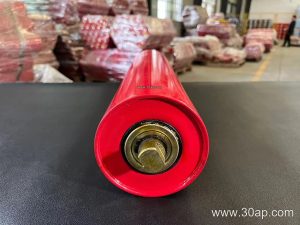
A mining sealed idler is a carrying or return roller built with a protected bearing housing so that dust, grit, and moisture stay away from the rotating parts. In a quarry, a coal preparation plant, or an iron ore transfer station, the conveyor belt runs over dozens or hundreds of these rollers, and each one is a small but critical rotating component. The sealed design is what separates it from a standard open idler: the bearing cavity is enclosed by a labyrinth or contact seal, and grease retention becomes more reliable in dirty conditions.
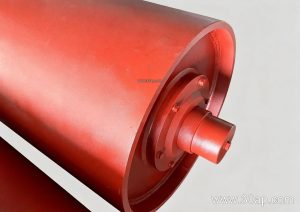
The same product is often called a sealed conveyor idler or sealed idler roller. Those names refer to the same item, and they appear interchangeably in maintenance planning. A sealed idler is not a drive pulley, tail pulley, or bend pulley; those are conveyor pulleys that transmit power or change belt direction. The sealed idler simply supports the belt and lets it roll.
Construction Details That Matter
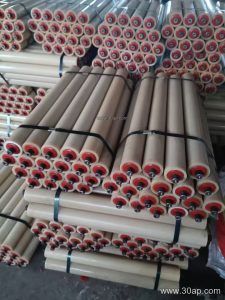
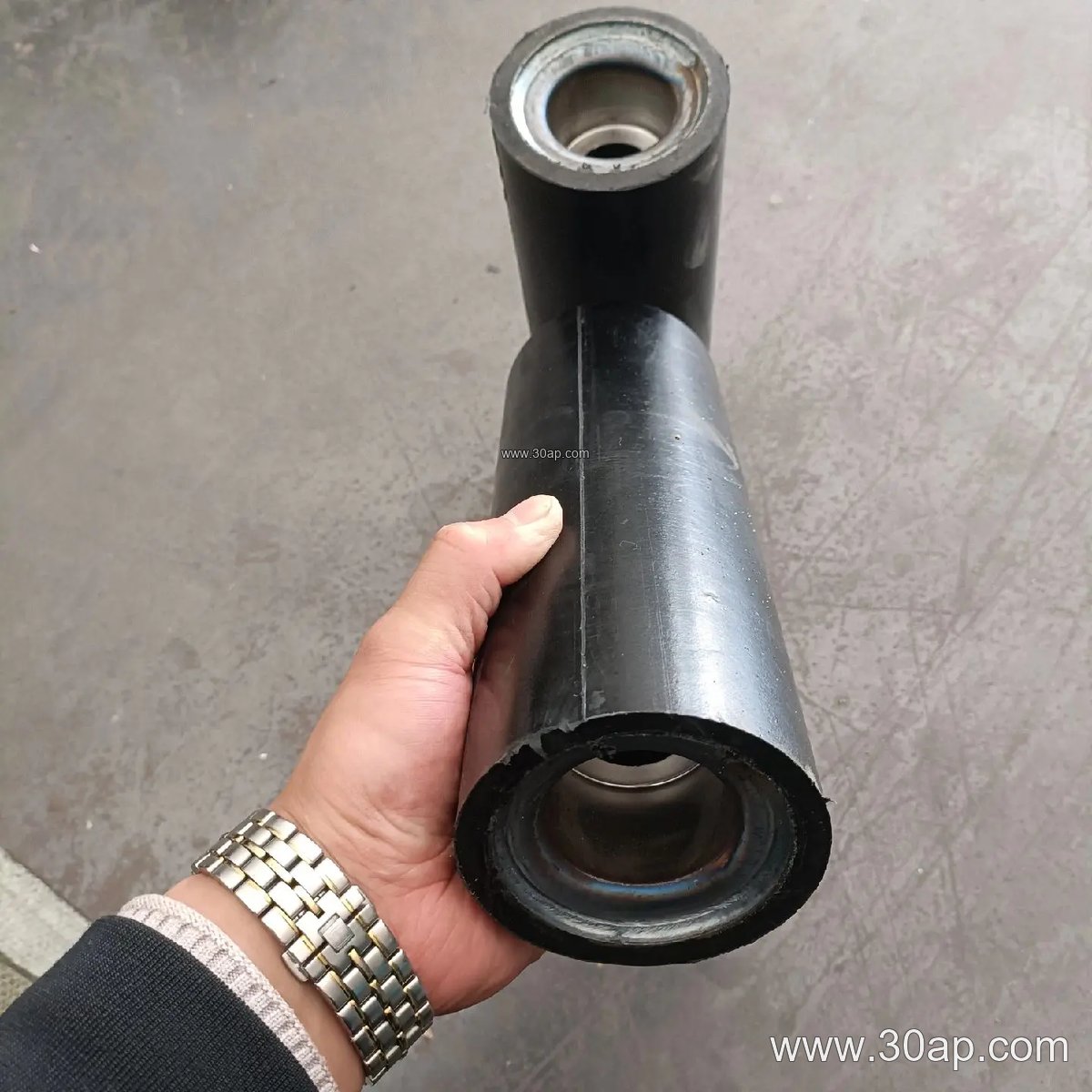
Most sealed rollers combine a steel tube shell, a through shaft, stamped bearing housings, and deep-groove ball bearings. Common bearing numbers include 6204, 6205, 6305, 6306, 6308, and 6310, and the correct bearing is matched to the roller diameter and load rather than to belt width alone. The seal arrangement usually has multiple stages: an outer rotating shield, a labyrinth path, and a lip seal close to the bearing. Some designs add a grease-filled chamber to push contaminants outward.
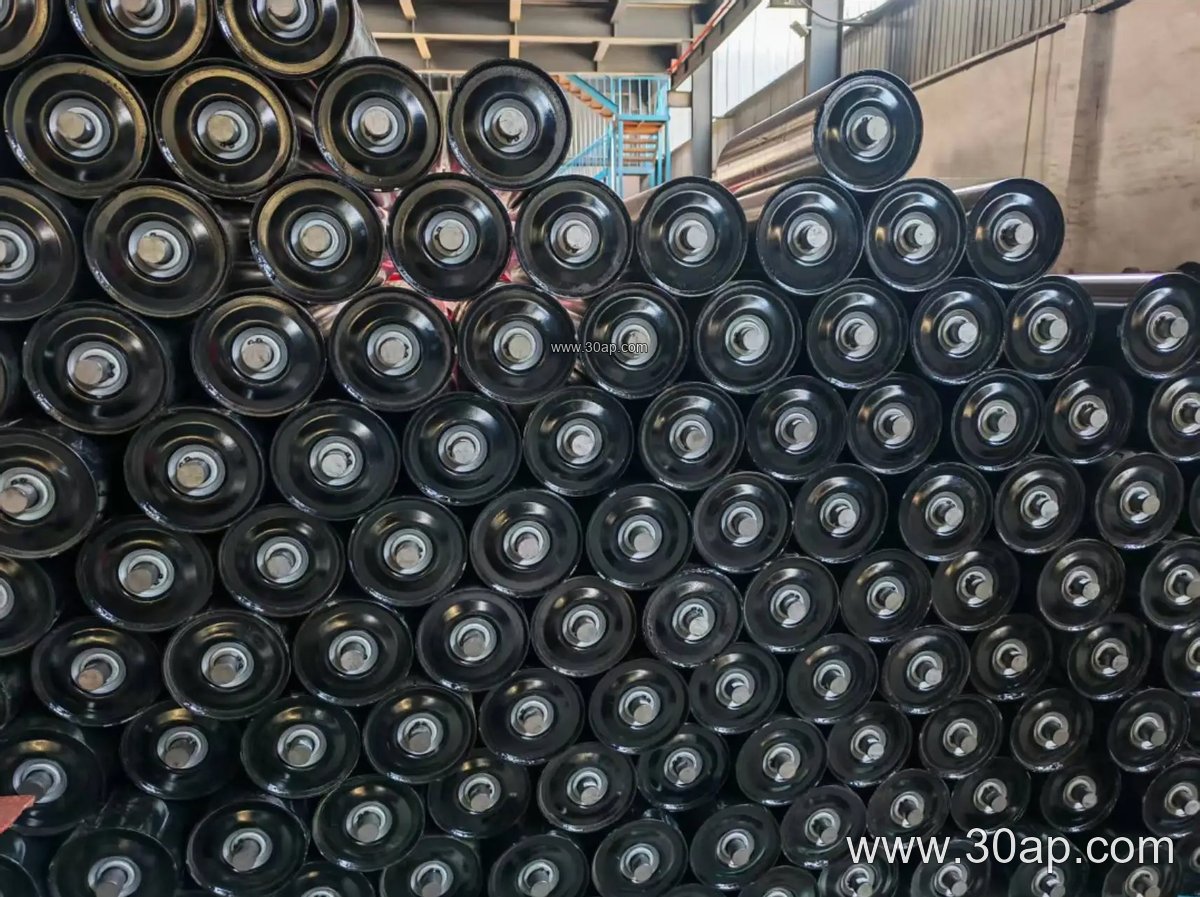
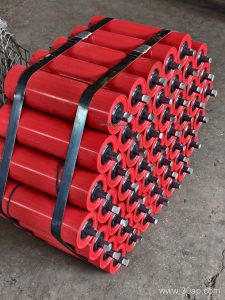
Shell surfaces vary by duty. Plain steel suits general bulk handling, nylon or ceramic covers reduce buildup on sticky material, and rubber rings are used on impact idlers at transfer points. Roller diameters commonly range from Ø63 and Ø76 up to Ø159, Ø178, Ø194, and Ø219 for heavy sections. Larger diameters turn more slowly and tend to last longer under high belt speeds and abrasive loads.
Where Sealed Idlers Fit on the Conveyor
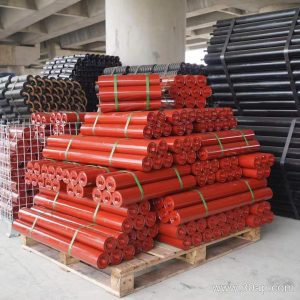
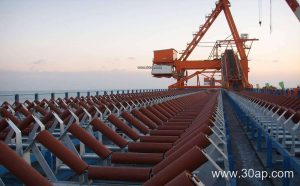
Sealed rollers appear in troughing sets, return sets, and transition zones. A three-roll troughing set with 20, 30, 35, or 45 degree trough angles is the usual carrying arrangement, while flat or V-return rollers support the empty strand. In a copper mine or a limestone quarry, the loading zone is the harshest position, so impact idlers with rubber rings are often sealed as well. Belt widths from B400 through B2400 are common, and roller length changes with width, trough angle, and set type. For example, a three-roll troughing set may use roughly 315 mm rollers at B800 or about 465 mm at B1200, but side rollers and center rollers can differ, and these figures are design guides rather than fixed rules.
Common arrangements
- Troughing idler sets for the carrying side
- Return idlers and V-return idlers for the empty side
- Impact and rubber-ring idlers at loading points
- Transition idlers near pulleys and take-up stations
Matching the Idler to the Conveyor Belt
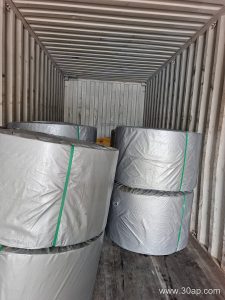
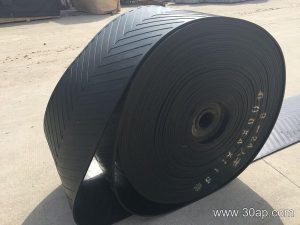
Sealed idlers work with many belt constructions, and the belt choice affects roller load and seal life. A heavy-duty mining conveyor belt with high abrasion resistance may run at high tension, while a flame retardant conveyor belt in an underground coal mining conveyor system demands careful selection of components that resist dust ignition risk. In cement plants and power plant coal handling, an EP conveyor belt or a steel cord conveyor belt carries dense material at speed, and the idler must handle both weight and vibration. Users of chevron conveyor belt or corrugated sidewall conveyor belt should check that the roller surface and frame clearance allow the raised profiles to pass without rubbing.
Belt width and pulley diameter are separate decisions. A 1200 mm wide conveyor belt does not dictate one pulley diameter, and a sealed idler size should be confirmed from the conveyor design, load calculation, and shaft requirements. Buyers should ask for the shaft diameter, bearing number, seal type, shell thickness, and painting or coating specification rather than assuming a standard from belt width.
Buyer Checklist
Before ordering, confirm the roller diameter, shell length, shaft ends, bearing designation, and sealing class. Check whether the application needs a standard sealed idler, an impact version, or a self-aligning set. Review the conveyor bracket and frame dimensions so the new rollers drop in without modification. For abrasive ore or wet coal, specify the seal and lubrication approach clearly. Finally, keep a small spare stock of the most heavily loaded positions, because a failed sealed roller can damage the belt and stop a production line.