What a Q235 Conveyor Bracket Does
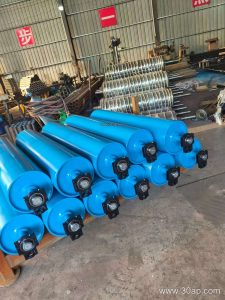
A Q235 conveyor bracket is the steel support that holds idler rollers in the correct position under or above a conveyor belt. It is usually made from Q235 mild steel, a common structural grade chosen for its weldability and reasonable strength. The bracket ties the roller frame to the conveyor stringer or foundation, keeping the belt profile stable as material moves from crusher to stockpile.
In a quarry conveyor line or a cement plant transfer tower, the bracket is easy to overlook, yet it sets the trough angle, roller spacing, and belt line height. A poorly matched bracket leads to belt misalignment, edge wear, and extra load on the drive pulley and tail pulley.
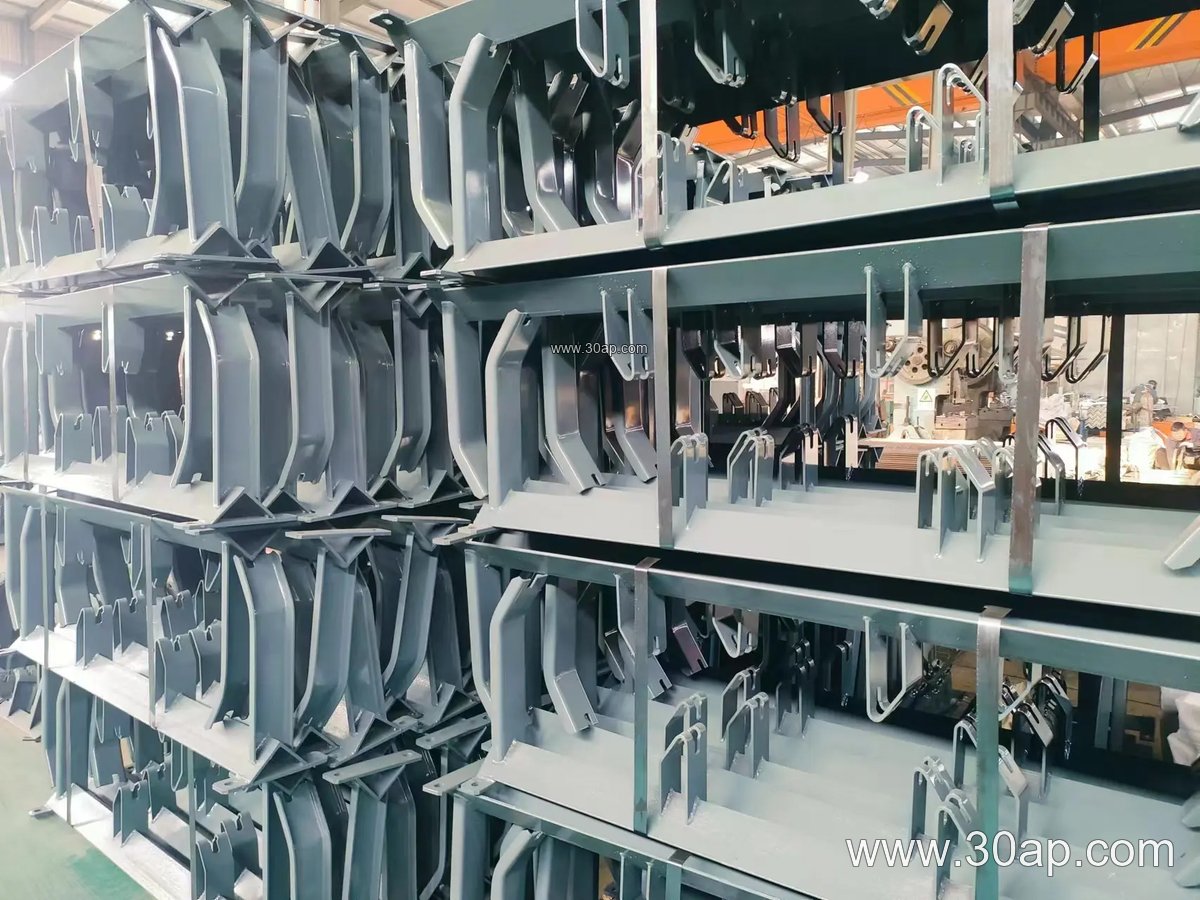
How the Bracket Is Built
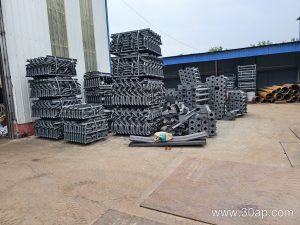
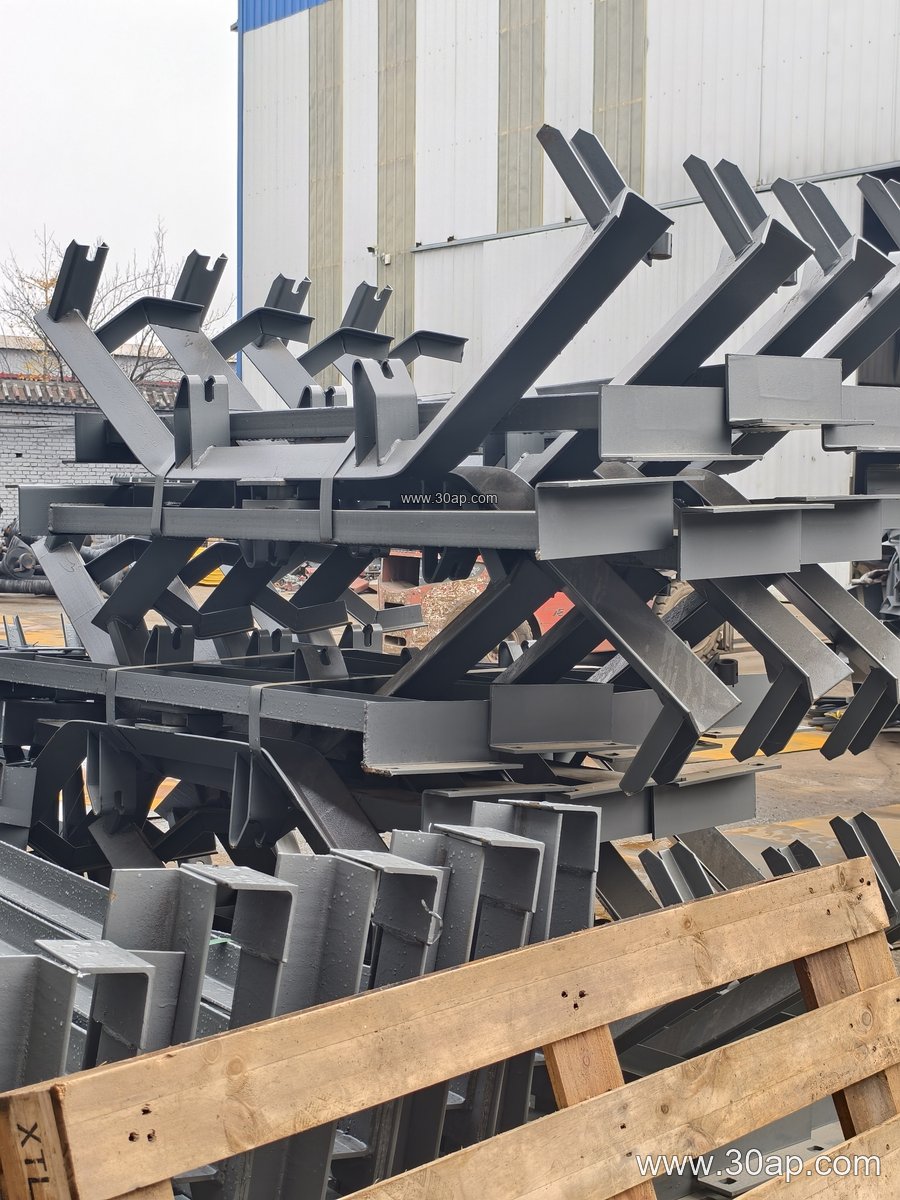
Most Q235 conveyor brackets are formed from angle steel, channel steel, or folded steel plate. The fabrication route is straightforward: cutting, drilling for roller shafts and mounting bolts, bending to the required trough angle, then welding the gussets and end plates. A durable paint or galvanized finish helps in wet or dusty conditions.
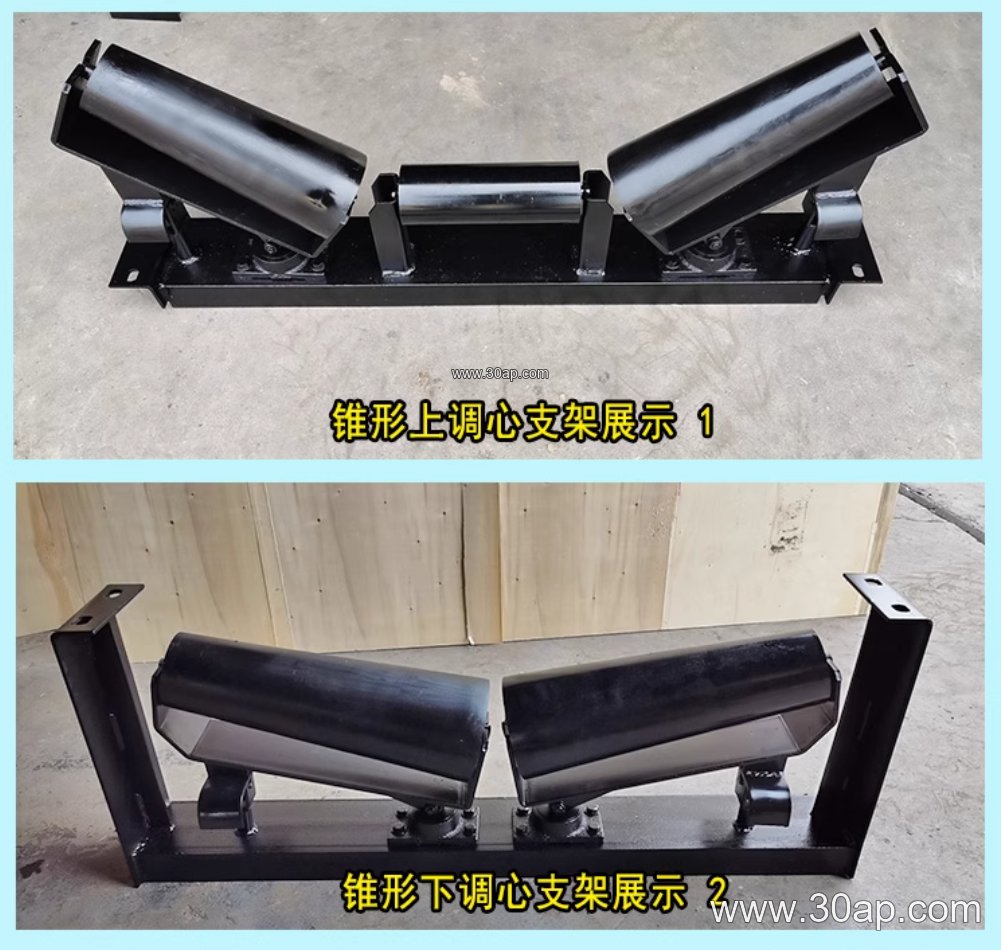
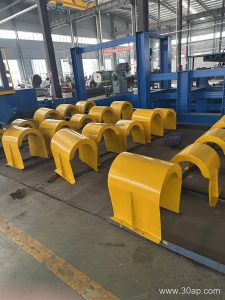
Common forms include trough brackets for carrying idlers, return brackets for the lower run, transition brackets near pulleys, and adjustable brackets that allow the trough angle to be changed on site. Self-aligning and impact brackets use the same base steel but add pivot or cushioning details.
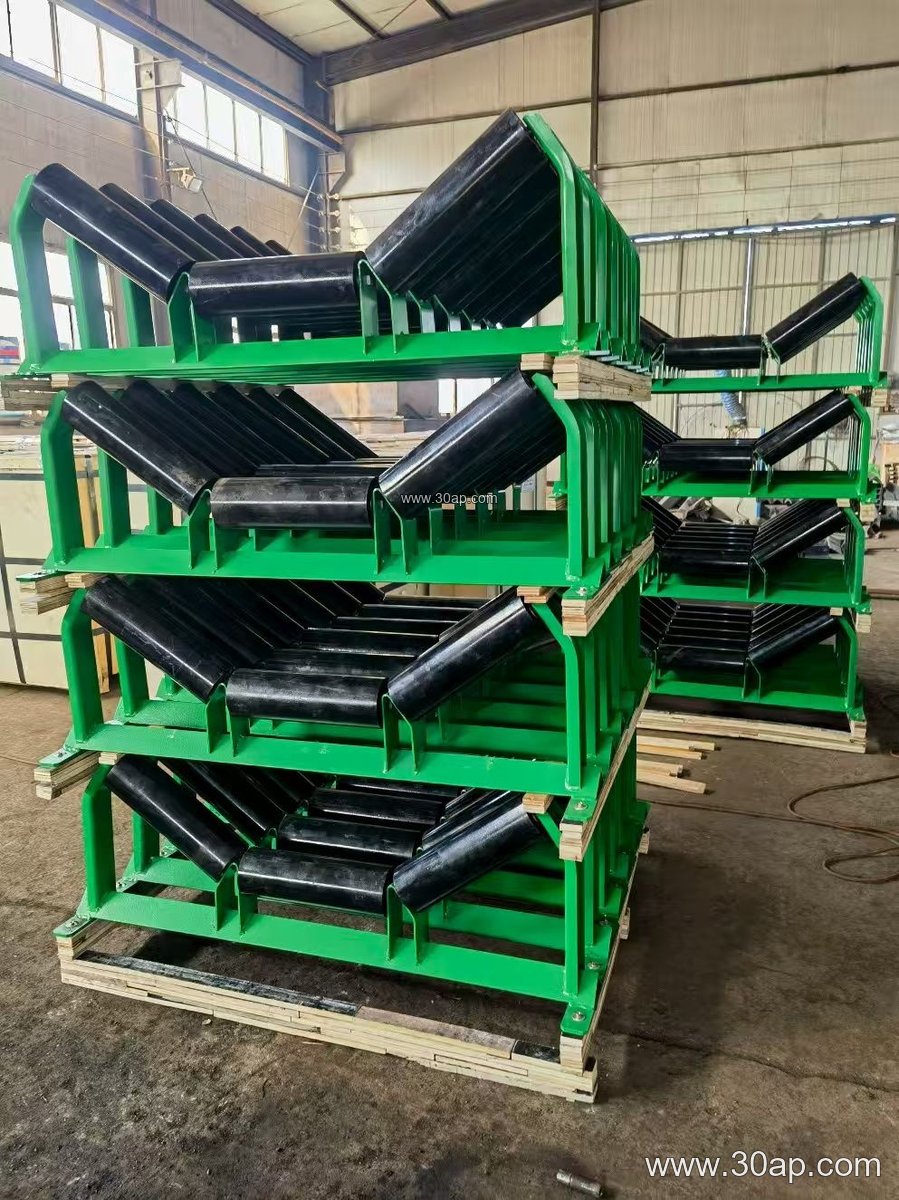
- Trough bracket – supports three-roller sets on the carrying side.
- Return bracket – holds flat or V-return rollers beneath the belt.
- Transition bracket – guides the belt from flat to troughed shape near a conveyor pulley.
- Adjustable bracket – lets maintenance staff fine-tune the trough angle.
Typical Belt and Roller Combinations
Bracket dimensions follow belt width, trough angle, and roller diameter. The values below are common reference points, not fixed rules; final mounting hole spacing and crossbeam length are set by the conveyor design.
| Belt Width | Trough Angle | Roller Diameter |
|---|---|---|
| B500 | 20° / 30° | Ø89 |
| B650 | 30° / 35° | Ø89 / Ø108 |
| B800 | 30° / 35° | Ø108 |
| B1000 | 35° / 45° | Ø108 / Ø133 |
| B1200 | 35° / 45° | Ø133 / Ø159 |
| B1400 | 35° / 45° | Ø159 |
| B1600 | 35° / 45° | Ø159 / Ø194 |
| B1800–B2200 | 35° / 45° | Ø194 |
A wider belt does not automatically require a single roller size, and one belt width can serve several trough angles. Buyers should confirm the roller shaft, frame height, and bolt pattern before ordering.
Where Q235 Conveyor Brackets Are Used
These brackets appear wherever a conveyor belt carries bulk material. In an iron ore or limestone mine, heavy-duty brackets support impact rollers at the loading point. In a coal washing plant, flame retardant conveyor belt runs over trough brackets that must resist dust and moisture. A power plant coal yard uses similar frames along long transfer lines, while a sand and gravel plant relies on them for short, fast conveyors between screens.
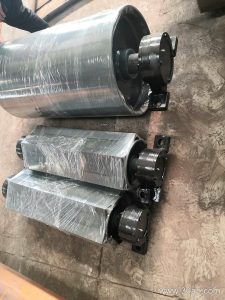
The bracket also works alongside the conveyor pulley, idler roller, and belt cleaner. A matched set keeps the belt centered, reduces spillage, and extends roller life. For high-abrasion duties, an abrasion resistant conveyor belt paired with well-aligned brackets lowers maintenance calls.
Buyer Checklist
- Confirm belt width, trough angle, and roller diameter before quoting.
- State whether the bracket is fixed or adjustable.
- Check steel grade and surface treatment for the site environment.
- Ask for mounting hole dimensions rather than assuming a standard.
- Match bracket load rating to the belt and material weight.
For a reliable result, treat the Q235 conveyor bracket as part of the whole conveyor system, not a stand-alone part. Correct selection keeps the belt, rollers, and pulleys working together in mines, cement plants, ports, and aggregate yards.