What a Rubber Lagged Pulley Does
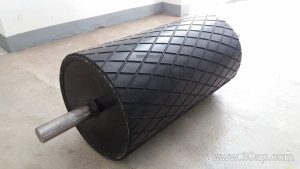
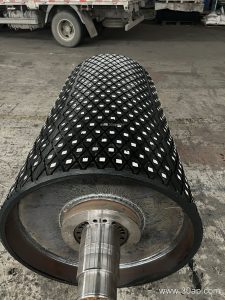
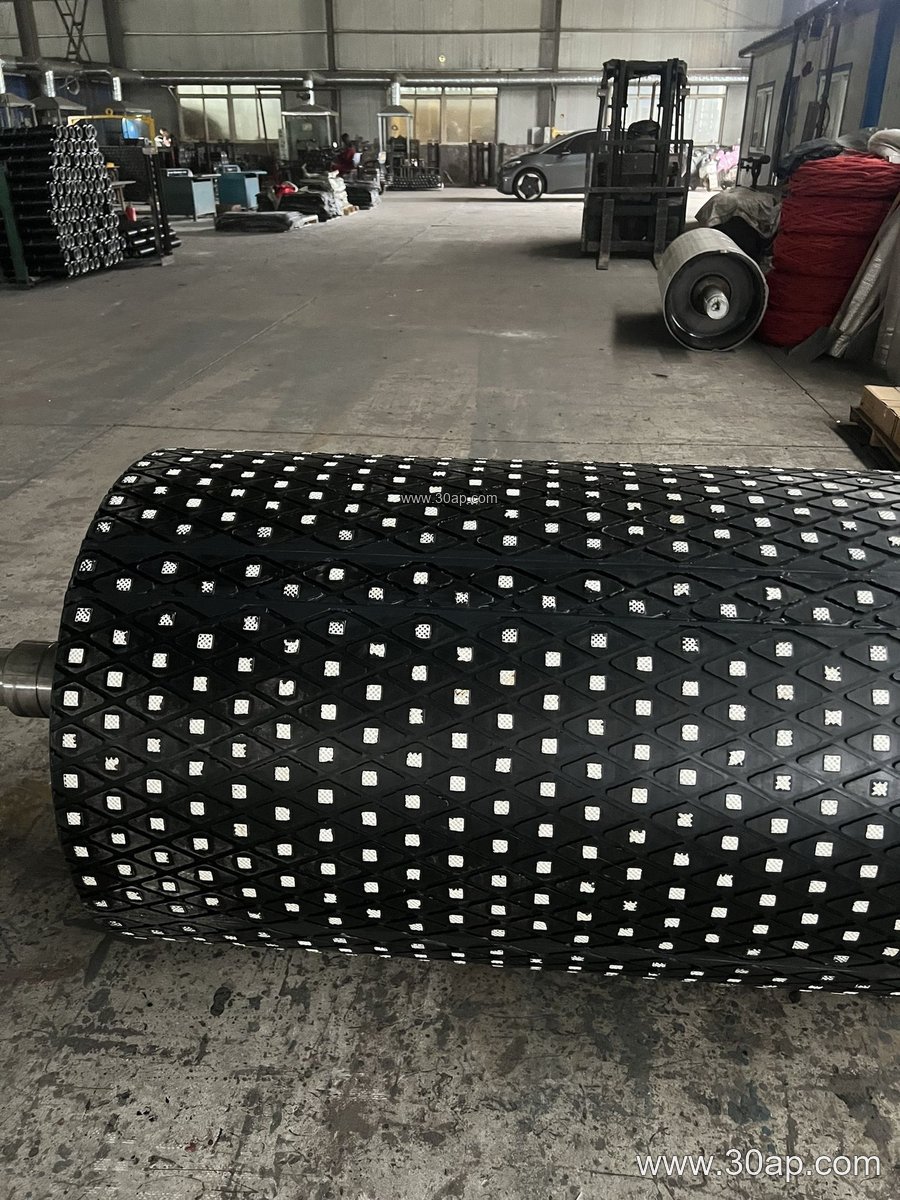
A rubber lagged pulley is a conveyor pulley whose shell is covered with a rubber layer to improve grip between the pulley and the conveyor belt. This cover, often called lagging, raises friction so the drive can transmit torque without slipping, especially when the belt carries heavy loads or works in wet, dusty conditions. You will see it as a drive pulley on a quarry conveyor, a tail pulley on an aggregate line, or a bend pulley in a cement plant, but the purpose stays the same: protect the belt and keep motion steady.
Construction and Surface Options
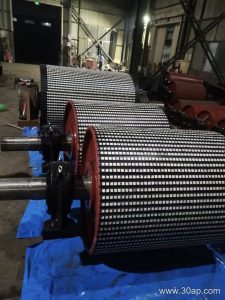
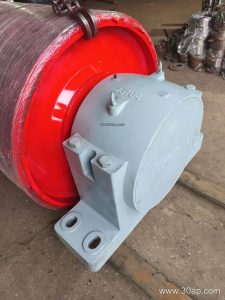
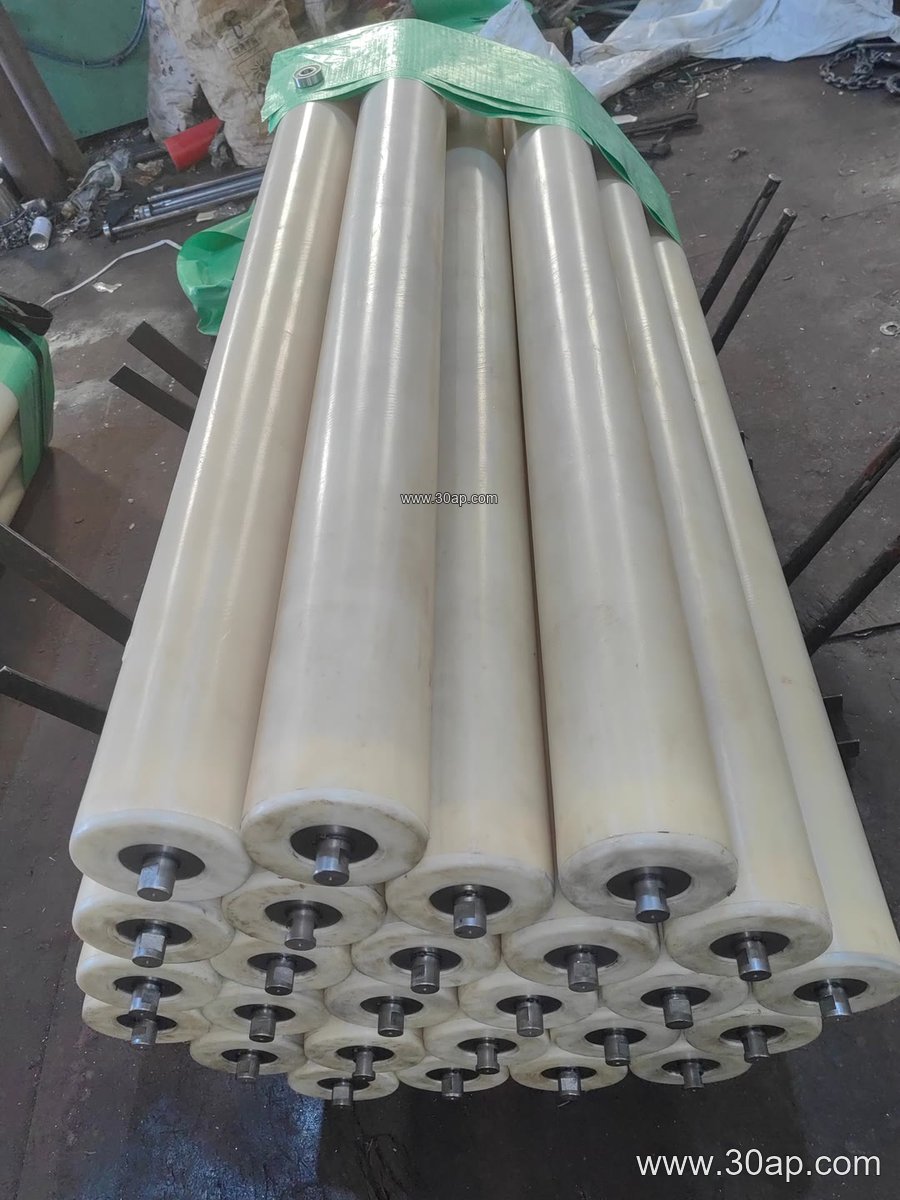
The pulley body is usually a welded steel drum with shaft, hubs, and bearing housings. Lagging is applied in different ways: cold-bonded rubber, hot-vulcanized rubber, or cast rubber. Surface patterns include plain, diamond, and herringbone. Thickness commonly ranges from 8 mm to 20 mm, chosen by duty. A diamond pattern helps shed water and fines, while a plain lagging suits cleaner, drier service. The rubber compound can be selected for abrasion resistance or oil resistance when the site demands it.
Matching Belt Width and Pulley Diameter
Pulley face width is normally a little wider than the belt. For example, a B800 belt often runs on a pulley with about 950 mm face, and a B1200 belt on roughly 1400 mm face. Diameter is not fixed by belt width alone; it follows shaft load, torque, belt tension, and space. Common combinations such as B800 × Ø500 or B1200 × Ø1000 appear in designs, yet the same belt width may use different diameters in different conveyors. Shaft diameter is set by torque and bearing load, so a B1000 pulley might have a Ø100 or Ø120 shaft depending on the drive.
Where It Fits in the Conveyor
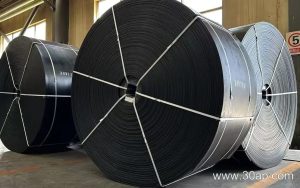
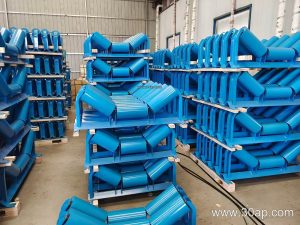
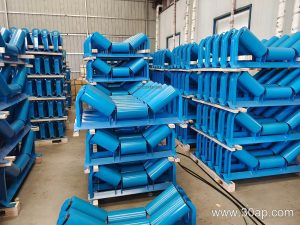
On a drive pulley, lagging raises friction so the motor can pull a loaded belt. On a tail pulley, it helps center the belt and reduce wear. A bend pulley changes belt direction and may also be lagged to limit slip on long runs. In a coal mining conveyor or a power plant coal handling system, a rubber lagged drive pulley often works with a flame retardant conveyor belt and heavy-duty idler rollers. In a sand and gravel plant, it may run with an abrasion resistant conveyor belt and a sturdy conveyor bracket. The lagging also shields the pulley shell from grit and moisture.
Buyer Checklist
- Confirm the pulley role: drive, tail, bend, or tension. Each position has different traction and wear needs.
- State belt width, pulley face width, and required diameter range. Avoid assuming one diameter fits every belt width.
- Choose lagging thickness and pattern for the environment: wet, oily, or abrasive.
- Provide shaft size, torque, and bearing type so the supplier can verify load capacity.
- Check belt compatibility: a rubber lagged pulley should match the conveyor belt compound and splice style.
For a quarry or a cement plant, a lagged pulley is often specified together with an EP conveyor belt or a steel cord conveyor belt, depending on tension and distance. In a port or a coal yard, it may pair with a chevron conveyor belt on an incline. Whatever the layout, the rubber lagged pulley remains the traction point that keeps the belt moving without excess slip.