What Pulley Custom Machining Involves
Pulley custom machining is the process of manufacturing conveyor pulleys to match the specific requirements of a belt conveyor system. Unlike off-the-shelf pulleys, custom-machined units are built to precise dimensions, surface finishes, and load capacities so they integrate smoothly with the surrounding structure. This service is common in industries such as mining, cement, power generation, and quarrying, where conveyor reliability directly affects production uptime.
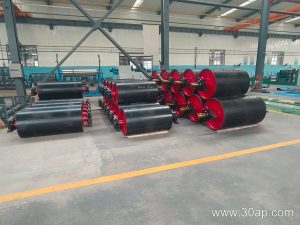
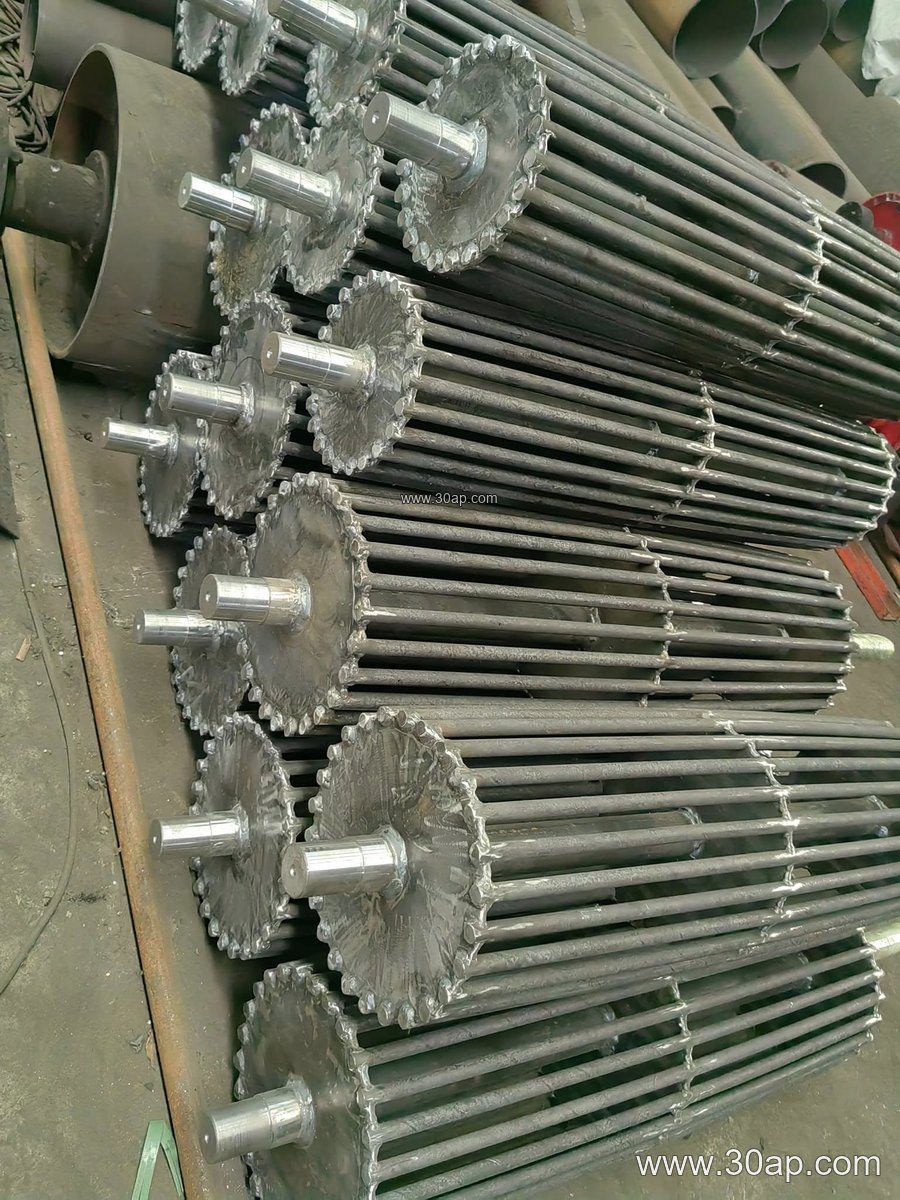
A pulley is not just a rotating cylinder. It includes the shell, shaft, end discs, hubs, and often a lagging surface. Custom machining ensures each of these components meets the design intent. For example, a drive pulley must transmit torque without slip, while a bend pulley simply redirects the belt. The machining tolerances for each role differ, and that is why custom work matters.
How a Custom Pulley Is Built
The process starts with the application data: belt width, belt tension, shaft load, and environmental conditions. The shell is usually machined from seamless steel tube or rolled plate, then welded to end discs. The shaft is turned to the required diameter and keyway dimensions. Common shaft diameters include Ø50, Ø60, Ø70, Ø80, Ø90, Ø100, Ø120, Ø140, Ø160, Ø180, and Ø200, but the final size is determined by torque and bending load, not by belt width alone.
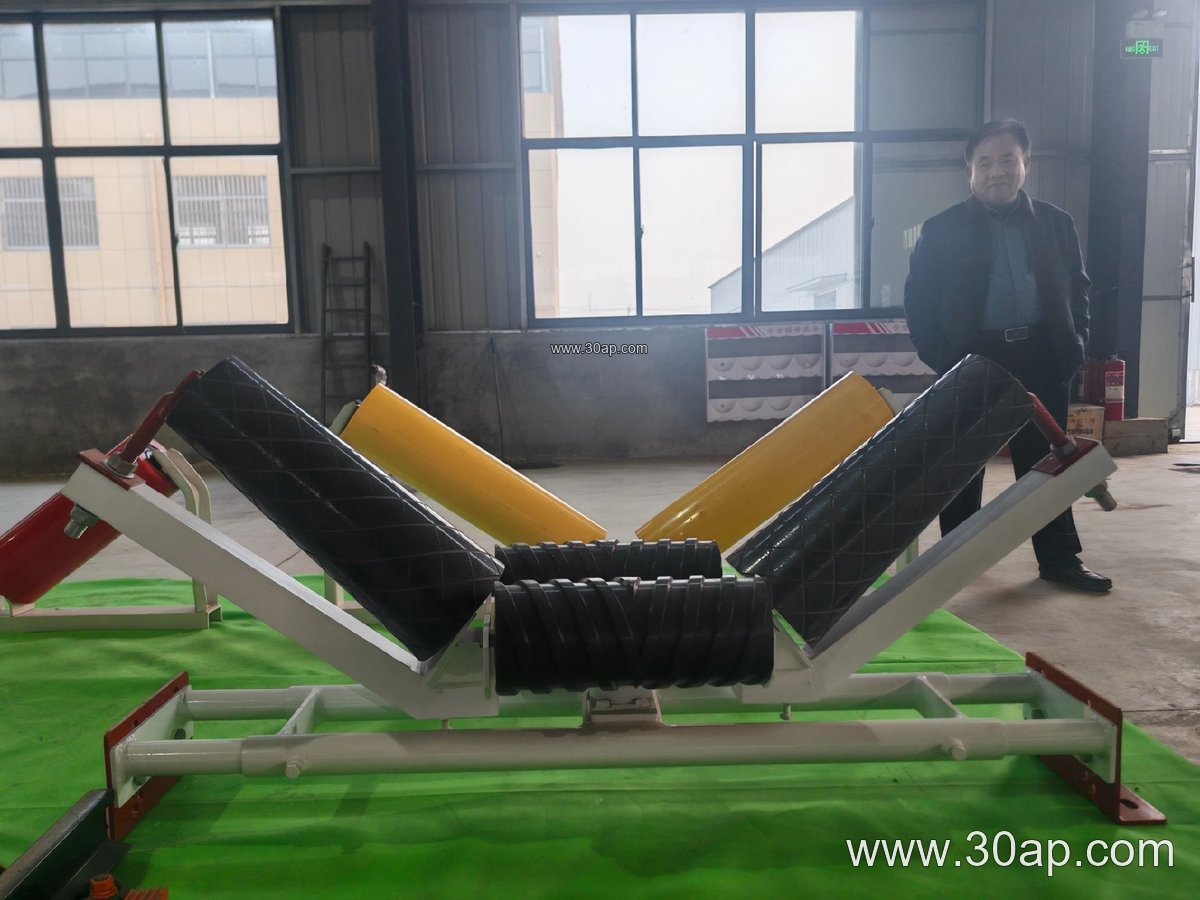
After machining, the pulley may receive a lagging surface. Options include plain finish, hot-vulcanized rubber, cold-bonded rubber, diamond groove, herringbone groove, ceramic lagging, and flat rubber. Lagging thickness commonly ranges from 8 mm to 20 mm. The choice depends on traction needs and material carried. For instance, a drive pulley on a coal mining conveyor belt may use diamond groove rubber to improve grip in wet conditions, while a bend pulley might stay plain to reduce cost.
Balancing is another key step. A poorly balanced pulley causes vibration and premature bearing failure. Custom machining shops typically balance the assembly after lagging is applied, especially for large diameters.
Where Custom Pulleys Are Used
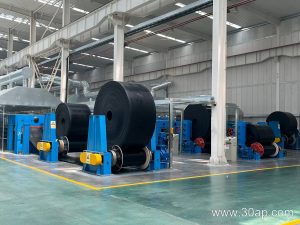
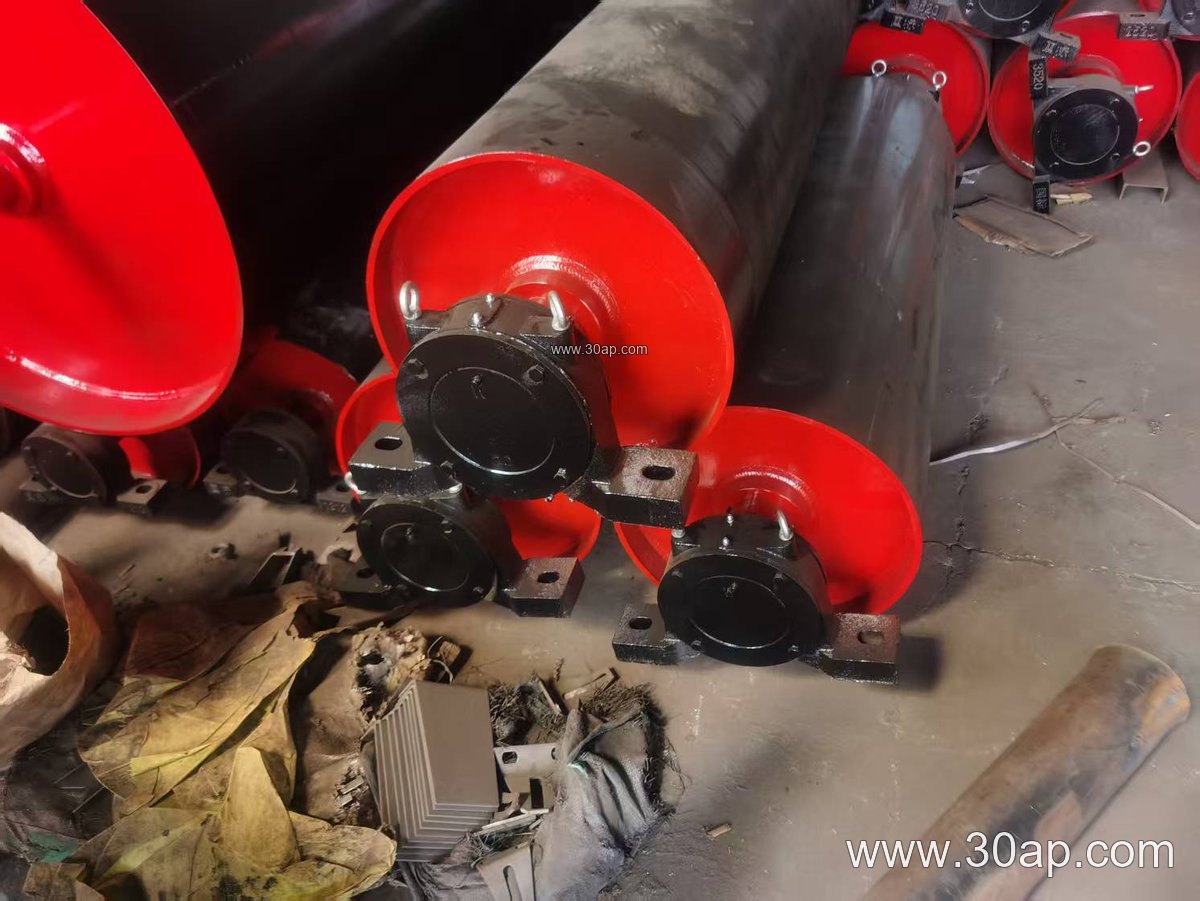
Custom pulleys appear at several points along a conveyor. The head or drive pulley transfers power to the belt. The tail pulley, often a bend pulley, redirects the belt at the loading end. Take-up pulleys maintain tension, and snub pulleys increase wrap angle around the drive. Each position demands different features, and custom machining allows those differences to be built in.
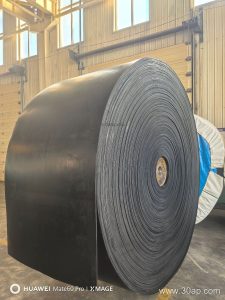
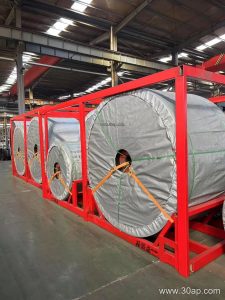
In a limestone quarry, a heavy-duty mining conveyor belt may run over pulleys with diameters from Ø500 to Ø1000 mm, depending on belt width and speed. In a coal washing plant, flame retardant conveyor belt and anti-static properties are important, and pulley lagging must avoid spark generation. In a power plant coal yard, pulleys handle abrasive dust, so abrasion resistant conveyor belt works alongside wear-resistant lagging. The pulley itself must be machined to resist buildup and keep the belt tracking true.
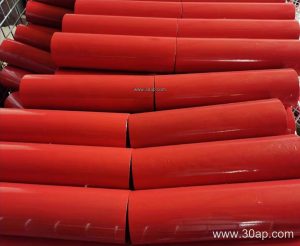
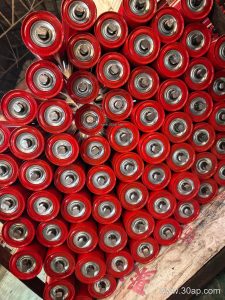
Other industries include cement clinker handling, port bulk terminals, and aggregate crushing lines. In each case, the pulley is matched to the conveyor belt, idler roller set, and conveyor bracket arrangement. A custom pulley that fits the bracket and shaft correctly reduces installation time and misalignment risk.
Key Parameters and Sizing Considerations
Buyers should provide a clear specification. Belt width is a starting point, but it does not dictate a single pulley diameter. For reference, common combinations include B800 × Ø500 and B1200 × Ø1000, yet a B1200 belt could also run on a Ø800 pulley in a low-tension application. The table below shows typical shell widths relative to belt width, but these are reference values, not fixed rules.
| Belt Width (mm) | Typical Shell Width (mm) | Common Pulley Diameter Range (mm) |
|---|---|---|
| B400 | 500 | Ø200–Ø320 |
| B500 | 600 | Ø250–Ø400 |
| B650 | 750 | Ø315–Ø500 |
| B800 | 950 | Ø400–Ø630 |
| B1000 | 1150 | Ø500–Ø800 |
| B1200 | 1400 | Ø630–Ø1000 |
| B1400 | 1600 | Ø800–Ø1250 |
| B1600 | 1800 | Ø1000–Ø1400 |
| B1800 | 2000 | Ø1250–Ø1600 |
| B2000 | 2200 | Ø1400–Ø1800 |
These ranges are indicative only. The final diameter depends on belt speed, tension, and the allowable wrap angle. Shaft diameter is separate and must be calculated from torque and radial load. Do not assume a shaft size from belt width.
What Buyers Should Know
- Provide the belt width, belt type (such as EP conveyor belt, steel cord conveyor belt, or fabric core conveyor belt), and operating tension.
- Specify the pulley position: drive, tail, bend, take-up, or snub. Each has different design priorities.
- State the lagging preference and thickness. Rubber lagging improves grip; ceramic lagging suits high-wear areas.
- Confirm shaft diameter, keyway, and bearing type based on load calculations, not guesswork.
- Check mounting dimensions against the conveyor bracket and idler roller layout to avoid field modifications.
- Ask for balancing reports for large pulleys, especially those over Ø800 mm.
Custom machining also allows features like tapered hubs, welded end discs, and special coatings. For cold climates, a cold resistant conveyor belt may be used, and the pulley should be machined to avoid brittle lagging. For food or chemical applications, stainless steel or special rubber may be needed. The key is to match the pulley to the entire conveyor system, including the conveyor belt, idler roller, and conveyor bracket.
In summary, pulley custom machining is about fit, function, and durability. By specifying the application clearly and understanding how pulley dimensions relate to belt width and load, buyers can avoid downtime and extend component life. Whether the conveyor runs in an iron ore mine, a cement plant, or a port terminal, a properly machined pulley keeps the belt moving smoothly.