What a Side Guide Idler Does
A side guide idler is a small but critical component in a conveyor system. Unlike the main carrying or return idlers that support the belt and material load, this idler is positioned along the edges of the conveyor belt. Its primary job is to keep the belt centered and prevent it from drifting sideways. By guiding the belt, it helps avoid edge damage, material spillage, and misalignment that can lead to costly downtime. In industries such as mining, cement plants, and aggregate operations, a well-placed side guide idler can significantly extend belt life and improve overall efficiency.
Sometimes called a belt guide roller or edge guide idler, this product is often confused with training idlers. While both help with belt alignment, a side guide idler typically works by contacting the belt edge directly, whereas training idlers use a pivoting action to steer the belt. The distinction matters when selecting components for a specific conveyor section.
Construction and Key Components
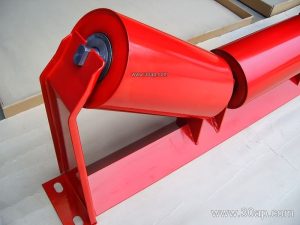
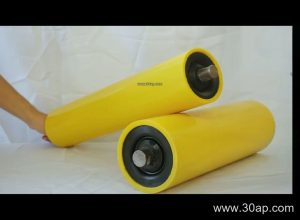
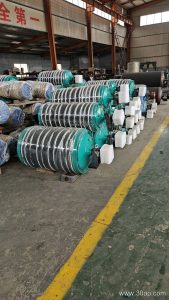
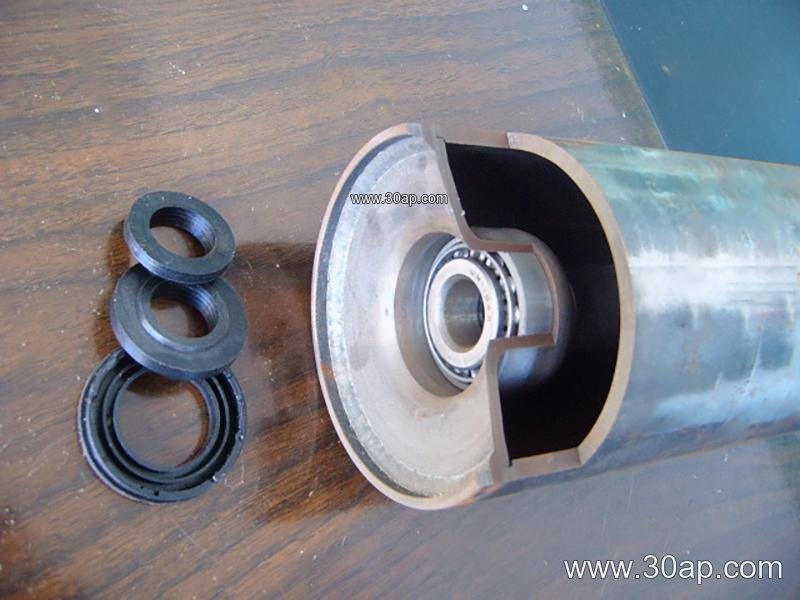
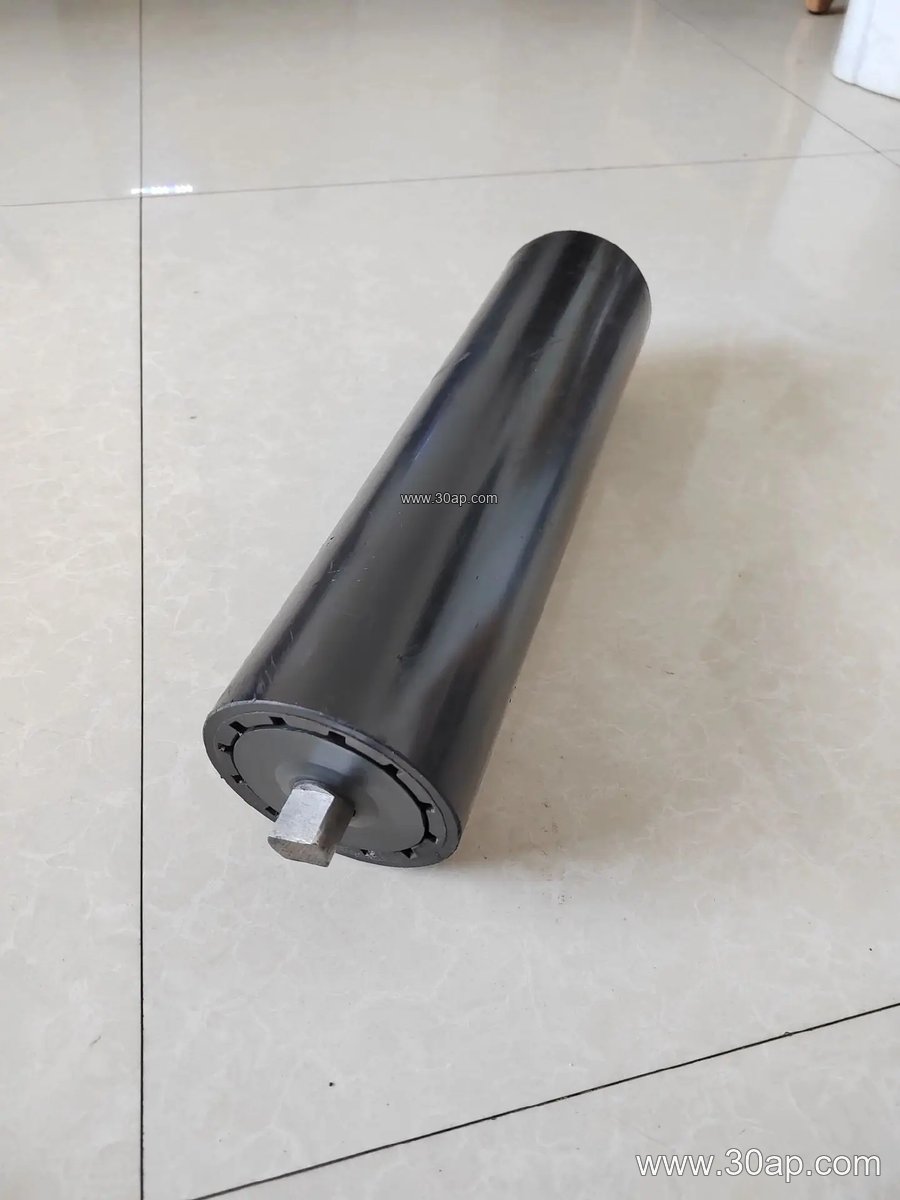
Most side guide idlers share a similar build with standard idler rollers: a steel tube shell, bearing housings, and a shaft. The roller surface may be plain steel, but in abrasive or high-impact areas, rubber or polyurethane covers are used to protect the belt edge. Bearings are typically sealed for life to keep out dust and moisture. Common bearing sizes include 6204, 6205, and 6305, but the choice depends on the load and shaft diameter, not on belt width alone. The roller diameter often falls in the range of Ø63 mm to Ø133 mm for guide applications, though larger sizes may be used on very wide belts. Roller length is usually short, as it only needs to contact the belt edge, and it is matched to the conveyor bracket and frame design.
Where Side Guide Idlers Are Used
These idlers are common in bulk material handling where belt alignment is challenging. In a quarry or sand and gravel line, they help keep the belt centered after a crusher or screen. In coal mining operations, especially underground, side guide idlers reduce the risk of belt edge fraying against the structure. Cement plants use them on long inclined conveyors to prevent drift. Power plant coal handling systems also rely on them to maintain belt tracking through transfer points. They are often mounted on the conveyor bracket just ahead of the tail pulley or after a load zone, where the belt is most likely to wander.
While the side guide idler handles edge guidance, other conveyor pulleys such as drive, tail, and bend pulleys perform entirely different functions and cannot be substituted. A drive pulley transmits power, a tail pulley provides belt tension, and a bend pulley changes belt direction. Each has its own design and must be selected accordingly.
Selection and Sizing Notes
Choosing the right side guide idler involves matching it to the conveyor belt width, the available mounting space, and the operating environment. Common belt widths range from B400 to B2400, but there is no fixed rule that one belt width requires a specific idler diameter. The roller diameter and shaft size should be determined by the load and the bracket design. For example, a B800 belt might use a Ø89 mm roller in a light-duty application, while a B1200 belt in a heavy-duty mining conveyor could use a Ø133 mm roller with a larger shaft. The table below gives typical reference values; actual selection should be confirmed with the conveyor designer.
| Belt Width (mm) | Typical Roller Diameter (mm) | Common Bearing Size | Mounting Position |
|---|---|---|---|
| B500 | Ø63–Ø89 | 6204 | Edge, before tail pulley |
| B650 | Ø76–Ø102 | 6205 | Edge, after load zone |
| B800 | Ø89–Ø108 | 6205, 6305 | Edge, transition area |
| B1000 | Ø102–Ø133 | 6305, 6306 | Edge, before bend pulley |
| B1200 | Ø108–Ø133 | 6306, 6308 | Edge, high-tension zone |
| B1400 | Ø127–Ø159 | 6308 | Edge, inclined section |
| B1600 | Ø133–Ø159 | 6308, 6310 | Edge, transfer point |
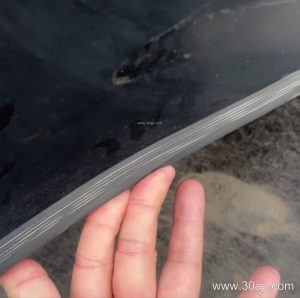
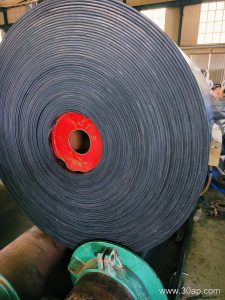
Always consider the conveyor belt type. A heavy-duty mining conveyor belt or steel cord conveyor belt may require a more robust guide idler than a lightweight EP conveyor belt. In abrasive conditions, such as handling iron ore or copper ore, a rubber-covered side guide idler can reduce wear on both the roller and the belt edge. For underground coal mining, flame retardant and anti-static properties may be required for all components, including idlers.
Maintenance and Buyer Tips
Side guide idlers are low-maintenance but should be inspected regularly for bearing play, roller wear, and free rotation. A seized idler can quickly damage the belt edge. When ordering, specify the belt width, the required roller diameter, the shaft diameter, and the mounting bracket dimensions. Also state the environmental conditions: dust, moisture, temperature, and any fire or oil resistance needs. Avoid choosing a guide idler solely by belt width; the conveyor speed, material load, and belt tension all influence the correct size. For assistance with side guide idlers and related components such as conveyor brackets, visit our site at www.example.com/side-guide-idler or www.example.com/conveyor-idler.