What a Return Idler Bracket Does
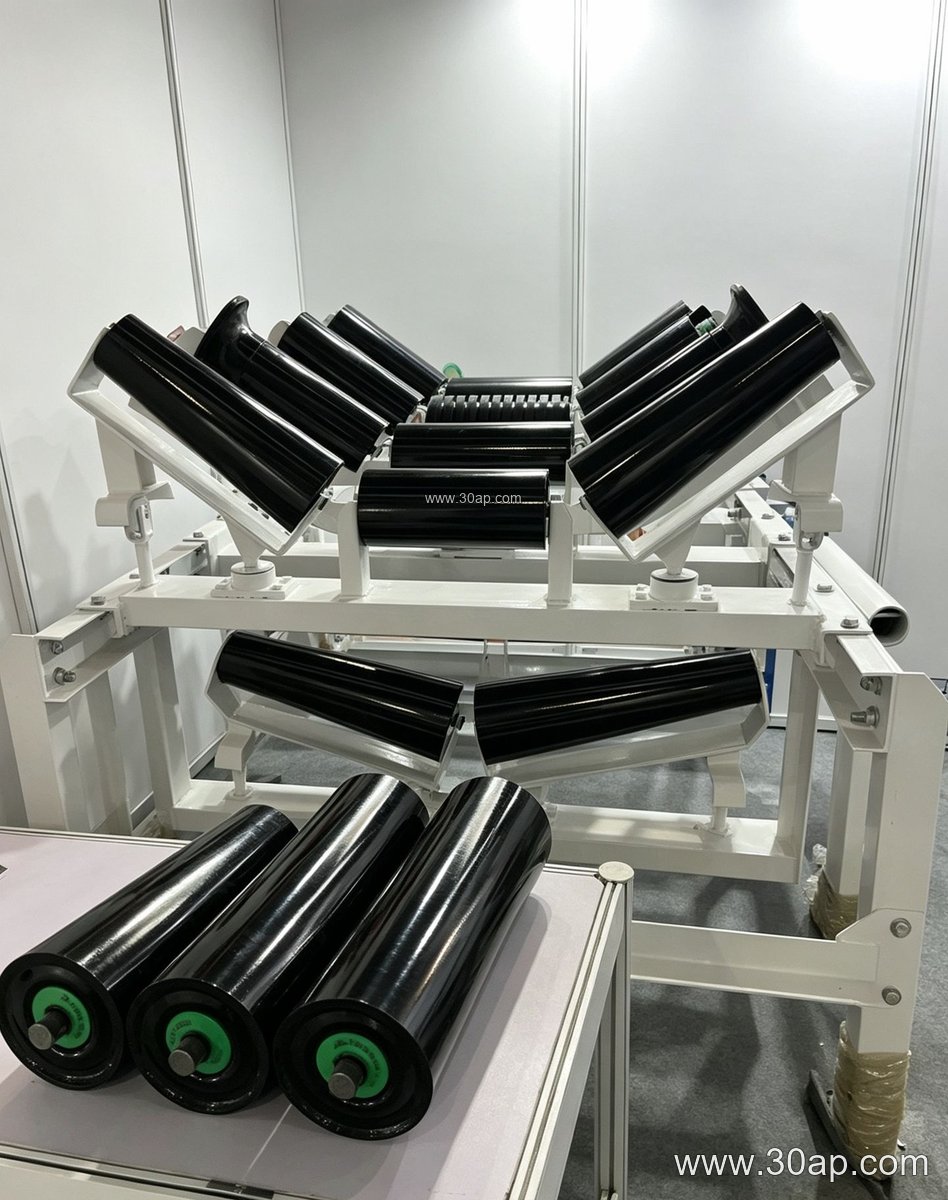
A return idler bracket is the mounting component that holds the return-side idlers beneath a conveyor belt. While the carrying side gets most of the attention, the return strand needs steady support too, and that support comes from brackets fixed to the conveyor frame. On a typical conveyor, these brackets sit under the belt on the lower run, keeping the idler roller in position so the belt does not sag, rub against the structure, or track poorly.
In a quarry or a cement plant, a loose or misaligned return bracket is often the reason a belt starts wandering. The part looks simple, but it carries the belt weight, absorbs vibration, and must stay square to the frame over years of service.
How the Bracket Is Built
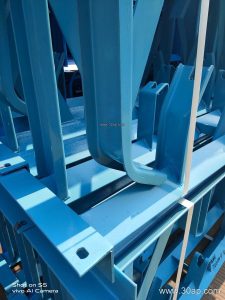
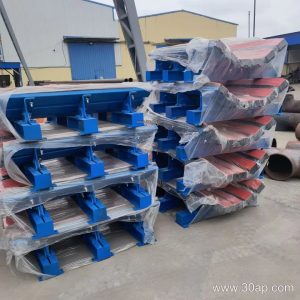
Most return brackets are fabricated from angle steel, channel steel, or folded steel plate. The design depends on whether the bracket is fixed or adjustable, and on how the return idler is arranged.
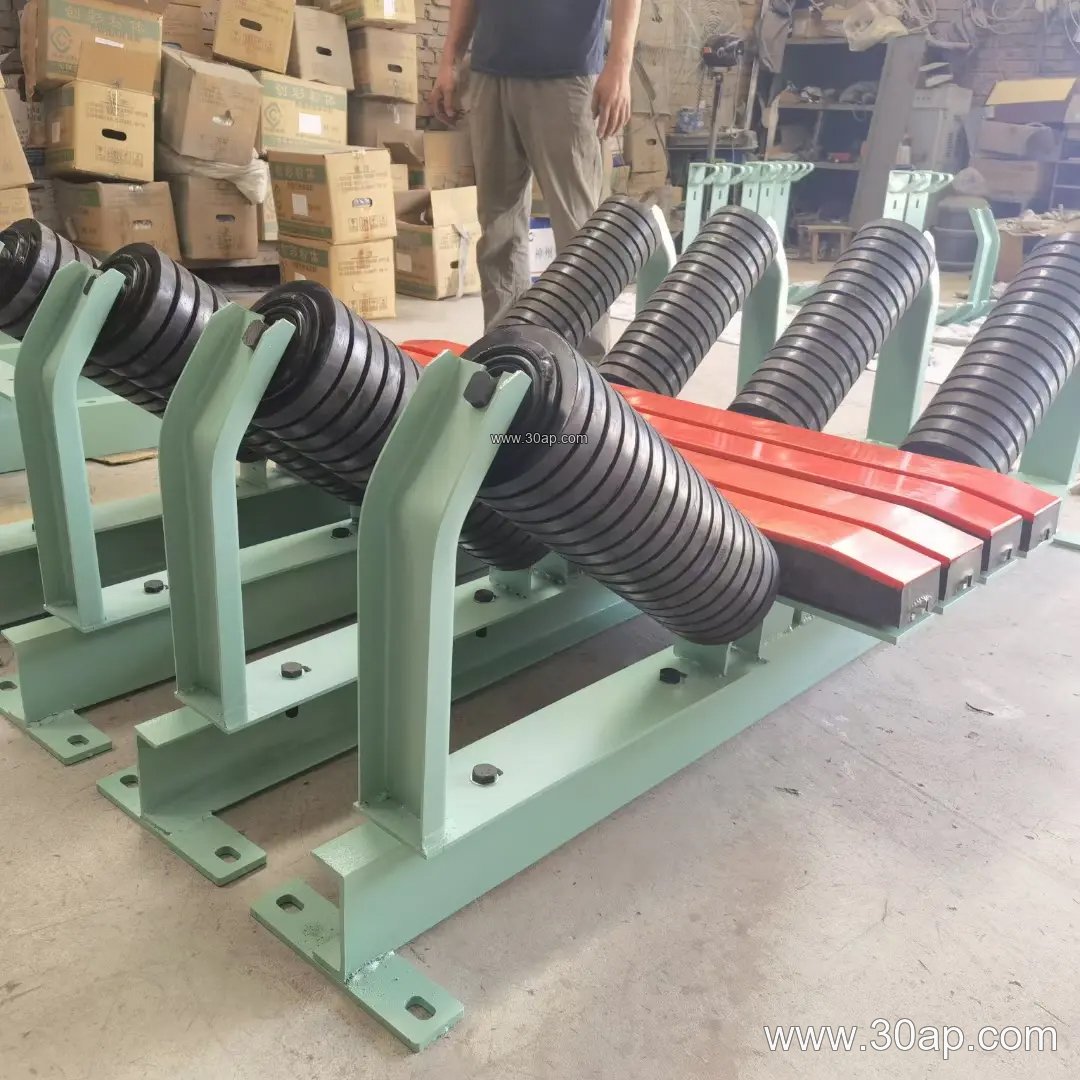
- Fixed return bracket – a rigid mount that holds a single flat return idler at a set height.
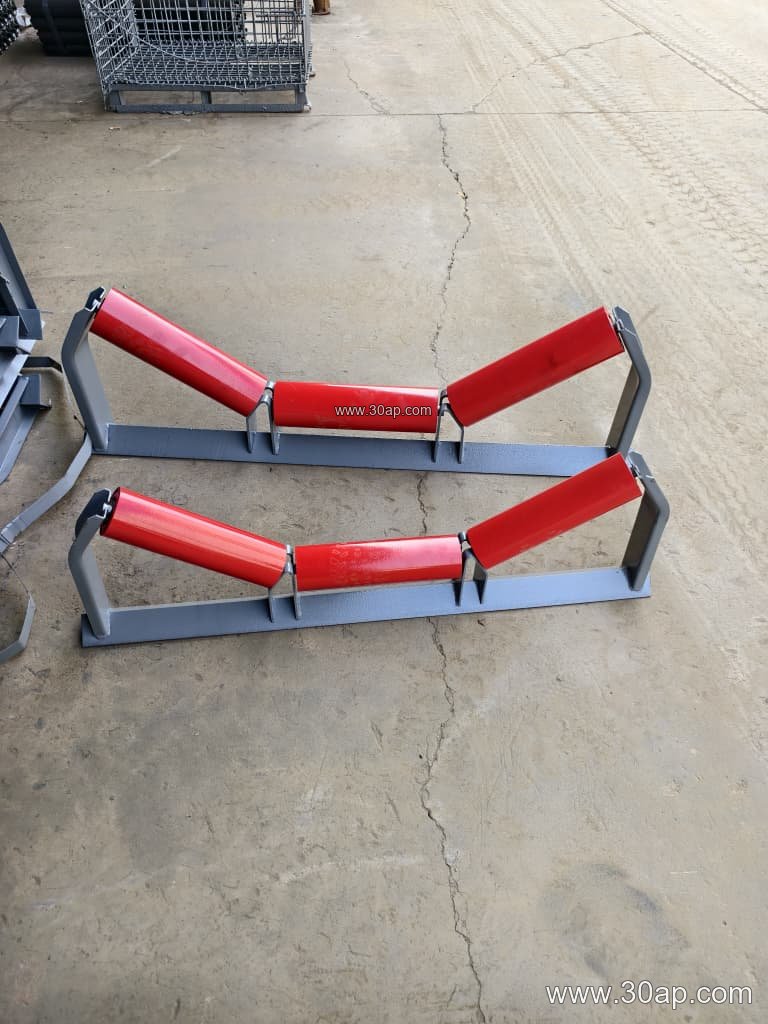
- V-type return bracket – positions two idlers in a V shape to help center the belt on the return run.
- Adjustable bracket – allows the mounting height or angle to be tuned during installation and alignment.
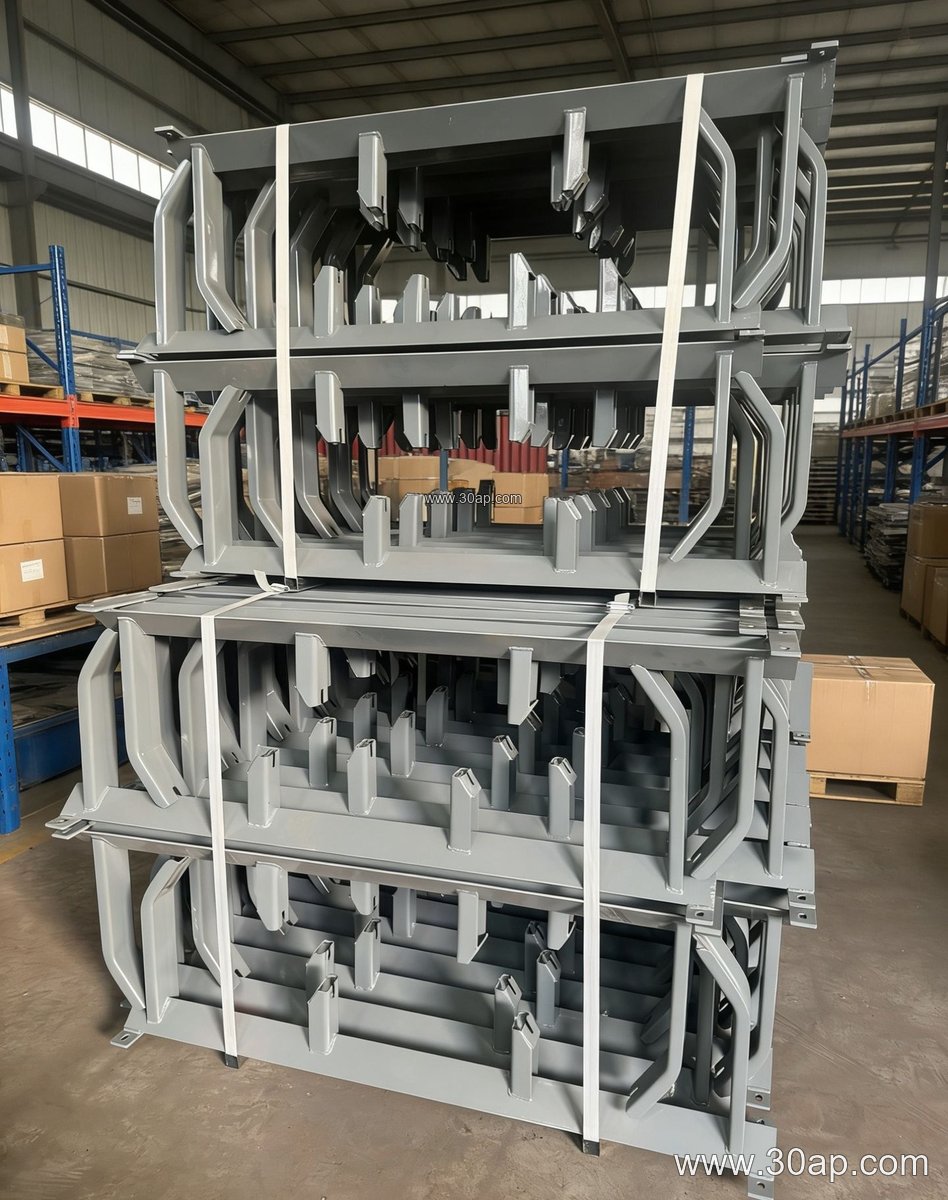
Fabrication quality matters as much as the steel grade. Weld seams should be clean, mounting slots should line up with the frame holes, and the bracket should sit flat without shims. A twisted bracket will tilt the idler and cause uneven belt wear.
Matching Brackets to Belt Width and Idler Diameter
Brackets are selected together with the belt width and the return idler diameter. Common belt widths in bulk handling run from B500 up to B2200, and return idler diameters are usually Ø89, Ø108, Ø133, Ø159, or Ø194. A B800 conveyor might use a Ø108 return idler, while a B1200 line in a power plant coal yard could use Ø133. These are typical pairings, not fixed rules — the final combination is set by the conveyor design, load, and belt speed.
Installation hole spacing and crossbeam length vary with belt width and bracket type, so buyers should confirm the frame dimensions rather than assume a standard fit.
| Reference Item | Common Range | Notes |
|---|---|---|
| Belt width | B500 – B2200 | Bracket length follows frame width |
| Return idler diameter | Ø89 – Ø194 | Selected with belt load and speed |
| Material | Angle steel, channel steel, folded plate | Finish depends on environment |
| Type | Fixed, V-type, adjustable | V-type aids belt centering |
Where Return Brackets Are Used
These brackets appear wherever a conveyor belt runs a return strand. In a coal mining operation, they support the belt under the loading zone and along the drift. In a limestone quarry or aggregate line, they keep the return side clear of spillage and dust buildup. The same part is found on crusher discharge belts, in cement plant clinker transport, and on port ship-loading conveyors.
The working environment should guide the finish. Wet washing plants and coastal ports call for galvanized or well-painted brackets, while dusty coal handling may need designs that shed material rather than trap it.
Buying Checks Before Ordering
Purchasers should confirm belt width, return idler diameter, bracket type, and frame hole pattern. Ask whether the bracket is fixed or adjustable, and whether it is meant for a single idler or a V-return arrangement. Check that the steel thickness suits the belt load, and that the mounting slots allow enough adjustment for alignment.
It also helps to review the whole conveyor support set at once. A return idler bracket that fits well with the frame, the idler roller, and the belt path saves installation time and reduces tracking problems later.