What a Sand and Gravel Plant Conveyor Pulley Does
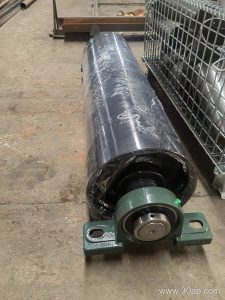
In a sand and gravel plant, conveyor pulleys are the rotating drums that drive, tension, and redirect the conveyor belt. The drive pulley, also called the head pulley, transmits power from the motor to the belt. The tail pulley at the loading end tensions the belt, while bend pulleys change its direction. These are distinct roles: a drive pulley is not a tail pulley, and a bend pulley cannot substitute for either. The conveyor pulley works with the conveyor belt, idler rollers, and conveyor brackets to keep material moving from crusher to screen to stockpile.
Construction and Surface Options
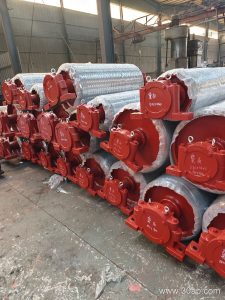
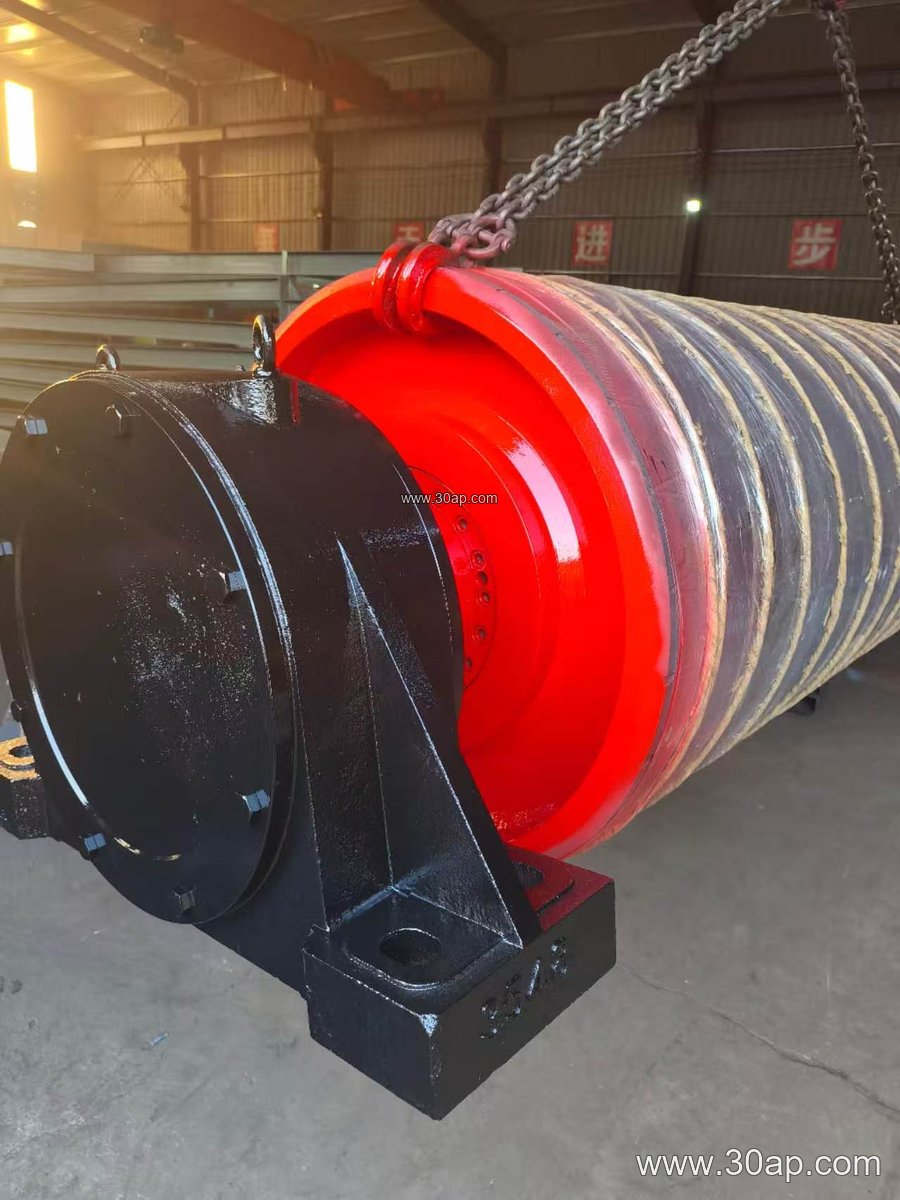
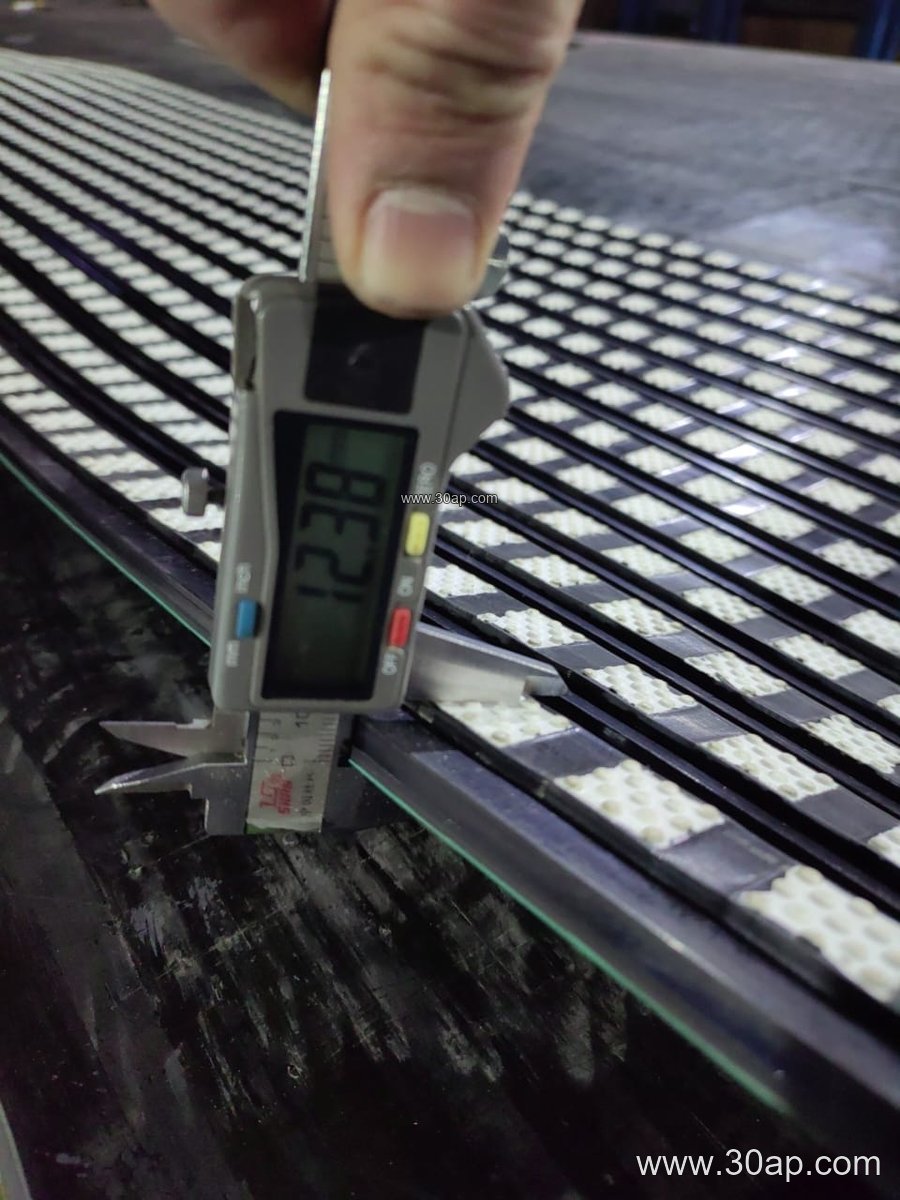
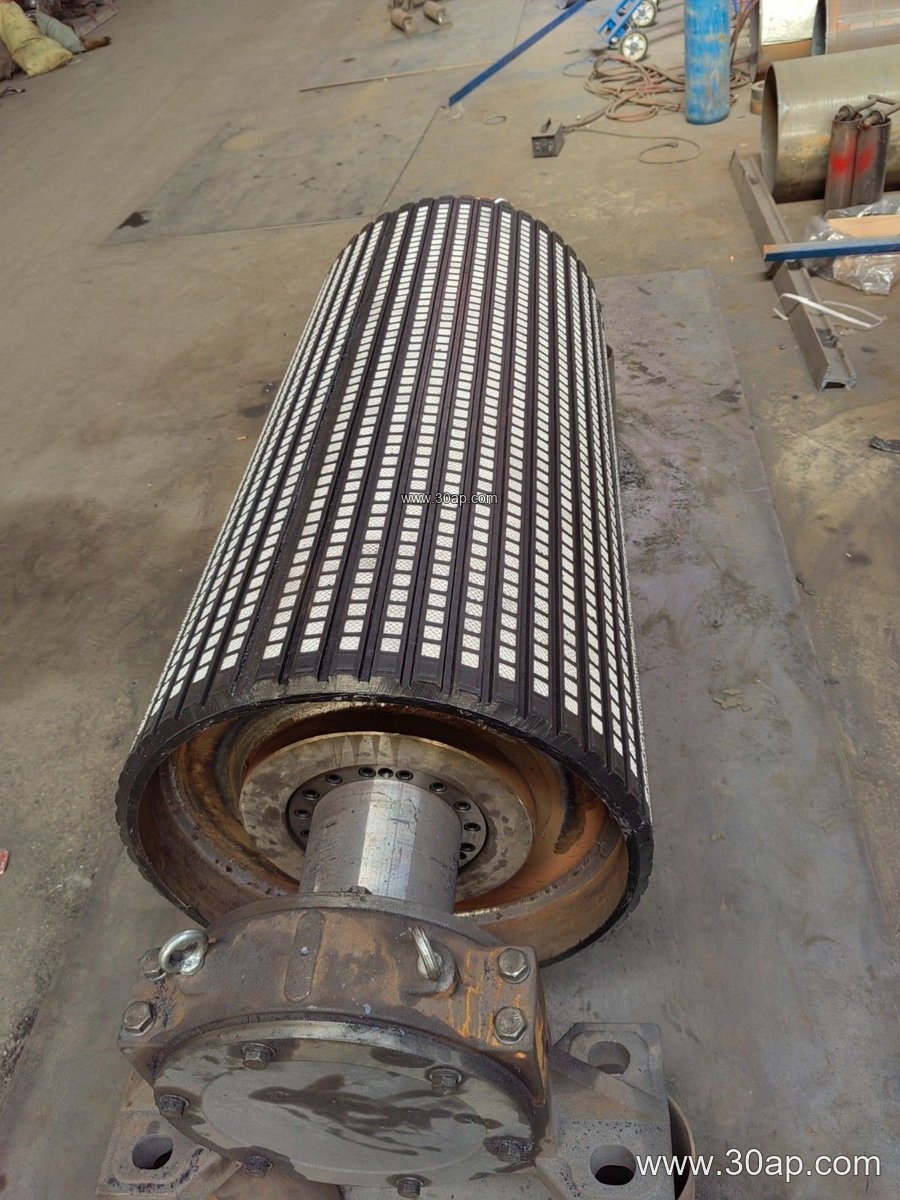
A typical sand and gravel plant conveyor pulley has a steel shell, shaft, hubs, and end discs. The shell may be plain or covered with rubber, ceramic, or other lagging to improve grip and wear resistance. Common surface forms include smooth, cast rubber, cold-bonded rubber, hot-vulcanized rubber, diamond lagging, herringbone lagging, and ceramic lagging. Lagging thickness often ranges from 8 mm to 20 mm depending on duty. The pulley face width is usually slightly wider than the belt; for example, a B800 belt might use a pulley face around 950 mm, and a B1200 belt around 1400 mm. Diameters commonly range from Ø200 to Ø1800, but the right combination depends on belt speed, tension, and load. Shaft diameter is sized by torque and load, not by belt width alone.
Where It Fits in the Plant
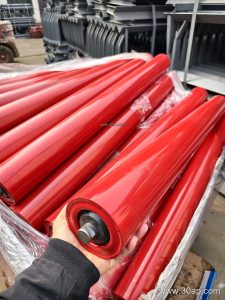
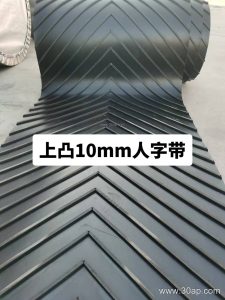
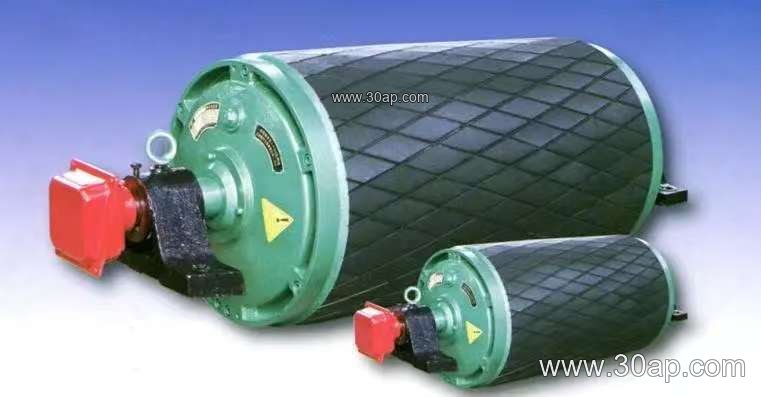
Sand and gravel plants rely on pulleys at every transfer point. The drive pulley at the head of a primary conveyor often uses diamond or herringbone lagging to maintain grip on a heavy-duty mining conveyor belt carrying coarse aggregate. Tail pulleys may be plain or lagged to shed water and fines. Bend pulleys in the return run guide the belt through take-up systems. In a quarry conveyor belt line, a jammed or worn pulley can stop the entire circuit, so matching the pulley to the conveyor belt and idler roller set is essential. For abrasive sand and gravel, an abrasion resistant conveyor belt paired with a properly lagged pulley reduces slip and extends service life.
Key Parameters and Typical Ranges
Buyers should consider belt width, pulley diameter, face width, shaft diameter, lagging type, and bearing size. The table below shows common reference ranges; these are not fixed pairings and should be confirmed by design.
| Parameter | Common Range | Notes |
|---|---|---|
| Belt width (B) | B400 to B2400 | Face width usually exceeds belt width |
| Pulley diameter | Ø200 to Ø1800 | Depends on belt speed and tension |
| Face width | B400 ≈ 500 mm; B800 ≈ 950 mm; B1200 ≈ 1400 mm; B1600 ≈ 1800 mm | Reference only |
| Shaft diameter | Ø50 to Ø200 | Sized by torque and load |
| Lagging thickness | 8, 10, 12, 15, 20 mm | Select by abrasion and grip needs |
For example, a B800 × Ø500 drive pulley might be used on a medium-duty aggregate conveyor, while a B1200 × Ø1000 drive pulley could suit a higher-capacity line. These are illustrative combinations, not universal rules.
Buyer Checklist
- Confirm the pulley role: drive, tail, bend, take-up, or snub. Do not interchange them.
- Match lagging to material: diamond or herringbone for grip, ceramic for high abrasion, plain for cleaning.
- Check belt width and face width compatibility, but verify diameter by engineering calculation.
- Specify shaft diameter from torque and load, not from belt width alone.
- Consider the conveyor belt type: an EP conveyor belt or steel cord conveyor belt may require different pulley traction and lagging.
- Plan maintenance: check lagging wear, bearing condition, and alignment regularly.
In sand and gravel operations, a well-matched conveyor pulley keeps the belt tracking true and reduces downtime. Whether the plant handles quarry rock, crusher output, or washed aggregate, selecting the right pulley for each position is a practical way to protect the conveyor belt and idler roller investment. For more information on conveyor components, visit beltconveyorsystem.com/conveyor-pulley.