What an Idler Seal Does
An idler seal is the protective component that keeps dust, water, and fine particles out of the bearing cavity in a conveyor idler roller. In a quarry, cement plant, or coal handling line, the seal is often the difference between a roller that turns smoothly for years and one that seizes within months. The seal works together with the bearing housing and the shaft to create a barrier that retains grease and blocks contaminants.
Because idler rollers are used in great numbers along a conveyor belt, even a small seal failure can lead to reduced belt life, increased friction, and unplanned downtime. The seal is therefore a small but critical part of the overall conveyor system.
Construction and Sealing Methods
Most idler seals combine a rubber or synthetic lip with a metal case or a polymer housing. Common designs include labyrinth seals, which use a tortuous path to trap particles, and contact seals, which rely on a flexible lip pressing against a rotating surface. Some rollers use a combination of both for extra protection in wet or dusty conditions.
The seal is usually press-fitted into the end cap of the idler roller and surrounds the shaft. Grease inside the bearing creates a slight positive pressure that helps repel contaminants. The choice of seal material depends on the environment: nitrile rubber for general service, and sometimes special compounds for high-temperature or chemically aggressive sites.
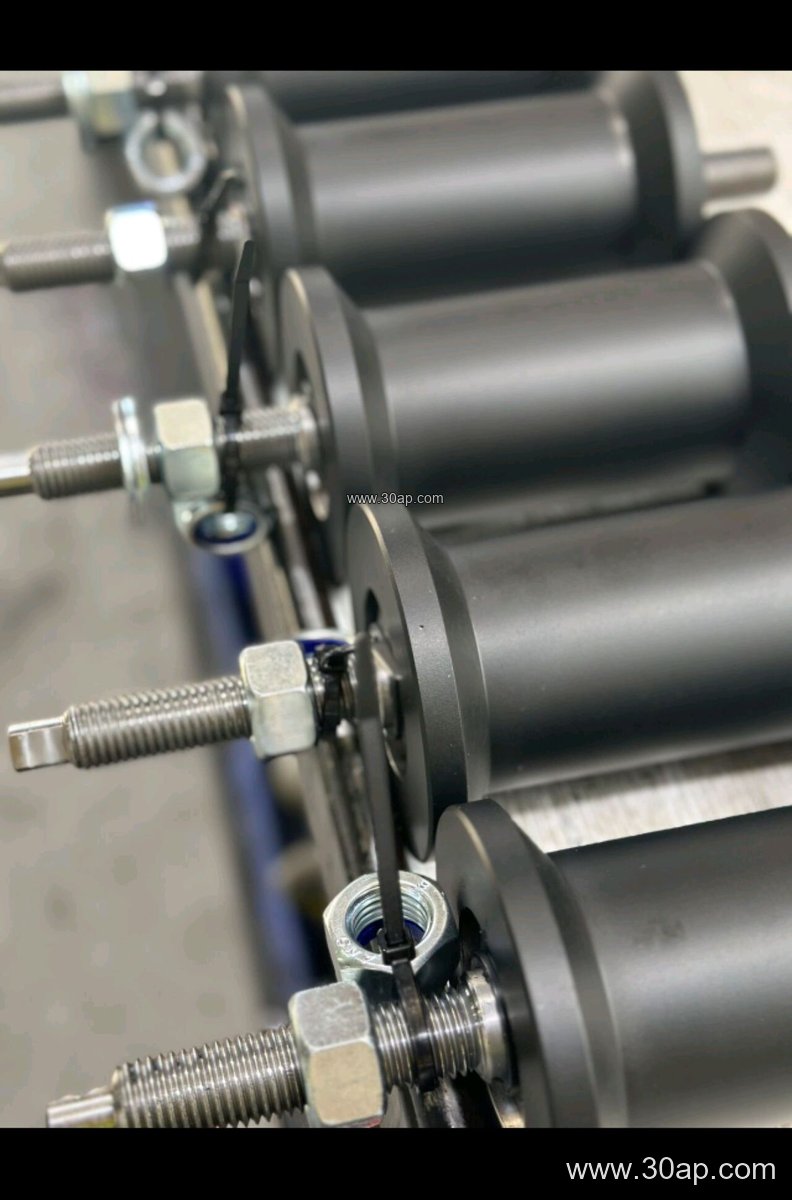
Where Idler Seals Matter Most
In a limestone quarry or a sand and gravel plant, abrasive dust is everywhere. Without a reliable idler seal, fine rock powder enters the bearing and acts like grinding paste. The same applies in a coal preparation plant, where coal dust and moisture can penetrate poorly sealed rollers. In a power plant coal yard, idler seals help keep bearings clean despite constant exposure to coal dust and weather.
Conveyor systems that handle bulk materials such as iron ore, copper ore, or cement clinker also benefit from robust seals. In these operations, the conveyor belt may carry heavy loads, and the idler rollers must rotate freely to avoid belt slip and excessive power draw. A failed seal can quickly lead to a locked roller, which may damage the conveyor belt or the conveyor pulley.
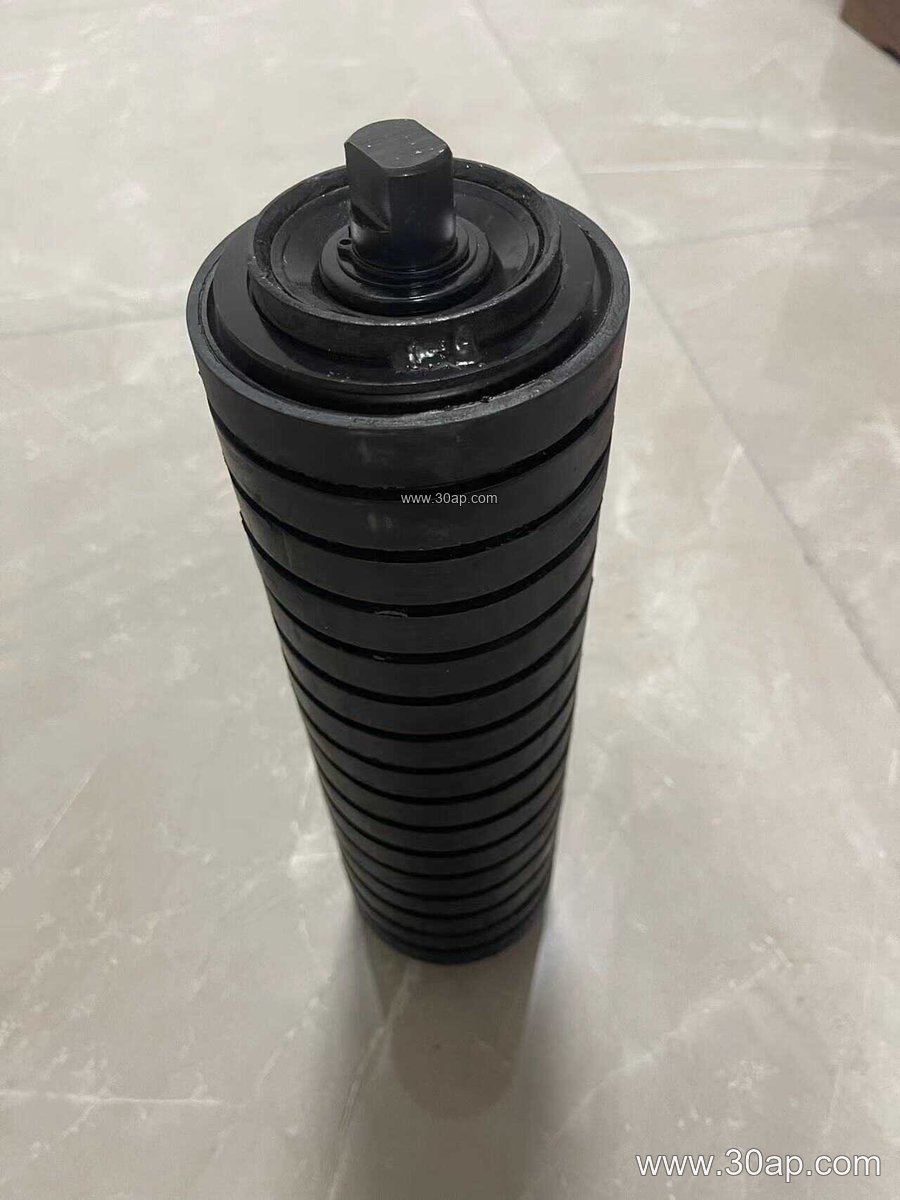
Seal Selection and Maintenance Notes
Buyers should match the seal type to the operating environment. For dry, dusty conditions, a labyrinth seal with a grease-filled cavity is often effective. For wet or wash-down areas, a contact lip seal may be preferred. It is also important to consider the bearing size, as seals are often sized to fit specific bearing bores. Common bearing numbers such as 6204, 6205, 6305, and 6306 appear in many idler rollers, but the seal must be compatible with the housing design.
Regular inspection of idler rollers for grease leakage or unusual noise can indicate seal wear. Replacing rollers with damaged seals early prevents more serious conveyor problems. When ordering replacement idlers, specify the roller diameter and belt width so the correct seal and bearing arrangement can be supplied. Typical roller diameters include Ø89, Ø108, Ø127, and Ø159, and belt widths from B500 to B2000 are common, but final selection should follow the conveyor design.
Buyer Checklist for Idler Seals
- Confirm the sealing method: labyrinth, contact lip, or combined.
- Check material compatibility with temperature and chemicals.
- Verify bearing size and housing dimensions.
- Consider the dust and moisture level at the installation site.
- Ask for seal replacement parts if rollers are to be refurbished.
For operators in mining, cement, and bulk handling, a well-chosen idler seal is a low-cost way to protect the conveyor belt and keep the line running. Whether the application uses a heavy-duty mining conveyor belt or a standard EP conveyor belt, the idler seal plays a quiet but essential role in reliability.