Understanding the Fixed Conveyor Bracket
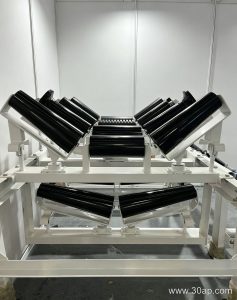
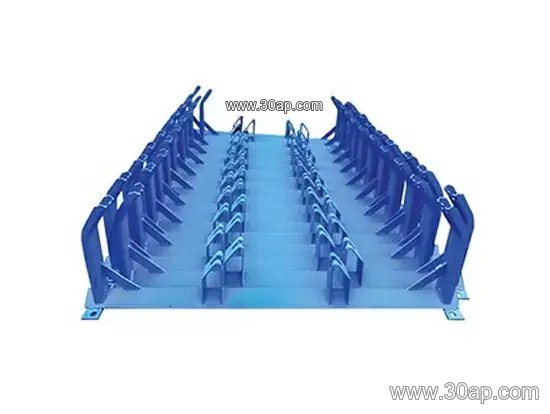
A fixed conveyor bracket is a rigid support structure that holds idler rollers in place along a conveyor system. Unlike adjustable designs, this bracket is set to a specific angle and height during installation, providing consistent belt support in demanding environments such as coal mines, cement plants, and power station coal handling systems. The fixed bracket is often used in troughing applications where the belt needs to maintain a stable shape to carry bulk materials efficiently.
Construction and Materials
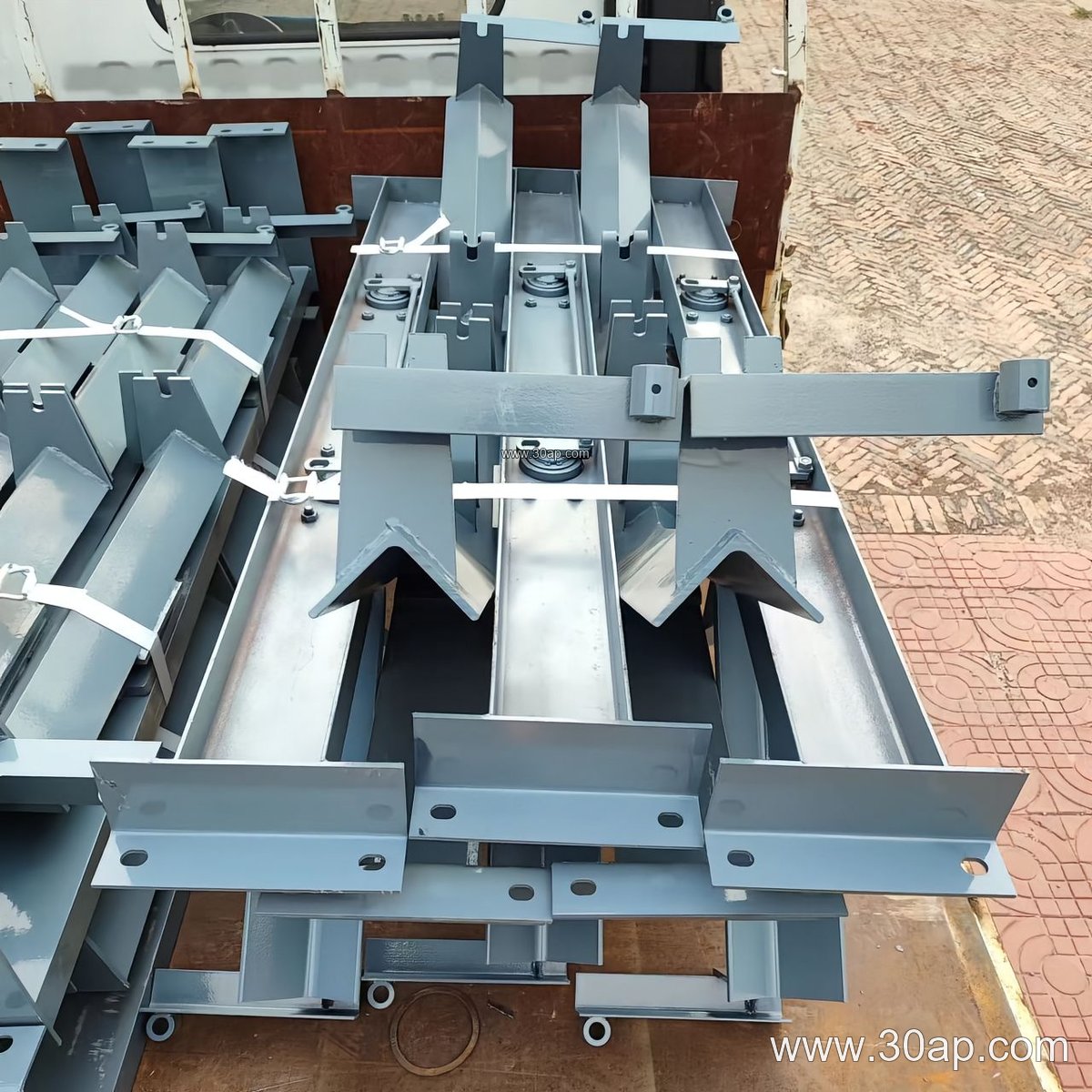
Fixed conveyor brackets are typically fabricated from angle steel, channel steel, or bent steel plate. The choice of material depends on the load and environmental conditions. For heavy-duty applications in iron ore mines or quarry conveyor lines, thicker steel is used to withstand impact and abrasion. The bracket is designed to hold idler rollers at a fixed trough angle, commonly 20, 30, 35, or 45 degrees. The bracket’s dimensions, such as installation hole spacing and crossbeam length, are determined by the belt width and trough angle, not by a single universal specification.
Key Design Parameters
When selecting a fixed conveyor bracket, several parameters must be considered. The table below outlines common reference values for belt width, trough angle, and roller diameter. These are typical ranges, and actual dimensions should be confirmed with the conveyor design.
| Parameter | Common Options |
|---|---|
| Belt Width (B) | B500, B650, B800, B1000, B1200, B1400, B1600, B1800, B2000, B2200 |
| Trough Angle | 20°, 30°, 35°, 45° |
| Roller Diameter | Ø89, Ø108, Ø133, Ø159, Ø194 |
For example, a B800 belt with a 35-degree trough angle might use Ø108 idlers, while a B1200 belt with a 45-degree angle could use Ø133 idlers. These combinations are not fixed rules; the correct match depends on the belt speed, material weight, and load capacity. The fixed bracket ensures that the idler rollers are held at the chosen angle without movement, which is crucial for maintaining belt training and preventing material spillage.
Applications in Bulk Material Handling
Fixed conveyor brackets are widely used in industries that handle abrasive or heavy materials. In a coal mining conveyor system, the bracket supports idlers that carry the belt loaded with coal. The bracket’s robust construction resists vibration and impact from large lumps. In cement plants, fixed brackets are employed in clinker and raw material transport, where dust and high temperatures demand durable support. Similarly, in power plant coal yards and port ship loading facilities, fixed brackets help maintain belt alignment over long distances. The bracket is often paired with a rubber conveyor belt or EP conveyor belt to ensure smooth operation. For high-abrasion conditions, an abrasion resistant conveyor belt may be used alongside the fixed bracket to extend service life.
Installation and Maintenance Tips
Proper installation of a fixed conveyor bracket is essential for optimal performance. The bracket should be aligned with the conveyor frame, and the idler rollers must be seated correctly to avoid belt misalignment. Regular inspection of the bracket for loose bolts, corrosion, or deformation is recommended, especially in corrosive environments like fertilizer plants or salt handling facilities. Since the bracket is fixed, any change in trough angle requires replacement or modification, so the initial selection should be based on accurate design calculations. In some cases, a transition bracket or impact bracket may be used near transfer points, but the fixed bracket remains the primary support for the carrying side.
Selection Considerations for Buyers
Buyers should specify the belt width, trough angle, and roller diameter when ordering fixed conveyor brackets. It is important to note that one belt width can accommodate different trough angles and roller diameters; there is no single mandatory combination. The bracket’s material and thickness should match the conveyor’s load and environmental conditions. For instance, a heavy-duty mining conveyor belt system may require brackets made from thicker channel steel compared to a light-duty aggregate conveyor. Additionally, buyers should consider the compatibility with other components such as conveyor pulleys and idler rollers. The fixed bracket should be designed to fit the specific conveyor frame and idler shaft dimensions. Working with a reputable supplier who can provide custom fabrication based on the conveyor design is advisable. For more information on conveyor components, visit our website at www.example.com/conveyor-bracket for fixed conveyor bracket solutions, and explore our range of conveyor idlers and pulleys.