What Conveyor Bracket Procurement Covers
Conveyor bracket procurement is the process of sourcing the structural supports that hold idler rollers in place along a belt conveyor. These brackets, often called conveyor support brackets or idler frames, are not a single part but a family of components: troughing brackets for the carrying side, return brackets for the empty side, impact brackets at load points, and self-aligning brackets for belt tracking. A buyer specifying conveyor brackets needs to match them to the belt width, trough angle, roller diameter, and the specific position in the conveyor line. This article explains how these brackets are built, where they are used, and what to check before placing an order.
Construction and Materials
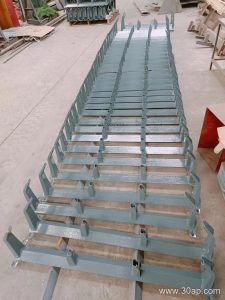
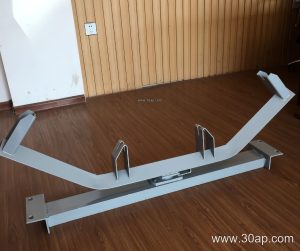
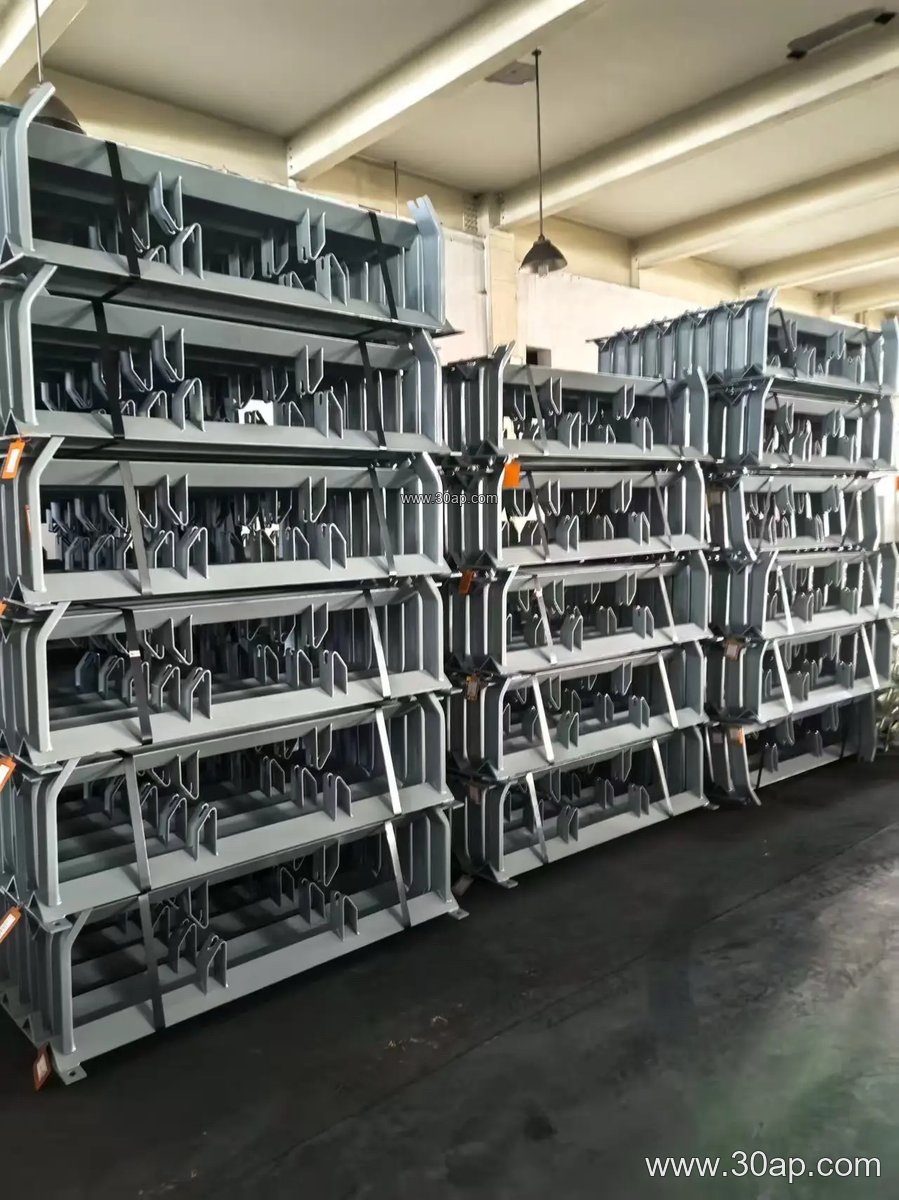
Most conveyor brackets are fabricated from angle steel, channel steel, or folded steel plate. The choice depends on load and environment. In a quarry or aggregate conveyor, brackets may be made from heavier channel sections to resist vibration and impact. In a cement plant, dust and fine particles call for brackets with smooth surfaces and good drainage to avoid buildup. The bracket geometry sets the trough angle for the carrying idlers—common angles are 20, 30, 35, and 45 degrees. Adjustable brackets allow the angle to be changed on site, which is useful during commissioning or when material characteristics vary.
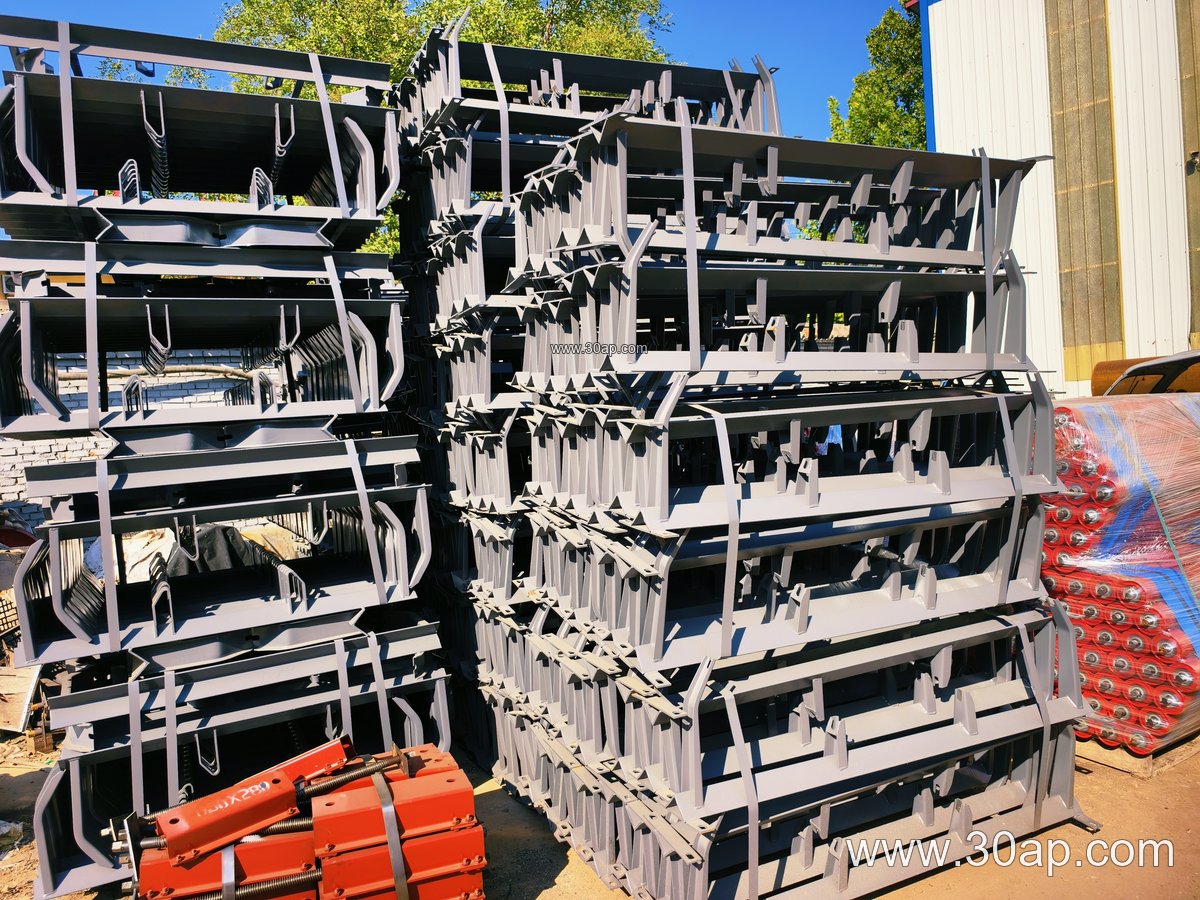
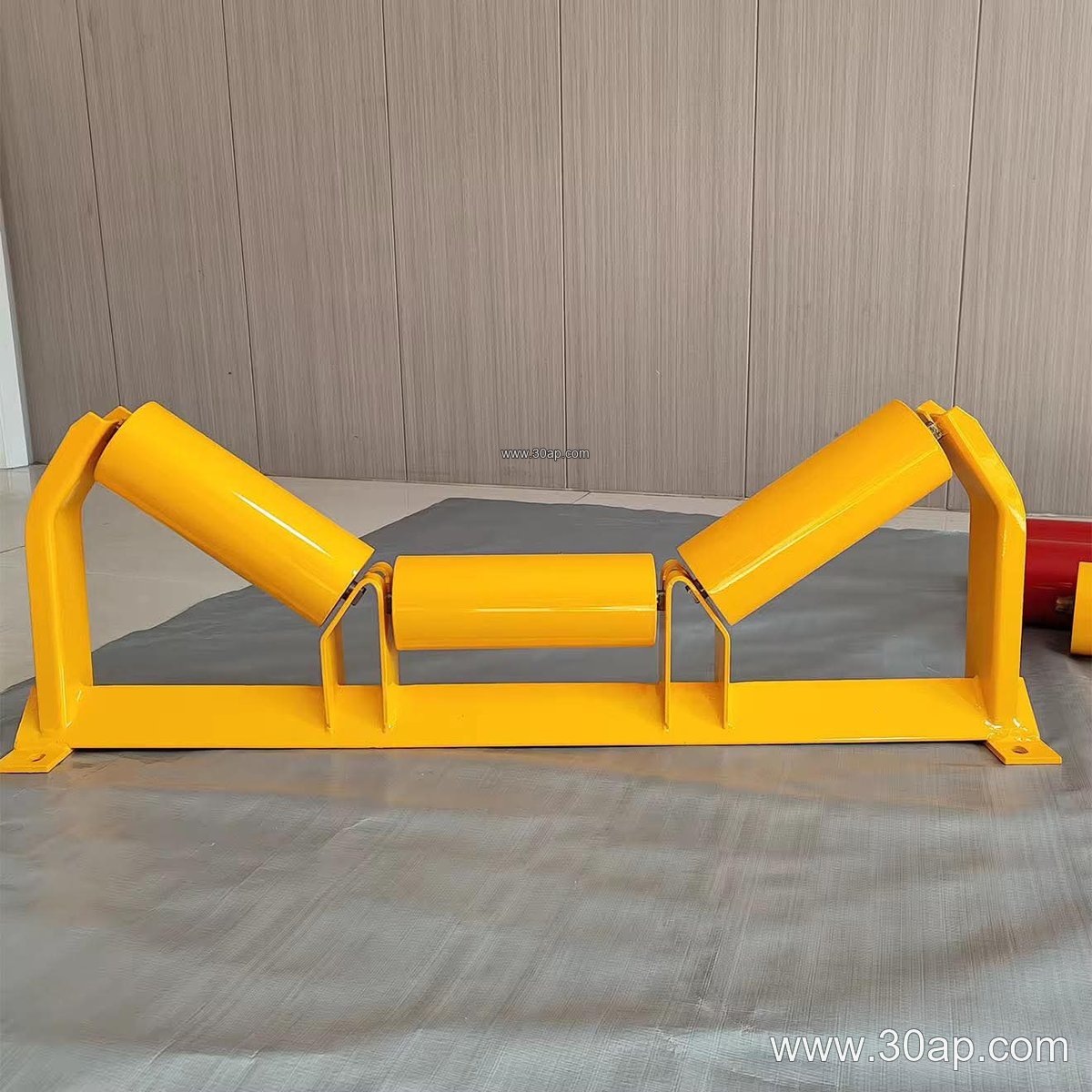
Key dimensions include the mounting hole spacing and the crossbeam length. These are not fixed values; they change with belt width and trough angle. For example, a B800 bracket with a 35-degree trough will have different hole spacing than a B1200 bracket with a 45-degree trough. Roller diameter also matters: brackets are drilled to accept shaft ends of Ø89, Ø108, Ø133, Ø159, or Ø194 mm rollers. A buyer should always provide the belt width, trough angle, and roller diameter so the supplier can confirm the correct bracket size.
Where Conveyor Brackets Are Used
Conveyor brackets appear in almost every bulk material handling system. In a coal mining conveyor, flame retardant conveyor belts run on troughing brackets that must withstand constant load and occasional impact. In a power plant coal yard, brackets support idlers under a rubber conveyor belt that may be 1200 mm or 1400 mm wide. In a stone crushing plant, impact brackets are placed under the crusher discharge to absorb the energy of falling rock. The same bracket family is used in port ship loaders, steel plant sinter lines, and fertilizer handling facilities. Each site has its own priorities: a quarry may focus on abrasion resistance, while a food grade application may require easy-clean brackets.
Matching Brackets to the Conveyor System
Procurement should start with the conveyor layout. Identify the carrying side and return side, and note any transition zones where the belt changes from flat to troughed. Transition brackets are used there to guide the belt smoothly. On the return side, a V-return bracket helps center the belt and remove material carryback. Self-aligning brackets are installed where belt tracking is a concern, often after curves or load points. For inclined conveyors, consider brackets that can accommodate a forward tilt of about 1.5 to 2 degrees on the idlers, which helps keep the belt centered.
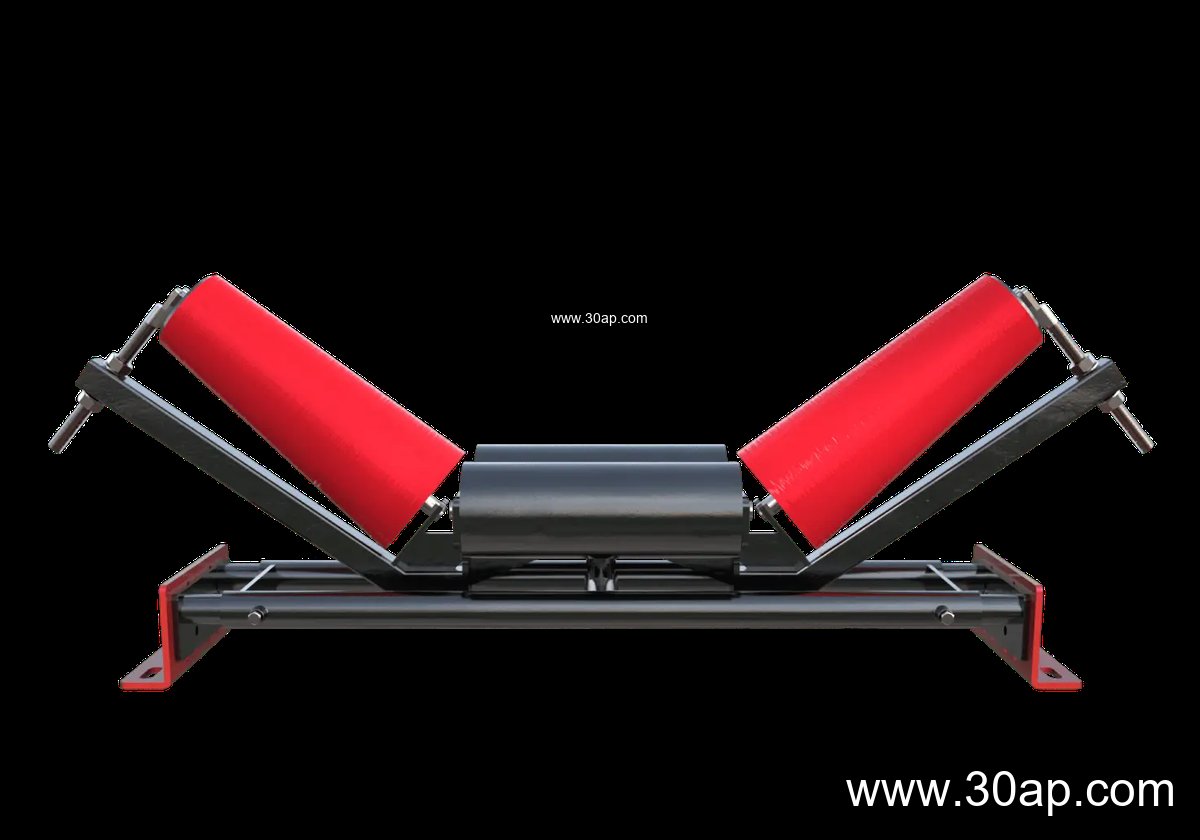
When specifying, use common combinations such as B650 with 30-degree trough and Ø89 rollers, or B1000 with 35-degree trough and Ø108 rollers. These are examples, not fixed rules. The same belt width can work with different trough angles and roller diameters depending on the conveyor design and material. Avoid assuming that one belt width only matches one bracket size.
Procurement Checklist
- Confirm belt width (e.g., B500, B800, B1200, B1600) and trough angle (20°, 30°, 35°, 45°).
- Provide roller diameter (Ø89, Ø108, Ø133, Ø159, Ø194) and shaft end type.
- State the bracket position: troughing, return, impact, transition, or self-aligning.
- Specify material and surface treatment—painted, galvanized, or bare steel.
- Ask for dimensional drawings showing hole spacing and crossbeam length.
- For adjustable brackets, confirm the range of angle adjustment.
- Check compatibility with the conveyor pulley and idler roller brands already in use.
Well-planned conveyor bracket procurement reduces downtime and keeps the belt running true. Whether the application is a coal mining conveyor belt, a quarry conveyor belt, or a cement plant conveyor belt, the right brackets provide stable support for every idler roller and help extend the life of the conveyor belt.