What a Stone Conveyor Pulley Does
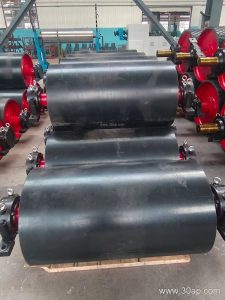
A stone conveyor pulley is a rotating cylindrical drum that drives or guides the belt in a stone-handling conveyor system. In a quarry, crushing and screening line, or aggregate stockyard, the pulley is the component that transfers motion and tension to the belt. The term stone conveyor pulley usually refers to the heavy-duty drum built for abrasive, dusty conditions where crushed rock, gravel, and sand move continuously. It is distinct from the conveyor pulley used in lighter package handling, though both share a similar working principle.
Engineers often use the accurate equivalent name “conveyor drum” for the same product. The drum body, shaft, bearings, and lagging work together to keep the belt tracking and to transmit torque without slipping.
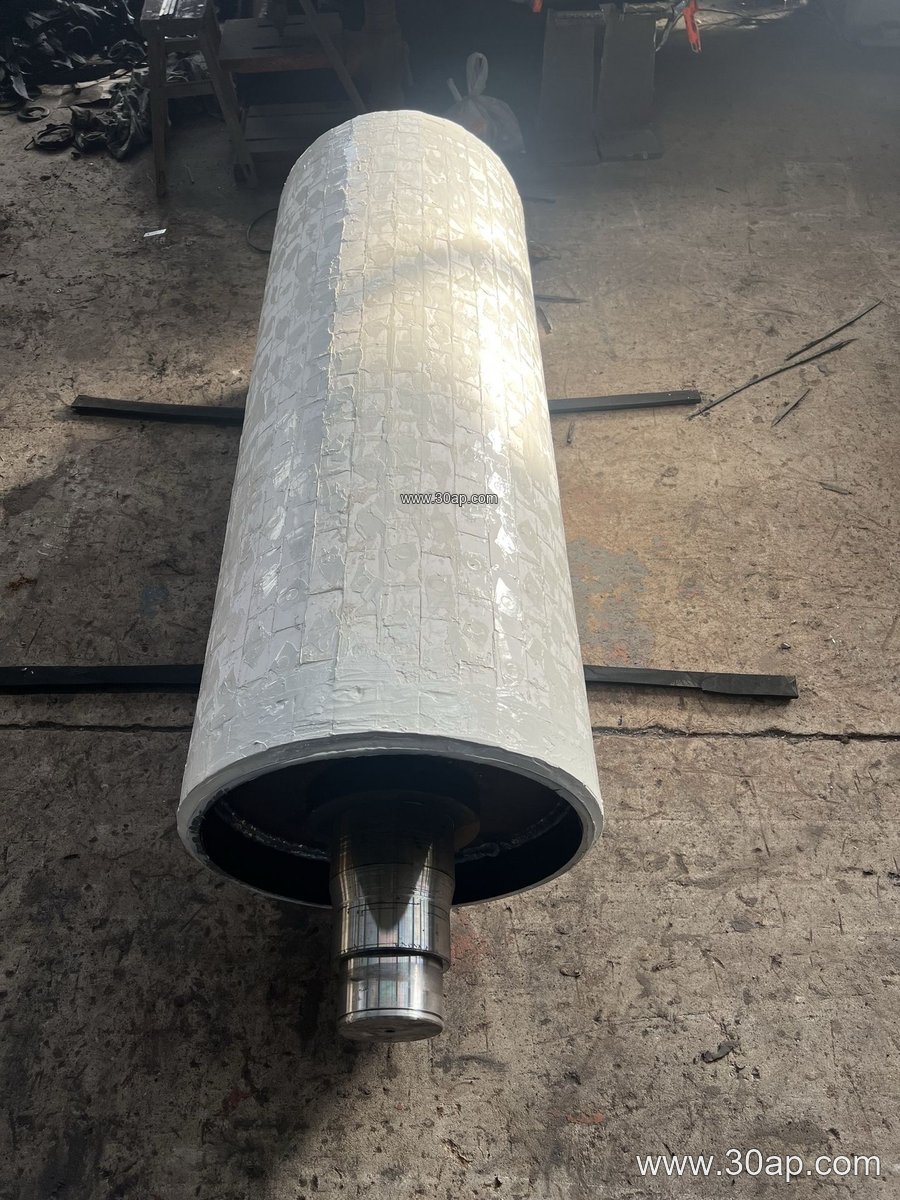
How the Drum Is Built
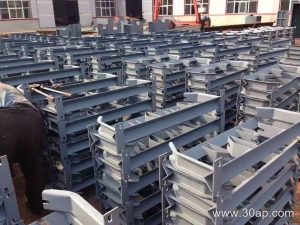
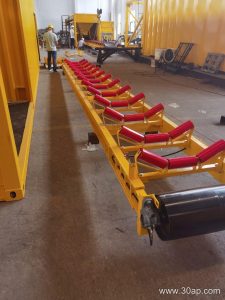
The structure is straightforward but the details matter. A steel shell is welded to end discs, which are machined to accept the shaft. The shaft is keyed or shrink-fitted to the discs, and the assembly is balanced for smooth rotation. Bearings sit in housings fixed to the conveyor frame, often held by a conveyor bracket that allows alignment adjustment.
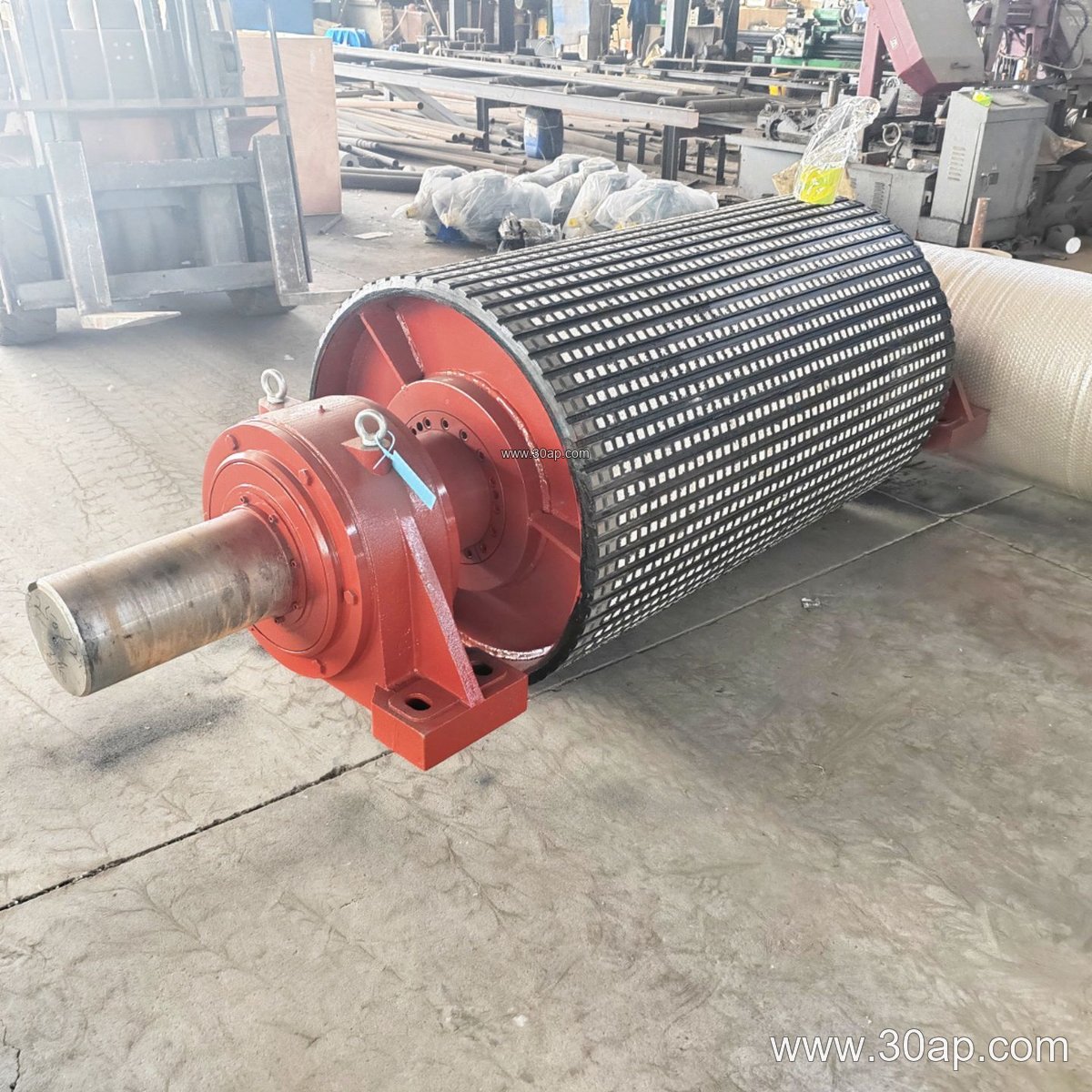
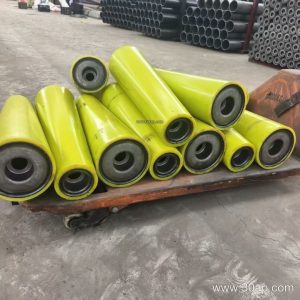
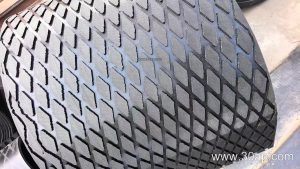
Surface treatment is a major choice. A plain finish suits light duty and clean belts, while rubber lagging improves grip. Common surface forms include cast rubber, cold-bonded rubber, hot-vulcanized rubber, diamond pattern, herringbone pattern, and ceramic lagging. Lagging thickness is commonly 8, 10, 12, 15, or 20 mm; the thicker options are used where wear and slip risk are high. The shell is usually wider than the belt. For example, a B800 belt often runs on a drum face around 950 mm, and a B1200 belt on roughly 1400 mm. These are typical references, not fixed rules.
Drive, Tail, and Bend Positions
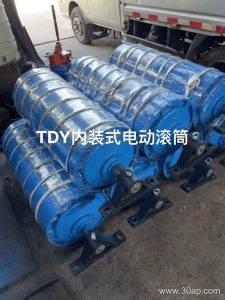
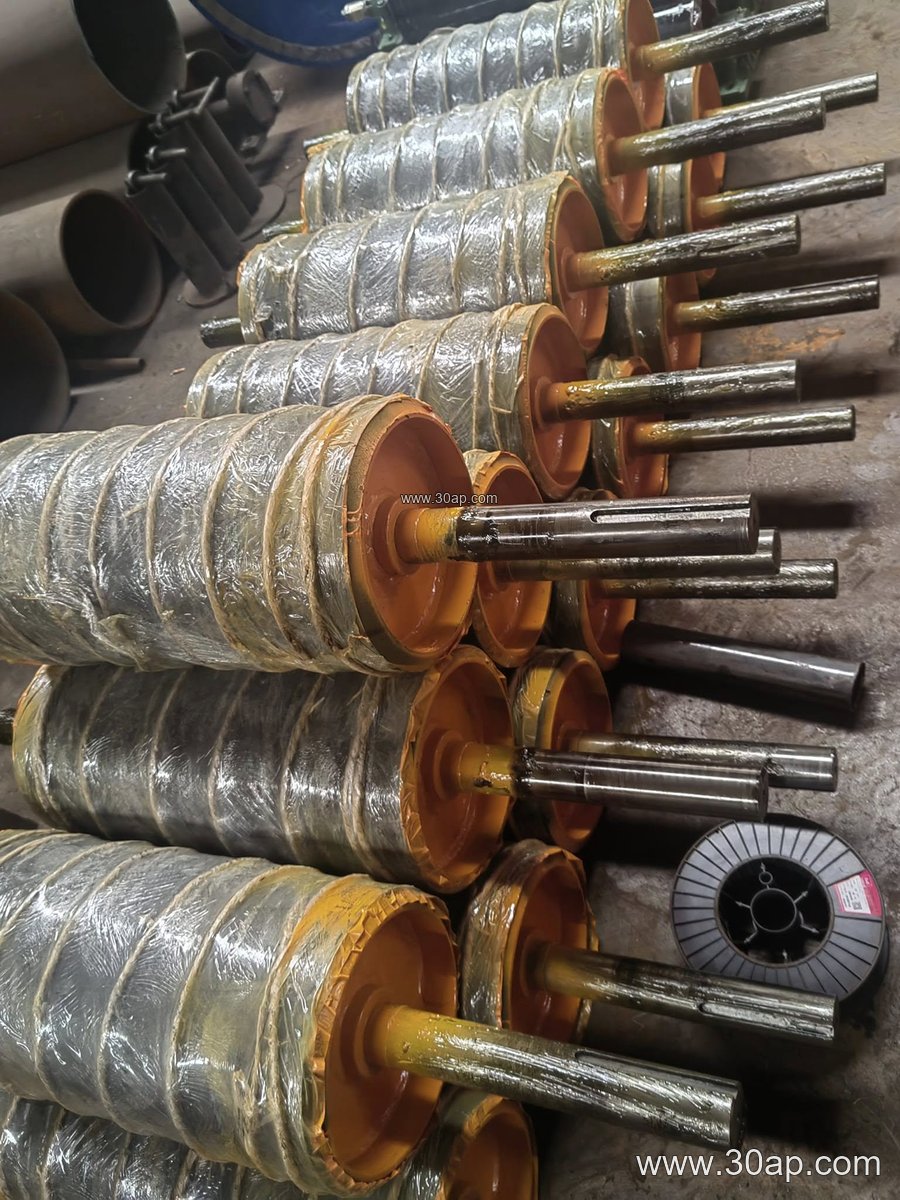
Position determines the role, and the names are not interchangeable. A drive pulley, also called the head pulley, pulls the belt and connects to the gearbox. A tail pulley sits at the loading end and turns freely. A bend pulley changes belt direction, while a tension pulley maintains take-up. A snub pulley increases wrap angle, and an electric drum carries the motor inside the shell. In a stone plant, the drive drum is usually lagged for grip, the tail drum may use a plain or lightly lagged face, and the bend drum is selected for compact routing. When comparing wear, a wing pulley is sometimes mentioned because it sheds sticky material, but it is a different subtype and does not replace the main stone conveyor pulley in a drive position.
Where Stone Conveyor Pulleys Are Used
These drums appear across bulk material handling. In a limestone quarry or aggregate conveyor line, they carry abrasion resistant conveyor belts loaded with crushed stone. In a cement plant, they move clinker and raw meal, often paired with heat resistant conveyor belt where process temperatures are elevated. In a coal washing plant or power plant coal yard, flame retardant conveyor belt and anti-static conveyor belt are common, and the drum lagging must resist dust and moisture. In an iron ore or copper ore terminal, steel cord conveyor belt may run over larger drums. A stone conveyor pulley also works with an EP conveyor belt or a multi-ply fabric core conveyor belt in medium-duty stone crushing circuits.
Matching the Pulley to the Belt
Belt width and drum diameter should be chosen together, never as a fixed pair. A wider belt needs a wider drum face, and a larger diameter reduces belt bending stress. Example combinations such as B800 × Ø500, B1200 × Ø1000, or B1400 × Ø800 show the range, but other pairings are valid. Diameter commonly ranges from Ø200 up to Ø1800 depending on belt speed, tension, and space. Shaft diameter is determined by torque and load, not by belt width alone. Common shaft sizes include Ø50, Ø80, Ø100, Ø120, Ø160, and Ø200 mm.
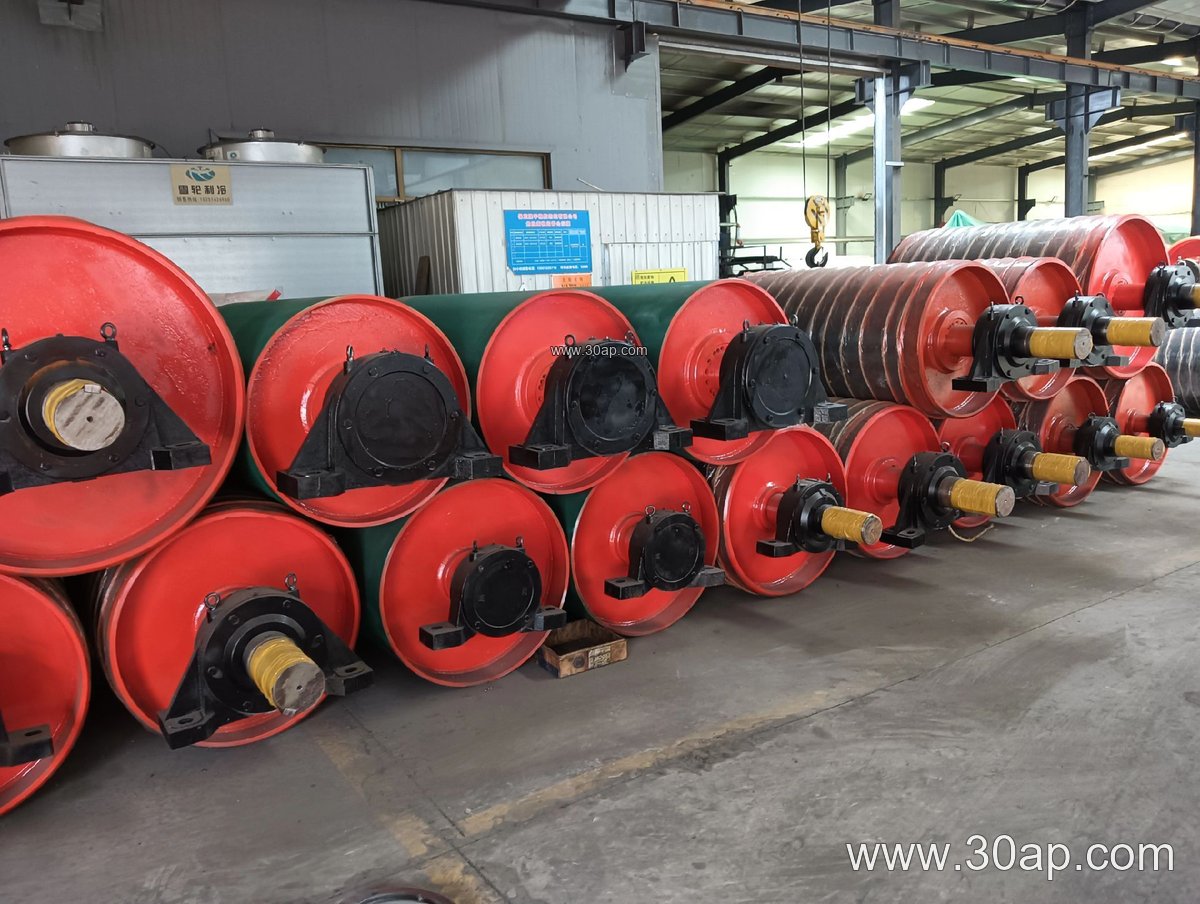
| Bandwidth | Typical drum face |
|---|---|
| B400 | about 500 mm |
| B650 | about 750 mm |
| B1000 | about 1150 mm |
| B1600 | about 1800 mm |
| B2000 | about 2200 mm |
These are reference values for planning, not a supply promise. The final design depends on the conveyor layout, belt type, and load profile.
Buyer Checklist
- Confirm the position: drive, tail, bend, tension, or snub. The function changes the lagging and bearing choice.
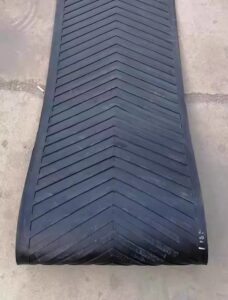
- State the belt width and belt type, such as abrasion resistant conveyor belt, oil resistant conveyor belt, or chevron conveyor belt.
- Provide the required drum diameter and shaft diameter based on torque and load calculations.
- Choose the lagging surface and thickness for grip and wear, for example diamond lagging at 12 mm.
- Check that the drum face is wider than the belt and that the conveyor bracket and bearing housing fit the frame.
- For dusty stone plants, consider dust protection for bearings and a wear-resistant lagging grade.
A well-specified stone conveyor pulley keeps the belt centered, reduces slip, and extends service life in demanding quarry, cement, and ore handling environments.