What a Steel Plant Conveyor Belt Has to Handle
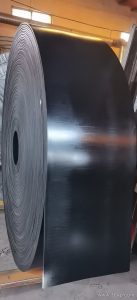
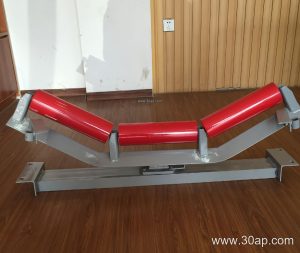
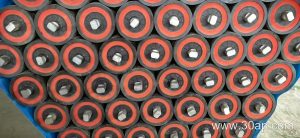
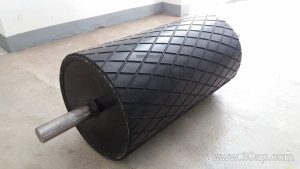
A steel plant conveyor belt moves more than bulk tonnage. It carries sinter, pellets, coke, limestone, mill scale, slag, and sometimes hot or oily materials through dusty, high-traffic transfer points. The belt is part of a continuous handling chain that includes the conveyor pulley, idler roller, and conveyor bracket, and every one of those parts has to suit the duty. Choosing a belt for this environment is mostly a question of matching cover compound and carcass strength to the real load, temperature, and risk profile.
The same product is often called a steelworks conveyor belt or a steel mill conveyor belt, and those names refer to the same item. A steel plant conveyor belt is not one universal specification. It is a belt engineered for the steel-making route it serves.
Construction of the Belt
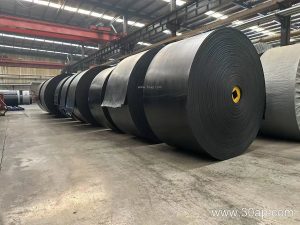
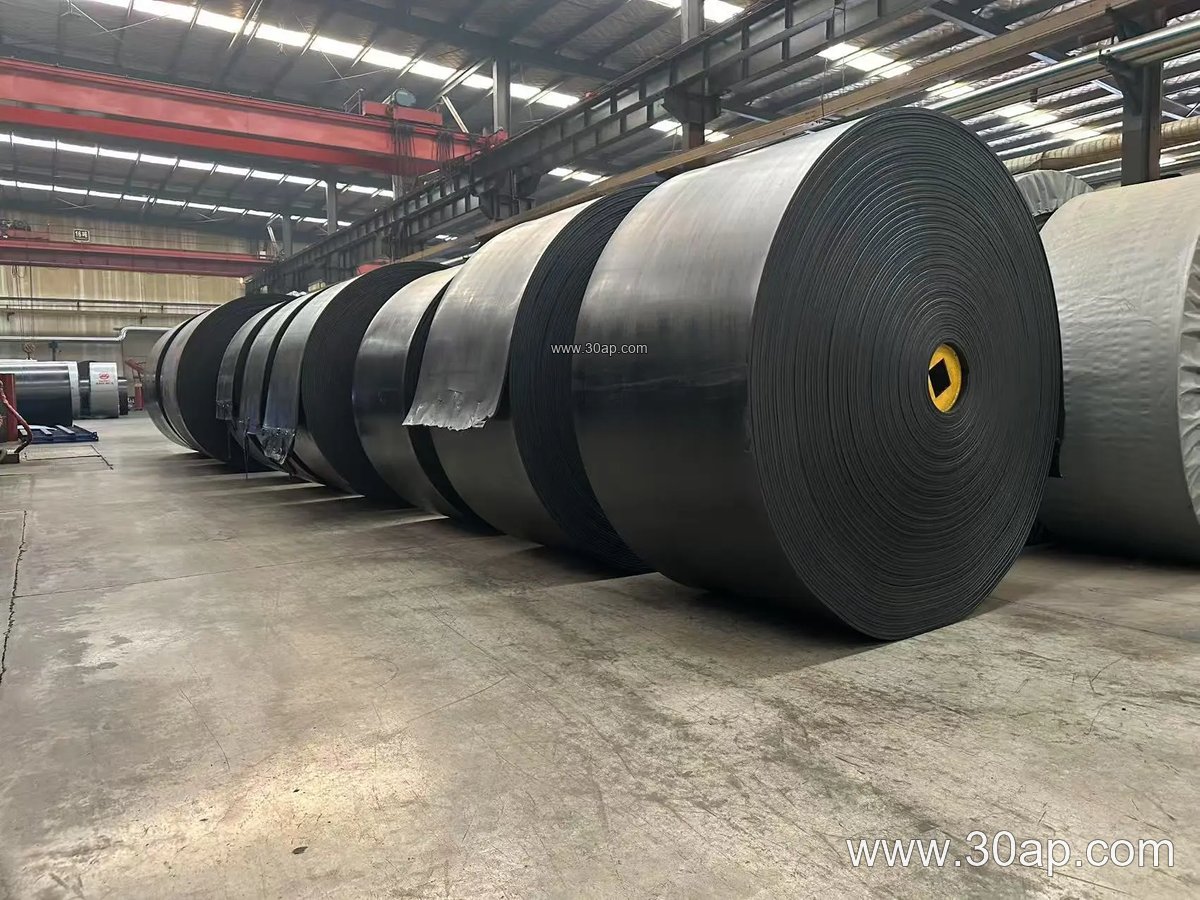
Most belts in this service are fabric-cored or steel-cord reinforced. A Fabric Core Conveyor Belt uses multiple plies of EP or NN fabric; a Steel Cord Conveyor Belt uses parallel steel wires for very high tensile demands and long center distances. The cover rubber is the working surface, and its grade decides whether the belt resists abrasion, heat, oil, or flame.
Common constructions include:
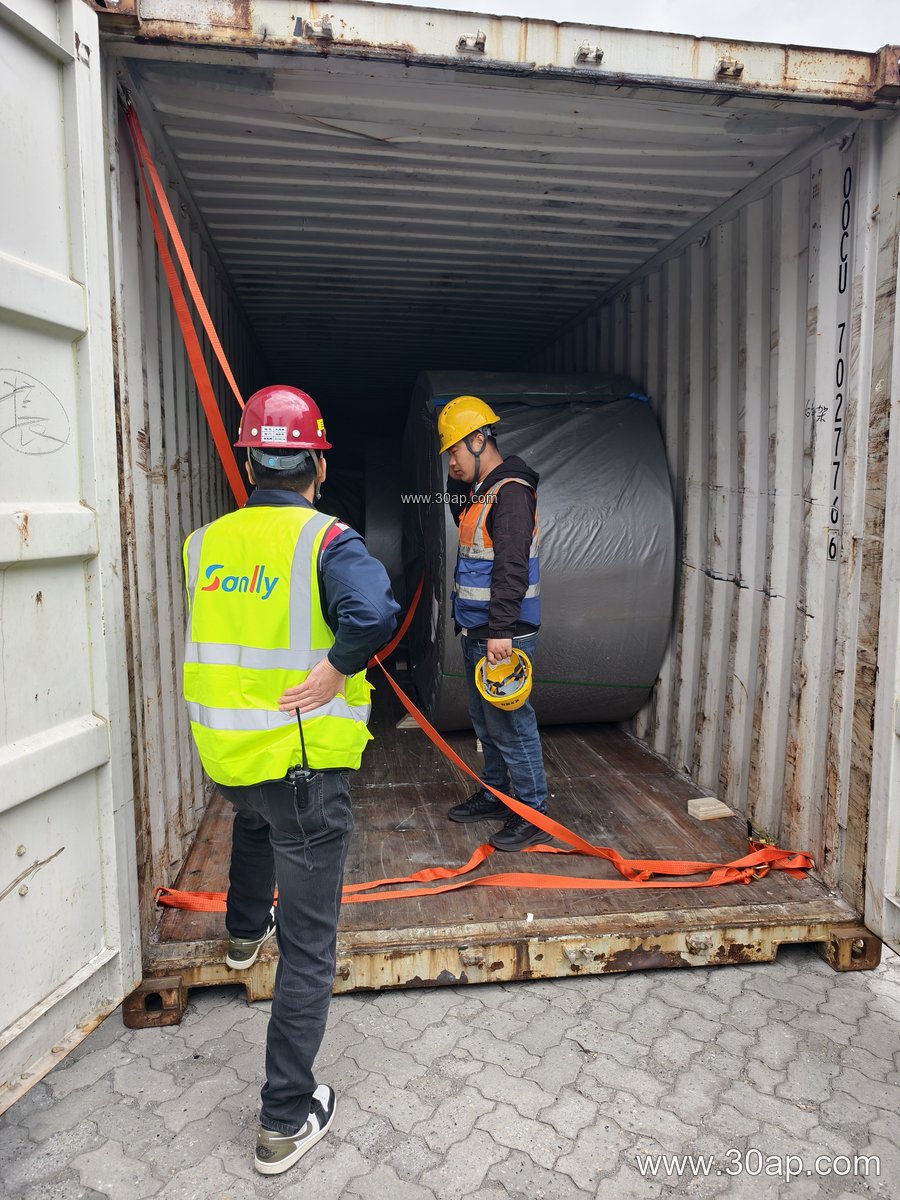
- EP Conveyor Belt carcass, widely used for general bulk handling
- NN Conveyor Belt carcass, a nylon-based alternative
- Multi-Ply Fabric Core Conveyor Belt for heavier loading
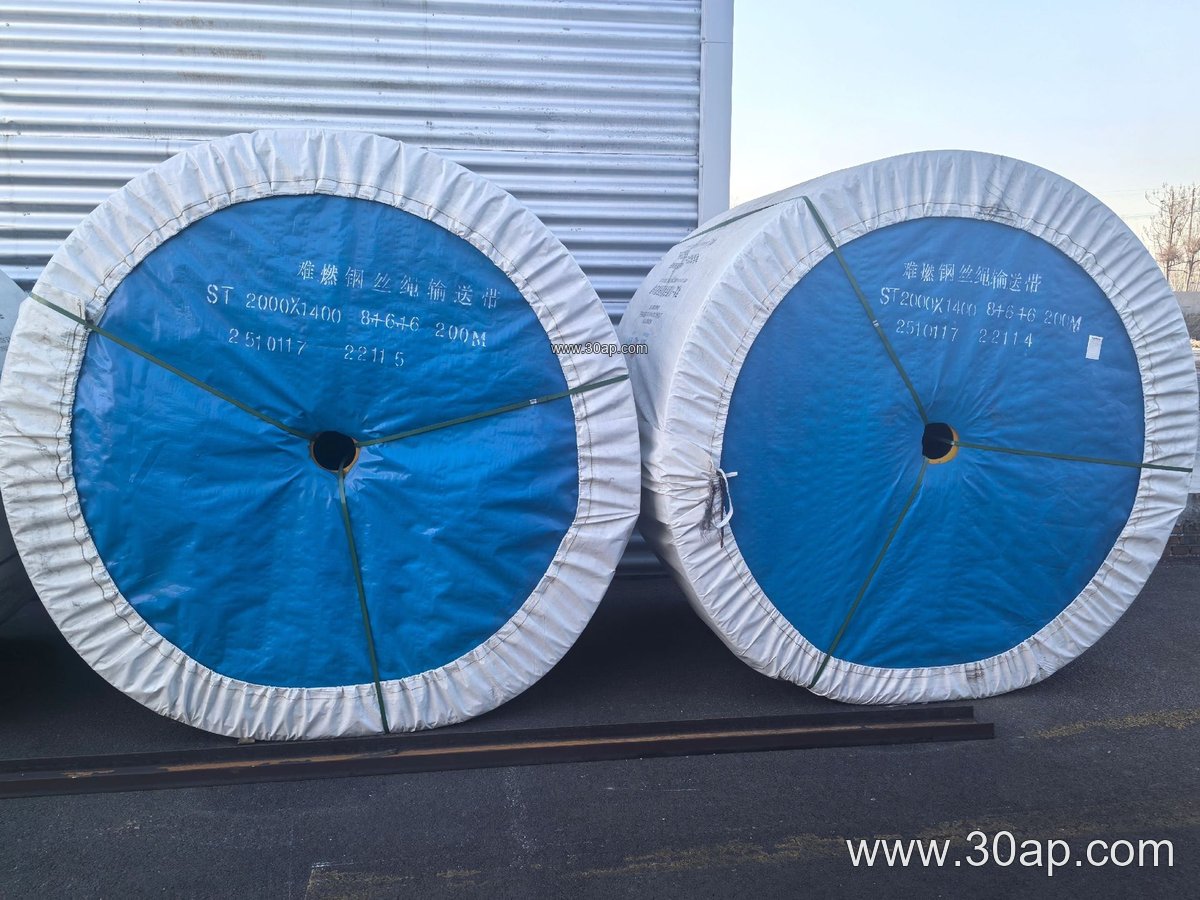
- Steel Cord Conveyor Belt for high strength and long runs
- Heat Resistant Conveyor Belt for sinter and hot return material
- Abrasion Resistant Conveyor Belt for coke, ore, and limestone
- Oil Resistant Conveyor Belt near lubricated equipment and oily scrap
- Flame Retardant Conveyor Belt and Anti-Static Conveyor Belt where fire and static risk must be controlled
Cover thickness is usually stated as top plus bottom, for example 4+2 mm, 5+2 mm, or 6+2 mm. Carcass plies commonly run from 2 to 6 layers in fabric belts. These are reference patterns, not fixed rules; final construction follows the conveyor design and the material being carried.
Typical Duty and Belt Types
In a steel plant, belts appear in raw material yards, coke and coal handling, sinter plants, pellet plants, slag processing, and finished-product transfer. A belt that handles coarse, sharp material may need an Impact Resistant Conveyor Belt or a heavy-duty cover. A belt running close to hot sinter needs heat resistance, while a belt in a confined transfer house may need flame retardant and anti-static properties together.
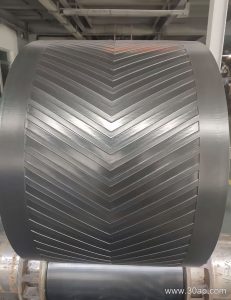
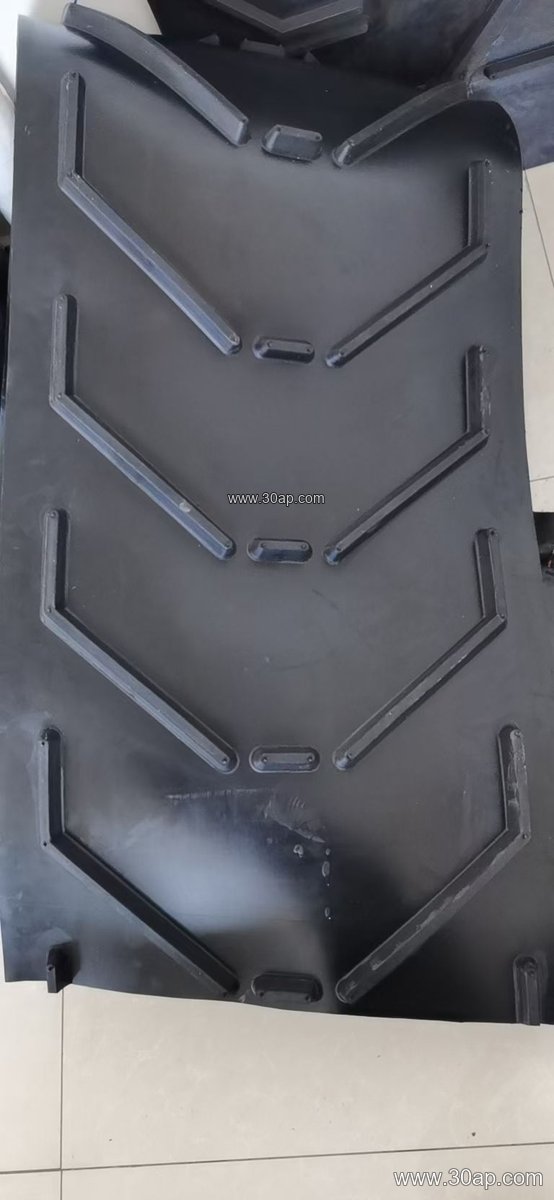
Where the route climbs steeply, a Chevron Conveyor Belt or Corrugated Sidewall Conveyor Belt can help retain material. Where dust control is critical, a Skirted Conveyor Belt or Pipe Conveyor Belt may be considered. These are alternatives for specific layouts, not replacements for the main belt type. A steel plant conveyor belt is still selected first for strength, cover grade, and compatibility with the pulley and idler roller arrangement.
Reference Dimensions and Strength Grades
Belt width and strength grade are usually fixed by the conveyor design. The table below gives common reference values; a plant may use other combinations.
| Parameter | Common Reference Values |
|---|---|
| Belt width | B500, B650, B800, B1000, B1200, B1400, B1600, B1800, B2000 |
| EP strength grades | EP200, EP315, EP400, EP500, EP630, EP800, EP1000, EP1250, EP1600, EP2000 |
| Cover thickness (top + bottom) | 3+1.5, 4+2, 5+2, 6+2, 8+3 mm |
| Fabric plies | 2 to 6 layers, depending on design |
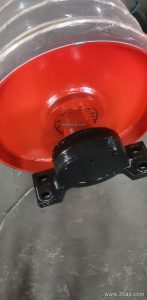
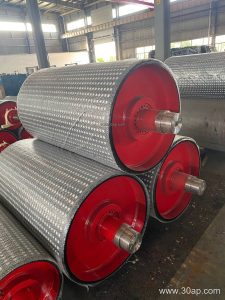
A belt width does not dictate one pulley diameter, and shaft size cannot be read from width alone. Drive pulley, tail pulley, and bend pulley are separate components with their own load calculations.
Buyer Checklist
Before ordering, confirm the material type, lump size, temperature range, moisture, and oil content. State whether the belt must be flame retardant or anti-static. Give the conveyor layout, including incline, transfer heights, and pulley dimensions, so the supplier can check compatibility with the idler roller spacing and conveyor bracket positions.
Ask for the cover grade, carcass type, number of plies, and total thickness in writing. For long runs, discuss whether a Steel Cord Conveyor Belt is justified. For dusty coal or coke service, confirm the Flame Retardant Conveyor Belt and Anti-Static Conveyor Belt requirements. Keep spare belt, pulley lagging, and idler roller stock planned so a damaged section does not stop the line.
Proper storage, controlled splicing, and regular inspection of belt edges and covers extend service life. A steel plant conveyor belt performs best when the belt, pulley, idler roller, and bracket system are treated as one design.