What a Conveyor Bracket Quotation Covers
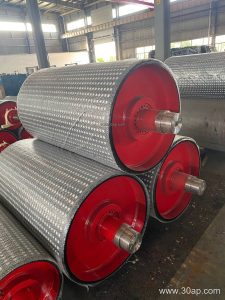
A conveyor bracket quotation is the priced breakdown a supplier issues for the steel supports that carry idlers and hold the belt in its working shape. It is not the same item as a conveyor pulley, and the quote should be read as a package of fabrication details rather than a single part number. Buyers in a quarry, a cement plant, a power station coal yard, or a crushing and screening line usually request this quotation together with roller and belt data so the frames match the whole conveyor.
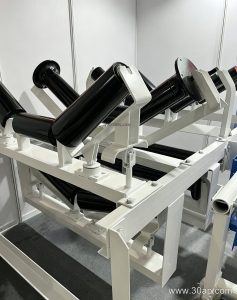
The bracket is the structural interface between the conveyor stringer and the idler roller. One quotation may cover dozens of units across several sections of the same conveyor, so the document needs to separate item types clearly.
How the Bracket Is Built
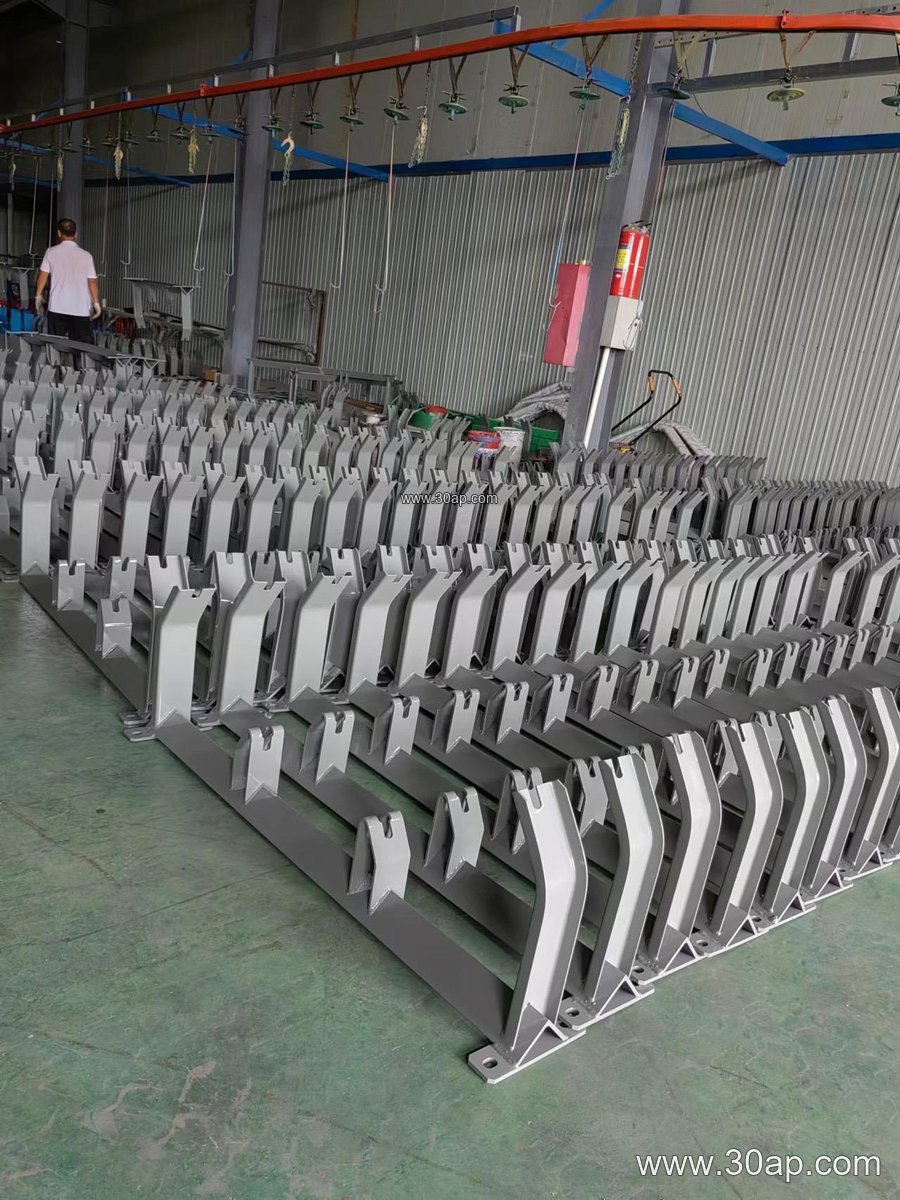
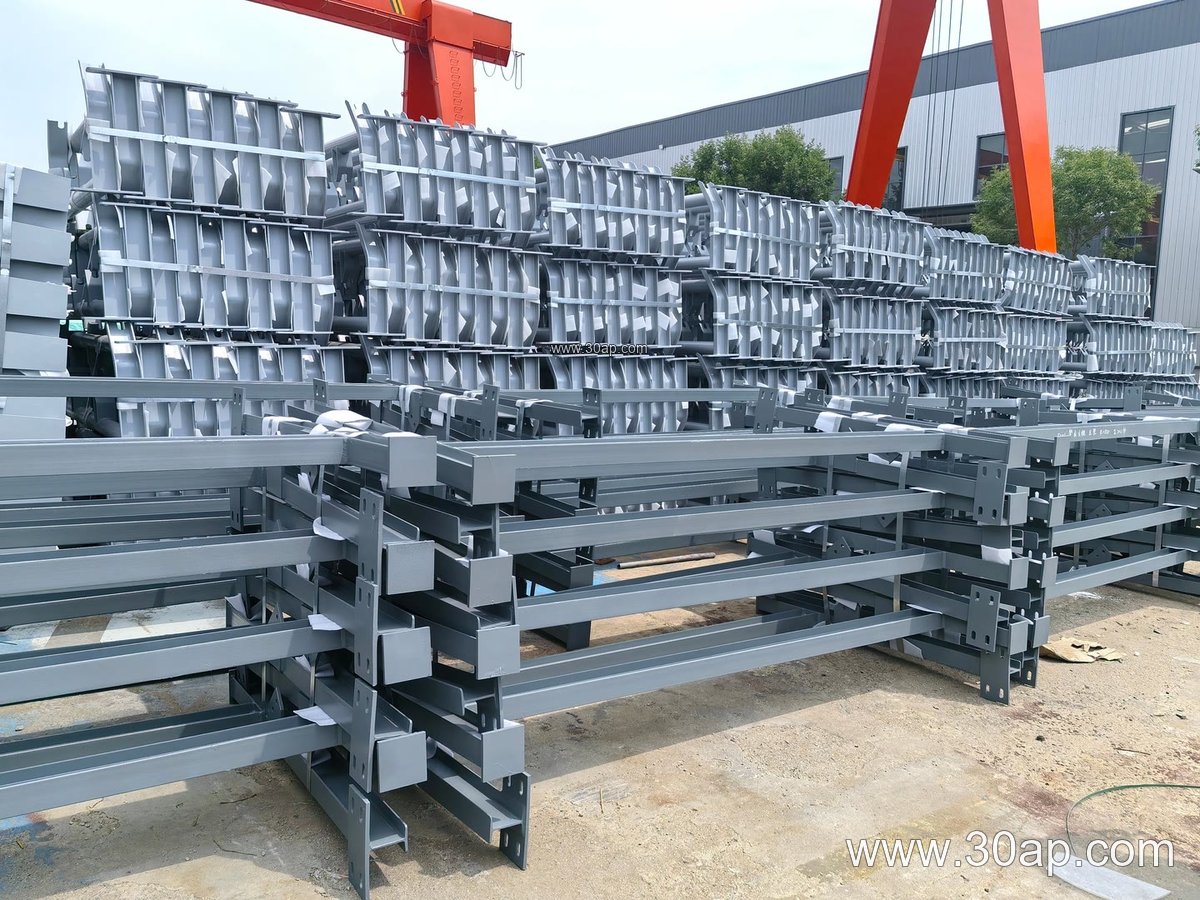
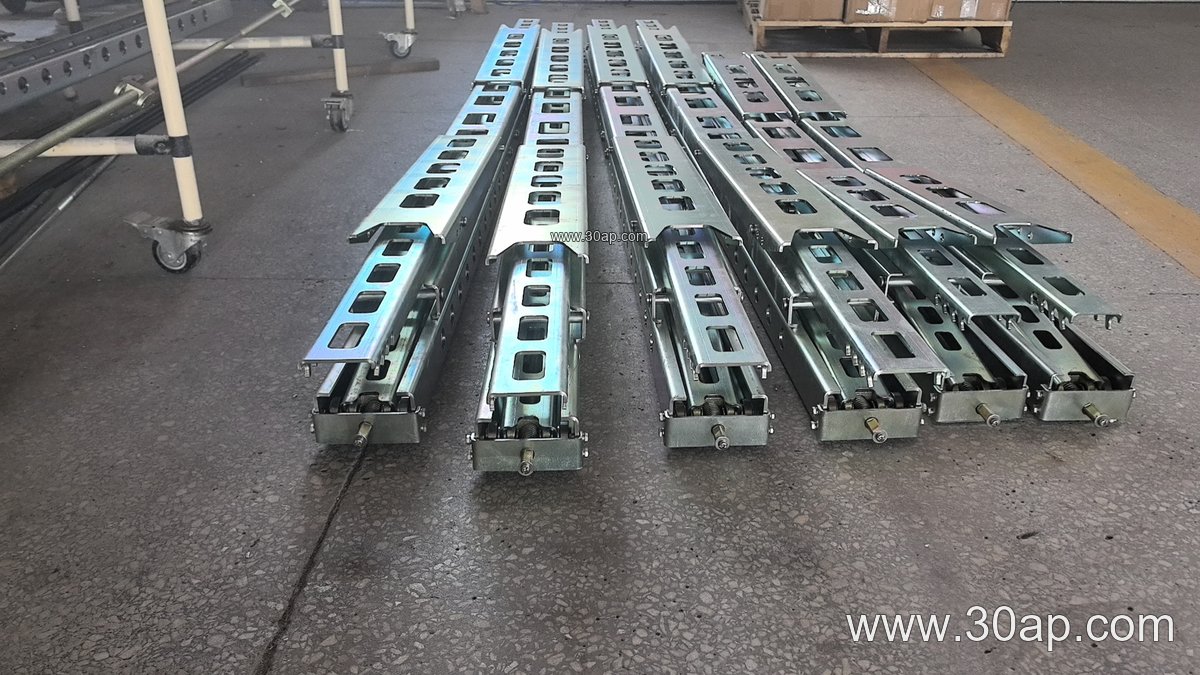
Most brackets are fabricated from angle steel, channel steel, or folded steel plate. The fabricator cuts, drills, and welds the parts, then applies a surface treatment such as painting or galvanizing according to the site conditions. The hole spacing and crossbeam length follow the belt width and trough angle, so they are confirmed at the drawing stage rather than taken from a fixed table.
Typical form of a quotation line item:
- Item description and bracket type
- Belt width and trough angle
- Idler diameter the bracket accepts
- Material and surface treatment
- Quantity, unit weight, and delivery terms
Bracket Types That Appear in a Quotation
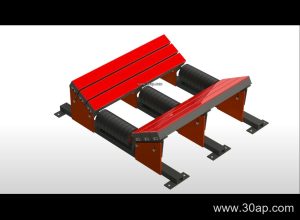
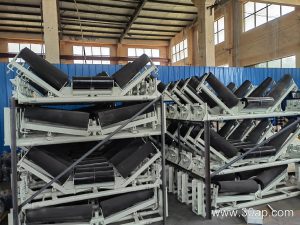
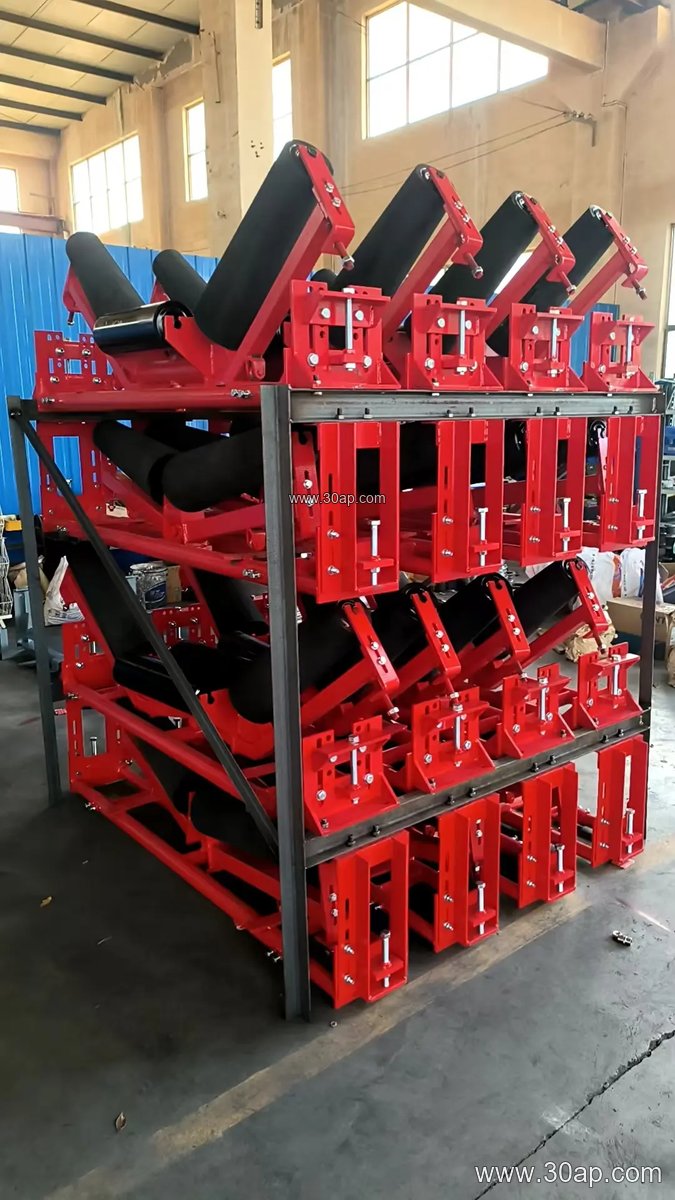
Troughing brackets, transition brackets, return brackets, V-return brackets, impact brackets, self-aligning brackets, and adjustable brackets each serve a different position on the conveyor. A quotation should state which type is quoted for each position, because they are not interchangeable. An adjustable bracket allows the trough angle to be set within a range, which helps during commissioning and when belt loading changes.
Reference values, not fixed rules
The table below lists common reference data only. Actual values are confirmed by design.
| Parameter | Common reference range |
|---|---|
| Belt width | B500, B650, B800, B1000, B1200, B1400, B1600 |
| Trough angle | 20°, 30°, 35°, 45° |
| Idler diameter | Ø89, Ø108, Ø133, Ø159, Ø194 |
| Material | Angle steel, channel steel, folded plate |
A combination such as B800, 35°, Ø108 is a useful shorthand in an inquiry, but it is not a rule that a given belt width can only use one angle or one roller size. The same B1200 frame may be quoted with 35° or 45° depending on the material and the belt. When a quotation is being compared, ask the supplier to confirm hole spacing and crossbeam length for each line.
Where These Frames Are Used
In a limestone quarry or a sand and aggregate line, troughing and impact brackets sit under the loading point where rock falls onto the belt. In a coal handling system at a power plant, flame retardant conveyor belt and anti-static belt grades are common, and the brackets must suit the same dusty, sometimes wet environment. Cement plants use them on clinker and raw meal lines, while a steel plant or sinter plant applies them to hot and abrasive duty where heat resistant conveyor belt may be specified.
Whatever the site, the bracket must line up with the idler roller and keep the conveyor belt supported at the correct angle. A quotation that ignores the belt grade or the roller diameter is incomplete.
What a Buyer Should Check Before Accepting
- Is each bracket type named separately, with position on the conveyor?
- Are belt width, trough angle, and idler diameter stated per line?
- Is the material and finish suitable for the site, for example dusty or corrosive conditions?
- Are quantities matched to the actual conveyor layout, including spares?
- Does the quote state drawing approval and inspection steps?
For conveyors carrying heavy ore or coal, the bracket quotation should also reflect the belt tension and load, since a light frame under a heavy-duty mining conveyor belt will wear or deform early. On a pipe conveyor belt or a corrugated sidewall conveyor belt installation, the support geometry differs and should be confirmed before ordering.
Quotation, Not a Catalogue Page
A good conveyor bracket quotation reads like a project document. It names the frame types, ties each one to a belt width and idler size, and states the material and finish. It leaves adjustable settings open where they should be set on site. Buyers who compare quotations on this basis get frames that fit the conveyor pulley centres, the idler rollers, and the belt, instead of a box of parts that almost works.