What a Heavy-Load Pulley Is
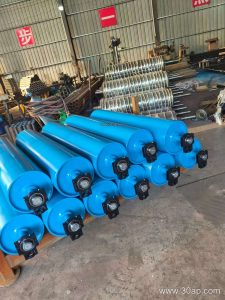
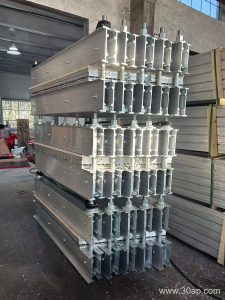
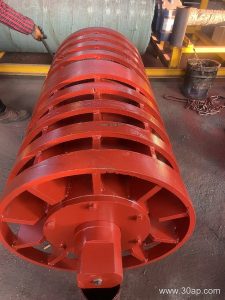
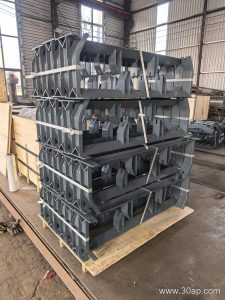
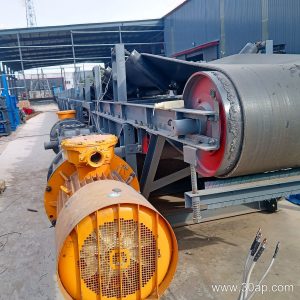
A heavy-load pulley is a robust conveyor pulley engineered for high tension and continuous operation in bulk material handling. Often referred to as a heavy-duty conveyor pulley, it serves as the drive, tail, or bend component that guides and drives the conveyor belt. Unlike standard pulleys, these are built with thicker shells, larger shafts, and reinforced hubs to withstand the stresses of moving tons of material per hour. In quarry and aggregate lines, for example, a heavy-load pulley at the head end must handle the full pulling force of a loaded belt without deflection.
Construction and Key Components
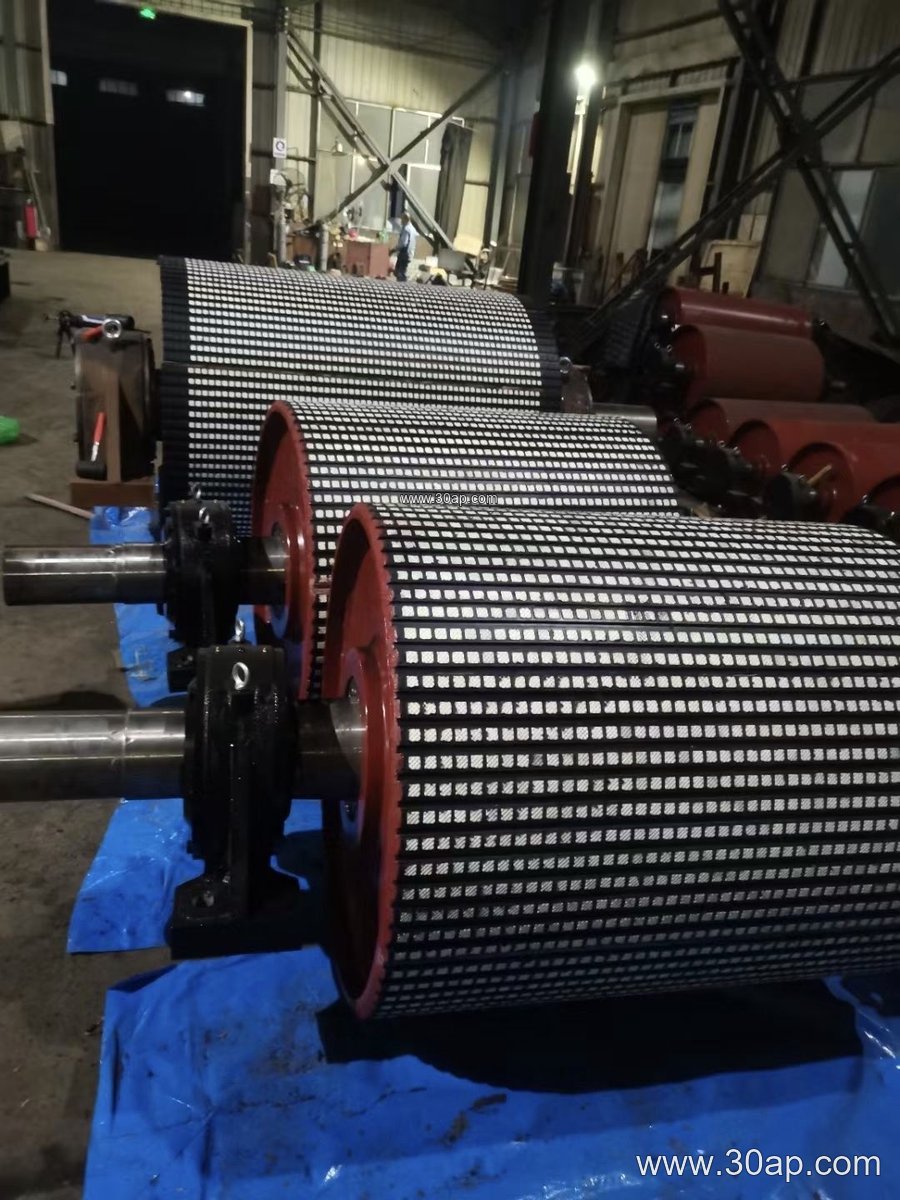
The construction of a heavy-load pulley focuses on durability and precision. The shell is typically made from seamless steel tube or rolled plate, machined to ensure concentricity. End discs are welded to the shell and bored to accept the shaft, which is often forged or turned from high-grade steel. Bearings are selected according to the load and speed, with pillow block or flange mounting options. Surface treatment varies: plain, rubber lagged, or ceramic lagged, depending on the need for grip and wear resistance.
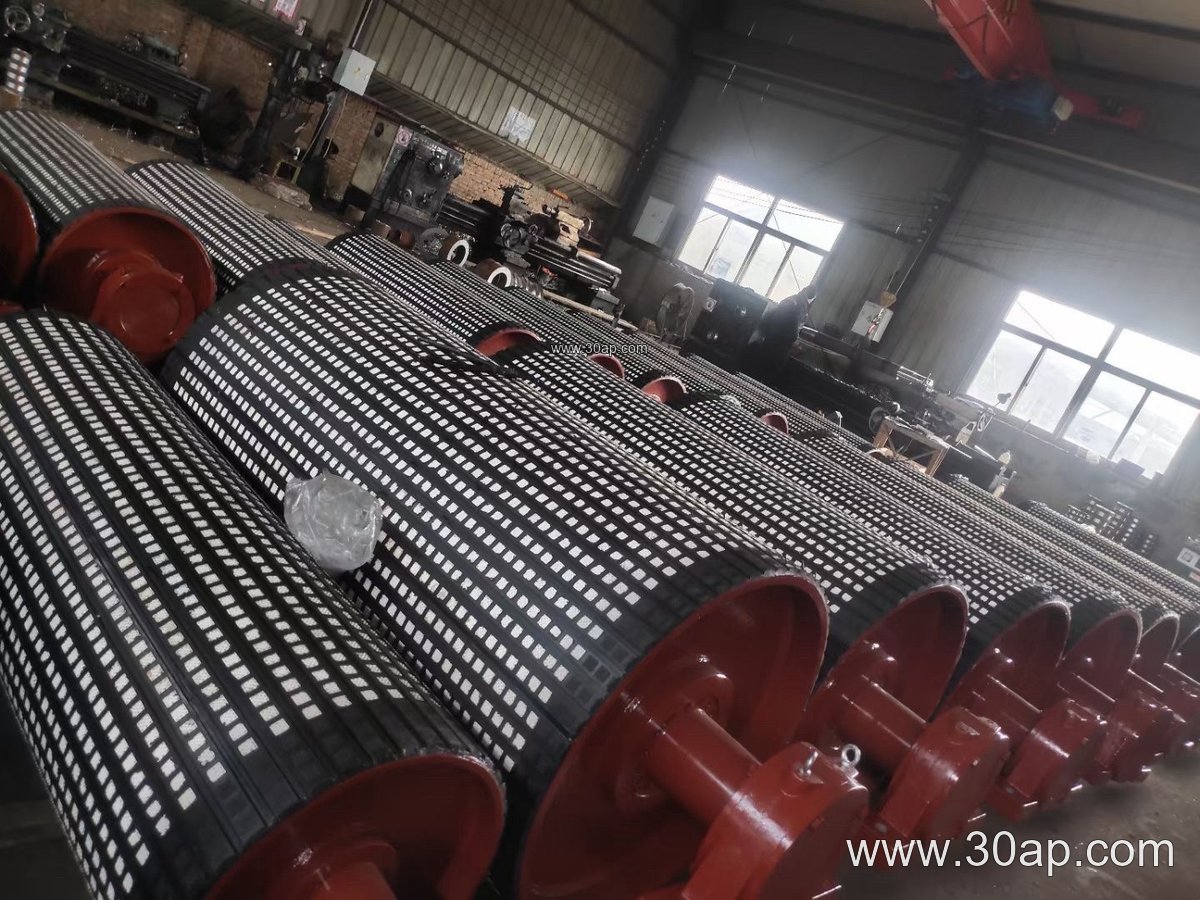
Lagging is a critical feature. Rubber lagging (cold-bonded or hot-vulcanized) improves friction between the pulley and the conveyor belt, reducing slip. Diamond or herringbone patterns help shed water and debris. Ceramic lagging offers superior abrasion resistance in high-wear areas such as drive pulleys. The lagging thickness commonly ranges from 8 mm to 20 mm, with 10 mm and 12 mm being frequent choices for heavy-duty applications.
Other components include the shaft, keyed or shrink-fitted to the end discs, bearing housings, and sealing arrangements to keep out dust and moisture. In mining and cement plants, dust and grit are constant threats, so effective sealing extends bearing life.
Where Heavy-Load Pulleys Are Used
These pulleys are indispensable in industries where conveyor systems run continuously and carry abrasive or heavy materials. In a coal mining operation, a heavy-load pulley at the drive station must transmit high torque to a flame retardant conveyor belt carrying coal from the face to the surface. In a copper ore concentrator, they handle the discharge of crushed ore onto a steel cord conveyor belt for transport to the grinding circuit. Cement plants use them on clinker conveyors, where heat and abrasion demand robust lagging and bearings.
Port bulk terminals rely on heavy-load pulleys for ship loading and unloading, often paired with an EP conveyor belt or fabric core conveyor belt in wide widths. The pulley must accommodate the belt width and tension without flexing. In power plants, coal handling systems use these pulleys to drive belts that feed crushers and boilers. Even in aggregate operations, a heavy-load pulley ensures smooth operation of a crusher conveyor belt, minimizing downtime.
Matching Pulley to Belt and System
Selecting a heavy-load pulley requires understanding the conveyor’s duty. The pulley diameter should be large enough to reduce belt bending stress, especially with high-tension belts like steel cord or thick fabric plies. A common rule is that the pulley diameter should be at least 30 times the belt’s top cover thickness for fabric belts, but this varies with belt type and tension. For a heavy-duty mining conveyor belt, diameters of Ø800 mm to Ø1250 mm are not uncommon on drive pulleys.
Belt width and pulley face width are related: the pulley face is usually slightly wider than the belt to allow for misalignment. For instance, a 1200 mm wide conveyor belt typically runs on a pulley with a face width of about 1400 mm. However, there is no fixed rule that a specific belt width only matches one pulley diameter; the diameter is determined by torque, belt tension, and space constraints.
Shaft diameter is calculated based on the torque and bending loads, not simply the belt width. Common shaft sizes for heavy-load pulleys range from Ø100 mm to Ø200 mm, but each application requires engineering verification.
Surface Options and Their Role
The surface of a heavy-load pulley can be plain, lagged with rubber, or lagged with ceramic. Plain pulleys are used where minimal friction is needed, such as bend pulleys. Rubber lagging is standard for drive pulleys to prevent slip. Diamond or herringbone grooving improves traction in wet conditions. Ceramic lagging is chosen for high-abrasion environments, like handling sinter or coke, where rubber would wear quickly.
Lagging thickness is selected based on the severity of wear: 8 mm for light abrasion, up to 20 mm for severe conditions. The lagging must be applied with proper bonding to avoid detachment under high load.
Buyer’s Checklist
- Verify the pulley’s load rating and safety factor against the conveyor’s maximum tension.
- Confirm the shaft diameter and bearing type suit the expected torque and speed.
- Check the lagging material and thickness for compatibility with the conveyed material and environmental conditions.
- Ensure the pulley face width matches the belt width, with adequate allowance.
- Review sealing and bearing protection for dusty or wet environments.
- Consider the pulley’s balance and concentricity to minimize vibration at high speeds.
For assistance in specifying a heavy-load pulley for your conveyor system, consult with experienced suppliers who can provide engineered solutions. Whether you need a pulley for a quarry conveyor belt or a coal mining conveyor belt, the right heavy-load pulley will enhance reliability and reduce maintenance costs.