What the Ø89 Rubber Disc Idler Is
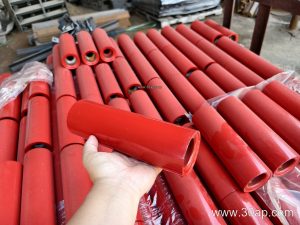
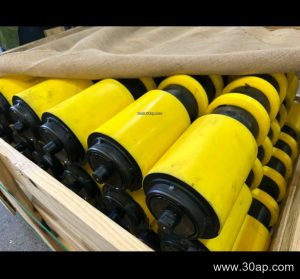
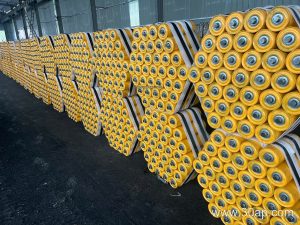
The Ø89 rubber disc idler is a carrying or impact idler whose roller is fitted with a series of rubber discs along its length. The 89 mm roller diameter places it in the middle of the common idler range, so it suits medium belt widths and moderate load zones rather than the heaviest primary crusher discharge points. It is often chosen for the loading area, where the belt meets falling material, and for sections where the belt surface needs a softer contact than a bare steel shell provides.
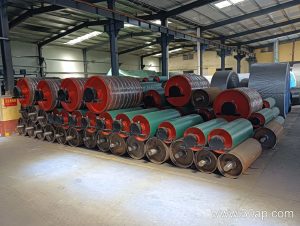
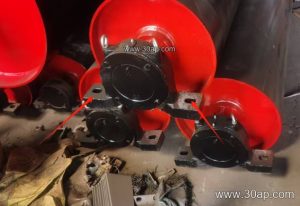
In a plant, this idler is just one part of the conveying line, but it works alongside the conveyor belt, conveyor pulley, and conveyor bracket that hold the whole structure together. Get the idler wrong and the belt wears unevenly; get it right and the line runs quietly.
How the Rubber Disc Cushion Is Built
The body is usually a steel tube with a shaft running through sealed bearing housings at each end. Rubber discs are pressed onto the shell, spaced at intervals, and often clamped between end plates. The discs flex under impact and spring back, which absorbs some of the energy from falling rock or clinker before it reaches the belt cover.
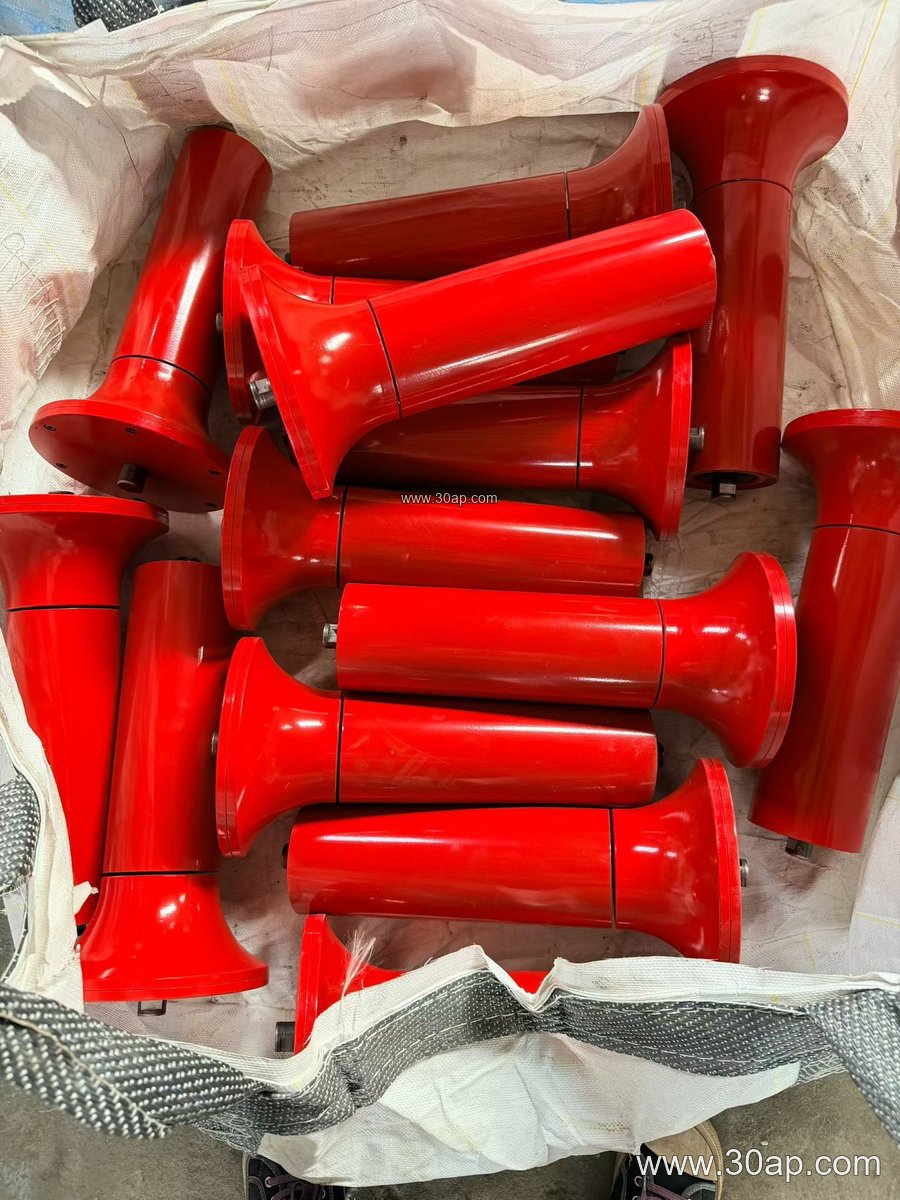
- Roller diameter: Ø89 mm, a common middle size
- Disc material: abrasion-resistant rubber, sometimes with fabric reinforcement
- Bearing options: 6204, 6205, or 6305 depending on load and shaft design
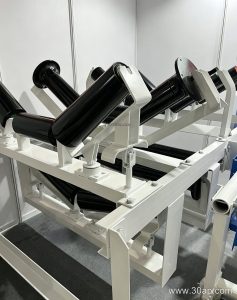
- Mounting: fixed to the conveyor bracket with standard idler frames
Sealing matters as much as the rubber. Dust from a quarry or a coal yard finds its way into any gap, so a good labyrinth seal and grease-retaining housing extend service life more than a thicker disc does.
Where It Fits on the Line
The most natural place for a rubber disc idler is the impact zone under a chute or transfer point. In a limestone quarry, crushed stone drops onto the belt with considerable force; in a coal handling plant, lumps arrive at the same spot again and again. A rubber-disc roller spreads that load across several discs instead of one hard steel surface.
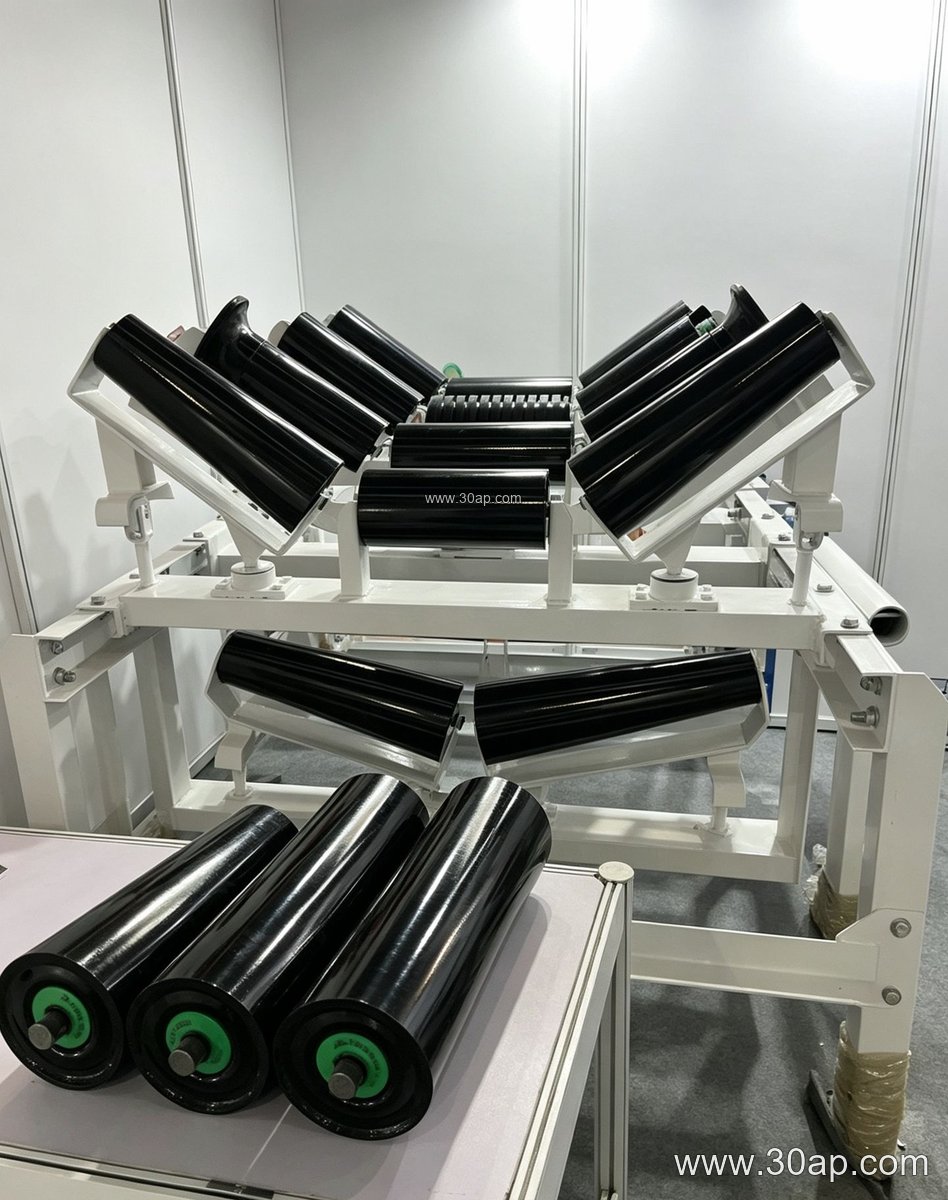
It also appears on the carrying side where material is abrasive but not extremely heavy, and sometimes in a three-roll trough set at 20, 30, or 35 degrees. Trough angle affects how the belt cups the load, so the idler choice should follow the belt width and the material’s angle of repose. A 500 mm or 650 mm belt may use shorter rollers, while 1000 mm and 1200 mm belts need longer ones; the roller length follows the belt width and frame design, not a single fixed figure.
When a different idler makes more sense
For the return strand, a plain flat return idler or a V-return idler is usually the better fit, since there is no material impact to cushion. For heavy, sharp ore at a primary dump point, a dedicated impact idler with a thicker rubber ring may be preferred over the disc type. The disc idler is a good general cushioning roller, not a universal replacement for every position on the conveyor.
Sizes, Speeds, and Selection Notes
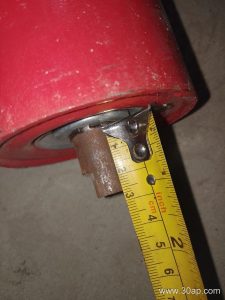
Buyers should confirm the shaft diameter, bearing size, and roller length against the existing frame rather than assuming they follow from belt width alone. A Ø89 roller can be built with different shaft ends to suit different brackets.
| Parameter | Typical range |
|---|---|
| Roller diameter | Ø89 mm |
| Belt width | B500 to B1400, project dependent |
| Trough angle | 20°, 30°, 35° |
| Bearing | 6204 / 6205 / 6305 |
| Disc hardness | Selected by application |
Belt speed and material temperature also shape the choice. Hot clinker or sinter calls for a heat-resistant rubber compound, while a food or grain line may need a different grade entirely. Where the belt itself is a heat resistant conveyor belt or an abrasion resistant conveyor belt, the idler’s rubber should be matched to the same duty.
Maintenance and Buyer Checks
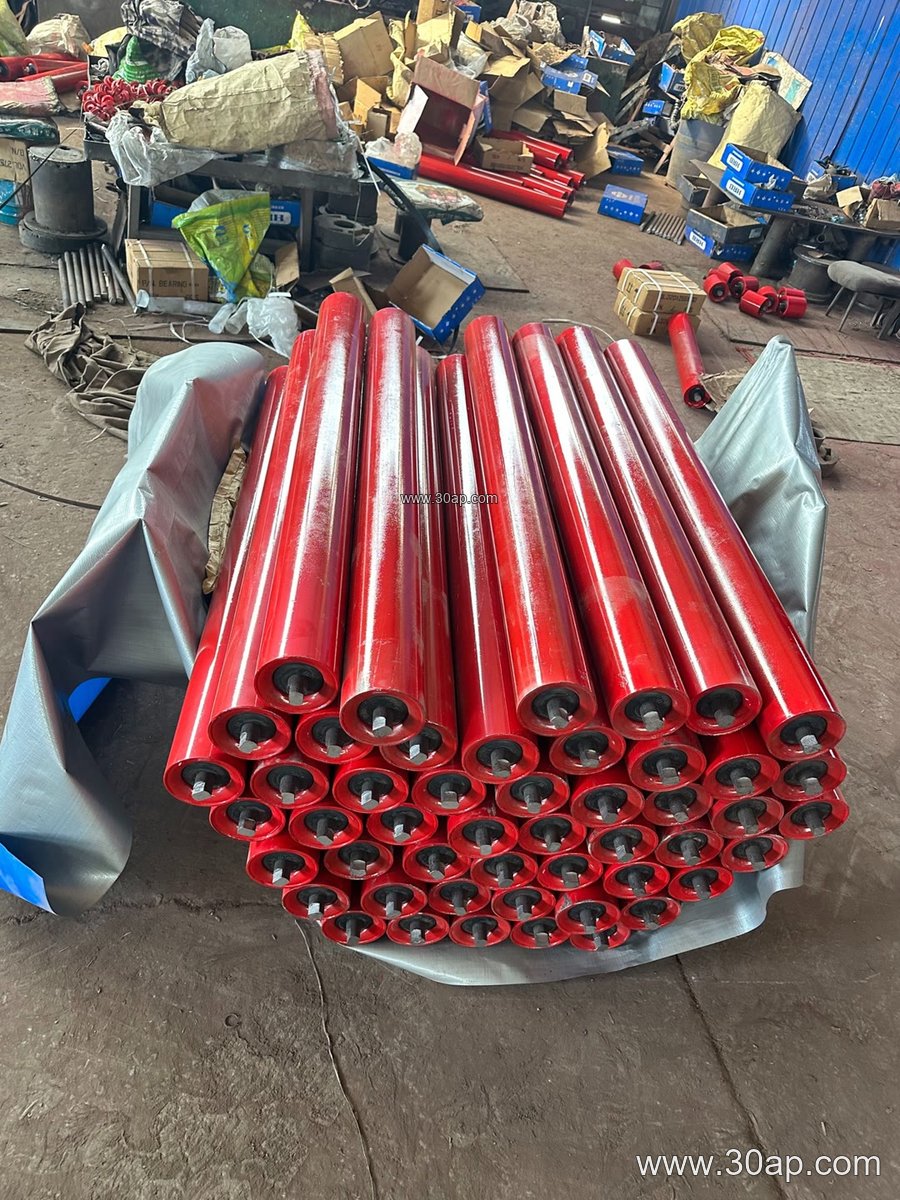
Check disc wear at the impact point first, because that is where the rubber thins. A disc that has worn down to the steel shell no longer cushions anything and should be replaced before it damages the belt cover. Spin the roller by hand during inspections; a rough or noisy bearing is a sign that dust has entered the seal.
Alignment is the other common issue. A skewed frame wears the belt edge and loads one side of the idler. On a long overland line carrying a steel cord conveyor belt, small misalignments add up over kilometres.
For buyers, the practical checklist is simple: confirm the roller diameter and length, the shaft and bearing arrangement, the rubber grade for the material, and the frame interface. Ask for the disc spacing and end-plate design, since these affect how the roller behaves under impact. Then compare the offer against the actual duty at the transfer point, not against a catalogue page. More idler and roller details are available at beltconveyoridler.com for those planning a replacement programme.