What a Steel Idler Does on a Conveyor
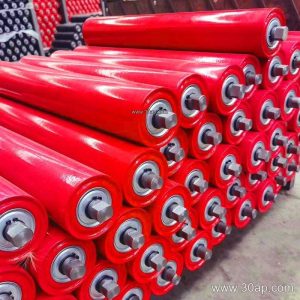
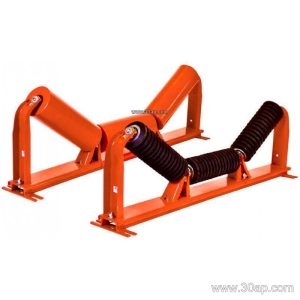
A steel idler is the rotating support that carries the conveyor belt and its load along the carrying and return runs. In a typical bulk handling line, these steel rollers sit in frames or brackets and keep the belt profile stable, reduce friction, and guide the belt from the load point to the discharge. The idler roller works together with the conveyor pulley, but it is not a substitute for the drive, tail, or bend pulley. Each has its own role in the conveyor system.
Steel idlers are common in quarry conveyors, cement plants, power plant coal handling, and aggregate crushing circuits. They also appear in ship loading, tunnel spoil removal, and fertilizer or grain transport where dust and abrasive fines are present.
Construction Details That Matter
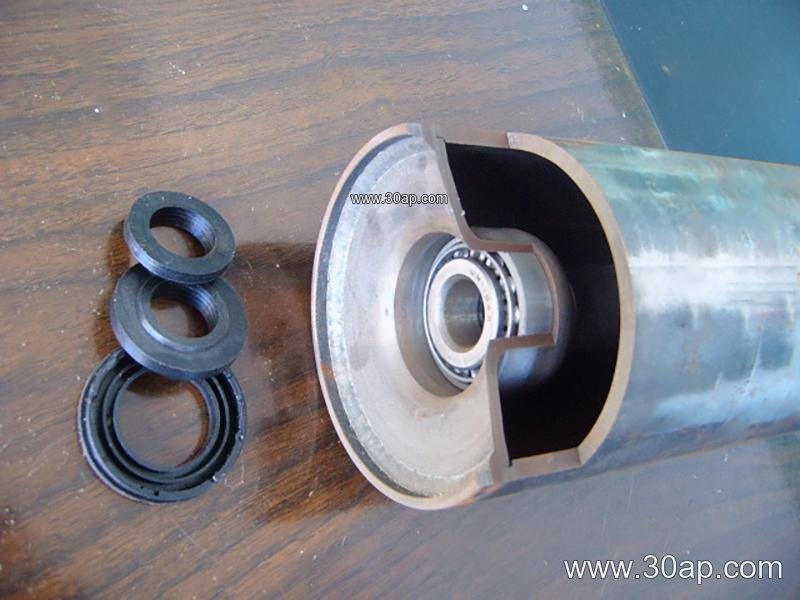
The main body is usually a steel tube with machined end caps, a shaft, bearing housings, and a sealing arrangement. The bearing size is selected according to load and speed rather than belt width alone. Common bearing numbers include 6204, 6205, 6305, 6306, 6308, and 6310, but a given roller diameter can use different bearings depending on the duty. The shell surface may be plain steel, nylon, ceramic, or rubber rings for impact and noise reduction.
Sealing is critical in dusty environments such as coal mining or limestone crushing. A good labyrinth seal and grease retention design help keep grit out of the bearing cavity. The shaft ends fit into the conveyor bracket, and the idler frame spacing is set by the belt width and the load profile.
Common Types and Where They Sit
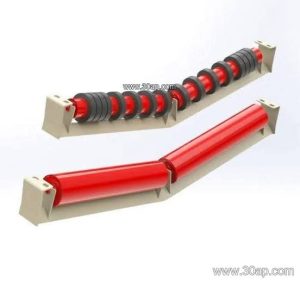
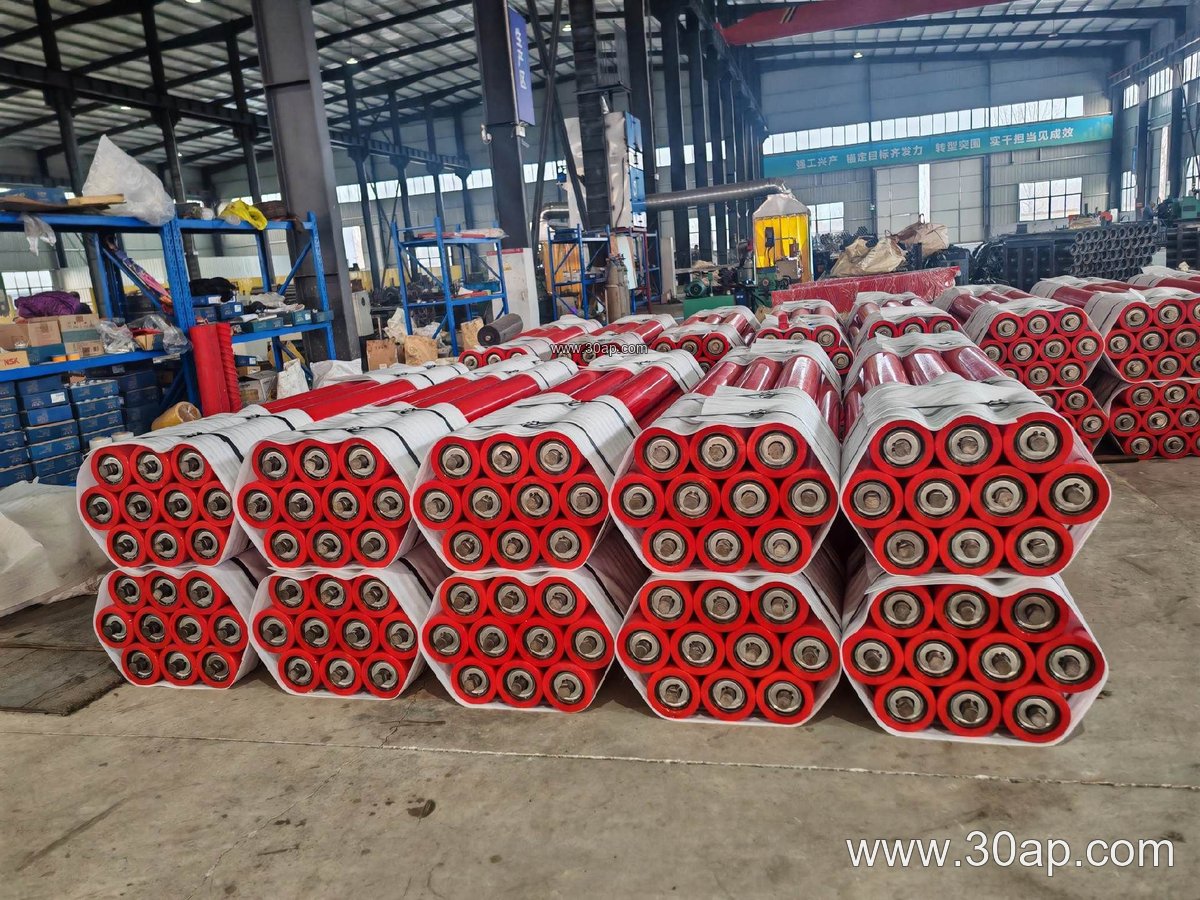
Troughing idlers, also called carrying idlers, support the loaded belt. They are often supplied as a three-roll set with trough angles of 20, 30, 35, or 45 degrees. A single-roll or two-roll arrangement may be used for narrower belts or special profiles. Return idlers support the empty belt on the lower run; flat return and V-return designs are common. Impact idlers with rubber rings are placed under loading points to absorb the drop energy from crusher discharge or transfer chutes. Training idlers, including friction and taper types, help correct belt misalignment on long runs.
The roller diameter is often chosen from a range such as Ø63, Ø76, Ø89, Ø102, Ø108, Ø127, Ø133, Ø159, Ø178, Ø194, or Ø219 mm. Belt widths from B400 to B2400 are handled with different frame and roll lengths. For example, a three-roll troughing set on B800 may use rolls around 315 mm long, while B1200 may use about 465 mm. These are common examples, not fixed rules; side rolls and center rolls can differ, and the final length is determined by the conveyor design.
Reference Parameters for Buyers
The table below gives typical reference values. Treat them as a starting point for discussion with the conveyor designer, not as a universal specification.
| Parameter | Common Reference | Notes |
|---|---|---|
| Idler type | Troughing, return, impact, training | Selected by belt run position |
| Roll diameter | Ø63 to Ø219 mm | Load and speed dependent |
| Belt width | B400 to B2400 | Frame and roll length vary |
| Trough angle | 20°, 30°, 35°, 45° | Material profile and capacity |
| Bearing | 6204, 6205, 6305, 6306, 6308, 6310 | Not tied to one diameter |
| Roll surface | Steel, nylon, ceramic, rubber ring | Impact and wear conditions |
For a heavy-duty mining conveyor belt or a high abrasion resistant conveyor belt carrying iron ore, the idler frame and roll thickness may need to be heavier than for a light aggregate line. The same applies when a heat resistant conveyor belt or flame retardant conveyor belt is used in a power plant or underground coal mining conveyor. The idler itself does not change the belt grade, but the operating temperature and dust level affect bearing grease and seal choice.
Selection and Maintenance Notes
Buyers should match the idler to the actual belt width, belt speed, load weight, and environment. A roller that is too light for the load can wear quickly; an oversized roller may add unnecessary cost. Check the shaft end fit with the conveyor bracket, confirm the trough angle suits the material, and verify that the seal type is suitable for dust or moisture. On a quarry conveyor belt or crusher conveyor belt, impact idlers at the transfer point often extend belt life.
Routine checks include roller rotation, bearing noise, shell wear, and frame alignment. Replace seized or damaged idlers promptly to avoid belt tracking problems and edge damage. Keep spare rollers for critical drives and return runs. The steel idler is a small component, but its condition直接影响 the reliability of the whole conveyor line.