What the Trough Idler Bracket Does
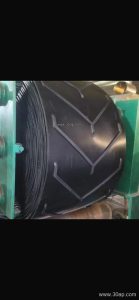
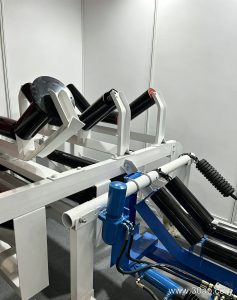
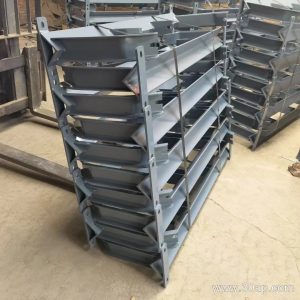
A trough idler bracket is the frame component that holds the three-roller trough set in place along the carrying side of a conveyor. It sets the spacing between rollers, fixes the trough angle, and transfers the load from the belt and material down into the conveyor structure. In a quarry, cement plant, or power plant coal yard, these brackets are the quiet workhorses behind stable belt tracking. For operators running coal mining conveyor belt or heavy-duty mining conveyor belt lines, a well-matched bracket keeps the belt profile consistent and reduces spillage at transfer points.
The item is also known as a troughing idler bracket or troughing frame, and the two names describe the same product. It should not be confused with a return bracket or a bend pulley, which serve different positions in the conveyor layout.
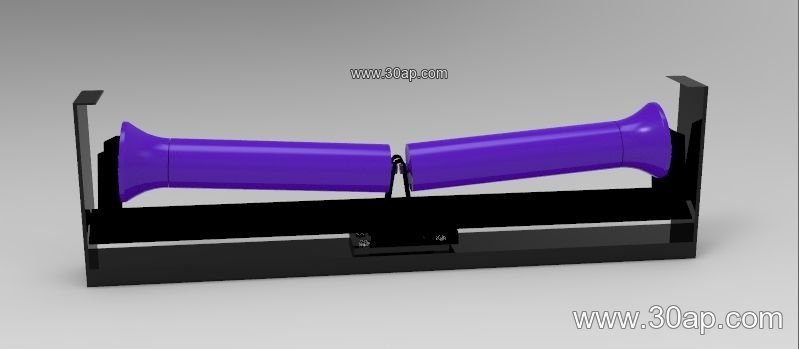
Construction and Materials
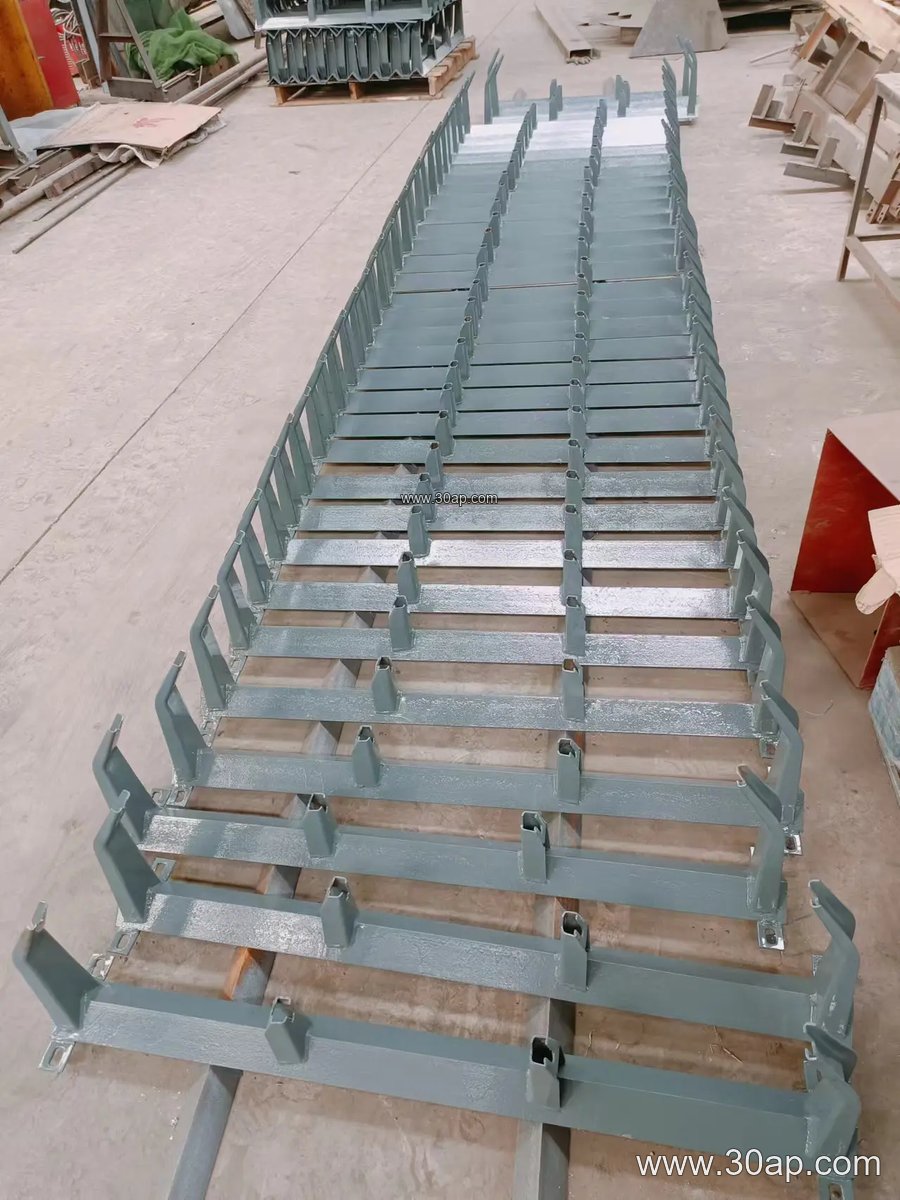
Most trough idler brackets are fabricated from angle steel, channel steel, or folded steel plate, then drilled or punched for roller pins and mounting bolts. Common forms include fixed brackets welded at a set angle and adjustable brackets with slotted or pivoted arms. The bracket carries the idler roller seats, the cross beam, and the mounting feet that bolt to the stringer or frame.
- Fixed trough bracket: welded at one trough angle, simple and rigid
- Adjustable trough bracket: angle can be changed on site within a range
- Transition bracket: used near the pulley to guide the belt from flat to troughed
- Impact bracket: reinforced under loading points, often paired with impact rollers
Trough Angle and Belt Width Matching
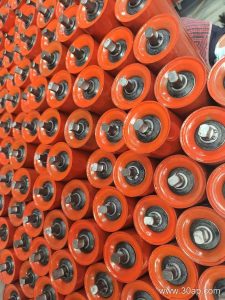
Trough angle affects how well the belt contains the load. Common values are 20, 30, 35, and 45 degrees. A 35-degree frame is widely used on bulk material conveyor belt systems, while 45 degrees suits fine, free-flowing cargo in high-capacity lines. Belt width and roller diameter should be selected together, not treated as a fixed pair. Typical references include B650 with 30 degrees and Ø89 rollers, B800 with 35 degrees and Ø108, B1200 with 45 degrees and Ø133, and B1400 or B1600 with Ø159 rollers. These are design examples, not mandatory combinations; hole spacing and beam length vary with belt width and trough angle.
| Belt width | Trough angle | Roller diameter | Typical use |
|---|---|---|---|
| B500 | 20–30 degrees | Ø89 | Light aggregate lines |
| B650 | 30 degrees | Ø89 | Sand and gravel plants |
| B800 | 35 degrees | Ø108 | Cement and coal conveying |
| B1000 | 35–45 degrees | Ø108–Ø133 | Power plant coal yards |
| B1200 | 45 degrees | Ø133 | Iron ore and quarry lines |
| B1400–B1600 | 35–45 degrees | Ø159 | Heavy mining duty |
On lines carrying abrasive rock, brackets are often paired with abrasion resistant conveyor belt or high abrasion resistant conveyor belt. Where dust and ignition risk exist, flame retardant conveyor belt and anti-static conveyor belt grades are common, and underground coal mining conveyor belt installations usually specify fire resistant conveyor belt alongside sturdy steel frames.
Where It Fits in the Conveyor
Trough brackets sit between the tail pulley and the drive pulley on the carrying run. Near the tail, transition brackets ease the belt from the flat pulley profile into the trough shape. At loading zones, impact brackets support the belt under the chute. Elsewhere, standard trough frames repeat at a regular pitch. The return side uses a different frame, so a trough bracket is never swapped for a V-return or flat return bracket.
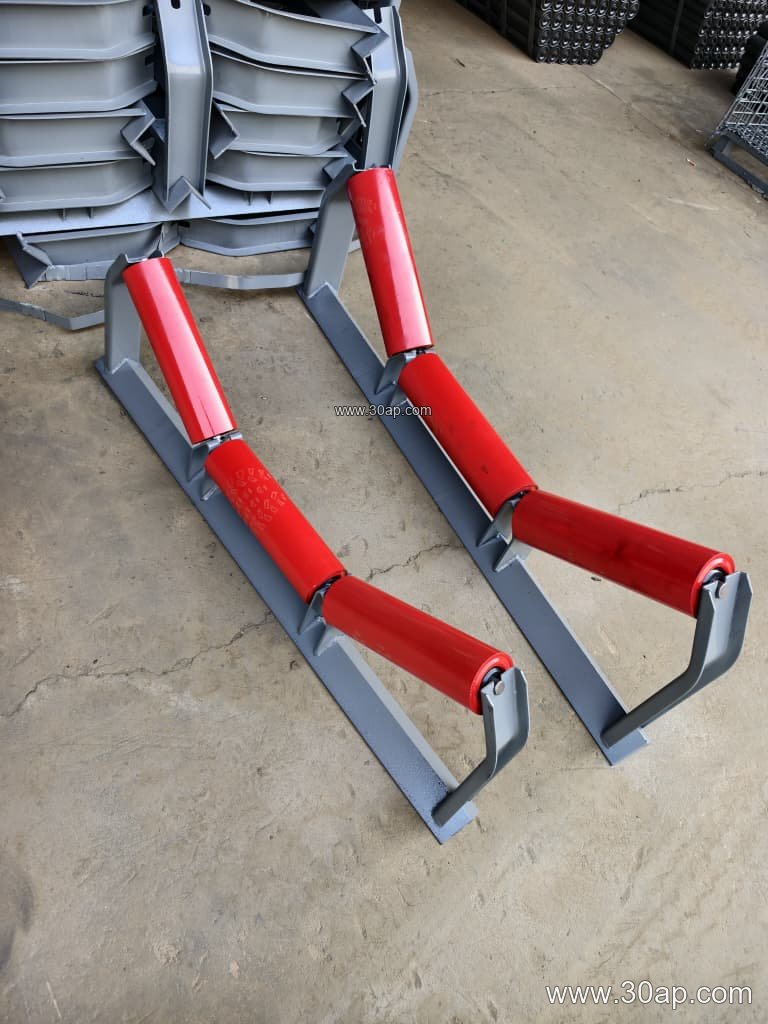
In a crusher conveyor belt circuit, spacing and frame rigidity matter because surge loads can shift the belt. In port and ship loading conveyors, consistent trough angles help keep a pipe conveyor belt or corrugated sidewall conveyor belt running true at curves and transitions.
Buyer Checklist
- Confirm belt width, trough angle, and roller diameter as a set
- Check mounting hole spacing and beam length against the existing stringer
- Ask whether fixed or adjustable frames suit the maintenance plan
- Match frame finish to the environment, especially in wash-down or corrosive areas
- Verify roller seat dimensions so the idler roller fits without shimming
- Consider transition and impact frames as separate line items
For fabric core conveyor belt and EP conveyor belt installations, bracket choice mostly affects belt training and edge wear. For steel cord conveyor belt lines, frame stiffness and accurate roller alignment become more critical because the belt is less forgiving of misalignment. Buyers comparing suppliers should ask for drawings with dimensions rather than relying on generic tables.
Maintenance Notes
Inspect brackets for loose bolts, bent arms, and worn roller seats. A bracket that has shifted can cause the belt to run off-center, which then damages edges and the conveyor pulley lagging. Keep spare fixed frames and a few adjustable units on hand for fast changeouts in crushing and screening plants. Regular alignment checks on trough idler brackets are a low-cost way to protect the conveyor belt and extend roller life.